
1920s Artifacts and Cultural Change: Prohibition, Jazz, Flappers, and Technology

The Speakeasy Sign

In the 1920s, Prohibition swept across the nation, banning the sale and consumption of alcoholic beverages. The artifact I’ve chosen is a weathered speakeasy sign. Speakeasies were secret, underground bars that emerged during this time, embodying the rebellious spirit of people who defied the Prohibition laws (Myler). As shown in Figure 1, the sign captures the era’s hidden excitement, as individuals sought clandestine spots to enjoy forbidden pleasures, contributing to the cultural rebellion of the Roaring Twenties.
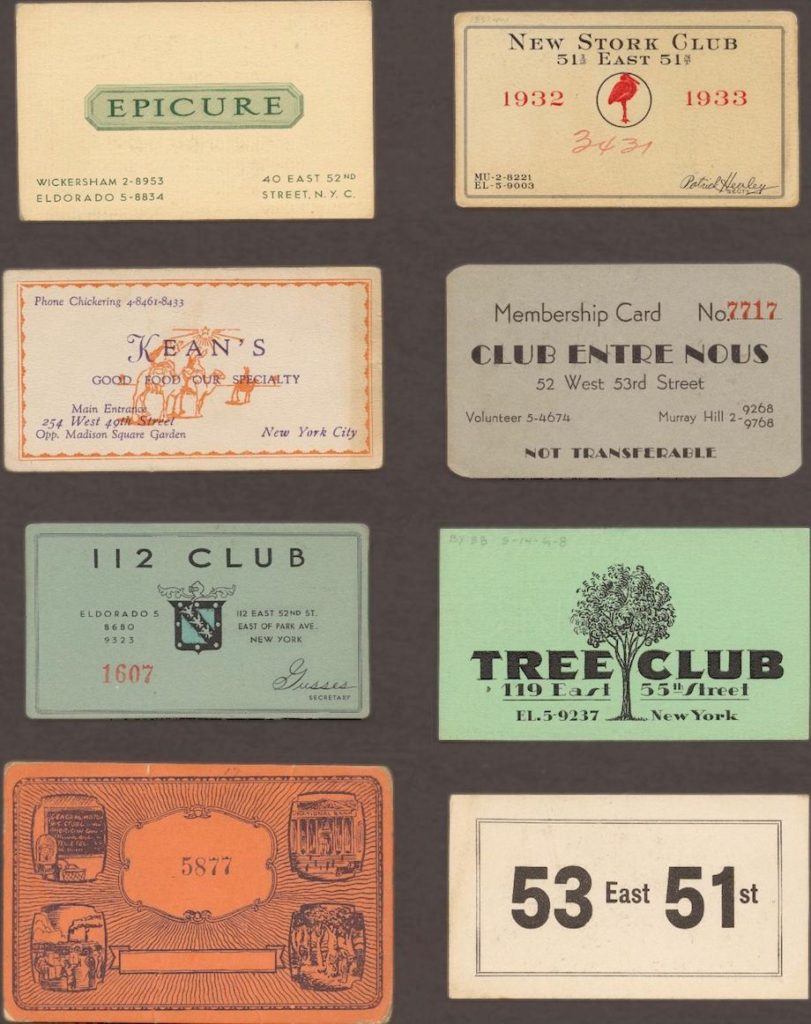
Courtesy of Cornell University Library, <img decoding=
quot;The Speakeasy SignCourtesy of Cornell University Library, "The Speakeasy Sign". Prohibition, 1920s-1933s.quot;. Prohibition, 1920s-1933s.” width=”811″ height=”1024″/> Fig. 1. Courtesy of Cornell University Library, “The Speakeasy Sign”. Prohibition, 1920s-1933s.

Jazz Record Sleeve

The Harlem Renaissance was a vibrant cultural and artistic movement within the African American community during the 1920s. My chosen artifact is a jazz record sleeve featuring influential musicians of the Harlem Renaissance. Jazz, with its syncopated rhythms and improvisation, became the heartbeat of this cultural explosion (Myler). Figure 2 represents the energy and creativity of the era, showcasing how music played a pivotal role in shaping the identity of the Harlem Renaissance.
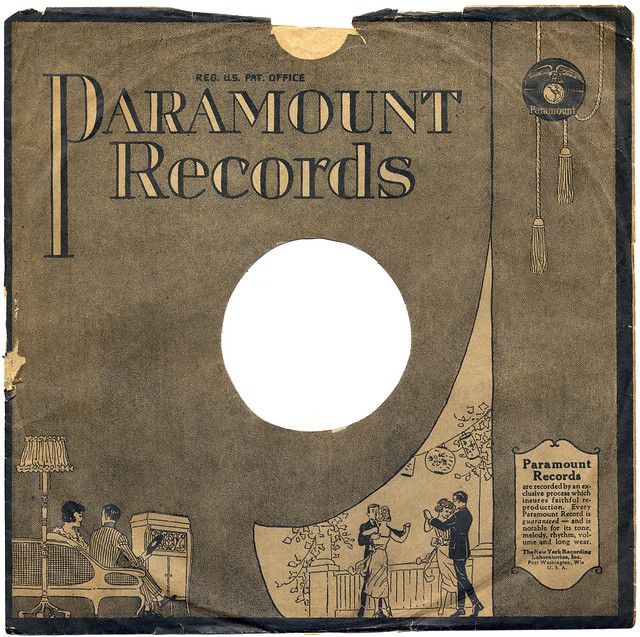
William Creswell. ”1920s Jazz Record Sleeve”. Flickr. 2018.
Fig. 2. William Creswell. ”1920s Jazz Record Sleeve”. Flickr. 2018.

Bible from a Fundamentalist Revival

Fundamentalism gained momentum in the 1920s as a response to the changing social and cultural landscape. A well-worn Bible from a fundamentalist revival serves as my artifact, symbolizing the conservative religious movements that sought to preserve traditional values. The pages marked by fervent believers reveal a commitment to fundamentalist ideals in the face of societal transformations, highlighting the clash between modernity and traditional beliefs during this tumultuous period (Figure 3).
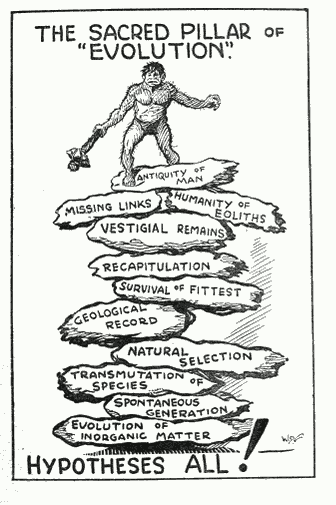
W. D. Ford. <img decoding=
quot;Bible from a Fundamentalist RevivalW. D. Ford. "Bible from a Fundamentalist Revival". Courtesy of Edward B. Davis, 1936.quot;. Courtesy of Edward B. Davis, 1936.” width=”336″ height=”505″/> Fig. 3. W. D. Ford. “Bible from a Fundamentalist Revival”. Courtesy of Edward B. Davis, 1936.

Flapper Dress

New roles for women emerged in the 1920s, epitomized by the iconic flapper. My chosen artifact is a stylish flapper dress, symbolizing the bold, liberated spirit of women during this time. Shorter hemlines, loose silhouettes, and bobbed hairstyles challenged societal norms, reflecting the newfound freedom and independence that women embraced (Myler). The flapper dress in Figure 4 encapsulates the evolving gender roles and the cultural shift towards a more progressive society.

H. Armstrong Roberts. “Flapper Dress”. Getty Images. 1960.
Fig. 4. H. Armstrong Roberts. “Flapper Dress”. Getty Images. 1960.

Model T Ford Brochure

For the fifth artifact, I’ve chosen a Model T Ford brochure. The widespread availability of affordable automobiles revolutionized transportation and social interactions in the 1920s. The brochure showcases the Model T’s simplicity and efficiency, symbolizing the accessibility and mobility that became integral to the changing American lifestyle. This artifact in Figure 5 highlights the impact of technology on daily life, connecting people across distances and contributing to the dynamic cultural changes of the Roaring Twenties.
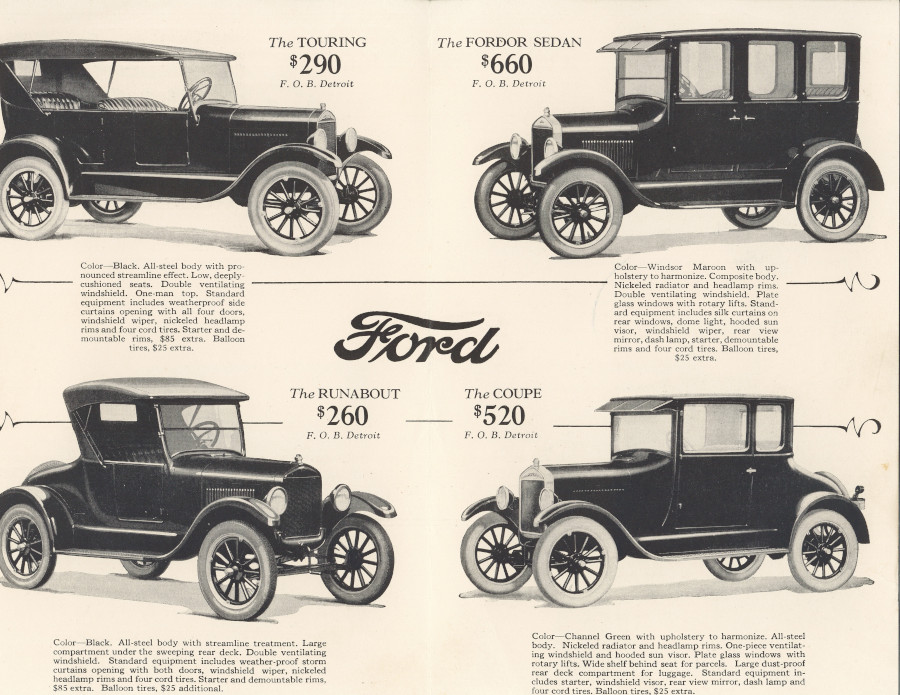
National Automotive History Collection. <img decoding=
quot;Model T Ford BrochureNational Automotive History Collection. "Model T Ford Brochure", 1920s. Motorcities. 2019.quot;, 1920s. Motorcities. 2019.” width=”900″ height=”695″/> Fig. 5. National Automotive History Collection. “Model T Ford Brochure”, 1920s. Motorcities. 2019.

Work Cited

Myler, Thomas. Jack Dempsey and the Roaring Twenties. eBook Partnership, 2020.

Cite this paper

Select style

Reference

StudyCorgi. (2026, April 27). 1920s Artifacts and Cultural Change: Prohibition, Jazz, Flappers, and Technology. https://studycorgi.com/1920s-artifacts-and-cultural-change-prohibition-jazz-flappers-and-technology/

Work Cited

"1920s Artifacts and Cultural Change: Prohibition, Jazz, Flappers, and Technology." StudyCorgi, 27 Apr. 2026, studycorgi.com/1920s-artifacts-and-cultural-change-prohibition-jazz-flappers-and-technology/.

* Hyperlink the URL after pasting it to your document

References

StudyCorgi. (2026) '1920s Artifacts and Cultural Change: Prohibition, Jazz, Flappers, and Technology'. 27 April.

1. StudyCorgi. "1920s Artifacts and Cultural Change: Prohibition, Jazz, Flappers, and Technology." April 27, 2026. https://studycorgi.com/1920s-artifacts-and-cultural-change-prohibition-jazz-flappers-and-technology/.


Bibliography


StudyCorgi. "1920s Artifacts and Cultural Change: Prohibition, Jazz, Flappers, and Technology." April 27, 2026. https://studycorgi.com/1920s-artifacts-and-cultural-change-prohibition-jazz-flappers-and-technology/.

References

StudyCorgi. 2026. "1920s Artifacts and Cultural Change: Prohibition, Jazz, Flappers, and Technology." April 27, 2026. https://studycorgi.com/1920s-artifacts-and-cultural-change-prohibition-jazz-flappers-and-technology/.

This paper, “1920s Artifacts and Cultural Change: Prohibition, Jazz, Flappers, and Technology”, was written and voluntary submitted to our free essay database by a straight-A student. Please ensure you properly reference the paper if you're using it to write your assignment.

Before publication, the StudyCorgi editorial team proofread and checked the paper to make sure it meets the highest standards in terms of grammar, punctuation, style, fact accuracy, copyright issues, and inclusive language. Last updated: .

If you are the author of this paper and no longer wish to have it published on StudyCorgi, request the removal. Please use the “Donate your paper” form to submit an essay.