
Impact of Physical Stress on Body Responses
Alterations in external factors might trigger specific changes in the body’s work. Thus, acute responses can be defined as the immediate physiological changes the body makes in response to increased exercise intensity (Costanzo, 2017). It ensures that all parts acquire the needed nutrients and oxygen to support critical processes. These include changes in the respiratory, circulatory, and muscular systems triggered by physical exercise. The provided table offers observations that can be used to explain the significant acute responses and show how the body reacts. Analyzing these showings reveals a better understanding of how physical stress affects body responses.
Acute Responses of the Respiratory System
The respiratory system is one of the first to respond to exercise. First of all, the breathing rate increases:
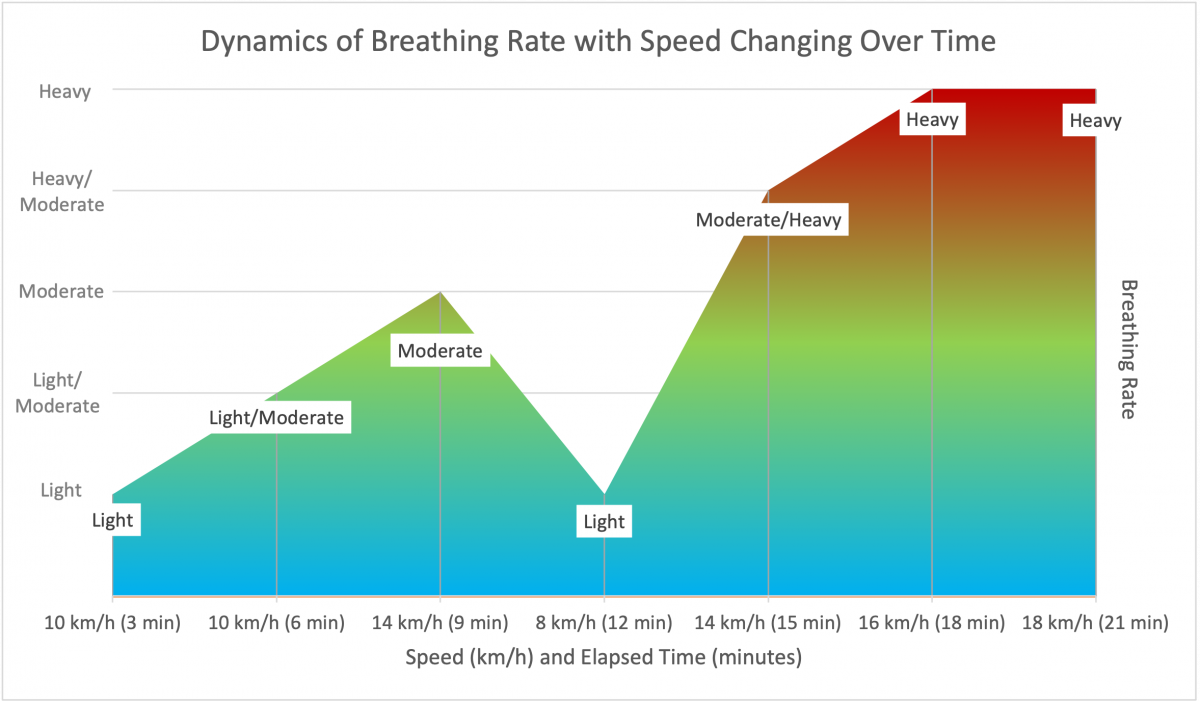
Figure 1 shows that it becomes heavier, which is explained by the increased demand for oxygen. Furthermore, the tidal volume, or the amount of air moving in and out of the lungs during the respiratory cycle, also increases as a response to the increased breathing rate (Costanzo, 2017). It leads to the body taking in more oxygen and removing excess carbon dioxide.
Ventilation also increases significantly during exercise, potentially up to 20 times (Costanzo, 2017). All these changes in the respiratory system ensure the body is supplied with the needed oxygen and can continue functioning under stress. At the same time, the forced vital capacity, or the amount of air exhaled from the lungs after the deepest breath, may also increase after such exercises (Costanzo, 2017).
Responses of the Circulatory System
The circulatory system also responds to stress and physical exercise, and it begins to function differently. First of all, the heart rate increases, which can also be seen from the table:
Table 1 – Dynamics of Heart Rate with Speed Changing Over Time
The pre-exercise heart rate was 80, while immediately after physical exercises started, it increased to 100 and continued to grow. It is explained by the fact that the body requires three or four times the normal cardiac output in such periods. The muscles work harder and demand significant amounts of oxygen (Thompson et al., 2001).
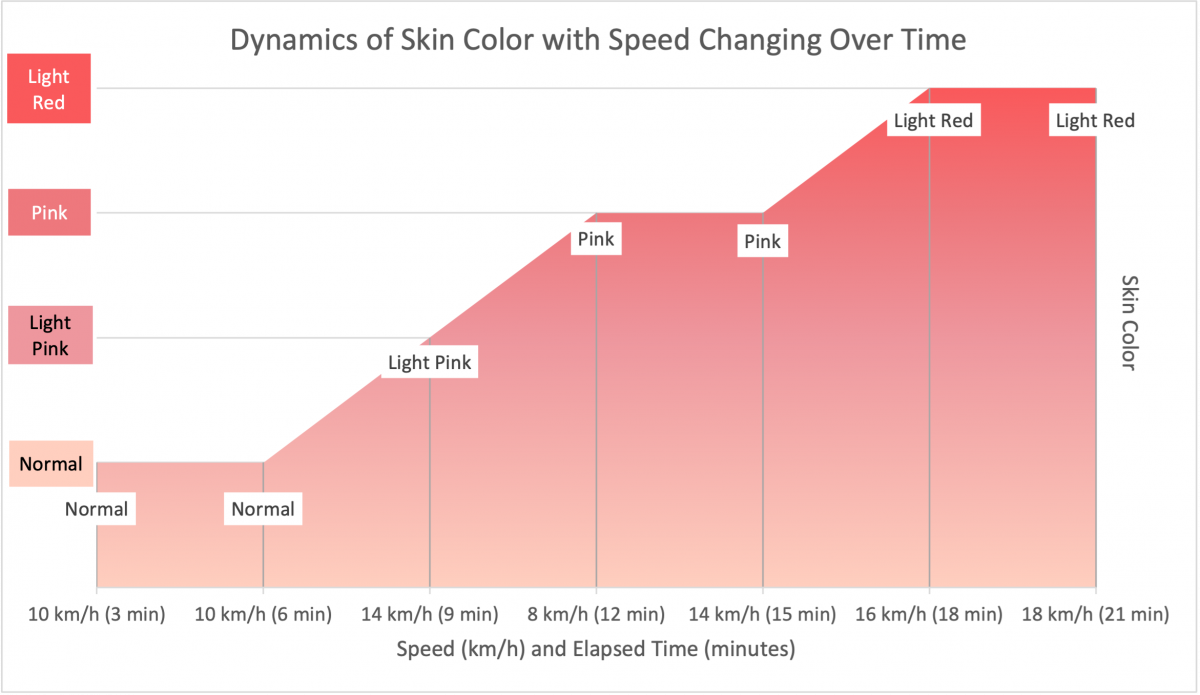
For this reason, the blood starts to beat faster, as evidenced by the increased heart rate, and transfers more blood through the muscles. It helps to oxygenate them and support their stable functioning. Stroke volume also rises as more blood is pumped out of the heart during each contraction (Costanzo, 2017). Substantial amounts of blood running through vessels can be noted visually, as the color of the epidermis changes, and it becomes red:
Responses of the Muscular System
The muscular system also responds in specific ways. First, the phenomenon of vasodilation is observed in all muscles. It states that the widening of blood vessels due to the relaxation of their muscle walls (Costanzo, 2017):
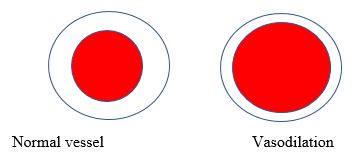
Thus, during exercise, muscle cells require more energy, which leads to the dilation of blood vessels to deliver more oxygen and the necessary nutrients (Costanzo, 2017). Furthermore, physical activity stimulates the growth in the arteriovenous oxygen difference (a-vO2 diff). The muscles begin to consume more oxygen from the blood, resulting in a growing difference and corresponding alterations in the circulation system’s function (Benitez-Florez et al., 2021).
Finally, the body responds to the physical exercise by sweating:
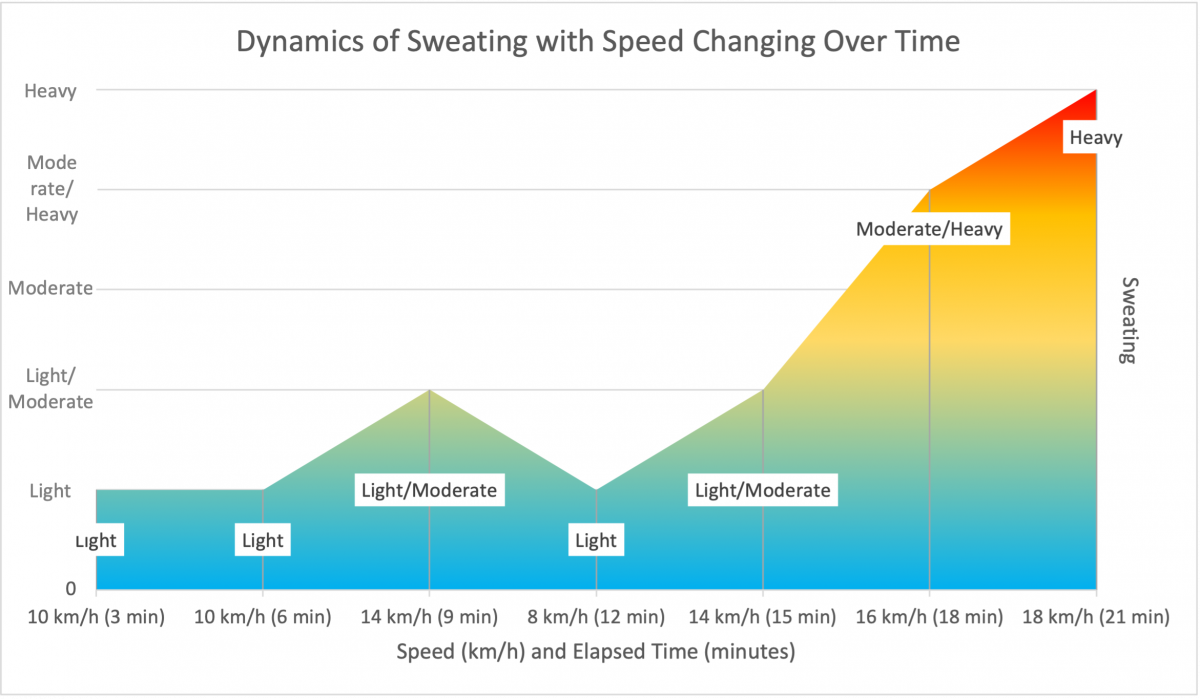
This is explained by faster circulation, which heats the body, and sweat helps cool it down and avoid too high temperatures. All these processes are essential for the body’s functioning during physical exercise.
References
Benitez-Florez, S., Magallanes, C., Alberton, C., & Astorino, T. (2021). Physiological and psychological responses to three distinct exercise training regimens performed in an outdoor setting: Acute and delayed response. Journal of Functional Morphology and Kinesiology, 6(2), 44. Web.
Costanzo, L. (2017). Physiology (6th ed.). Elsevier.
Thompson, P. D., Crouse, S. F., Goodpaster, B., Kelley, D., Moyna, N., & Pescatello, L. (2001). The acute versus the chronic response to exercise. Medicine and Science in Sports and Exercise, 33(6), 438–453. Web.