
Rob Hall as an Archetypical Hero
The main subject of Jon Krakauer’s book Into Thin Air is the tragic 1996 Everest expedition. The climbers who brave the risky route to Everest represent one of the archetypal characters that shine out in Thin Air: the Hero. They exhibit bravery, tenacity, and a desire to achieve greater things—heroic qualities.
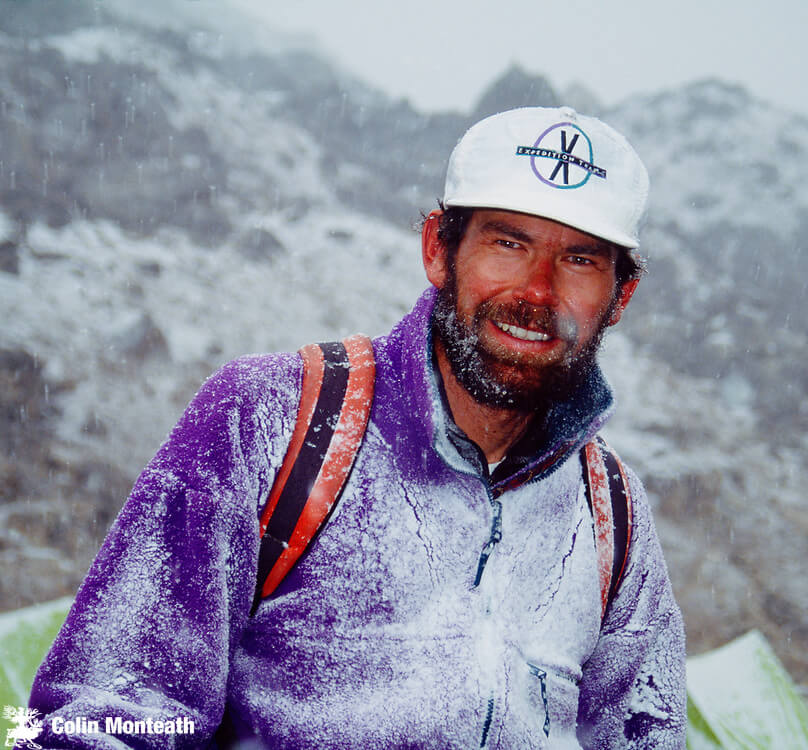
But the novel also draws on the tragic hero archetype, as climbers confront their “own failings and the results of their decisions” amid the extreme conditions of Mount Everest (Krakauer 32). One might recognize the mentor character in seasoned climbing guides like Rob Hall (Figure 1). It represents mentors, the archetype’s typical role, who offer advice, information, and assistance to those with less expertise.
The Everest Journey Narrative as a Classic Adventure
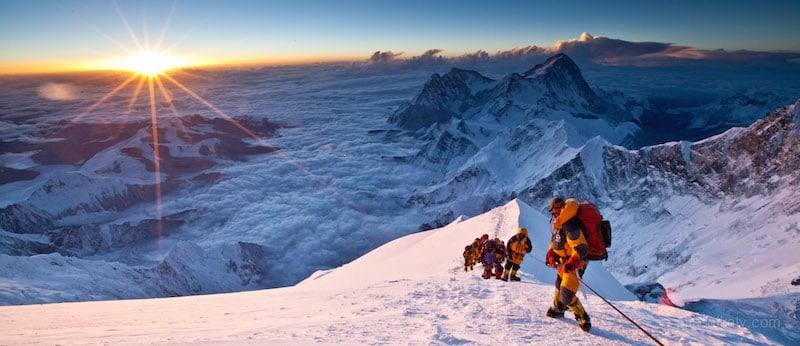
Classic narratives of exploration and conquest, in which heroes embark on perilous voyages under the guidance of mentors, resemble these archetypal characters when compared to other figures from literature or mythology. But the narrative’s sad qualities distinguish it from more conventional heroic tales by highlighting how erratic and harsh the natural world can be. The mountain itself serves as one of the book’s iconic symbols, signifying both “danger and ambition” and the ultimate task (Krakauer 54; Figure 2). Everest becomes a metaphor for both individual and group effort, and the peak itself is a timeless representation of human ambition and the unwavering pursuit of objectives.
The trip bears certain similarities to the journey of the classic hero, in which the decision to climb Everest represents the call to adventure, and the difficulties encountered along the way symbolize the ups and downs of the hero’s journey. According to the hero’s journey archetype, the protagonist should change or gain a greater understanding as the narrative unfolds. This transition is more subdued in the narrative, requiring a profound understanding of one’s own limitations and the frailty of human existence in harsh circumstances. Instead of a victorious return, the story finishes with a somber introspection.
Works Cited
Davies, Bryn. The true story of Everest 1996: One of mountaineering’s worst tragedies 29. Wired for Adventure, 2020.
Javed, Furqan. The 1996 Everest Disaster: Echoes from the Summit. Endorfeen, 2023.
Krakauer, Jon. Into thin air: A personal account of the Mount Everest disaster. Anchor, 2009.