
Introduction
Great artists worldwide have always been guided and inspired by different art-making factors. Factors such as realism, figurative art, brushwork, and coloring have been employed to convey creativity and depict American culture. The culture has been expressed artistically through various forms of art and crafts.
The MFA Museum showcases a diverse range of social, cultural, and political art pieces by artists from various backgrounds. Comparing and contrasting these pieces of art with others will reveal why some are considered epic to others. It will also depict how the art is rich in history, style, and cultural heritage.
Artistic Skill and the Connection Between Art and History
The greatness of a piece of art depends on the artist and its visual appeal. Some great artists work in drawing, painting, and carving. Leonardo da Vinci is famous for his adept skills in painting the Mona Lisa.
Profound artists like Hiram Powers and Edmonia Lewis are known for their carving abilities. Their sculptures provide a rich account of American history and values. One common factor among great artists is their ability to creatively marry art with history. Moreover, the time and caution in generating art greatly determine its value.
The Olmec Portrait Mask
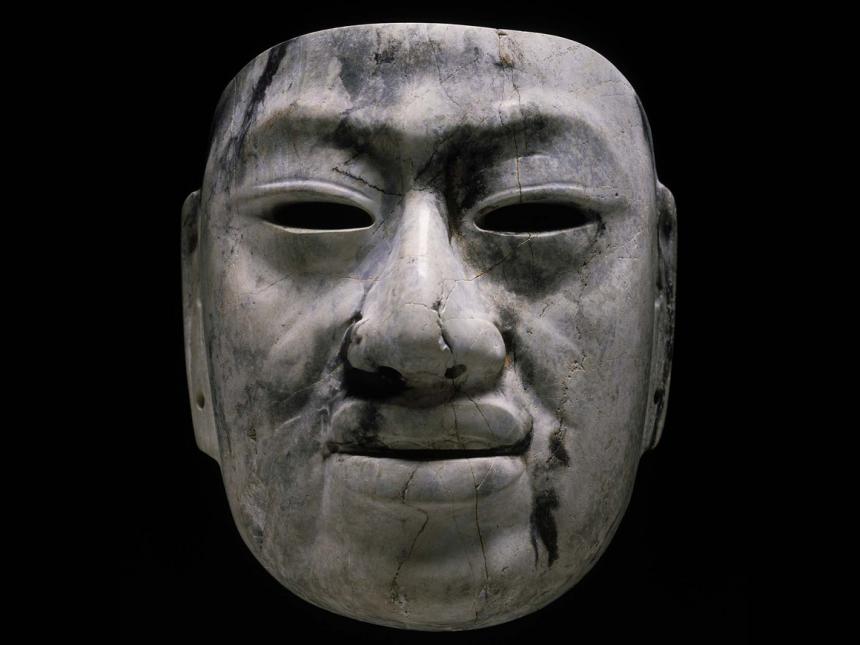
The Olmec Portrait Mask is an example of a carefully crafted mask from a fragile stone. Additionally, the mask informs us about a unique aspect of Mexican cultural heritage, which is part of American history. Museums and galleries worldwide collect and preserve art to document history and the legacies of great artists.
Cultural Significance
The MFA museum has various sets of art categories depending on the origin and cultural background of the art pieces. For instance, wondrous works of sculpture, paintings, and decorated art can be found in the Art of the Americas gallery. The Olmec portrait mask is an important artifact that speaks to the religious and cultural practices of the Mexicans in the 900-600BCE times. The mask is believed to have been worn during religious rituals and symbolized some degree of social elitism.
Material and Craftsmanship
The mask is carved out of a delicate and fragile jadeite stone. The careful carving of the Olmec Mask contrasts with art pieces such as the Egyptians ‘ funerary equipment. The Egyptian mummy coffins were carved out of large, hard stones to cover the deceased as part of their religious practices. The two art pieces employ the carving of stones to describe ancient religious and cultural practices. However, they differ significantly in the materials’ texture and the care and caution used in crafting them.
Cross-Cultural Comparisons
Other pieces of art that can be compared to the Olmec mask. A good example is the Mummy Mask from the Roman Imperial Period. The comparison is made concerning how the mask was made. The Mummy masks were made of soaked plaster, water, and papyrus. They were used to cover the heads and shoulders of mummies upon death. The covering was part of the Egyptian’s religious and cultural practices.
Similarly, the Olmec Portrait Mask was used among the Mexicans during religious and cultural events. Several jadeite artifacts were often found near burial sites, which explains their use in burial rituals. The Olmec and the Mummy masks both symbolized social status in their respective societies. Mummies were only made for the Egyptian Kings and Queens to sustain them in their next lives. On the other hand, the Olmec mask was typically worn only by the elite. Comparatively, both masks were only used by persons of higher economic status.
Historical Context of Art
The history of art is as important as its beauty and purpose. The Olmec Portrait Mask is believed to have originated from an agrarian society. It is believed to have been crafted during the Olmec civilization period, from approximately 900 to 600 B.C.E. The Jadeite material from which the mask was crafted had to be imported from other southern regions. The Olmecs conducted trade in luxury goods, such as jadeite masks. Their trade in luxurious items alludes to their high economic status throughout history. The mask was worn by rulers, which meant that lower-class persons were barred from accessing their ancestors.
Personal Reflection on Religious Art
From a personal perspective, I was fascinated by how masks were used for religious purposes. The artifact exposed me to the history of religion, particularly among the Mexican people. It enabled me to establish a pattern of how crucial religious art pieces were in some parts of American history. The fragile nature of the jadeite stone helped me compare and contrast the effort and caution taken while crafting the mask.
Conclusion
Art is a valuable and creative means of expressing thoughts and narrating history. Great artists use drawings, paintings, or carved works to explain societal phenomena. For example, the Olmec Portrait mask provides an artistic account of Mexican religious and cultural practices. Equally, the Egyptian mummy masks serve as evidence of the rich history of Egyptian religion and culture.
Great artists generally use artistic styles such as symbolism, narration, and realism to convey their message. Artisans can only be outstanding if their art pieces merge the above factors. An example of an outstanding piece is the Olmec Portrait Mask, as discussed above.