
Introduction
This paper presents a critical exploration of the investigation of sexual abuse cases, as seen in Capturing the Friendmanns. This documentary was created to shed light on what may have happened in this case. In this paper, the audience will find a critique of the series of investigations undertaken during the late 1980s case in the United States (“Capturing the Friendmans”, 2021). The documentary, directed by Andrew Jarecki, sheds light on the investigation of Arnold Friendman and his son, Jesse Friendman, on charges of child pornography films and molestation of boys in 1984 (Cheit, 2022). Based on the documentary, the case of Arnold and Jesse Friedman seems to lie under wrongful convictions due to police investigation uncertainties, consent of the minor, and inconsistency of testimonies against the defendants
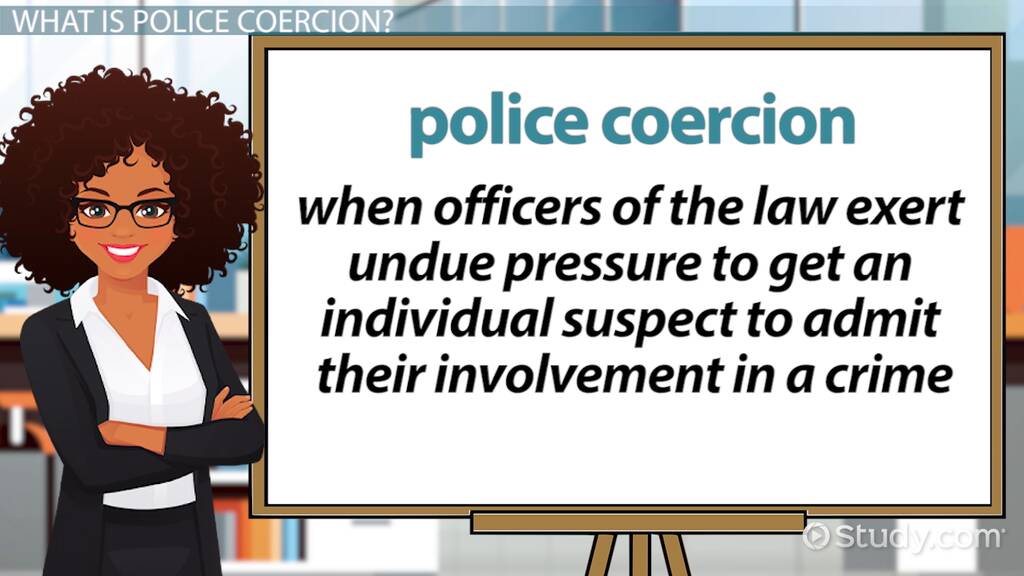
The documentary may be a subject of controversy, as many people would question the legitimacy of the events from a legal perspective. For instance, many observers notice an issue with coercion as shown in Figure 1, and a conspiracy of the police and the minors to frame the accused as guilty when there was little evidence or illogical proof and statements made (Doupe, 2023). It is difficult to ascertain the truth on the matter since some boys who were allegedly abused later testified in interviews about their inability to remember any occasion that may have resulted in sodomy. On the other hand, some stand firm in convincing the jury of physical and psychological atrocities committed against them by the Friendmans in their computer classes on their home’s basement floor. For more information on the investigative aspect of the issue, refer to the section below.
The Critique of the Legal Matter Based on Events Raised in the Documentary
It is important to note that the documentary has firmly put the two accused as contentiously guilty. The families responding to the matter against the father and the son do not strongly support the truth, but rather an illusion of events that may have occurred. In legal practice, judges, prosecutors, and other members may fall prey to unjust verdicts, mainly when their arguments are based on interposition and nullification without adhering to the principles of fairness (Cheit, 2022).
One of the proponents of the innocence of the Friendmans is Jarecki, in his documentary Capturing the Friendmans, where he raises sensitive concerns about the investigation and prosecution of the original case. The film has screened many witnesses who came forward to speak against the conviction, many of whom believe Jesse Friedman and his father were wrongfully convicted. After conducting numerous interviews with witnesses, ex-former police officers, and child welfare officers, the film has prompted the audience to question the investigation team based on the questionable nature of how children are implanted (“Capturing the Friendmans,” 2021). That has a high possibility of cooking lies to meet their probe’s presumptions.
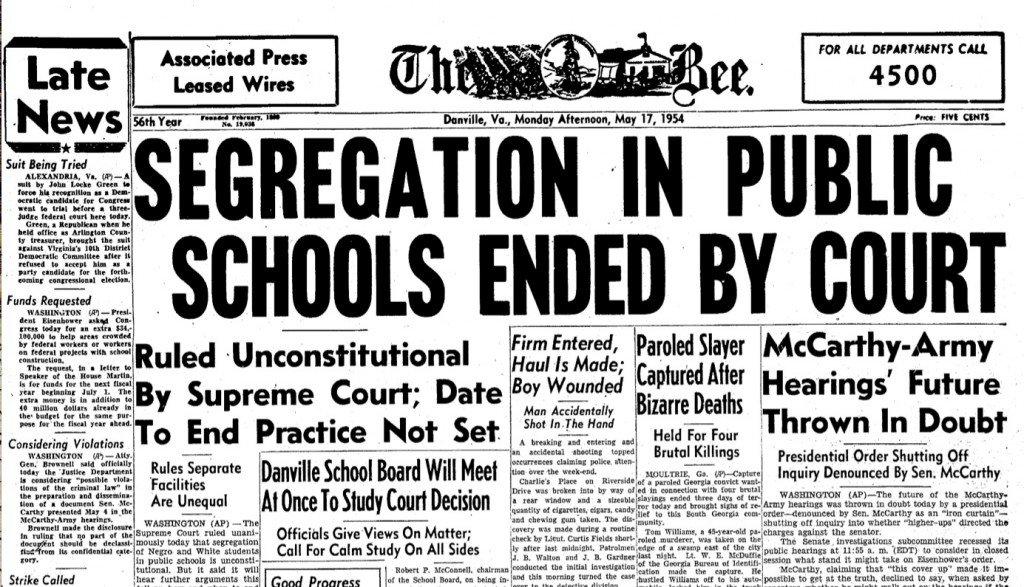
In specific cases, the court may often advance its own interests, which may lead to a wrongful conviction. For example, in the case of McCree, the judges excluded jurors who stated they would not impose the death penalty under any circumstances, indicating a systemic structure to serve the interests. Another way to demonstrate that a law may be unfair is through the case of Brown v. Board of Education, which occurred during the struggle for racial equality in the US in the 20th century (Peters, 2019). The case, which depicted the integration of learners in white and black schools, as shown in Figure 2, overturned a previous verdict in Plessy v. Ferguson (1896) by the court, which ruled that segregation did not violate any US constitutional clause as long as segregated facilities had equal and quality resources (Peters, 2019). There are considerable aspects of poor investigation on this matter.
The two cases mentioned in the above paragraph serve as an eye-opener regarding the possibility of an unjust court ruling, particularly when involving the team. The investigative agency in Nassau County, led by then-Head of the county’s Sex Crimes Unit, Sgt. Fran Galasso may have triggered fear among several boys and girls who had to fit their inquiries (Cheit, 2022). The contention is further expanded, as there was no alarm from the parents who dropped off and went to pick up their children from the computer classes, with many seeing their children happy and no sign of barbaric encounters in the schools.
However, the documentary reveals some fine details that may have contributed to their imprisonment. The police forcefully entered Arnold Friendman’s house. They found about 20 magazines that had pornographic material and a list of 81 students who had enrolled in the classes, which seemed to be a higher number in 1982 (Cheit, 2022). When the audience keenly watched the documentary, they noticed various children who testified to abuse that was said to take place in the classes when other children were present.
There were allegations of a naked leapfrog game where boys were sexually assaulted as they leaped on computer desks in the crowded class. It may seem illusional, but one boy had claimed 56 instances of sodomy in a close to three-month period, where he said he was forced to sodomize Jesse Friedman and his friend Ross Goldstein (Doupe, 2023). With this nature of the testimony, the judges may have considered the Friendmans to have likely been involved in child sexual molestation, leading to the incarceration of the two (Engelhard et al., 2019). Although there seems to be little evidence, the logic and composition of the narration may indeed show a consistency of increasingly bizarre incidents that happened in the classes.
Another concern that may fuel the debate on whether the two were wrongly accused is their guilty plea. Arnold Friedman and Jesse, his son, both pleaded guilty to abusing the boys as well, where they received 54 counts of sexual abuse in 1987 and were arraigned before the then-judge Abbey Boklan (Cheit, 2022). The concern in this part is the essence of their accepting having committed the abuse when they did not in the actual sense (Dodier & Tomas, 2019). Thus, the feeling in the investigation team brings to attention that no one would admit to having committed a crime, knowing the potential punitive action that would be taken against them.
The result of the investigation may have been altered to show the court how the two gentlemen had fallen prey to wrongful deeds. A court can determine a case by refuting various evidence as inadmissible. For instance, Frye v. US in 1923 shows that a court cannot be convinced by scientific testimonial evidence to determine a case (Rings et al., 2021). In this case, Mr. Frye was convicted of second-degree murder after the court denied the appellant’s request to introduce evidence from a deception test by an expert to defend himself. The ruling panel argued that the trial had not gained scientific recognition from relevant authorities, which meant the results would have been inadmissible.
In the investigation of the Friendmans, the screening of testimony, where many witnesses appeared to be unreliable, should have guided the legal team in defining the case. This was after assurance that the offenses had been committed, as verified by checking the facts of the entire matter. Thus, it reveals an element of a possible rogue criminal justice system, where a case may be associated with a conflict of interest and a lack of coherence (Rings et al., 2021). It is essential to mention that Boklan, the judge, had publicly said that she had seen Friendman guilty before the evidence could be tabled against him. That raises concerns about the ethical nature in which the case was determined, as there may have been aspects of compelling injustice and a chain of judicial mistakes.
There are different narrative versions in Capturing the Friendmans, and the truth may be elusive. The film’s title suggests a family captured in multiple ways, highlighting the flaws in legal structures and the evidence that contradicts the truth. The fact that Jesse Friendman was released in 2001 after serving 13 years in jail and registered as a sex offender is worrying(“Capturing the Friendmans”, 2021). His life is restricted despite him telling another version later that he did not see his father molest his friends, as he had initially told the court.
There is an intense critical thought on why Arnold accepted being jailed, later committing suicide in jail when he did not commit these wrongs. His wife, Allaine Friendman, told the investigating team that she did not believe her husband was innocent, and that might have meant the accused was guilty. However, the wife’s assertions may have been motivated by their arguments and should not have been a significant viewpoint whatsoever.
There is another case that can reveal the possibility of a false confession. In 1998, a young girl named Stephanie Crowe was found dead in her bedroom, where she had been stabbed eight times (Sarsten, 2022). The police launched an investigation into all family members, including her brother Michael Crowe, who admitted to killing his sister together with his two male friends, who were minors. The investigations were full of egregious incidents as the police falsely informed Crowe that they had found physical evidence implicating him in the murder. Crowe gave a vague confession of killing his sister, although he did not give inextricable fine details, alleging he did not remember how he did it. He was charged with murder together with his two friends, and the judges ruled they should be tried as adults; they were jailed for six months as prosecutors made preparations to try the three boys. However, the DNA test showed the blood samples taken from Stephanie belonged to Richard Tuite (Sarsten, 2022). Hence, the boys were set free, and new evidence led to a change in the case, resulting in embarrassment for the police.
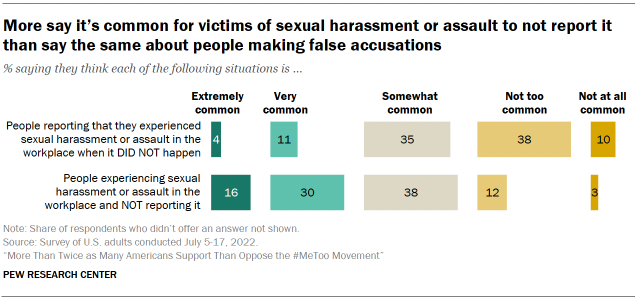
That case mentioned above may have the audience thinking whether Arnold Friedman and their son Jesse may have falsely confessed to committing sexual abuse, and the triggers towards them were the same. From a legal perspective, false confessions exist as Figure 3 conceptualizes, meaning children can deceive in these situations. Additionally, the investigation team failed to provide satisfactory evidence in Crowe’s case, which, again, can be related to the Friendmans since the group questioned the minors in a manner that favored their probe.
Children may face the Reid technique in their investigation, where an accused person is pressured to give an account of what happened in a one-sided format (Gudjonsson, 2021). The contention further comes when the jury was unable to find Tuite guilty after a series of appeals, when they said no evidence showed Tuite was present that night, and the victim’s blood might have gotten onto his shirt by mistake (Sarsten, 2022). In reality, a sound person would see that the jury looked hard at the possibility of Tuite having murdered the young (Dodier & Tomas, 2019). Similarly, the police, in their investigation, may have overlooked the possibility that Friendmans was innocent if they focused solely on what a few children said and his wife as well.
Another case that enables critical critiquing of the Friendmans case is Maryland v. Craig. The case involved the Sixth Amendment clause and provided the criminal defendant with the right to confront witnesses against them without limitation of one-way to present testimony by a convicted child sex abuse victim (King, 2018). This case had Sandra Craig charged with abusing a child, and the minor was unable to testify when the defendant was physically present in court. In a televised testimony, the child testified against Craig, and the accused was convicted. However, the Maryland Court of Appeals ruled that Craig’s Sixth Amendment rights were violated because the testimony was televised (King, 2018). The court’s opinion on the matter was to reinstate the conviction, stating that the attorney had cross-examined the child, and her clarity was visible in the room.
This case helps the reader understand the possibility of minors being influenced by adults to make false decisions due to fear and trauma of the process. The police asked the 14 boys in the case, Friendmans, questions that seemed closed-ended and established grounds to testify against the accused persons (Doupe, 2023). Thus, the boys may have responded positively to the questions to have the matter over their hands and to gain sympathy or set themselves free.
The criminal justice administration system is vast and requires the use of collaborative efforts to render a specific decision correct without any aspect of doubt. No one can tell the way or circumstances that led to Arnold Friendman’s suicide while in prison in 1995. Perhaps that could have been triggered by the fact that he realized it was not worth staying behind bars for an unconvicted crime, or he regretted committing the crimes. On the other hand, it is possible that the information obtained from the prison was misleading, and he might have committed the murder to calm the situation that could erupt later if the investigation were to be conducted again.
Conclusion
The case of Arnold Friedman and his son’s conviction of molesting children has a contentious view due to the aspect of truth, facts, evidence, and conspiracy. On one hand, the reader finds it concerning why the children never reported the atrocities to their parents and why the testimonies appeared to be coached. Through Capturing the Friendmans, the documentary opens viewers’ eyes to the possibility of wrongful conviction and erroneous investigation. Some children never admitted to seeing any abuse.
Additionally, Jesse Friedman stated that he lied to influence the court’s decision regarding his father’s statements. However, there is looming evidence of child pornographic magazines that were found in Friendman’s house that may have influenced the jury to level proof against him and his son. The fact that Jesse was released on parole invites a thought of innocence, but again, there is a significant pending decision that should be made concerning his freedom as a sex abuser.
The two versions of the story may leave the audience wondering what the truth could be, and that may mean the reality of the matter is illusory and dubious. Several cases, such as Browe’s conviction of murder, Maryland v. Craig, Brown v. Education Board, and Frye v. US, help critique this matter in a neutral possibility without siding with any party. It is important to note that the testimonies given in this matter were of young children who may fall prey to adult or police intimidation.
Additionally, Friendman’s pleading guilty is contradictory as Jesse Friendman changed his statement and suggested that he may have made an uninformed decision. The police investigation into the matter is contentious due to the conflict of interest between the court’s judges and attorneys. The way the probing was undertaken shows existing gaps that may have led to wrongful convictions due to insufficient evidence, child intimidation, lack of consistency in testimonies, and criminal justice structural deficits in making fair and just decisions.
References
“Capturing the Friendmans”. (2021) BA Film Production – UoP. (Video).
Barret, R. (2023). How important was the 1954 Brown vs Board of Education verdict to ending legal segregation in America. Bristorian.
Brown, A. (2022). More than twice as many Americans support than oppose the #MeTooMovement. Pew Research Center.
Cheit, R. E. (2022). Hyping hypnosis: The myth that made Capturing the Friedmans persuasive. Journal of Trauma & Dissociation, 23(2), 152-164.
Dodier, O., & Tomas, F. (2019). When psychological science fails to be heard: The lack of evidence-based arguments in a ministerial report on child sexual abuse. Psychiatry, Psychology and Law, 26(3), 385-395.
Doupe’, T. (2023). HBO’s most disturbing documentary is also their most enduring. Dread Central.
Engelhard, I. M., McNally, R. J., & van Schie, K. (2019). Retrieving and modifying traumatic memories: Recent research relevant to three controversies. Current Directions in Psychological Science, 28(1), 91-96.
Gudjonsson, G. H. (2021). The science-based pathways to understanding false confessions and wrongful convictions. Frontiers in Psychology, 12.
Jura, A. (2023). Police coercion overview and tactics. Study.com.
King, H. E. (2018). Child custody evaluations. In J. N. Butcher & P. C. Kendall (Eds.), APA handbook of psychopathology: Child and adolescent psychopathology (pp. 559–588). American Psychological Association.
Peters, A. L. (2019). Desegregation and the (dis)integration of black school leaders: Reflections on the impact of Brown v. Board of Education on Black Education. Peabody Journal of Education, 94(5), 521-534.
Ring, S., Gleeson, K., & Stevenson, K. (2022). Child sexual abuse reported by adult survivors: Legal responses in England and Wales, Ireland and Australia. Taylor & Francis.
Sarsten, M. (2022). Reforming the methods used for obtaining juvenile confessions. Barry Law Review, 27(1), 141-161.