
Introduction
Coronaviruses are related RNA viruses that cause disease in humans and animals. They cause respiratory tract infections that can be mild or fatal. Some coronaviruses can cause colds, while others, like SARS, MERS, and COVID-19, are more deadly. The coronavirus family is broad and diverse, but SARS-CoV-2, which caused a global pandemic in late 2019, is of most interest.
Characteristics
Several strains of human coronavirus are known, which differ in their danger and pose varying degrees of threat. Coronaviruses can cause both cold symptoms and pneumonia or bronchitis. A precursor to SARS-CoV-2, SARS-CoV had a unique pathogenesis and was capable of causing upper and lower respiratory infections. SARS-CoV-2 is the causative agent of the dangerous infectious disease COVID-19. Like other coronaviruses of the Coronaviridae family, SARS-CoV-2 has a characteristic shape with spikes protruding from the surface (Berkeley Lights, 2020).
In addition, SARS-CoV-2 has one of the largest genomes among RNA viruses (Hadi et al., 2020). SARS-CoV-2 is quite viable, remaining on surfaces at room temperature for up to three days. Coronavirus plays a detrimental role in the ecosystem, affecting people and animals. Before the pandemic, people did not know about the virus; later, its study became the basis for manufacturing a vaccine. SARS-CoV-2 is important for studying the mechanisms of respiratory viral diseases.
The most famous and widespread disease caused by coronaviruses is COVID-19. Some common manifestations of this viral disease are fever, anosmia, cough, and intestinal upset. COVID-19 is less deadly than previously identified diseases, SARS and MERS, which are also associated with coronavirus pathogens. COVID-19 has become widespread and has taken most of the countries’ health systems by surprise. As of summer 2023, there are over 760 million cases of COVID-19 worldwide (WHO, 2023).
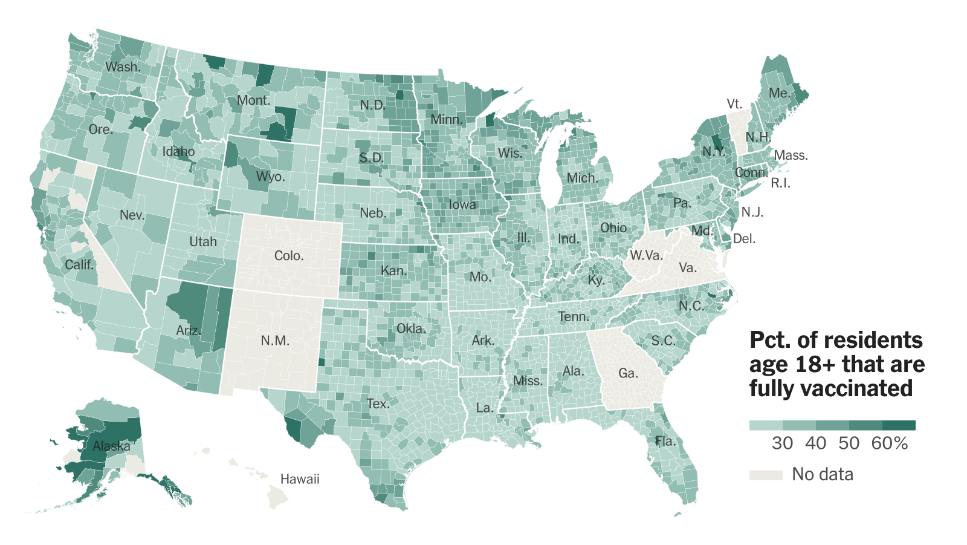
According to Figure 1, vaccination rates have been high, reaching 4.6 million doses in the US by the end of 2022. Despite a significant number of deaths in the first months of the pandemic, at the moment, mortality from COVID-19 remains at a fairly low level.
Risk Factors
Risk factors must be considered in the fight against COVID-19 and other diseases caused by coronaviruses. Comorbid chronic diseases are risk factors for most infectious diseases, including COVID-19. Cardiovascular disease, immunocompromised states, and diabetes have been cited as serious factors that can exacerbate the course of the disease (Lange & Nakamura, 2020). Chronic diseases are often associated with old age, so protection efforts around the world have been heavily targeted at this population.
Treatment
Treatment of COVID-19 has predominantly remained symptomatic. The mainstay of treatment worldwide is antiviral drugs and antibiotics. A ventilator compressor is used to assess the most acute conditions associated with significant lung damage.
Prevention
Prevention has taken priority over symptomatic treatment in the fight against COVID-19. The basis for preventing the spread of viruses is the education of the population about the importance of observing basic hygiene rules. During the pandemic, self-isolation measures, wearing masks, and maintaining social distance in public places have also become important (Lange & Nakamura, 2020). A breakthrough in preventing COVID-19 was the development of a vaccine that has significantly reduced morbidity and mortality. A detailed study of the lessons of the pandemic and the characteristics of coronaviruses will allow humanity to prepare for new challenges.
Conclusion
In conclusion, coronaviruses are causative agents of disease in humans and animals. Some diseases are highly lethal, while others are presented with common cold symptoms. SARS-CoV-2 is the causative agent of COVID-19, which provoked a worldwide pandemic. The experience of a pandemic caused by one of the types of coronaviruses has proved to the world the importance of preventive measures to combat a global threat. It has also demonstrated the importance of studying viruses, mutation possibilities, and potential control measures.
References
Hadi, J., Dunowska, M., Wu, S., & Brightwell, G. (2020). Control measures for SARS-CoV-2: A review on light-based inactivation of single-stranded RNA viruses. Pathogens, 9(9), 737-767. Web.
Lange, K. W., & Nakamura, Y. (2020). Lifestyle factors in the prevention of COVID-19. Global Health Journal, 4(4), 146-152. Web.
About 4.6 million people in the U.S. have gotten a COVID-19 vaccine. (2022). The New York Times. Web.
World Health Organization (WHO). (2023). WHO COVID-19 dashboard. COVID-19. Web.