
Company Description
Company Summary
The global demand for food products is increasing continuously as the population rises. Traditional farming methods are no longer reliable, and as such, it is necessary to embrace emerging technologies to increase crop production (Hussain & Sia, 2022). Saudi Farm-Tech has emerged as a company specializing in crop production utilizing advanced technologies. Specifically, it uses controlled-environment vertical farming to produce a high volume of crops on significantly smaller parcels of land. According to Khubrani (2020), the population of Saudi Arabia has increased considerably over the past three decades. The number of immigrants interested in tapping into the country’s opportunities in various industries is also on the rise. It has also remained one of the world’s leading tourist destinations. It means that the demand for food items will continue to grow.
The country faces a challenge due to its limited rainfall year-round. As such, farmers cannot rely on natural rainfall to facilitate crop production (Khalid, 2020). Saudi Farm-Tech is keen to address this market demand gap by leveraging emerging technologies. With a ready market locally and regionally, the company has been keen to ensure its food products are available at affordable prices. Controlled environment vertical farming offers this company the opportunity to significantly reduce its overall production costs, enabling it to set competitive prices for its products.
Company Ownership
Saudi Farm-Tech is a privately held company operating in the agricultural sector. The business is legally established, as the owners have completed all the necessary registrations required in Saudi Arabia. The firm was registered under the name of two investors who jointly control 100% of the company’s shares. Although the firm currently operates as a private entity, the owners may consider taking it public through an initial public offering, especially if it achieves the rapid growth that is intended. Currently, the owners are open to having investors who may want to acquire a percentage of the company’s shares at a specified fee.
Start-Up Plan
The company has already acquired a sizable parcel of land on the outskirts of Riyadh City from the savings of the two investors. One of the founders is an experienced agronomist who has been part of a research team focused on developing new technologies for producing food in arid and semi-arid lands (ASAL), particularly in the Middle East and North Africa (MENA) region. He understands the concept of controlled environment vertical farming and will be fully responsible for implementing the plan. The second investor is an experienced accountant who has worked in various companies across the country for nearly a decade. They bring their wealth of experience into the company with the sole focus of developing a successful agri-tech firm that uses modern technologies to produce crops.
The company’s management intends to purchase the necessary machinery and equipment to operate this agri-tech farm. Most of the materials and equipment needed are locally available in the country. However, some of the equipment will have to be imported from Europe and China. The management plans to hire a team of workers to handle various activities at the firm.
Company Locations and Facilities
The management has settled on a location on the outskirts of Riyadh City. The location was chosen partly due to the city’s rapidly growing population. The investors conducted a study that revealed the city’s significant reliance on imported food from other parts of the world. Rice is one of the major food items that the country imports from India, Pakistan, Thailand, and the United States. This company aims to reverse the trend and promote self-reliance in food production within the country. The location was also chosen because the city is the country’s financial capital. As the company grows, it will be easier to attract investors who can help it grow.
Introduction of the AgriTech Concept
The concept of agri-tech is rapidly gaining popularity worldwide. Kumar et al. (2022) define agricultural technology as the application of emerging technologies in agriculture, aquaculture, and horticulture to enhance efficiency, yield, and profitability. Emerging technologies are creating new ways of farming that are not only cost-effective but also require significantly land. It is also becoming possible to produce crops that were initially considered non-native to a specific region. Kwok et al. (2022) note that the use of technology also significantly reduces reliance on human capital, resulting in a substantial decrease in overall production costs.
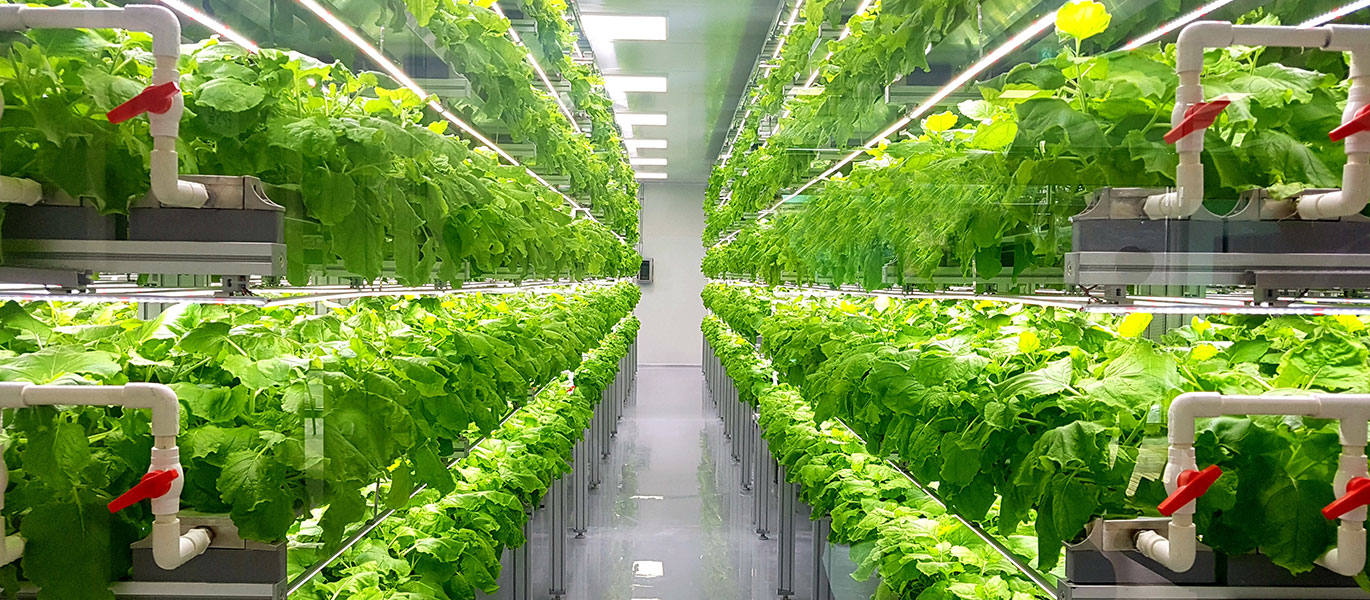
Controlled environment vertical agriculture (CEVA) is an emerging agricultural technology concept gaining popularity. In this concept, a farmer utilizes vertical space to facilitate crop production. The aim is to ensure that limited land is used to produce a high yield of crops. It is the solution to the increasing global population, as Gachuhi (2020) observes. As shown in Figure 1, this farming method does not rely on natural weather conditions to promote crop growth. As the name suggests, everything is controlled in this agricultural practice. As shown in the picture, the amount of sunlight that plants access is regulated. They are also regularly supplied with water, so drought does not affect them.
Motivation for Building the Business
The investors in this project were motivated to start the business because of the growing demand for food in the country. In 2000, the population of Saudi Arabia was estimated at 21 million. The number almost doubled 2 decades later, reaching an estimated 36 million people in 2020 (Khubrani, 2020). The number is expected to grow significantly in the coming years. The country’s tourism industry is also witnessing rapid growth. This means that the demand for food products will continue to increase consistently.
Technological advancements were another major motivation for starting this business. As technology advances, it has become increasingly important to avoid relying on traditional methods for crop growth. It makes sense to embrace this technology in Saudi Arabia because the region is classified as ASAL. Relying on rainfall to grow crops is not a sustainable approach. It is also not advisable for the country to continue relying on imports to meet its food needs.
The team plans to initiate a pilot AgriTech farm. The team decided to start with a pilot project for two reasons: to prove that the technology works well locally and to test the market. As Chernev (2019) explains, when introducing a new product in the market, it is advisable to test it first, before mass production. The intention is to avoid mass-producing a product that lacks market demand. The piloting stage will also highlight some of the unique challenges the investors had not anticipated when developing the project’s initial business plan.
Relevant Literature Review
Agricultural technology is a concept that has garnered the attention of scholars for several years. Controlled environment vertical farming is one of the most recent agricultural technologies gaining popularity (Goto et al., 2022). In this section of the report, it is necessary to review the relevant literature to understand what other scholars have found in this field. The literature review will help understand how this practice has been applied in other parts of the world, especially in Europe and North America.
Technology Used in CEVA Compared with Other Available Technologies
Controlled-environment vertical farming is gaining rapid popularity, particularly in major urban centers where demand for fresh, organic vegetables is significant. It performs considerably better than open fields and greenhouse farms. Figure 2 compares the three farming practices in terms of water use and lettuce yield per square meter. As shown in the figure below, open-field farming uses 250 liters of water per square meter, while greenhouse farming uses only 20 liters.
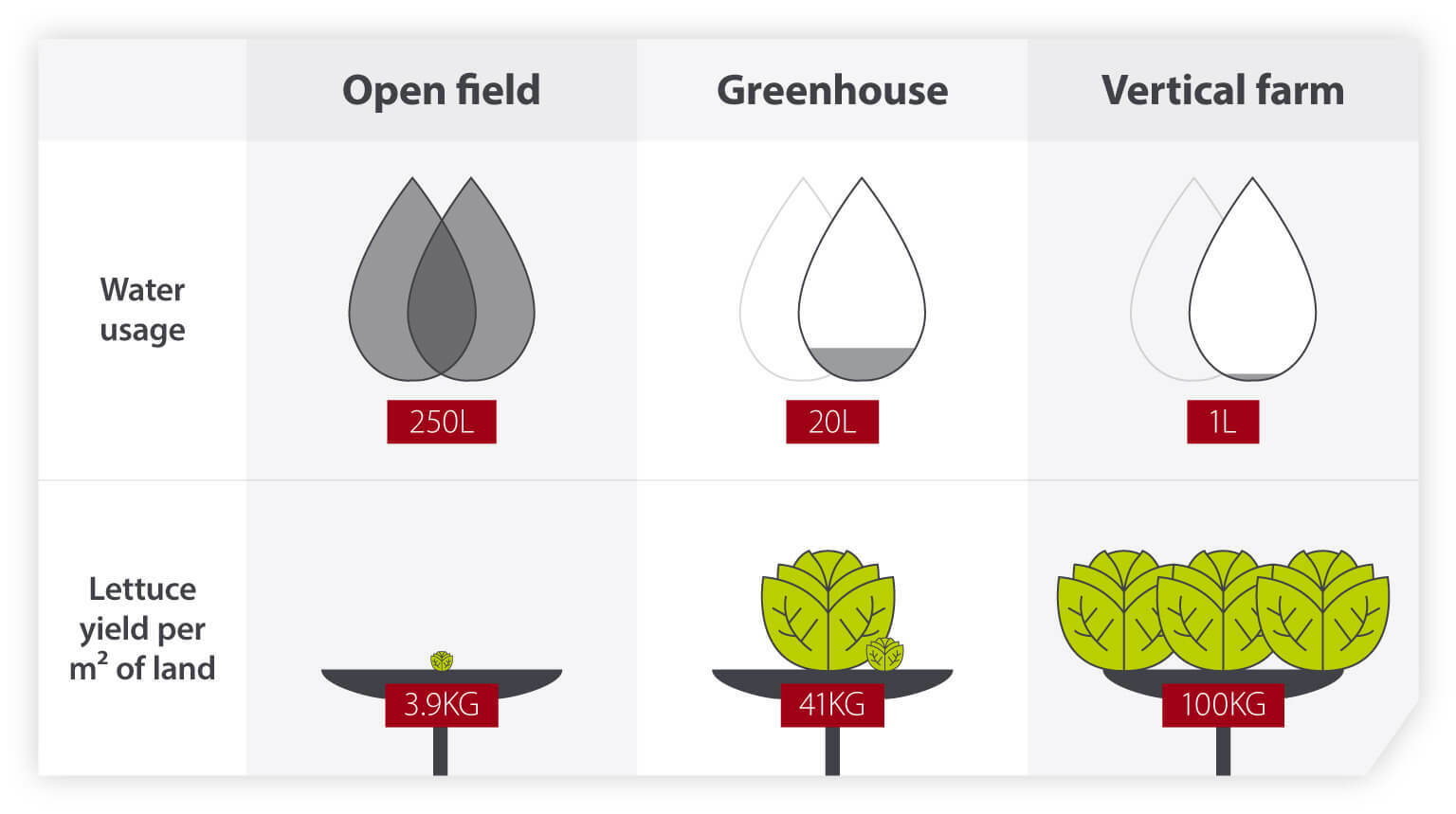
Vertical farming uses even less water, at 1 liter per the same amount of land. It means that open field uses 250 times more water than vertical farming. Although it is significantly economical, the water usage in greenhouse farming is still 20 times bigger than in vertical farming. It is apparent that, in terms of cost-effectiveness and water conservation, vertical farming is by far the most effective strategy. It is a farming practice that can be easily implemented in ASAL regions, such as Saudi Arabia.
Crop yield is often the most important factor when comparing different farming practices. Shamshiri (2021) explains that it is meaningless to have a cost-effective production method if the crop yield is poor. Once again, the figure below compares open field, greenhouse, and vertical farming in terms of yield. In a square meter of land, an open field produces 3.9 kilograms of lettuce. The greenhouse farm produces 41 kilograms of lettuce, while the vertical farm provides 100 kilograms of lettuce in the same amount of land.
It shows that greenhouse farming yields crops 10 times as much as those grown in open fields. Vertical farming, on the other hand, is the most effective, producing more than twice the crop yield of greenhouse farming. In this context, vertical farming requires the least water of the three but yields the best crops. It is the most effective and sustainable farming strategy when the two parameters are considered (Grending, 2019). It is a type of agriculture that can help Saudi Arabia achieve food self-sufficiency.
It was also necessary to compare controlled-environment vertical agriculture with other practices using other parameters. Table 1 below compares this technology with container hydroponics and greenhouse hydroponics. It is evident that, in terms of initial cost, container hydroponics is the most expensive of the alternatives at $600. Greenhouse hydroponics was considered the cheapest, at $35. In terms of growing capacity per square foot, CEVA performed better than the rest, followed by container hydroponics, and greenhouse hydroponics came last. In terms of production, CEVA registered the best performance, while greenhouse was the least.
The growth cycle for both CEVA and container hydroponics is 30 days, which is shorter than that of a greenhouse, which can take twice as long. Similarly, both container hydroponics and CEVA performed better than greenhouse cultivation in terms of water use, compared with traditional agriculture. In terms of pesticide and herbicide usage, CEVA is the best because it does not use them. In terms of product variety, CEVA can support over 200 crop varieties, unaffected by seasonality or regional differences. Greenhouse hydroponics is limited by season and zone and can only support crops permitted by local seasons. Container hydroponics performs worst in this category because it can support only 5 to 10 crops at a time.
Table 1: CEVA vs. Greenhouse Hydroponics vs. Container Hydroponics.
Global Outlook on the Importance of Agri-Tech
The global community faces a significant challenge in feeding its rapidly expanding population. According to Niu et al. (2019), Sub-Saharan Africa, the MENA region, and parts of Asia are experiencing rapid population growth. On the other hand, the climate is changing in ways that make food production using conventional methods difficult. Global warming has been attributed to the climate change observed in various parts of the world (Grending, 2019). Weather patterns are deteriorating, significantly impacting agriculture.
Prolonged droughts are becoming increasingly common in many parts of the world, including the MENA region. Water scarcity is becoming one of the greatest threats to modern agriculture. Sabry (2021) explains that some areas where drought was uncommon are now experiencing it. Many parts of the United States are becoming deserts, and this issue is common worldwide. When it rains, it causes massive flooding, destroying crops on the farm. Cases of sporadic wildfires in many countries are emerging as another major threat to the agricultural sector.
These threats to agriculture make it reasonable to seek alternative production methods. As the global population continues to grow, the demand for food increases, but the agricultural sector faces significant threats from global warming and climate change, which impact production. This implies that agri-tech is the only viable solution to this problem (Shamshiri, 2021). Farmers must abandon traditional crop production methods and adopt emerging technologies to meet global food demand. It is critical to embrace technologies such as CEVA because they promise a significant increase in productivity, eliminating the reliance on weather or crop seasonality.
Current State of Agriculture in Saudi Arabia
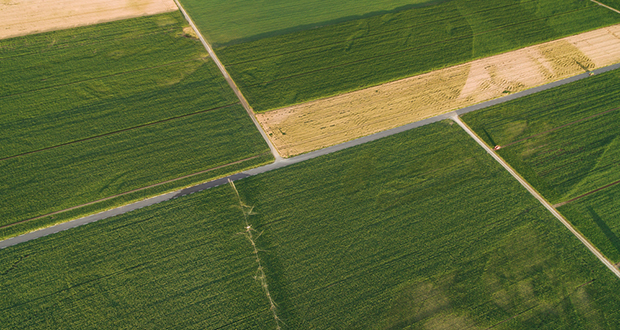
Agriculture in Saudi Arabia is evolving as the government continues to support the sector to reduce its reliance on food imports. According to Niu et al. (2019), the remarkable improvements in this sector are a result of various strategies. One strategy is the purchase of farmland abroad. Sabry (2021) notes that Saudi Arabia has been purchasing land in Arizona and other southern states in the United States primarily to facilitate the production of quality alfalfa hay. This animal feed requires a significant amount of water for production, and Saudi Arabia, being a desert, may not be well-suited for this crop. Once harvested and processed, the hay would then be transported back to the country. Figure 3 shows one such farm in Arizona during the harvesting stage.
The most significant opportunity for players in this industry is the strong demand for farm produce across local and regional markets. The population of Saudi Arabia and the broader MENA region is rapidly increasing. It means that these companies will have a ready market for their products. The government has been giving direct financial assistance to companies in the agricultural sector to help increase food production. There is a special interest in technology-based agriculture in the country. In some cases, these agricultural firms receive government tax incentives to reduce the overall cost of food production (Goto et al., 2022).
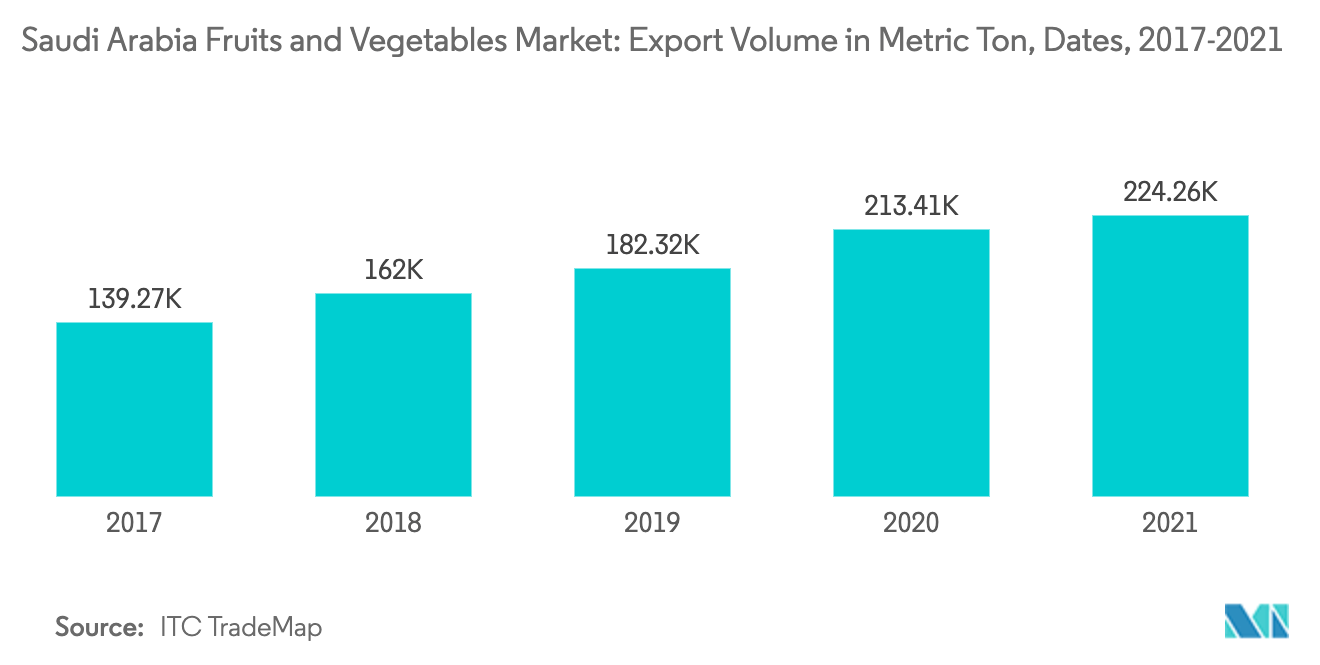
These initiatives have increased local food production. The country is transforming from an importer of food products to an exporter. Kwok et al. (2022) note that Saudi Arabia has become one of the leading exporters of vegetables and fruits in the MENA region. This has been made possible by the use of emerging technologies in agriculture. The statistics in Figure 4 show consistent growth in the volume of vegetable and fruit exports from Saudi Arabia to other countries in the region.
It is necessary to acknowledge that specific challenges exist that may impact the country’s agricultural sector. Water remains a scarce resource in this country, which is a key concern because the sector cannot survive without it (Gachuhi, 2020). This problem has compelled some large-scale farmers to import raw materials, such as alfalfa hay, from foreign countries. The problem is that small-scale farmers cannot afford to use such a strategy because of the substantial financial investment required. Kwok et al. (2022) explain that the country must rely on Western countries to understand complex agricultural technologies.
Potential Impact of Agritech on Saudi Arabian Agriculture
Saudi Arabia is considered an ASAL country due to its water scarcity. A significant portion of the land is also not conducive to crop production due to the extensive extraction, processing, and transportation of petroleum products, which negatively affect soil conditions (Gachuhi, 2020). The problem of climate change is likely to worsen the situation for players in this industry. As such, the country is not suitable for crop production using traditional farming methods. The conditions mentioned above make it almost impossible for farmers to have meaningful yields.
Agri-tech offers a unique solution to the challenges faced by this country’s agricultural sector. For instance, controlled environment vertical farming uses 250 times less water than conventional agriculture, as discussed above. It means that when this technology is used, the problem of water scarcity will be addressed. Soil conditions are also controlled, and yields are often significantly higher than in traditional farming (Kumar et al., 2022). The impact of agri-tech on Saudi Arabia has been felt through increased food production. The country can now afford to export fruits and vegetables to the regional market.
Approach to Building an Agri-Tech Project
Firms in this industry will require various approaches to building agri-tech projects. According to Chernev (2019), large corporations can afford to build such projects individually by hiring talent from around the world. They can also contract with local and foreign firms specializing in agricultural technology to lead and support these projects (Hussain & Sia, 2022). Such a strategy ensures the firm remains entirely in control of all activities on the project. It also benefits from the profits generated by such a project. However, it is a significant investment project that can only be utilized by financially stable companies.
The use of partnerships is another strategy, especially for small and medium-sized firms that lack the financial capacity to independently finance the project. The importance of using this strategy lies in the fact that firms involved share the financial burden of the project, with the promise of sharing the profits (Inge, 2022). The strategy also enables companies to share knowledge and address weaknesses that the other party may have. The strategy will enable them to stay informed about new technological advancements in the field. Employees will be regularly equipped with the knowledge necessary to undertake various tasks in this field. The partnership helps monitor revenue flow and identify areas that may need to be addressed to improve performance.
Product
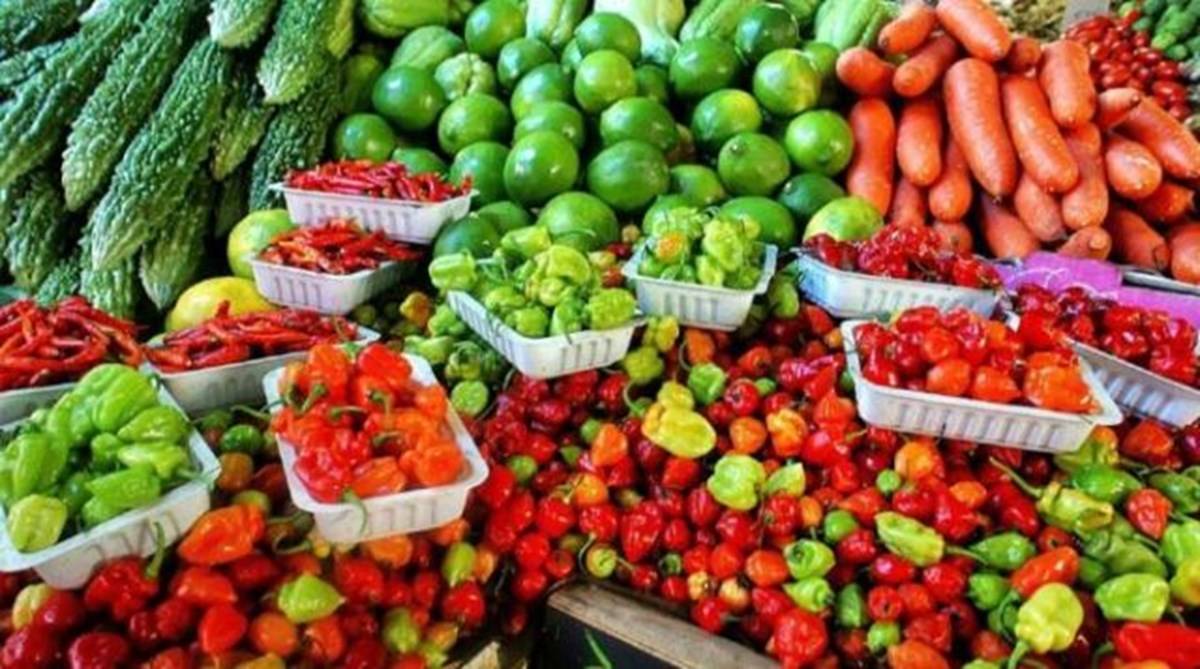
It is necessary to determine the product mix for Saudi Farm-Tech as it plans for the pilot production. The company will specialize in crops that thrive in controlled environments, such as those used in vertical farming. Figure 5 shows a section of the produce that this firm will produce. They include carrots, onions, chilies, grapes, tomatoes, potatoes, strawberries, eggplant, kale, and spinach. These crops were selected because they mature in a considerably short period. Their size and height are also suitable for controlled-environment vertical farming (Hussain & Sia, 2022).
Most of these crops are perishable, meaning they must be delivered to the market immediately as fresh produce. That will not be a noteworthy challenge, as it is close enough to Riyadh, a city with a population of over 6 million. The ready market ensures that fresh produce reaches customers promptly for consumption. The product portfolio for this firm can be further diversified in response to market demand and supply forces.
Competitive Comparison
The leaders of Saudi Farm-Tech should acknowledge that this market will always remain competitive. Some firms produce the same products locally, while others import them from different parts of the world. This firm will need to find a competitive edge over its rivals. To enhance competitiveness, it will be necessary to adopt the razor-and-blades model. Baden-Fuller and Haefliger (2013) define the razor-and-blades model as a strategy in which one item is deliberately sold at a significantly low price to increase sales of the complementary product. In the case of Saudi Farm-Tech, it may reduce tomato prices below the market average, but not so low as to break even.
The prices of the other products will remain unchanged or may be slightly adjusted upwards. Tomatoes are one of the most popular vegetables in the United States, and demand remains consistently high. By selling this product at such a low price, it will attract a significantly high number of customers to its stores. Customers will be convinced that all the products at this store are priced lower than the market average. They will buy the tomatoes along with complementary products such as onions, carrots, chilies, and cucumbers.
The sales volume of all the products the company sells is expected to increase significantly. Koda (2021) explains that increasing sales is a critical goal when selling perishable products such as fruits. It reduces storage costs and the costs associated with damage or disposal when they become unusable. It is in this company’s best interest to maintain a high stock turnover rate, even if the profit margin is small. The location of its farms close to the city gives it a competitive edge over rivals that must import these products from other countries (Ansari et al., 2022). Customers can be assured of receiving products that are fresh from the farm. Moreover, the operational costs, particularly transport and warehousing, will be lower for this firm than for its competitors.
When assessing the competitiveness of this company’s products, a SWOT analysis is essential. Table 3 identifies the strengths, weaknesses, opportunities, and threats for the company and its products in the market. One of the greatest strengths of this firm is that, as a new company, it is flexible enough to adjust to changes that may emerge in this market, as Chernev (2019) advises. It offers high-quality products that are superior to those of competitors in the market.
The short production period not only lowers operational expenses but also enables this firm to produce more crops within a year, thereby increasing its revenue. The control environment in vertical farming promises higher yields than in other forms of agriculture. It also enables the cultivation of a wide range of crops to meet customers’ diverse needs. The fact that these products are locally grown means they reach customers at their freshest. It also reduces carbon emissions during the transportation of produce to the market and lowers overall costs.
The table highlights fundamental challenges associated with this firm and its farming method. One weakness is that it is relatively new to the market, so it lacks experience. Ansari et al. (2022) warn that a firm lacking experience may make a fatal mistake that could force it out of the market. It is also noted that the company heavily relies on experts because of the uniqueness of the farming method. Some of these experts are migrants who may choose to return to their home country if they are offered a similar or better deal there. There is also the high initial cost of putting up the structures needed to make the controlled environment vertical farm operational.
The table identifies specific opportunities that may enable the company to achieve rapid market growth. The country’s growing population, particularly in Riyadh, presents a significant opportunity for this company. As the population grows, so does demand for the company’s products (Wong, 2021). The popularity of the company’s organic products is another advantage. As people become increasingly aware of the health consequences of the food they eat, they will purchase more products from this firm. Emerging technologies also promise to lower overall production costs in the controlled environment of vertical farming. The government of Saudi Arabia has also committed to supporting technology-based agriculture through grants and tax incentives (Alsheikh et al., 2022). This company will utilize the available capital and reduced taxation to price its products competitively in the market.
It is necessary to acknowledge that there are threats that the management of Saudi Farm-Tech will need to learn how to manage. One of the greatest threats is local competition from farmers who use the same technology. Just like Farm-Tech, they enjoy all the benefits that the local market has to offer. Then there is the challenge posed by foreign companies operating locally. They produce food cheaply in countries with advanced technologies, hence they can afford to charge low prices.
Chernev (2019) warns that initiating a price war with an established company can be detrimental to a new firm. It means that Saudi Farm-Tech will have to find alternative ways to remain competitive. Currently, government policies support the industry’s growth. However, management acknowledges that this can change, and any punitive policy by the government, such as increased taxation or restrictions on specific farming practices, may affect the firm. Changing customers’ tastes and preferences is another key concern that may significantly impact the rapid growth of this new company.
Table 2: SWOT Analysis
Sales Literature
The company will need a clear sales plan to ensure that its products reach consumers at the right time and in the right place. As mentioned earlier, fresh farm produce is highly perishable, meaning it must reach consumers as quickly as possible (Haiba et al., 2021). The suggested plan is to rely on large grocery stores in Riyadh. The Producer-Retailer-Consumer strategy is often appropriate when a firm cannot sell its produce directly to the consumers (Gachuhi, 2020). In this case, the company will eliminate all other intermediaries that would inflate costs and delay product delivery to customers.
Sourcing and Fulfillment
All the products Saudi Farm-Tech will sell in the local market are locally produced. However, producing these items will require sourcing from local and international companies. There is a need to source the structural components for vertical farming. These structures will be fabricated locally, as there are companies specialized in such projects.
The project to erect the structure will be fully subcontracted to the selected local fabricator. Lichtfouse and Naushad (2019) caution that selecting inappropriate seeds for vertical farming in a controlled environment may prove costly. The company will source the seeds from a local Agrovet. It will also purchase fertilizer from these facilities to ensure the crops receive the best growing conditions.
Technology
The company will embrace emerging technologies to produce food crops in a region traditionally considered agriculturally unproductive. One of the technologies that will be used is a soil and water sensor. This technology helps assess soil quality to determine its suitability for specific crops (Howson, 2019). It also helps regulate soil moisture, ensuring it remains at an optimal level. Smart irrigation is crucial in vertical farming, especially in this region, where water is scarce.
Pervasive automation is another farming technology that will be critical in this firm. This technology will be essential in ensuring that most tasks are performed by machines, thereby helping to reduce production costs, limit occupational health risks, and enhance performance (Haiba et al., 2021). This company will also utilize precision agriculture as one of its key technologies. This strategy leverages data from diverse sources to reduce costs and enhance crop yields (Lichtfouse & Naushad, 2019). The application of these emerging farming technologies is meant to enhance this firm’s competitiveness in the market.
Future Products and Services
The company will consider expanding its product portfolio in the future to capitalize on the growing local and regional market. One area of consideration is the avocado, which is gaining popularity in local and regional markets. The available space at the current location is insufficient, as this crop cannot be produced in a vertical farm (Howson, 2019).
However, if an alternative land is acquired, it will be a top consideration given the growing demand. Dairy farming is another area that will be given priority due to local demand. Utilizing smart technologies, the company will focus on producing hay at a relatively low cost and with significantly reduced space requirements. Currently, the country must import some dairy products, indicating a market gap.
Agri-Tech Market Analysis
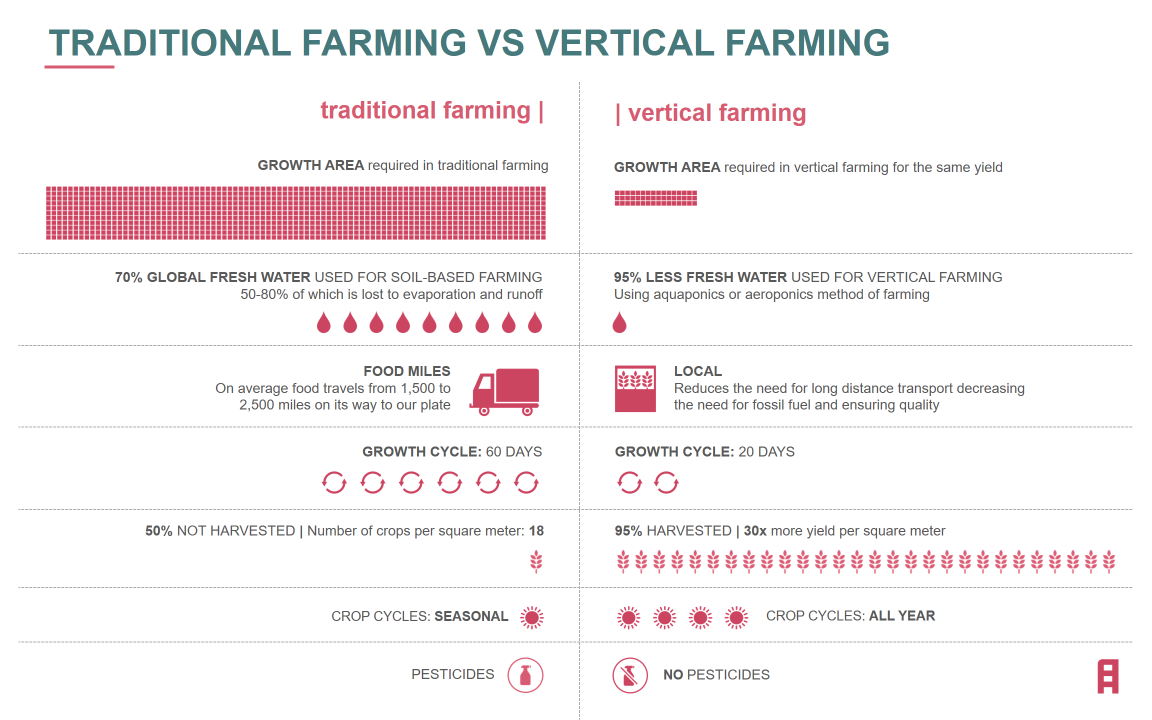
Controlled environment vertical farming is emerging as the most effective method for growing crops in today’s environment, where rainfall is unpredictable and soil quality is compromised. This form of farming is significantly different from traditional agriculture. Table 3 compares traditional farming with vertical farming across various parameters. While traditional farming requires a large parcel of land, vertical farming can produce the exact yield on a much smaller area. In traditional farming, substantial water is required to sustain crop production.
Most of the water is often lost through evaporation and runoffs. On the other hand, vertical farming uses 95% less water than traditional farming, and hydroponics helps prevent water loss through evaporation (Haiba et al., 2021). At this farm, the product will not require miles of transportation, as it will be consumed locally. It means this strategy is environmentally friendlier than traditional farming practices, where the product has to be transported several miles to the market.
The growth cycle for vegetables in vertical farming is 20 days, whereas it is three times longer in traditional farming, at 60 days. It means that a farmer who uses CEVA can produce more crops without expanding the land used for agriculture. It is also estimated that up to 50% of crops in traditional farming are not harvested due to damage and destruction from natural factors, including pests and other animals (Kim et al., 2020).
On the other hand, more than 95% of crops in vertical farming are harvested because the environment is controlled. In traditional farming, the crop cycle is seasonal and depends on the climate. On the other hand, vertical farming can be done year-round because conditions are controlled. The table also indicates that vertical farming does not require pesticides, unlike traditional farming methods. It is apparent that on all the parameters used in this comparative analysis, vertical farming is superior to traditional farming.
Market Segmentation
Market segmentation is crucial for a new company like this, as it seeks to offer unique products to its customers. Segmentation helps a firm to classify customers based on their unique needs (Wong, 2021). It becomes easier to focus on a specific market segment and offer products that meet their needs in the best possible way. Mankad (2019) warns that when a firm targets the general market, it may fail to meet the specific needs of some of its important customers. For Saudi Tech-Farm, the targeted customers will be pro-organic food consumers. These individuals oppose genetically modified crops (GMOs) due to concerns about potential unknown health consequences.
In this type of agriculture, there is no need to use genetically modified crops because the environment is controlled. The vertical space also enables the cultivation of a large number of crops in a small parcel of land (Kim et al., 2020). Customers who purchase organic products tend to be from affluent populations. They do not mind paying a premium price as long as they are assured that the product meets their expectation.
Kingsnorth (2019) warns that when selecting a market segment, care should be taken to ensure it is large enough to sustain the firm’s operations. The population of such customers is growing in Riyadh City as the economy continues to improve. These customers tend to be sensitive about what they eat and may demand an explanation about how the crop is grown, ensuring it is organic and free from many chemicals. The farm’s location next to the city allows it to invite its major retailers to visit the facility and see how the crops are grown.
Target Market Segment Strategy
Once the market segment has been identified, the next step is to develop an effective strategy to attract the target market. Chernev (2019) explains that once the segment is selected, a firm should ensure that its specific needs are understood. Saudi Tech-Farm will target affluent consumers in Riyadh. One of the unique characteristics of these consumers is that they tend to be demanding about the quality of the products made available to them. They value quality over product pricing. It means the company will have to ensure its farm produce is of the highest quality and meets the expectations of these customers. The conditions for growing these crops should be ideal to ensure they grow to the correct size and have the desired color. Affluent consumers are susceptible to the presence of specific chemicals in their food products. The fact that CEVA does not use pesticides means that this company can offer them the exact quality of products they need.
Time is another factor to consider when serving these consumers with farm produce. They prefer their fruits and vegetables to be as fresh as possible. In this case, the company will ensure that products are harvested on a need basis. Instead of conducting a mass harvest and selling large quantities of products to the market, this company will work closely with its retailers before harvesting.
The harvested produce will be taken directly from the farm to the shelves at the retailers’ shops. The goal is to ensure that the products are as fresh as possible when they reach final consumers. These consumers also prefer being informed about how their food products are grown, especially if any chemicals are used in the process. The company will offer that information on its website.
Market Needs
Understanding the needs of a segmented market is critical for a firm operating in a competitive environment. Mankad (2019) explains that different customers have different needs based on their social class. This can be explained using Maslow’s hierarchy of needs, as shown in Figure 6. As shown in the figure below, at the very bottom of the pyramid are the basic physiological needs of food, water, and warmth. Individuals at this level of the pyramid are among the poorest members of society.
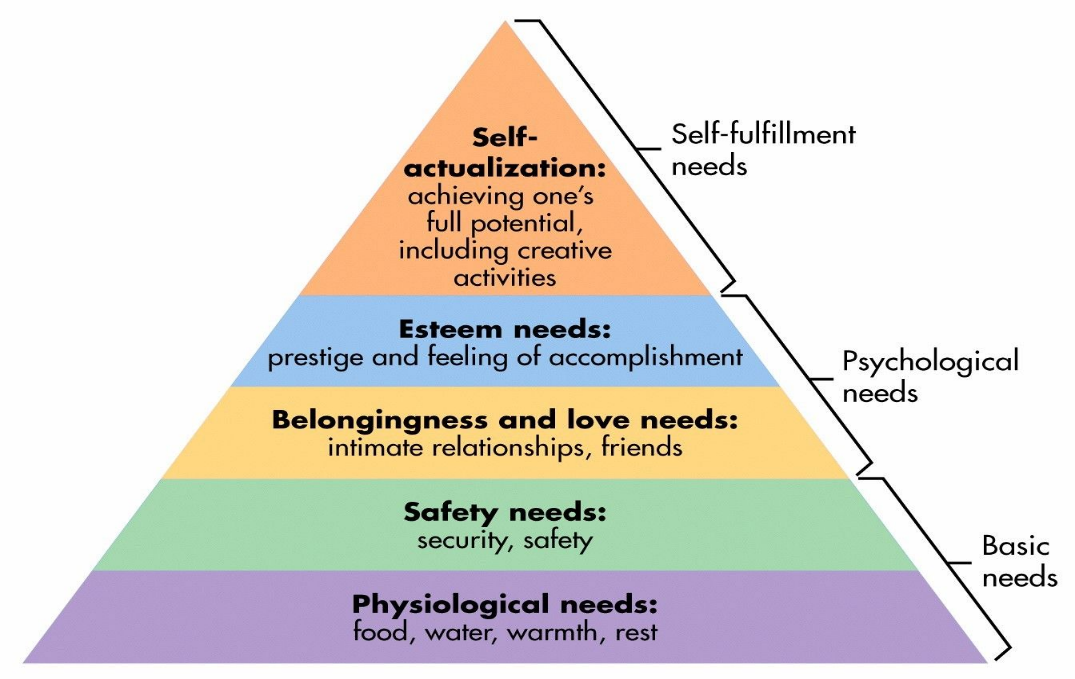
They are not interested in purchasing luxury products because they are struggling to make ends meet (Kim et al., 2020). They are only interested in food and a place to sleep. Regarding the products this company offers, customers prioritize quantity and low price over quality. Most of these customers are migrant workers from Asia and parts of Africa working in Riyadh. Saudi Farm-Tech will not target these clients because of their considerably small population in the city.
The second category is consumers with basic safety needs. Once the psychological needs are met, individuals will focus on meeting their safety and security needs (Wong, 2021). These individuals are not demanding in terms of the quality that they require. Just like the group below them, they are conscious of the prices of the products they purchase and value quantity over quality.
However, they always want assurance that the product they are purchasing is safe for consumption. When these customers purchase fruits and vegetables, price, quantity, and safety are among the critical factors they consider (Haiba et al., 2021). In Saudi Arabia, the majority of these customers are middle-class migrant workers from developing countries. The fact that these customers value quantity over quality means that this company does not consider them as an attractive segment of the market.
The next category is individuals with psychological needs, as shown in the figure below. These are individuals with love and belongingness needs (Dawes, 2021). They want to feel appreciated by the people that they interact with in various settings. Although they are not highly demanding in terms of product quality, they value a positive perception of the company. In many cases, they often return to a store where they were handled with respect and love.
Mankad (2019) argues that these customers may be willing to slightly compromise on the quality of the product that they purchase if they are guaranteed respect and love at a given store. It means that if they are offered an average-quality product and excellent customer service, they can easily become loyal customers. They are predominantly the larger local population in this city. These individuals will form part of the customers that this company will target.
The next category is individuals with esteem needs. These individuals experience a sense of accomplishment and prestige (Rajagopal, 2019). They feel that they have achieved considerable success in society and therefore deserve some level of respect from those with whom they interact regularly. These consumers are not price-sensitive when purchasing an item because they believe they belong to a particular social class. However, they do not compromise on product quality or delivery. On the one hand, they are interested in high-quality products (Wong, 2021).
At the same time, they cannot tolerate a lack of respect when the product is being delivered to them. They believe they deserve the best due to their perceived social status. To compensate for the high demands they face, these customers are often willing to pay a premium price for the products they purchase. The majority of them are the local Saudis living in this city. This category will be the company’s most preferred customer group. They will value the high-quality products this company offers. They will also be willing to pay a high price to match the quality of the products.
At the apex of the pyramid are those with self-fulfillment needs. They are those who have self-actualized, believing they have achieved their full potential in life, which includes engaging in creative activities (Mankad, 2019). They include top politicians and chief executive officers, as well as those who have retired from these senior governance positions. They have the financial capacity to purchase the products they need, mostly from anywhere in the world. Saudi Farm-Tech will not be interested in these consumers for several reasons.
First, their population is too small to sustain the company’s operations. Secondly, some of them have been out of the country for some time and regularly import certain food items from other countries through private deliveries. Thirdly, most of these customers do not go shopping themselves. It means that even if a promotional message is directed to them, they do not have the final say on the shop where the product is purchased, as long as they have defined the quality they prefer. Some of these customers’ demands are so unique that it is almost impossible to meet them.
Market Trends
It is necessary to understand the market trends in agri-tech. The use of technology to increase crop yields has been a popular trend worldwide. Haiba et al. (2021) explain that, at one time, the use of fertilizer was considered a major technological breakthrough in agriculture. Genetically modified organisms (GMOs) have emerged as another significant technological innovation poised to revolutionize the agricultural sector.
Howson (2019) argues that GMOs have not received widespread acceptance among the general public, unlike other inventions, such as irrigation systems and fertilizers. There is a segment of society that believes GMOs offer a solution to the global food problem, particularly at a time when the population is increasing, while natural forces that support agriculture are deteriorating. Lichtfouse and Naushad (2019) note that people are dying of hunger in parts of Africa because of the use of unsustainable agricultural practices. GMOs offer a solution to this problem as they do not rely on natural factors such as regular rainfall.
On the other hand, a section criticizes GMOs as an undesirable practice with unknown health consequences for humans. Although the effects are not yet apparent, they fear that the continued use of these products may have a devastating impact on current and future generations. Currently, controlled-environment vertical farming is rapidly gaining popularity, and in many countries around the world, food grown this way is considered organic (Alsheikh et al., 2022). However, this trend may change, meaning these crops may no longer be considered organic in the same way they are now. In such an event, the management of Saudi Farm-Tech may be forced to redefine its operations to ensure its products remain acceptable.
Market Growth
The market is rapidly growing across Saudi Arabia and the entire MENA region. According to Howson (2019), the Middle East and North Africa region has one of the fastest-growing economies in the world. The region’s population is expected to grow steadily over the coming decades. Riyadh city is one of the regional urban centers that has experienced rapid population growth. As the population continues to grow, so does the market size and demand for the products this company offers.
Since the products that the company offers are considered healthy by the current market, the demand is expected to grow. The management of this company needs to ensure that it monitors market trends. A change in the perception of the quality of the products offered by this firm may have a drastic impact on the market size. As such, it should strive not only to influence the general public’s perception but also to ensure that it changes as technology continues to transform the industry.
Industry Analysis
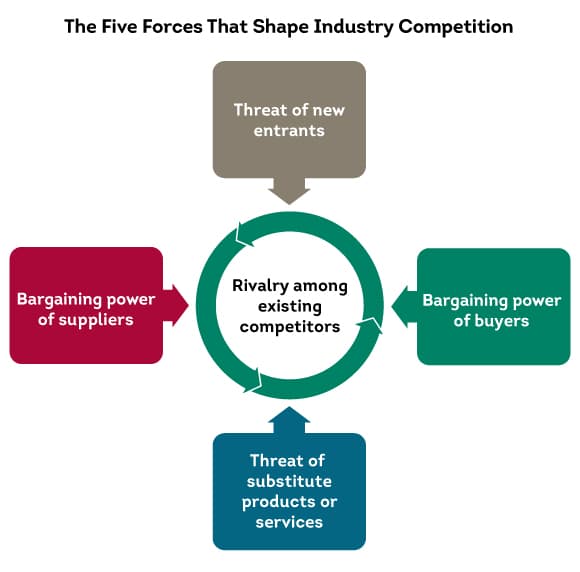
It is essential to analyze this industry to understand the specific forces that Saudi Farm-Tech will encounter as it begins its operations. Mankad (2019) suggests using Porter’s Five Forces model to critically assess the market. This model identifies the intensity of various threats that a firm has to manage in the market. The competitive rivalry among the existing companies in a given industry is at the core of this analysis (Dawes, 2021). When numerous companies are struggling for a small market share, competition will be significantly higher.
It is necessary to acknowledge that the current market rivalry among companies is intense. In such a highly competitive business environment, it becomes necessary for Saudi Farm-Tech to be innovative in its operations. It must find ways to make its products appear superior to those of its competitors. It should also improve its customer service to attract and retain loyal customers (Wong, 2021). However, it should avoid a pricing strategy, especially lowering the price of its produce below the market rate, because it may trigger price wars that may have devastating consequences.
The threat of new entrants into the market is another factor that the management of this company must consider. Koda (2021) notes that factors such as government regulations and market attractiveness often determine the ease with which new businesses can penetrate the market. The Saudi market remains attractive for companies selling food products due to its large population and high purchasing power. The city of Riyadh is particularly attractive because it is the country’s financial and industrial hub. It means that despite the current stiff competition in the market, the competition may become even stiffer. It reaffirms the need for the management of this company to remain creative, thereby constantly staying ahead of the competition.
The bargaining power of buyers is another factor that management at Saudi Farm-Tech must consider. As explained in the segmentation section above, the products of this company will primarily target the country’s middle class. These customers tend to be willing to pay a fair price for a high-quality product that is delivered to them (Rajagopal, 2019). It means that they are likely to negotiate for a better quality product instead of a lower price. The company can address this by ensuring a steady supply of high-quality fruits and vegetables. Customers will be willing to pay a higher price if they are assured that the quality they desire is met.
The bargaining power of suppliers can impact a firm’s market profitability. Mankad (2019) states that when a supplier has high bargaining power, they can dictate the price and other terms of sale that favor them. Saudi Farm-Tech relies on local agrovet suppliers for products such as seeds and fertilizers. Some of the farm inputs and machines are imported from Europe, Japan, and China. However, the bargaining power of these suppliers is low due to their large number. There are numerous companies selling farm inputs that Saudi Tech-Farm needs to support its operations. As such, the bargaining power of the suppliers is not a threat to the company.
The last factor is the threat of substitute products in the market. If there are better alternatives to what a company offers in the market, then there is a challenge that consumers will opt for the alternative (Inge, 2022). For this company, the substitute product that offers the biggest threat is genetically modified food items. GMO fruits and vegetables often appear healthier and more appealing than their organic counterparts. Consumers can easily be convinced that they are the best alternative to what this company sells.
Fortunately, Ansari et al. (2022) explain that Saudi Arabia, along with other Gulf States, has banned the importation of genetically modified foods. They have also banned any developments in GMO technology within their borders. It means that GMO fruits and vegetables, which would have posed an immense threat to this company’s products, cannot be sold in the local market. It eliminates the biggest threat of an alternative product.
Industry Participants
The management of Saudi Farm-Tech should recognize that other companies are also utilizing controlled environment vertical farming technology in the country. These are direct competitors that enjoy all the opportunities accessible to Saudi Smart-Tech. They have the advantage of having industry experience, which enables them to overcome the challenges that may arise. The largest participant in this industry is Bather Smart Farm, which is strategically located near the city of Riyadh, similar to Saudi Farm-Tech. It is currently the company’s biggest competitor. Another major industry participant is Pure Harvest Smart Farms. This company is a significant entity, operating at the regional level with branches in the United Arab Emirates.
Distribution Patterns
Saudi Farm-Tech will need an effective distribution strategy to guarantee that its products appear on the market on time and in good condition. The company has not purchased its trucks to facilitate the delivery of its produce from the farm to the market. Instead, it allows its corporate clients to purchase fresh produce directly from the firm. In some cases, it has contracted the services of specialized truckers to deliver the product to various supermarkets in the city of Riyadh. Given the high volume of products expected from this firm, it would not be advisable to sell directly to consumers. Doing so will negatively affect retailers targeting the same customers and still allow them to make a profit in the process.
Buying Patterns
The management of this company had done market research to understand the buying patterns of customers in this industry. It emerged that most consumers in Riyadh purchase their groceries from large grocery stores across the nation. They assume that their supermarkets often conduct due diligence before allowing any product to be on their shelves. As such, they trust the quality of these products more than they do when purchasing groceries directly from farmers (Howson, 2019). There is a perception that groceries must adhere to strict quality control standards, as opposed to farmers selling directly to consumers. This buying trend suggests that Saudi Farm-Tech should prioritize developing long-term business relationships with the leading grocery stores in this city. It should rely on these facilities to ensure that its products reach its customers.
Main Competitors
The company’s management should also monitor the trends and strategies of its main competitors in the local market. The current market leader in this industry is Bather Smart Farm, which is located near the city of Riyadh, similar to this company. It is an established company with reliable distribution channels and loyal clients (Haiba et al., 2021). Another major competitor in the local market is Pure Harvest Smart Farms. It operates in both local and regional markets, with a particular focus on the UAE.
Strategy and Implementation
Saudi Tech-Farm will need to use a unique strategy to gain a competitive edge over the existing rivals in this market. The management has set aside $605,000 for capital expenditure and approximately $200,000 for operational expenditure. The head of the marketing department is responsible for developing the right marketing strategy that enables the company to achieve its goals.
As Sahu (2019) advises, a new firm entering the market should avoid using pricing as a competitive strategy to gain an advantage over its rivals. Such a strategy may attract a similar response from rivals that have been in the market for some time, and the competition may be detrimental to all the players, especially the new firm.
Strategy Pyramid
A strategy pyramid is often used to define a firm’s vision, mission, and strategies, as well as how these strategies are ultimately broken down into specific action plans or tactics. Figure 8 shows the strategy pyramid that will guide strategy development and implementation at Saudi Farm-Tech. At the very top of the pyramid is the vision that a company has (Inge, 2022). At Saudi Farm-Tech, the vision is to become the leading producer of top-quality fresh fruits and vegetables in Saudi Arabia.
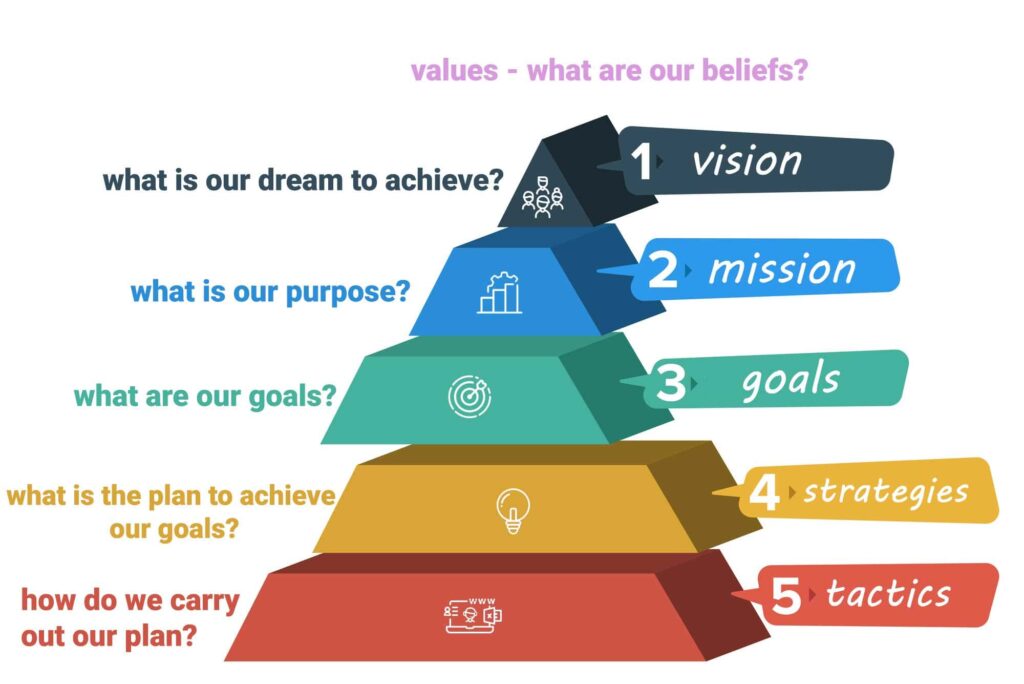
The company is committed to becoming the leading supplier of fresh farm produce, meeting the increasing demand of the local population in Riyadh and the country as a whole. The company’s mission is to utilize controlled environmental vertical farming to provide high-quality, organic foods that meet the local market’s demand. The company will utilize emerging technologies in the agricultural sector to achieve its intended goal. The following are the goals that the company seeks to achieve once it starts its operations in the market:
- To use emerging technologies in the field of agriculture to produce quality fruits and vegetables that meet the demand of customers.
- To maintain the cost of production as low as possible and to use CEVA to maximize the output using a limited amount of land.
- To develop a pool of loyal and satisfied customers through continuous delivery of top-quality products at the right time.
The strategy the company will employ in the market is the formation of a strategic alliance with existing major grocery stores in the city of Riyadh and its surrounding areas. According to Howson (2019), customers may not be interested in determining the farm that produced the fruits and vegetables available in retail outlets. The trust that the retailers did the due diligence and only stocked products that are safe and of the right quality. It means that the retailers are the most important part of the trading system in this industry. It may not be easy to convince them to prioritize products from Saudi Farm-Tech. However, developing a strategic alliance would involve creating a plan that benefits both parties involved.
Breaking down the strategy into specific tactics is critical to ensuring that the process is a success. At the start of the planting season, the company should have a strategy in place, as some of these products mature quickly and are highly perishable. The marketing team should identify specific retail stores in the country that can help sell the product. A proposal should be presented to them, explaining what the company offers and the superiority of the products.
The proposal should outline the specific benefits that the company stands to gain by accepting the strategic alliance (Wong, 2021). It is expected that the retailer may make a counteroffer. The marketing team of Saudi Farm-Tech should consider it and then reach a compromise that is beneficial to both parties. The marketing manager should involve the production manager and the finance manager when making such compromises. The goal is to ensure that the revenue generated can cover all expenses and provide the firm with a reasonable profit.
Growth Plan and Funding the Project
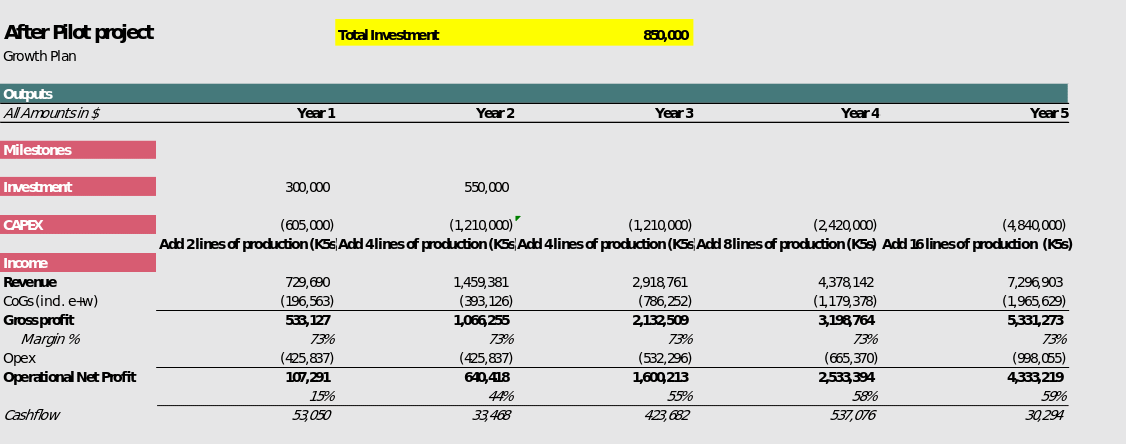
Following the pilot project, the company will require a clear growth plan to achieve its intended goal. Koda (2021) explains that a firm can choose to adopt a slow-growth, moderate-growth, or aggressive-growth plan. The chosen strategy depends on numerous factors, including the availability of funds, the availability of additional land, the availability of skilled employees, and the market’s reception. The company has adopted a moderate growth strategy, taking into account its investment needs and the scalability of its operations. Moderate growth will enable this company to gain insight into the market and its dynamics, with a focus on understanding the specific needs of customers and developing effective strategies to meet them.
The general manager, working closely with the finance director, should have a plan in place to fund the project. Table 4 presents the investment required for the project and outlines its funding sources. It is evident that within 5 years, the company expects to invest about $850,000 in this project. There will be a gradual increase in the amount invested each year. The company will invest $300,000 in the first year and $550,000 in the second.
It is expected that projects in subsequent years will be funded by the revenues generated from the company’s operations. The company will avoid incurring debt funding within that period. The advantage of avoiding debt is that the burden of paying the debt will not slow the company down. It will also not need to meet the strict requirements that are often required when seeking debt capital. The main disadvantage is that the firm will rely entirely on its owners to fund all projects.
Value Proposition
The mission and vision of Saudi Farm-Tech, as explained above, define this company’s value proposition. As indicated above, the company emphasizes the quality of the products it offers in the market over pricing. Instead of focusing on discounted products for its customers, it emphasizes the unique value that its products offer. Sahu (2019) advises that when developing a value proposition, a firm should prioritize its strengths in its message to current and potential customers.
One of the main strengths of Saudi Farm-Tech is its ability to produce high-quality fresh fruits and vegetables within a remarkably short period. As such, the emphasis has to be placed on the unique quality of these farm products. The fact that the farm is located close to the city helps reaffirm the message that the products are fresh and do not require preservatives, as is often the case with imported products.
Competitive Edge
Achieving a competitive edge over rival firms is a common goal for every company in the market. However, Koda (2021) explains that achieving a competitive edge may not be as easy as one may think. A company must identify areas where it can consistently demonstrate excellence above all other firms in the market. One of the factors that will give this company a competitive edge is its strategic location in the market. The farm is close enough to the city of Riyadh, which means that once the fruits and vegetables are harvested, they will reach the market within the shortest time possible, and they will still be fresh. In its promotional campaigns, the company can emphasize the freshness of its products to customers.
The global community is becoming increasingly concerned about global warming and climate change, which are caused by pollution. As such, many environmentally conscious customers prefer purchasing products from local firms as a way of reducing the carbon footprint associated with the transportation of goods (Howson, 2019). Reminding such customers that Saudi Farm-Tech products are produced close to the market will give it a competitive edge. As a new company just starting its operations in this market, it is easy to adjust to the prevailing market forces. The ability to adjust its operations and products gives it a competitive edge over established rivals in the market.
Marketing Strategy
The sales and marketing department of this company will need to offer effective strategies for acquiring and keeping a loyal customer base. As Kingsnorth (2019) observes, a firm should not only have effective ways of communicating with customers but also appropriate means of ensuring that its products reach the market. It should also develop proper pricing methods for its products. In this section, it is necessary to discuss the positioning statement, pricing strategy, promotional strategy, distribution patterns, and marketing programs that will ensure that customers value the company’s brand and its products.
Positioning Statements
The management of this company must develop a positioning statement that succinctly describes the product and its distinctiveness within the targeted market segment. Sahu (2019) explains that when developing a statement, a firm should ensure it conveys a strong message about the product and why the target consumers should choose it over other brands in the market. The company should avoid making promises it cannot keep, as this may lead to customer dissatisfaction. The following is the positioning statement that will be used to promote the products of this company:
For health-conscious customers seeking organic food products, Saudi Farm-Tech is a technology-based agricultural company that offers fresh, locally grown organic fruits and vegetables close to its consumers.
Pricing Strategy
The pricing strategy is critical, as it defines customers’ perception and selects a segment that is likely to purchase the product. According to Sahu (2019), when a product is highly priced above the average market price, it creates the perception that it is of high value. As such, it will attract high-end consumers in the specific market. The problem with setting a high price is that a significant portion of consumers will be excluded, as the price may be beyond their reach. On the other hand, setting a low price that is below the market average creates the perception that the product’s quality is compromised.
It creates the belief that the item is of low standard and was produced cheaply to justify the low price. Such a product may be affordable to the vast majority of consumers (Inge, 2022). However, they may not be popular due to customer perception. As such, the management of Saudi Farm-Tech must understand that the strategy used to price the products will influence consumer perception. Koda (2021) advises that the price of the product should be set with the targeted market segment in mind. In this case, the firm should price its products just slightly above the market price. As mentioned earlier, the firm will target the middle class and the affluent in the market. As such, the price should give the impression that the product is of high quality.
Promotion Strategy
Saudi Farm-Tech is a new company with an obscure brand name in the market. It will need to find ways to promote the brand and its products in the target market. Kingsnorth (2019) suggests that a firm must consider using both mass and digital media platforms to promote its brand and products. Mass media tend to reach older people and those who either avoid social media or do not trust the content available on these sites. For mass media, television commercials are the most effective option. Using television commercials, the firm can showcase the high quality of its products to its target clients, highlighting their superiority over those available in the market. They can also have the opportunity to showcase the brand’s image, colors, and name to the market.
The company should also consider investing in social media platforms for promotional purposes. YouTube, Facebook, and Instagram are among the best platforms for promoting the brand. The television commercial used in mass media can also be utilized on YouTube, Facebook, and Instagram. The firm can also develop customer-specific messages on these platforms. For instance, Facebook’s analytical tool enables a firm to understand the age, social status, and preferences of specific customers. A promotional message can be developed to specifically target these customers.
Distribution Patterns
The firm will also need to develop a distribution plan to ensure that its products get to the market in time. Inge (2022) explains that having a business plan that defines how the products reach intended customers is critical. The company will primarily sell its produce to wholesalers and large retailers, including supermarkets and other retail outlets. It also has a plan to sell to other large organizational buyers. Leading restaurants and catering companies can purchase the products directly from the farm if they are willing and capable of buying a specific minimum amount, as determined by the marketing unit. The firm will avoid selling to individual buyers because it will affect the ability of the large retailers to sell to these customers.
Marketing Programs
The sales and marketing team will need effective marketing programs that allow them not only to get in contact with the target audience but also to convince them of the quality of the products the company offers. One of the marketing programs that will be used is a brand awareness campaign. The goal of this program is to create awareness about the firm’s brand (Tiwari, 2020). Using both mass and social media platforms, the company will disseminate information about the existence of this firm and the products it offers to the market.
A search engine marketing campaign is another program that the firm should use. When using this program, the company will be targeting online clients. When these customers search for words relevant to the company’s products, such as fresh fruits, fresh vegetables, or organic food, they should be directed to the company’s website. The company will also utilize public relations campaigns, particularly when necessary, to address issues of public interest.
Sales Strategy
Saudi Farm-Tech is operating in a highly competitive industry. The products the company sells are perishable, meaning that once harvested, they must be made available to customers in the shortest time possible (Howson, 2019). It can be costly for this firm to be stuck with fresh farm produce for more than 2 days. As such, it is in the firm’s interest to maintain a high stock turnover rate. It will be beneficial for the company to have a slightly lower profit margin than initially desired if it facilitates the faster movement of goods. Although this will not be a price-based strategy, it will enable the firm to sell its products as soon as they are harvested. It will also ensure that costs related to warehousing are eliminated or significantly reduced.
Sales Forecast
The company’s management has decided to maintain a moderate rate of growth as it assesses the market’s reception and capabilities. As shown in Table 5, the company will be adding varying lines of production each year. By the end of the first year, it will add 2 lines of production. In the second and third years, it will add 4 lines of production. In the fourth year, it will double the number to 8 lines of production. By the end of the fifth day, the company plans to double the number of lines in production to 16. As the production lines increase, so does the sales volume. The rate of sales growth will directly depend on market forces.
Table 5: Production Forecast.
Sales Programs
The sales and marketing team should develop effective sales programs that ensure products reach the market within the shortest possible period and remain fresh. As mentioned above, one of the most effective sales programs is to rely on wholesalers. The wholesalers would source these products directly from the farm. As soon as the fruits and vegetables are harvested, they will be sold to the firm’s wholesalers. The strategy significantly reduces operational costs. The second strategy would be to sell to the large grocery stores in the targeted market. In this case, the company will need to ensure that these products are delivered to the targeted customers at their premises. On rare occasions, the company may consider selling directly to large hotels and catering companies.
Strategic Alliances
The industry presents numerous challenges that can easily force a firm out of the market, especially for a new company like Saudi Farm-Tech. Creating strategic alliances may be the most effective way to overcome these challenges. According to Sahu (2019), forming a strategic alliance with distributors is often an effective way of managing these challenges. Organizational buyers tend to have high bargaining power, which they often use to their advantage.
By forming a strategic alliance with them, a firm will be in a position to develop a mutually beneficial working relationship. The company can also develop a strategic alliance with another firm that offers complementary products and services. For instance, meat is often bought alongside fruits and vegetables. A strategic alliance with a meat processing company can help ensure that both products are sold together, thereby enhancing their combined market value.
Milestones and Tracking Results
The company has already made some milestones as it seeks to commercialize its operations. The company has already acquired land in a strategic location near the city. A pilot project demonstrated that this business has significant potential, as its market size is growing. The company has also established a team of experts who are responsible for various tasks. It has also put in place the necessary structures to support CEVA. The management will need to establish a mechanism for tracking results (Tiwari, 2020). The firm should establish a performance management team whose primary responsibility will be to monitor the performance of individual employees and the company as a whole.
Potential Challenges or Barriers to Implementation
The management of this company should be ready to address challenges and barriers that may affect the implementation of the plan. One of the potential challenges is the difficulty in convincing organizational buyers to stock the company’s products. If the grocery stores reject the deal presented by this firm, it may be challenging to reach out directly to customers, as most consumers prefer to purchase products directly from supermarkets (Howson, 2019).
Another major challenge that the management of this company should be ready to manage is the competition from rival firms. If established rival firms decide to use pricing as a strategy to gain a competitive edge in the market, a new firm like Saudi Tech-Farm may not survive. The company should also be prepared to address emerging government policies that may impact its normal business operations.
Methods for Evaluating the Success of the Agri-tech Solution
The firm will need to develop a strategy for measuring the success of the agri-tech solution. The success of the agri-tech solution can be assessed in different ways. One way to do this is to assess the overall output of the farm. Compared to traditional agriculture, controlled environment vertical farming is expected to yield higher results.
Another method of assessment would be the quality of the produce. The company should ensure that the quality of its fruits and vegetables surpasses that of its rivals. Finally, the team should assess the effectiveness of the agri-tech solutions by comparing the production costs with those of traditional farming. It is expected that controlled-environment vertical farming will have significantly lower operational costs.
Web Plan
Web Plan Summary
In the current digital environment, a firm needs a web plan that enables it to reach a targeted audience through various online platforms. According to Kingsnorth (2019), having an effective web plan will enable a firm not only to communicate effectively with its customers but also to strengthen its brand name. Saudi Farm-Tech is a relatively new company that is yet to gain any recognition in the market. Although traditional market strategies remain effective, they are insufficient to reach a broader audience within a relatively short period. The company will need to have a website marketing strategy to enhance its ability to achieve the desired success in this market.
Website Marketing Strategy
The company should develop its website and use it as a means of promoting its brand and products in the market. The company should accentuate the quality of its products. The website also offers a unique ability to show its clients what the environment in which the crops are grown is, as a way of convincing them about the quality, as shown in the figure below. This platform will also enable the team to address customers’ concerns and any miscommunication that may arise among the general public.
Development Requirements
The management will have to meet the cost of developing the website. It may not be possible for the current team to develop a professional website because they lack the relevant skills needed to do so. Instead, the team will need to hire a professional company to design the website, input the relevant information, and ensure the right company hosts it. The company should set aside $2,500 specifically for the development and hosting of the website. There will be a monthly maintenance fee of about $100 and an additional annual fee of about $500 for hosting the website.
Web Community
Creating a web community is essential, as it will easily be transformed into loyal followers. However, the process of creating a web community requires a firm to understand the unique needs of its customers. It should regularly pass messages through the website that its targeted audience finds to be useful. For instance, the website can serve as a forum through which consumers can access information about the benefits of fruits and vegetables (Tiwari, 2020). They can also be informed about the types of fruits and vegetables that are appropriate at different times of the day. Through the website, the target audience should be able to learn how to prepare vegetables to maximize their nutrient content.
Management Team
Management Summary
The ability of Saudi Farm-Tech to achieve success in this market significantly depends on the firm’s management. It is the role of the management to ensure that the entire team remains highly motivated. Sahu (2019) warns that when the team lacks motivation, its performance will be compromised, which will affect the overall performance of the company. The resources made available by the investors must be utilized effectively to ensure that all the company’s financial obligations are met. The management will also be fully responsible for developing an effective promotional plan to ensure that the company’s brand and its products are known in the market.
Organizational Structure and Management Team
In any organization, there is always a need to ensure that a central source of power exists to ensure that the company’s vision and mission are realized. As shown in Figure 9, the chief executive officer is at the apex of the management. The success of this firm will rely on the policies that are developed at this office and how they are implemented at various levels. The chief executive officer is responsible for coordinating and controlling the activities of all the other directors.
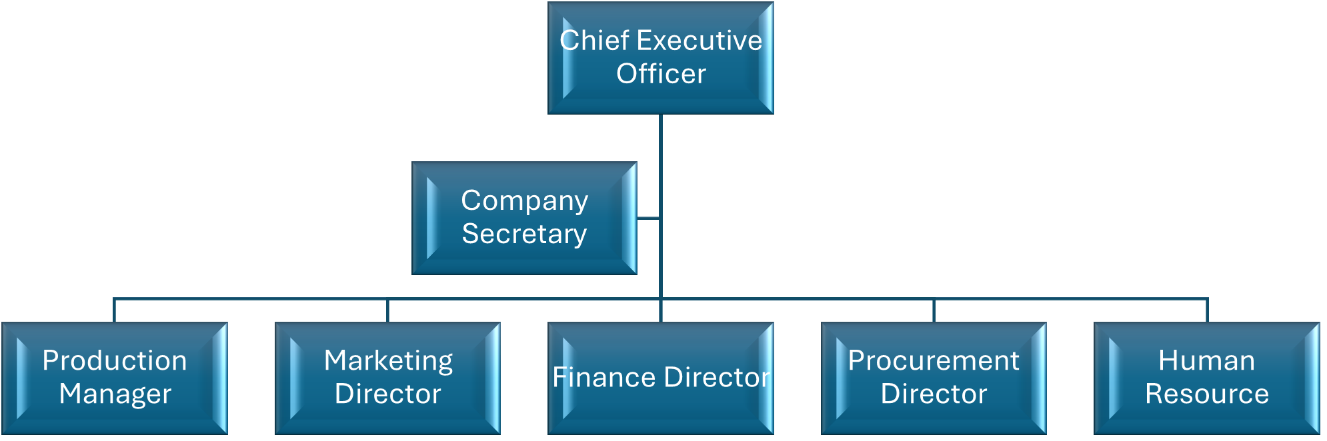
Saudi Farm-Tech will adopt an open-door policy of communication, which means that although information and reports should flow procedurally from departmental heads to the CEO and back, junior officers are permitted to communicate directly with the chief executive when necessary (Dawes, 2021). The company secretary, who also serves as the chief legal officer of the firm, will be the principal adviser to the chief executive and the company’s board of directors.
The departmental heads are responsible for specific tasks meant to facilitate the overall excellence of the firm. The production manager will be responsible for all activities necessary to make the products available and ready for sale. This means that the manager will be responsible for controlling and coordinating all activities within the firm. He will work with all the employees of the firm to guide them in farm preparation, planting, crop management, and harvesting. He will need to closely coordinate with the marketing director to understand the number of products that should be made available within a specific period (Tiwari, 2020). He also needs to coordinate with the heads of the other departments to ensure that all necessary resources are available to facilitate production.
The marketing director will be fully responsible for promoting the company’s brand and products. Dawes (2021) explains that a brand’s visibility in the market depends on the efforts of its marketing department. Saudi Farm-Tech is a relatively new company that is not yet well-known in the market. It is the responsibility of the company’s marketing director to ensure that various marketing programs are developed to facilitate achieving the aim. The office will be responsible for forming strategic alliances with other companies to facilitate rapid sales of the company’s products.
The finance director is responsible for ensuring that all the company’s resources are utilized effectively. The investors expect the value of their investment in the company to increase. It is the responsibility of this manager to ensure that the funds are directed to specific projects on a need basis. It is common to find cases where different departments have conflicting financial needs (Rajagopal, 2019). This manager should assess these needs and ensure that resources are used to meet all the company’s needs.
The procurement director also plays a critical role in this company. This department should ensure that materials needed by other departments are made available at the right time, in the right quality, and in the required quantity. The production department relies on the procurement manager to ensure that all necessary materials for constructing the vertical farm are available (Lichtfouse & Naushad, 2019). It also expects the procurement department to purchase seeds, fertilizers, and other necessary items for planting and caring for the crops.
The human resource director is another department critical to the company’s success. Kingsnorth (2019) explains that the human resource department is responsible for recruiting, remunerating, training, promoting, managing, and dismissing employees. All other departments will submit their requests to this department, specifying the number of workers required and the skills they should possess. The manager is also responsible for disciplinary actions taken against employees who breach their employment contract.
Management Team Gaps
Currently, a management team gap exists that will be addressed as the company continues to grow in the market. One of the main gaps is the lack of an innovation director. In the current business environment, where technology plays a critical role in a firm’s success, it is necessary to have a department that is fully responsible for promoting and managing creativity and innovation. Currently, the firm cannot establish that department due to financial constraints. This is a gap that needs to be addressed as soon as possible, especially given that Saudi Tech-Farm is a technology-based agricultural company.
Currently, the insurance functions are under the finance department. However, this should be an independent department to ensure that all company assets and products are protected from unforeseen activities. Having an independent insurance department will help promote creativity in such functions (Tiwari, 2020). It is also important to note that the company’s secretary is not a full-time employee of the firm at present. Instead, this legal officer is employed on a contractual basis and has a retainer. The company should ensure that this officer is given full employment status to enhance loyalty and commitment to the firm.
Personnel Plan
The human resource department of Saudi Tech-Farm should have a clearly defined personnel plan. Dawes (2021) explains that sometimes it is more beneficial to have employees on a contract basis, while at other times, it may be better to have them on a full-time employment basis. The choice of employment often depends on the associated costs and the power of labor unions in the country (Tiwari, 2020).
Saudi Arabia banned all trade union activities in the country in 2012. It means that this company has little to fear about trade union activities, but that does not mean it should violate employees’ rights and deny them favorable contracts. Direct employment would be the most desirable personnel plan. Employees responsible for daily activities at the company should be full-time employees. On the other hand, those who are needed periodically for maintenance and repair activities can be hired on a contract basis to cut the overall cost of operation.
Training and Support Needs
Human resources should ensure that employees undergo regular training. On-the-job training is one strategy that this firm can utilize to train and support its employees at the farm (Kumar et al., 2022). The individuals responsible for training and support activities must be experts in machine operation and the management of agri-tech farms. The human resource department also has a duty of ensuring workers’ training and satisfying their needs. They should undergo regular training periodically to equip them with the relevant skills.
Financial Analysis
Financial Plan
This company must have a sound financial plan to achieve the desired success in the market. It must be certain about its sources of revenue and how these resources will be utilized to achieve the intended goal within the firm. Koda (2021) explains that investors often expect their money to grow, and they expect to recoup their investment and still have some profits after a specific period. Having a clear financial plan helps outline income and expenses, and determine financial ratios that indicate the company’s financial health.
How to Fund the Pilot
The pilot project had to be fully funded to ensure that the intended goal of testing the technology and the market was realized. Dawes (2021) argues that it is often the responsibility of the founders to test the market and ensure that it can sustain operations when the activities are scaled up and commercialized. The investors utilized their resources to fund various activities during this pilot stage. They also relied on loans and donations from family and friends who were interested in becoming shareholders of the company. At this piloting stage, the company was not in debt, as those who invested in it are shareholders.
Capital Expenditure (CapEx) and Operational Expenditure (OpEx)
The pilot project required both capital expenditure and operational expenditure. Capital expenditures include expenses incurred to acquire land for the project, connect to water and electricity, and create the growing area. As shown in Table 6, the pilot project used 350 square meters for the project. The cost of preparing the growing area was $560,000. The company spent another $5,000 for electricity connections and $5,000 on electricity connections, while fittings cost $35,000. The total start-up cost for the project was determined to be $605,000.
Table 6: Capital Expenditure (CapEx).
Table 7 is a summary of all the operational expenses. It is important to note that operational expenses often vary, depending on various production-related factors. These expenses included payments to the company’s employees, particularly top management. It is evident from the table that for the first 6 months, salaries for the employees were $20,221. From the seventh month to the eighteenth month, the monthly salary for the employees increased to $23,486. Other expenses included travel costs and legal fees. For the first 6 months, monthly expenditure on these items was $7,000. It increased to $12,000 from the seventh month to the eighteenth month.

Important Assumptions
In this study, specific assumptions had to be made when calculating the ratios and preparing the financial statements. The following are the key assumptions that were made:
- The capital expenditure remained the same in all the projections made.
- The initial investment in the pilot project came from the owners, and the initial loans were structured into shares.
- Taxation remained unchanged for five years.
Key Financial Indicators
During the analysis, specific key financial indicators had to be identified. One of the key indicators calculated in the financial analysis is revenue growth. It helps to determine if a firm is experiencing desirable growth in the market. The second indicator was the profit margin over the years. The analysis involved calculating both gross profit margin and operational net profit margin. Cash flow was also considered a key factor in determining the company’s financial health.
Break-Even Analysis: 3 Scenarios
To help determine the return on investment in this project, a break-even analysis was conducted. It involved determining the amount that the company needed to sell to achieve a return on investment. This was calculated based on three scenarios: a conservative projection, an average projection, and an optimistic projection, as shown below.
Scenario 1: Conservative Projection
Break-Even = Fixed Costs ÷ Gross Profit Margin = ($605,000 ÷ 0.67) = $902,985
It means that the company will need to make sales of $902,985 to break even.
Scenario 2: Average Projection
Break-Even = Fixed Costs ÷ Gross Profit Margin = ($605,000 ÷ 0.73) = $828,767
It means that the company will need to make sales of $828,767 to break even.
Scenario 3: Optimistic Projection
Break-Even = Fixed Costs ÷ Gross Profit Margin = ($605,000 ÷ 0.79) = $765,822
It means that the company will need to make sales of $765,822 to break even.
Projected Profit and Loss: 3 Scenarios
Projected profit and loss calculations will help investors determine the company’s ability to generate returns on investment. In this case, the researcher conducted conservative, average, and optimistic projected profit and loss, as shown in Tables 8, 9, and 10.
Scenario 1: Conservative Projection
Table 8: Conservative Projected Profit and Loss.
Scenario 2: Average Projection
Table 9: Average Projected Profit and Loss.
Scenario 3: Optimistic Projection
Table 10: Optimistic Projected Profit and Loss.
Projected Cash Flow: 3 Scenarios
Cash flow shows the financial soundness of the company. It not only indicates the ability to pay short-term financial obligations but also the growth of sales revenue. Tables 11, 12, and 13 show the conservative, average, and optimistic projected cash flow for the company.
Scenario 1: Conservative Projection
Table 11: Conservative Projected Cash Flow.
Scenario 2: Average Projection
Table 12: Average Projected Cash Flow.
Scenario 3: Optimistic Projection
Table 13: Optimistic Projected Cash Flow.
Projected Balance Sheet: 3 Scenarios
It was also necessary to prepare a balance sheet to help inform the investors of the firm’s financial position. Tables 14, 15, and 16 are the conservative, average, and optimistic projected balance sheets.
Scenario 1: Conservative Projection
Table 14: Conservative Projected Balance Sheet.
Scenario 2: Average Projection
Table 15: Average Projected Balance Sheet.
Scenario 3: Optimistic Projection
Table 16: Optimistic Projected Balance Sheet.
Business Ratios
The researcher also conducted an analysis of business ratios to address specific financial issues relating to the company’s finances and its funding of operations. The analysis was based on the average scenario. It includes the following ratios:
- Current ratio = Current assets / Current liabilities = (78,855)/ (46,755+112,760) = 78,855/159,515 = 1.25
- Cash ratio = Cash and Cash equivalents / Current Liabilities = (78,855+120,000)/ (46,755+112,760) = 198,855/159,515 = 0.50
- Debt ratio = Total liabilities / Total assets = 443,855/1,048,855 = 0.42
Long-Term Plan
The company’s long-term plan is to significantly increase production and diversify its product portfolio. The current production volume for fruits and vegetables is limited. The management intends to increase production volume as demand rises. The current product portfolio is also limited, an issue that the company is keen on addressing. Within the next 5 years, the company plans to expand into beef and dairy production.
The variety of fruits and vegetables offered will also increase significantly. It will require the management to expand the land area to meet the new needs. Risk management strategies will also be implemented to protect the company’s assets. In addition to providing insurance coverage, the company will also enhance security and safety at the farm.
Summary
Controlled-environment vertical farming has gained a reputation as a major approach to cost-effectively cultivating crops without relying on natural rainfall. As climate change continues to negatively impact traditional farming methods, firms in this sector must redefine their production strategies. Saudi Farm-Tech is one of the companies that has adopted this technology to meet the increasing demand for fruits and vegetables in the local market. The company has implemented a comprehensive system that will enable it to cultivate these crops using revolutionary technology. It has also developed a sales and marketing plan to ensure that it creates and maintains a loyal customer base.
References
Alsheikh, A., Risheh, W., Baig, M., Behnassi, M., Sraïri, T. (Eds.). (2022). Food security and climate-smart food systems: Building resilience for the global south. Springer International Publishing.
Ansari, M., Khan, A., & Khan, R. (Eds.). (2022). Application of machine learning in agriculture. Elsevier Science.
Baden-Fuller, C. & Haefliger, S. (2013). Business models and technological innovation. Long Range Planning, 46(1), 419-426.
Bailey, B. (2023). Why Controlled Environment Agriculture (CEA) is the future of farming. Dantherm Group.
Chernev, A. (2019). Strategic marketing management: Theory and practice. Cerebellum Press.
Dawes, J. (2021). A practical introduction. SAGE Publications.
Gachuhi, L. (2020). SME’s agribusiness challenges & solutions in Africa. Exceller Books.
Goto, E., Orsini, F., Son, J., & Kacira, M. (2022). Innovative technologies for vertical farming. Frontiers Media SA.
Grending, G. (2019). Vertical farming: How to combine business with environmental awareness. Wiley.
Gülmez, M. (Ed.). (2021). Understanding the consumer behavior during COVID-19 pandemic. Akademisyen Kitabevi.
Haiba, M., Reed, M., Baig, B., & Behnassi, M. (2021). Emerging challenges to food production and security in Asia, Middle East, and Africa climate risks and resource scarcity. Springer International Publishing.
Helmold, M. (2022). Strategic performance management: Achieving long-term competitive advantage through performance excellence. Springer International Publishing.
Howson, P. (2019). The business year: Saudi Arabia 2020. The Business Year.
Hussain, C., & Sia, P. (2022). Handbook of smart materials, technologies, and devices: Applications of industry 4.0. Springer International Publishing.
Inge, C. (2022). Marketing metrics: Leverage analytics and data to optimize marketing strategies. Kogan Page.
Joyce, T. (2018). Retail prices soar in Saudi Arabia. Fruit Net.
Khalid, A. (2020). Agronomy: Climate change. IntechOpen.
Khubrani, M. (2020). Genetic diversity and population structure of Saudi Arabia. University of Leicester.
Kim, J., Shah, P., Gaskell, J., Prasann, A. (2020). Scaling up disruptive agricultural technologies in Africa. World Bank Publications.
Kingsnorth, S. (2019). Digital marketing strategy: An integrated approach to online marketing. Kogan Page.
Koda, J. (2021). Digital marketing strategy. A G Printing & Publishing.
Kumar, A., Ogita, S., Arora, S., & Yau, Y. (2022). Biotechnological innovations for environmental bioremediation. Springer Nature Singapore.
Kwok, A., Watabe, M., & Koh, S. (2022). COVID-19 and the evolving business environment in Asia: The hidden impact on the economy, business and society. Springer Nature Singapore.
Lichtfouse, E., & Naushad, M. (Eds.). (2019). Sustainable agriculture reviews 34: Date palm for food, medicine and the environment. Springer International Publishing.
Mankad, D. (2019). Understanding digital marketing: Strategies for online success. BPB Publications.
Millham, J. (2022). The trouble with vertical farms: Fruit and vegetables must have strong, direct overhead light, which means recreating the sun. The Possible.
Niu, G., Takagaki, M., & Kozai, T. (2019). Plant factory: An indoor vertical farming system for efficient quality food production. Elsevier Science.
Perera, R. (2020). Understanding Porter’s five forces analysis. Nerdynaut.
Rajagopal, H. (2019). Analyzing consumer behavior to drive managerial decision making. Springer International Publishing.
Sabry, F. (2021). Vertical farming: How shall we feed the three more billion people by 2050? One Billion Knowledgeable.
Sahu, V. (2019). Marketing strategy. EBooks Incorporated.
Sanchez, C. (2023). Senate passes ban on certain foreign groups owning Arizona land. Arizona Capitol Times.
Shamshiri, R. (2021). Next-generation greenhouses for food security. IntechOpen.
Singh, A. (2023). Saudi Arabia fruits and vegetables market size & share analysis: Growth trends & forecasts 2023-2028. Mordor Intelligence.
Tiwari, A. (2020). Content marketing strategy: A step-by-step guide. Cengage.
Wong, T. (2021). Marketing strategy for authors. Starlit Publishing.