
Introduction
In this age of stress and strain, with numerous demands on self-care, it has become more critical than ever, especially among people in positions such as therapists, counselors, social workers, leaders, healthcare professionals, and educators. Understanding its four branches: one’s physical state of being, spiritual well-being, emotional stability, and mental health, makes self-care meaningful (Chigwedere et al., 2021). Maintaining a work-life balance and recognizing signs of neglecting adequate rest.
Self-Care Components
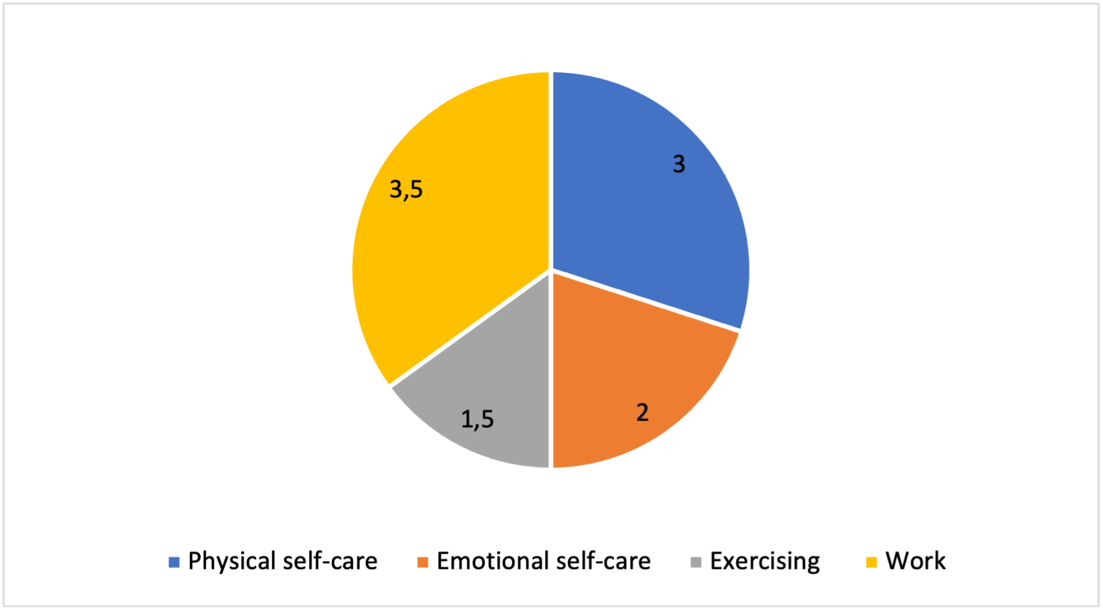
In dealing with physical self-care, it is recommended that people embrace a whole-body approach to health by ensuring they have enough water, food, and regular exercise, and by decluttering spaces to make them manageable. Awareness of sedentary behavior, such as excessive screen time, is essential, and this calls for taking periodic breaks and resting (Figure 1). Emotional self-care can include setting limits, keeping good company, and addressing issues before they pile up and negatively affect our emotions (Chigwedere et al., 2021). Psychological well-being is built on activities such as feedback-seeking, journaling, meditation, and counselling that foster self-awareness (Figure 1). Controlling what can be controlled and focusing on small things contribute to the success that brings about development in one’s life.
Reflection on Personal Self-Care
For overall wellness, it is essential to realize when one’s self-care needs are unmet. Symptoms of neglect can include heightened stress levels, reduced irritability, and reduced productivity at home or the workplace, even among colleagues or subordinates (Jiang et al., 2021). Listening actively to my feelings, thoughts, and body helps me notice when I am not meeting my “me” time requirements. When reducing stress personally and professionally, I take several actions across these dimensions: in my personal life, I exercise regularly, take mindful breaks, and maintain positive relationships. In my professional life, continuous learning, reflection, and staying in touch with my purpose are at the core of my psychological and spiritual self-care.
Conclusion
In conclusion, self-care is not a luxury but a necessity for those engaged in service and care roles. It acts as armor against stress, burnout, and compassion fatigue, enabling one to continue supporting others while maintaining one’s own well-being. Taking time off to think through things before engaging in self-care practices that work will ensure one’s overall effectiveness, both personally and professionally, over time.
References
Chigwedere, C., Bennett-Levy, J., Fitzmaurice, B., & Donohoe, G. (2021). Personal practice in counselling and CBT trainees: The self-perceived impact of personal therapy and self-practice/self-reflection on personal and professional development. Cognitive Behaviour Therapy, 50(5), 422-438.
Jiang, X., Topps, A. K., & Suzuki, R. (2021). A systematic review of self-care measures for professionals and trainees. Training and Education in Professional Psychology, 15(2), 126-139.