
Introduction
This paper aims to cover the basics of skin substitutes for the treatment of diverse wound conditions, namely burns, chronic non-healing wounds, and extensive skin loss. In addition, this review outlines the nursing implications, patient education requirements, and research directions related to skin substitute therapies. Skin is the most crucial protective structure, shielding the body. Breaches in this barrier due to burns, trauma, or chronic wounds can lead to infections, fluid loss, and impaired healing.
Skin substitutes have been recognized as alternative treatments for the temporary or permanent closure of wounds, leveraging the healing process. The advantages of skin substitutes include shorter healing times, reduced risk of infection, less-irritating scars, and, in some cases, fewer autografts. Skin substitutes show tremendous promise for better patient outcomes as the composition and application of skin replacement materials are refined and optimized to treat severe burns, persistent ulcers, tissue damage, and disorders that cause considerable skin loss.
Background
The idea of using skin substitutes to treat wounds dates back to the early 19th century, when the first skin grafting procedures were documented. Since then, there has been significant growth in the field of bioengineered skin substitutes. Initially, skin substitutes were manufactured using acellular materials such as porcine and cadaveric dermis (Dai et al., 2020).
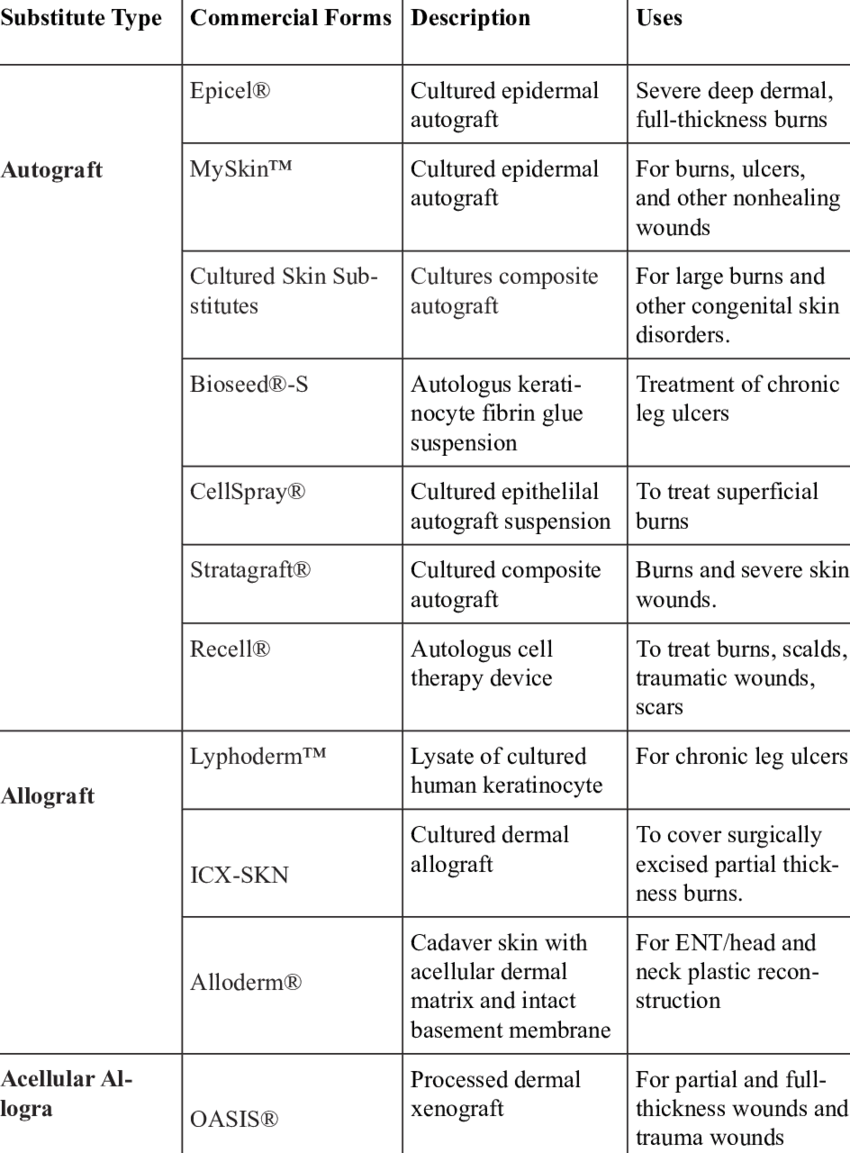
Although these provided structural scaffolding, they still lacked the cellular components needed for healing. Skin substitutes are categorized into autografts, Allografts, and Acellular Allograft products, which are used to treat various wound conditions (Figure 1). A new generation of skin substitutes includes keratinocytes for the epidermal layer and fibroblasts in a collagen-based dermal analog, providing a complete skin substitute.
Methods
A comprehensive literature review was conducted across multiple databases, including PubMed, CINAHL, the Cochrane Library, and Google Scholar. The use of keywords and MeSH terms such as “Skin substitutes” and “Tissue-engineered skin,” in combination with “burn” and “chronic wounds,” limited the search to journal articles published within the last 10 years. The types of studies, patient groups, skin substitute interventions, comparators, and outcomes, such as wound healing rate, infection rate, autograft need, scar matrix quality, and patients’ reported outcomes, were extracted. Quality assessment of included studies was conducted using tools such as the Cochrane Risk of Bias Tool and the Newcastle-Ottawa Scale as relevant (Dai et al., 2020). The study findings on the effectiveness and safety of various skin substitute products are analyzed, and a conclusion is made.
Lit Review Findings
Causes/Treatments
Skin substitutes are mainly used for managing full- and partial-thickness burns, chronic wounds that fail to heal, including diabetic foot ulcers and venous leg ulcers, as well as surgical wounds that require temporary or long-term skin replacement. The main reasons for therapeutic skin substitutes are thermal, chemical, electrical, and radiation burns, as well as trauma, which result in extensive skin loss and impaired healing due to peripheral vascular disease and diabetes (Saha et al., 2021). Autologous grafts are the conventional treatment for donor sites harvested from the patient, but their availability is limited in large body-surface-area wounds. Skin substitutes are used as alternative or adjunct therapies.
Incidence and Prevalence
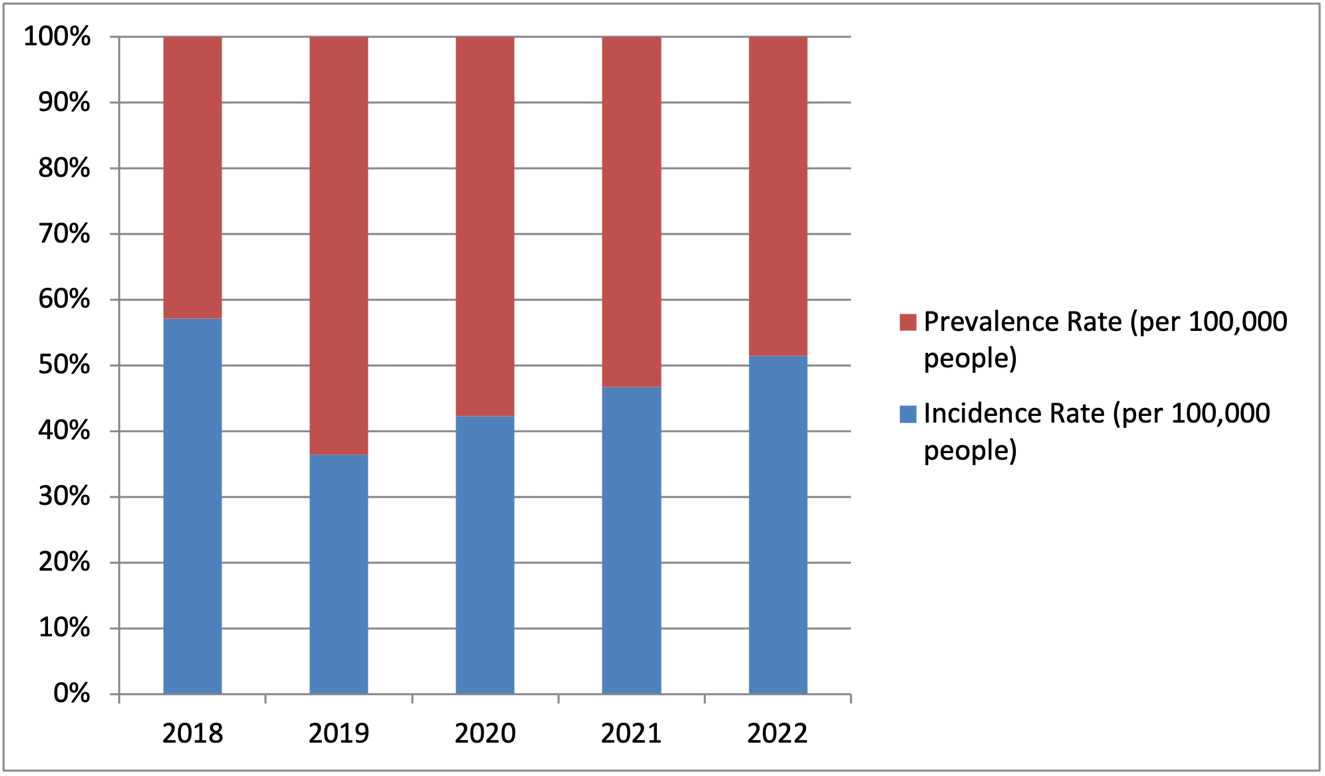
Chronic ulcers are wounds that are deep and slow healing. As shown in Figure 2, chronic wounds are called a silent epidemic, as a significant number of people are affected around the world. Burn injuries, for example, affect more than one million Americans per year, and about 40,000 of them need hospitalization (Saha et al., 2021). In addition, chronic non-healing wounds are prevalent, with 15-25% of diabetic patients suffering from diabetic foot ulcers and 1% of the adult population getting venous leg ulcers (Saha et al., 2021). A growing geriatric population and the soaring incidence of conditions such as diabetes are likely to drive higher demand for adequate skin substitutes.
Nursing Implications for New Mexico
New Mexico has a relatively high burn incidence, ranking 11th. Moreover, the rate of New Mexico diabetes is nearly triple that of the national average at over 12% (Sajjad et al., 2019). This results in a large patient population that may ultimately use skin substitute therapies, such as burn treatments and chronic wound care. New Mexico nurses must know the products, indications, application techniques, and maintenance guidelines for skin substitutes. Care coordination, patient education, and management of infection signs and symptoms will be the primary nursing roles.
Patient Teaching Implications
Patients with skin substitute treatments should be adequately educated by nurses on wound care, dressing changes, recognizing signs of infection or rejection, activity restrictions, and care for donor sites if autografting was done. Elucidating the composition of the exclusive product used and realistic assumptions about recovery time are crucial. Beyond medical and physical support, psychological support may be required, especially for burn and trauma patients who are coping with problems such as body image, self-esteem, and quality of life (Sajjad et al., 2019). Compliance with the care regimen is vital, so ensuring patients grasp all instructions is essential.
Discussion of the Work
Bioengineered cellular skin substitutes containing keratinocytes, fibroblasts, and dermal analogs have demonstrated superior performance compared with cellular products or those lacking critical components. Some of the main advantages observed include faster wound healing, reduced need for autografting, less scarring, and lower risk of certain wound infections compared to conventional wound care. Nevertheless, the high costs of these advanced skin substitutes and the inadequacy of large-scale direct comparative studies persist. The authors suggest that higher-level, multi-center randomized controlled trials, especially for chronic wounds such as diabetic foot ulcers, are necessary, along with standardizing outcome measures to facilitate meta-analyses.
Conclusion
The reviewed literature shows that bioengineered skin substitutes can be advantageous for treating deep and partial-thickness burns, chronic non-healing wounds, and conditions involving extensive skin loss. Skin substitutes have been shown in some studies to increase healing rates, reduce the need for autografts, reduce scarring, and even minimize infection risk compared to conventional wound care. High-tech cellular substitutes enriched with keratinocytes, fibroblasts, and dermal analog products deliver superior outcomes compared to acellular products or those lacking critical skin components. Skin substitutes are a significant area of regenerative medicine, hindered by their high cost and lack of direct comparative studies.
Suggestions for Future Research
More significantly, multi-center randomized controlled and comparative trials comparing standard care with skin substitutes should be considered for chronic wound indications, such as diabetic foot ulcers. Standardizing outcome measures across studies would enable meta-analysis. Research is also needed in biomaterials and cell sources, such as induced pluripotent stem cells, 3D bioprinting, and the incorporation of growth factors or gene therapies to enhance the healing capabilities of next-generation skin substitutes. Implementation research is crucial for efficient logistics in storage, preparation, application techniques, and cost-effectiveness analyses, which are not yet performed due to the high costs of marketed synthetic skins.
Clinical Implications
Ongoing progress in the field includes interdisciplinary coordination among burn surgeons, plastic surgeons, wound care specialists, nursing staff, and hospital administrators. This is necessary to successfully implement skin substitute therapies in clinical practice. Providing proper training to the healthcare staff on product handling, correct application, and patient observation is essential. Hospitals must invest in sophisticated storage facilities and develop treatment protocols.
References
Augustine, R. (n.d). Classes of commercial skin substitutes. Researchgate.
Dai, C., Shih, S., & Khachemoune, A. (2020). Skin substitutes for acute and chronic wound healing: an updated review. Journal of Dermatological Treatment, 31(6), 639–648.
Market.US. (2023). Wound care market size, share, growth: Cagr of 5.2%. Market.us.
Saha, R., Patkar, S., Maniar, D., Pillai, M. M., & Tayalia, P. (2021). A bilayered skin substitute developed using an eggshell membrane crosslinked gelatin-chitosan cryogel. Biomaterials Science, 9(23), 7921–7933.
Sajjad, W., Khan, T., Ul-Islam, M., Khan, R., Hussain, Z., Khalid, A., & Wahid, F. (2019). Development of modified montmorillonite-bacterial cellulose nanocomposites as a novel substitute for burn skin and tissue regeneration. Carbohydrate Polymers, 206(4), 548–556.