
Passive Thermodynamic Strategy
When designing buildings, it is critical to consider the thermodynamic processes involved in cooling and heating individual spaces and materials. It is necessary to ensure that existing technology allows for optimized use of existing design and full utilization of resources, and does not cause damage due to drastic temperature fluctuations. One “thermodynamic” design technology is the passive strategy, which minimizes the need for active heating and cooling systems. In other words, such technologies are based on using natural resources, including wind and sunlight, which can cool and heat the rooms inside the building.
Application at the Brock Environmental Center
An example of such a building is the Brock Environmental Center in Virginia Beach, Virginia, as shown in Figure 1. The building is an educational center and information resource for the local community on environmental safety and sustainability.
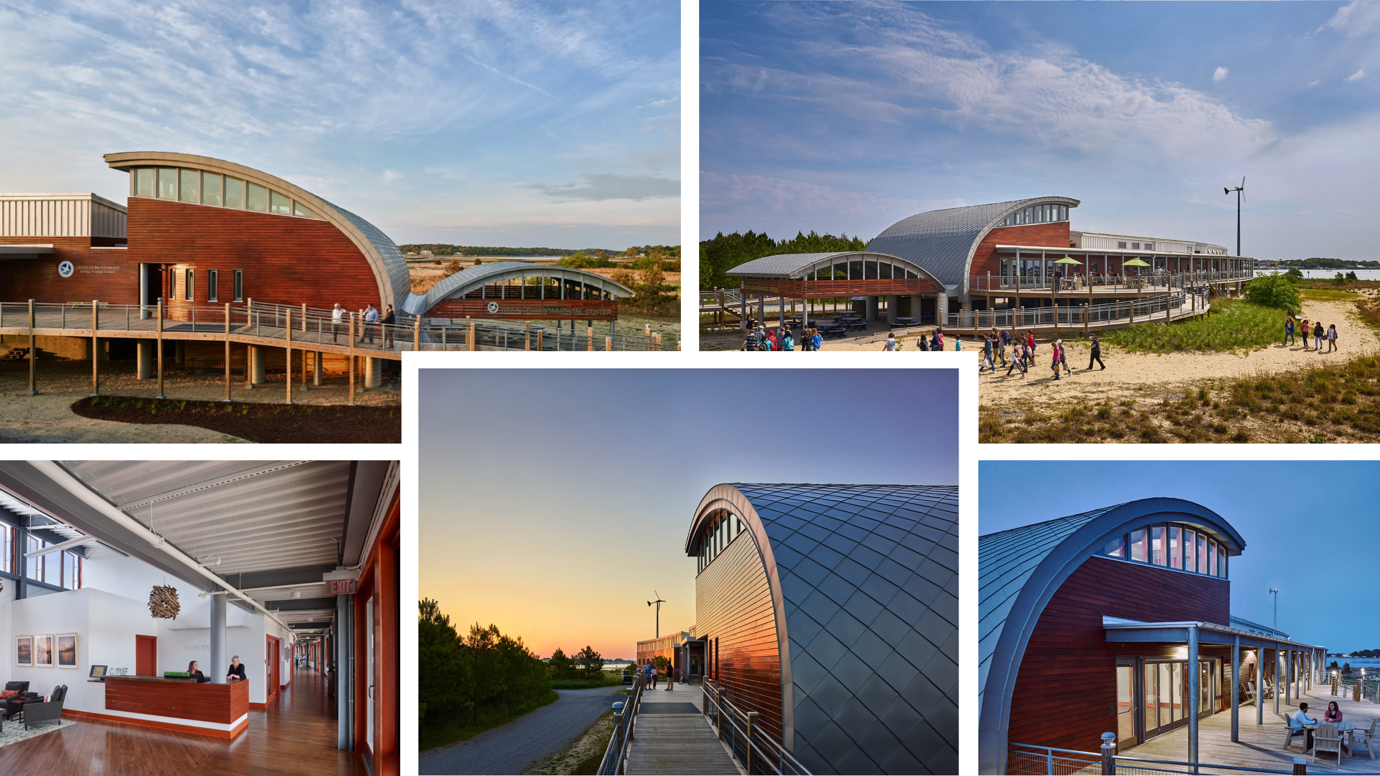
Passive cooling and heating sources were built into the foundation of the Brock Environmental Center’s design. To cool the space, the building has large opening windows and doors that help airflow through the building (Figure 1). On the warm south winds side, the building takes most of the exposure that passes through the rooms where people stay most of the time, while on the colder north winds side, the design allows the air masses to cool the warm winds, but not cause drafts and serious overcooling of the room (Figure 2). In this case, according to thermodynamic concepts, warm air rises upward due to lower density, preventing overheated rooms in the summertime.
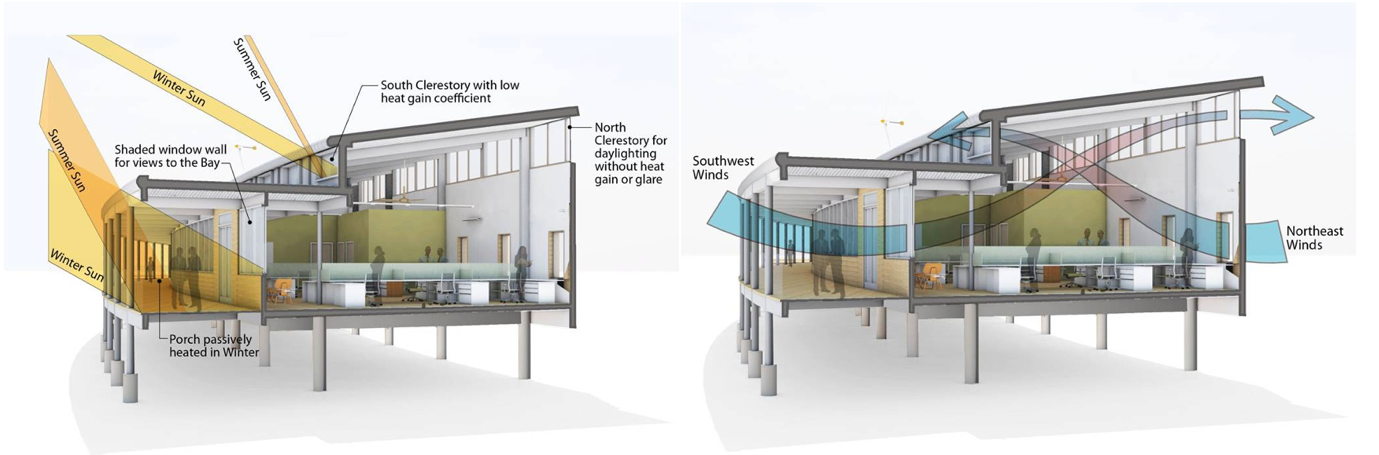
At that time, ventilation alone was insufficient to heat the building effectively. The passive heat source for the Brock Environmental Center is sunlight. As shown in Figure 2, the orientation of the building maximizes solar heat in winter when the sun is low in the sky, with large windows on the south side of the building allowing sunlight in and warming the interior space. When the sun has a maximum effect in summer, the design allows for a shaded side where employees and visitors can work without glare or excessive heat.
Works Cited
AIA. “Brock Environmental Center.” The American Institute of Architects.
WBDG. “Brock Environmental Center.” Whole Building Design Guide.