
Introduction
The paper explores the application of Dorothea Orem’s Self-Care Deficit Theory in nursing practice, focusing on the relevance of self-care abilities developed in patients. By analyzing the background, key concepts, and application practices, this paper aims to promote comprehensive patient-centered care within and beyond medical organizations.
Background
Theorist’s Background
Dorothea Orem is a prominent nursing theorist with a strong scientific background and extensive medical experience. She was born in 1914 in Maryland, USA, and since then, her interest has been in people (Kindel et al., 2020). Motivated by her observations in clinical practice, Orem developed the Self-Care Deficit Theory, which shows how patients can care for themselves with appropriate assistance from healthcare professionals when necessary.
Phenomenon of Concern
The phenomenon of concern in Orem’s theory centers on the self-care deficits individuals experience. Orem recognized that patients may face problems meeting their needs due to illness, injury, or poor knowledge. People may be more aware of the key needs of those who need support. Therefore, the help of medical experts should not be neglected. Understanding and addressing these deficits became central to Orem’s theoretical framework.
Theory Description
Dorothea Orem’s Self-Care Deficit Theory is a middle-range nursing theory that is focused on enhancing patients’ self-care abilities. The middle-range theory is characterized by a deeper focus on patients’ specific needs and the development of a more individualized connection (Smith et al., 2023). The Self-Care Deficit Theory falls under the category of middle-range theories due to its defined approach to each patient and its long-term work with them.
Concepts
Orem’s theory incorporates several key concepts: self-care, self-care agency, and therapeutic self-care demand. In her representation, self-care refers to individuals’ activities to maintain and ensure their well-being. Self-care agency refers to a person’s capacity to engage in self-care activities autonomously, without external help from relatives or professionals (Tanaka, 2022). Therapeutic self-care demand refers to the need for individuals to seek assistance when they are unable to meet their self-care needs adequately.
Diagram
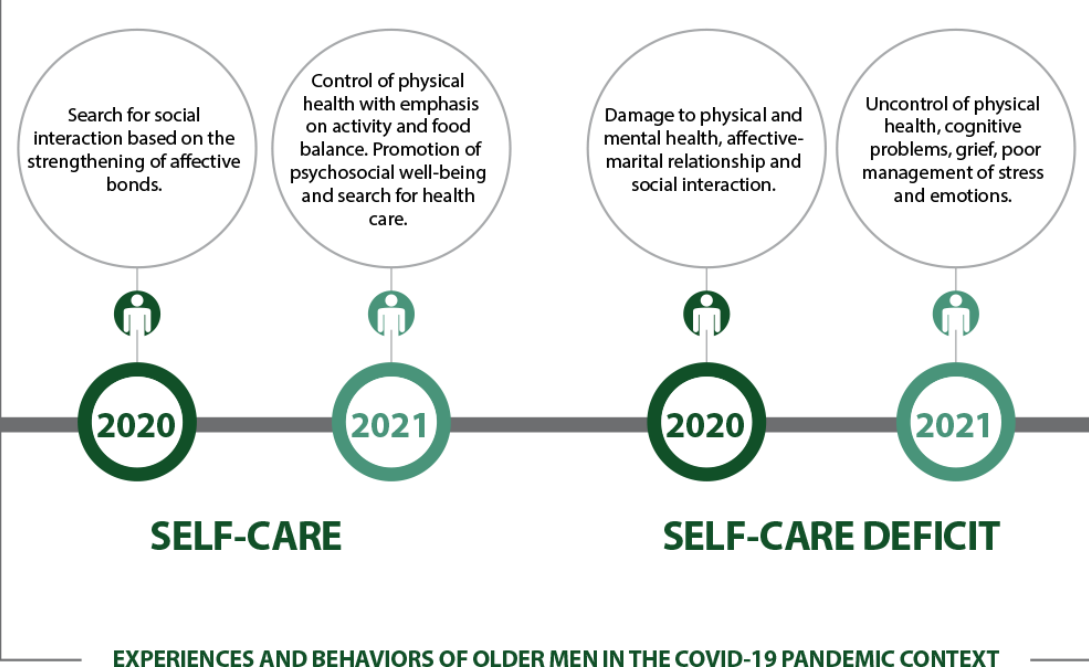
Figure 1 presents a diagram of changes during the COVID-19 times. There are always patients who require support from form medical experts. However, finding the right approach became crucial during the pandemic.
Relationships
In Orem’s theory, the concepts of self-care, therapeutic self-care demand, and self-care agency are interrelated. Self-care agencies influence patients’ ability to perform self-care activities autonomously, and therapeutic self-care demand increases when professionals recognize that people cannot support themselves and need help from others. The connection between these two concepts lies in the step-by-step assessment of patients’ conditions and the application of diverse self-care techniques.
Evaluation
Weaknesses
One of the main weaknesses of Orem’s theory is its limited consideration of socio-cultural factors that may affect patients’ ability to provide individual self-care. Moreover, the theory is aimed at people from diverse backgrounds, and medical experts may not cover certain unique aspects. The diversity of the healthcare setting is not deeply examined and requires adaptation for broader use and coverage.
Metaparadigms
With Orem’s theory, the patient metaparadigm focuses on the individual receiving nursing care. The theory defines the metaparadigm of education, advocacy, and collaboration. Nurses have clear guidelines for self-care, and patients are always under control to reduce stress in the surrounding environment and maintain positive general health indicators. In summary, Dorothea Orem’s Self-Care Deficit Theory provides a comprehensive framework aligned with the metaparadigms of patients, nursing, and health.
Application
Studies That Used the Theory
Different studies apply the theory in different ways, enabling an in-depth examination of self-care. Hartweg & Metcalfe (2021) explained that refinement is needed for those with chronic diseases. This study operationalized Orem’s concepts by assessing patients’ self-care techniques and abilities in the modern world.
Salim (2023) explained that care should be better optimized for those who want to take control of their condition. Before self-care, clear instructions should be provided to ensure that the outcomes do not worsen. This study operationalized by learning more about patients’ psychological and individual qualities that may enable or hinder self-care.
Area of Practice
In my role as a dialysis nurse, I can apply Orem’s Self-Care Deficit Theory to promote patient autonomy and enhance patients’ ability to self-assist. By assessing patients and self-care agencies and identifying therapeutic self-care needs, I can tailor interventions to support patients in managing their treatment and achieving better outcomes. I want to research the influence of education and resource availability on the development of self-care abilities. These concepts can be operationalized by a deeper understanding of patients’ needs and wants.
Conclusion
Dorothea Orem’s Self-Care Deficit Theory offers valuable insights into promoting patient self-care and addressing self-care deficits in nursing practice. By understanding and applying the theory’s concepts, nurses can improve the quality of assistance and promote holistic well-being within different healthcare settings. Continuing the study of the theory can help me, as a nurse, advance my professional skills and ensure positive treatment outcomes.
References
Braga, L. C. A., Muniz, V. O., & Araujo, P. O. (2022). Self-care deficit among older men in the COVID-19 pandemic: Implications for nursing. Revista Brasileira de Enfermagem, 75(4), 1-9.
Hartweg, D. L., & Metcalfe, S. A. (2021). Orem’s self-care deficit nursing theory: Relevance and need for refinement. Nursing Science Quarterly, 35(1).
Kindel, M. E., Jung, W., & Witt, R. R. (2020). Self-care of chronic wounds in the household environment: An analysis from the perspective of Dorothea Orem. Clienc CuidSaude, 19, 1-8.
Salim, A. N. (2023). Optimizing quality of care by integrating Orem’s Self-Care Deficit Theory with Orlando’s nursing. i-Manager’s Journal on Nursing, 13(2), 48-51.
Smith, M. J., Liehr, P. R., & Carpenter, R. D. (2023). Middle range theory for nursing. Springer Publishing Company.
Tanka, M. (2022). Orem’s nursing self-care deficit theory: A theoretical analysis focusing on its philosophical and sociological foundation. Nursing Forum, 57(3), 480-485.