Introduction
In today’s dynamically developing world, social networks have gained particular importance as communication and hedonic tools to meet users’ needs. Social media should be understood as virtual platforms that allow individuals to communicate and interact with each other almost without restriction, view news feeds, react to individual publications, and spend leisure time through entertainment content and games (Christensen, 2018). In fact, in recent years, there has been a noticeable trend towards the functional expansion of such platforms, with social networks creating more opportunities for users to solve almost any of their tasks through the platform, be it hailing a taxi, shopping, or delivering food to their homes (VK, 2021). In a general perspective, this expansion aims to increase screen time for social network usage, which creates additional opportunities for earning on the part of owner companies through the active involvement of the user community. Meanwhile, social media still retains its functional core as one of the leading information resources for customers.
To use a social network, a user must register a personal account that is identifiably linked to them. Many social networks allow users to register without proof of identity, using a phone number or email, creating opportunities to anonymize their identity within the platform. Disguise is also provided by choosing whatever name and background the individual wants. Consequently, social media creates a creative environment in which users can realize themselves virtually, unlike how it happens in real life. This intensifies the effects of escapism for those individuals who are dissatisfied with their lives or seek to create a new image of themselves (Kırcaburun & Griffiths, 2019; Wulf et al., 2021). To put it another way, social media provides opportunities to form one’s virtual avatar, the existence of which is distinct from the individual’s life practices.
It is worth specifying that the number of social networks is growing over time. The most popular and one of the earliest social platforms is Facebook, with a monthly audience of 2.93 billion people, or 36.7% of the world’s population (Dixon, 2022a). Remarkably, the number of active users on Facebook is constantly increasing, so it can be predicted that the number will increase over time. Meta, the parent company of Facebook, also owns Instagram, another popular social network with monthly user activity reaching one billion (Dixon, 2022b).
In addition to the platforms already mentioned, the list of popular social networks includes Twitter, LinkedIn, TikTok, Snapchat, YouTube, VK, and other platforms by manufacturers from various countries. Notably, there is relatively little competition between the platforms, as most are focused on solving an individual’s application needs. For example, YouTube is a global video-hosting platform, while TikTok allows the uploading and viewing of short videos; Snapchat uses augmented reality for an individual’s use of effects and face masks; and LinkedIn has a professional focus on HRM.
Despite the vector differences, the social networks listed have one in common: the provision of communication opportunities for users, whether personal chats or forums for interpersonal communication. Statistics report that all social networks’ cumulative number of users will be 4.65 billion by April 2022 (Kepios, 2022). In other words, one in two individuals on the planet is actively using communication platforms, with Kepios reporting that 9 out of 10 users said to be active on social media every day.
Theoretical Research Framework
Given the high popularity of social media, it is appropriate to investigate its potential impact on people’s interpersonal relationships in real life. This dissertation research examines the impact of social media on self-perception and the characteristics of interpersonal relationships, whether with family, partners, or friends. The motivation for the choice of the current topic is justified by the increased involvement of users on social platforms (Dixon, 2022a).
The growing functionality of social media combined with the ever-increasing interest of users, primarily due to the digitalization of generations from early childhood, has led to an interest in the topic of this paper. Notably, the last two years of forced confinement at home due to social restrictions and quarantine caused by COVID-19 have shown a rapid increase in user interest in social platforms (Wulf et al., 2021). Statistics report that the annual increase in entertainment platform users increased significantly during the pandemic.
In particular, TikTok showed an increase in monthly user activity of more than 38%, and the image-viewing platform Pinterest grew by 32% (Dixon, 2022c). Meanwhile, in terms of engagement, the average number of minutes spent using digital platforms in the UK rose to 31 during the pandemic, about one and a half times more than before social restrictions were introduced (Dixon, 2022d). These findings suggest that users were intensely interested in social platforms, which could presumably influence real-life behavior.
Research on the effects on interpersonal relations is motivated by understanding the differences in people’s behavior in virtual and real life. Virtual networks allow for rapid response to all inquiries, and if communication with a particular person ceases to be interesting for the user, they may ignore or block it, which is especially the case in multi-user forums, including comment threads under posts. In contrast, ignoring communication with interlocutors in real life is not seen as a viable communication strategy because it leads to tangible results: conflicts, emotional distress, and painful relationship breakdowns. In this sense, the various emotional and psychological benefits that users can derive from different communication formats should also be understood. In particular, social networks do not force a person to invest effort in developing emotional attachments with strangers, which can often translate into outright hostility and hatred.
In contrast, in real-life interactions, a person is more involved in a dialogue, which requires them to strain both cognitive and emotional mechanisms. Due to the increased immersion of people in social media, there is a risk of extrapolating digital behaviors to real life, which is expected to create unfavorable conditions for interpersonal relationships. This includes abandoning real communication while increasing the interactivity of online interactions. Of particular concern in this context are young people, who, unlike millennials or older generations, have been exposed to digital platforms since childhood. Social media have become an integral part of their lives, so it is expected that there will be meaningful differences in the formation of interpersonal relationships depending on the age of users.
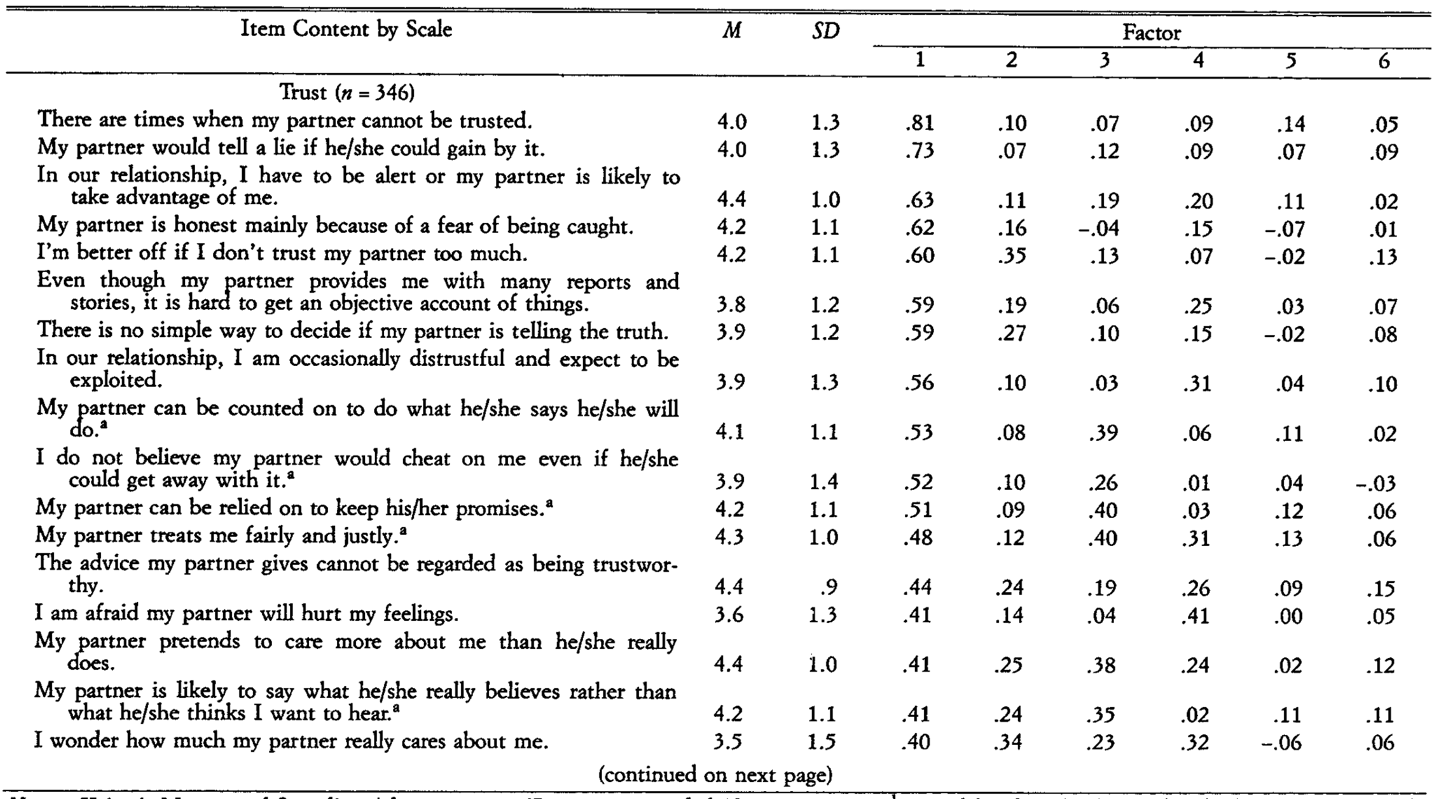
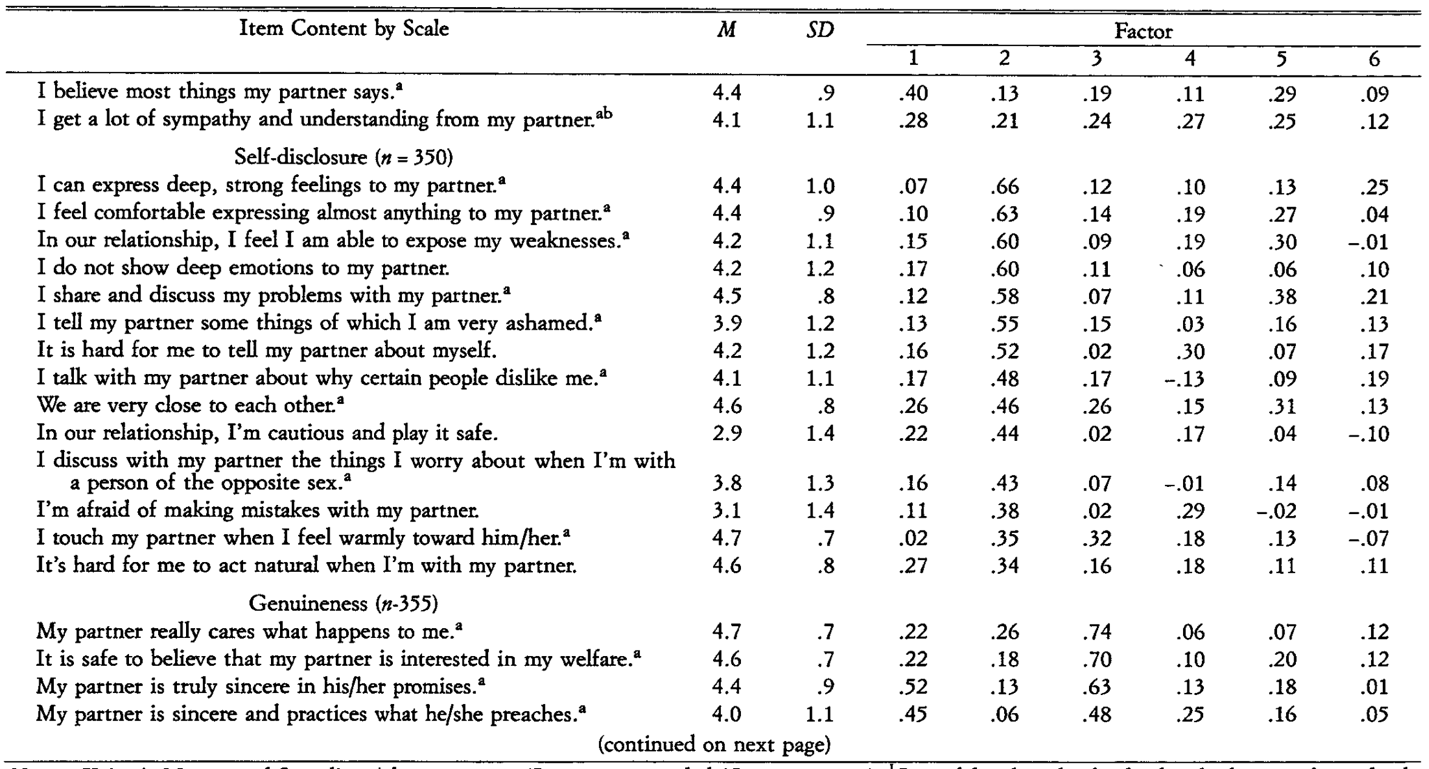
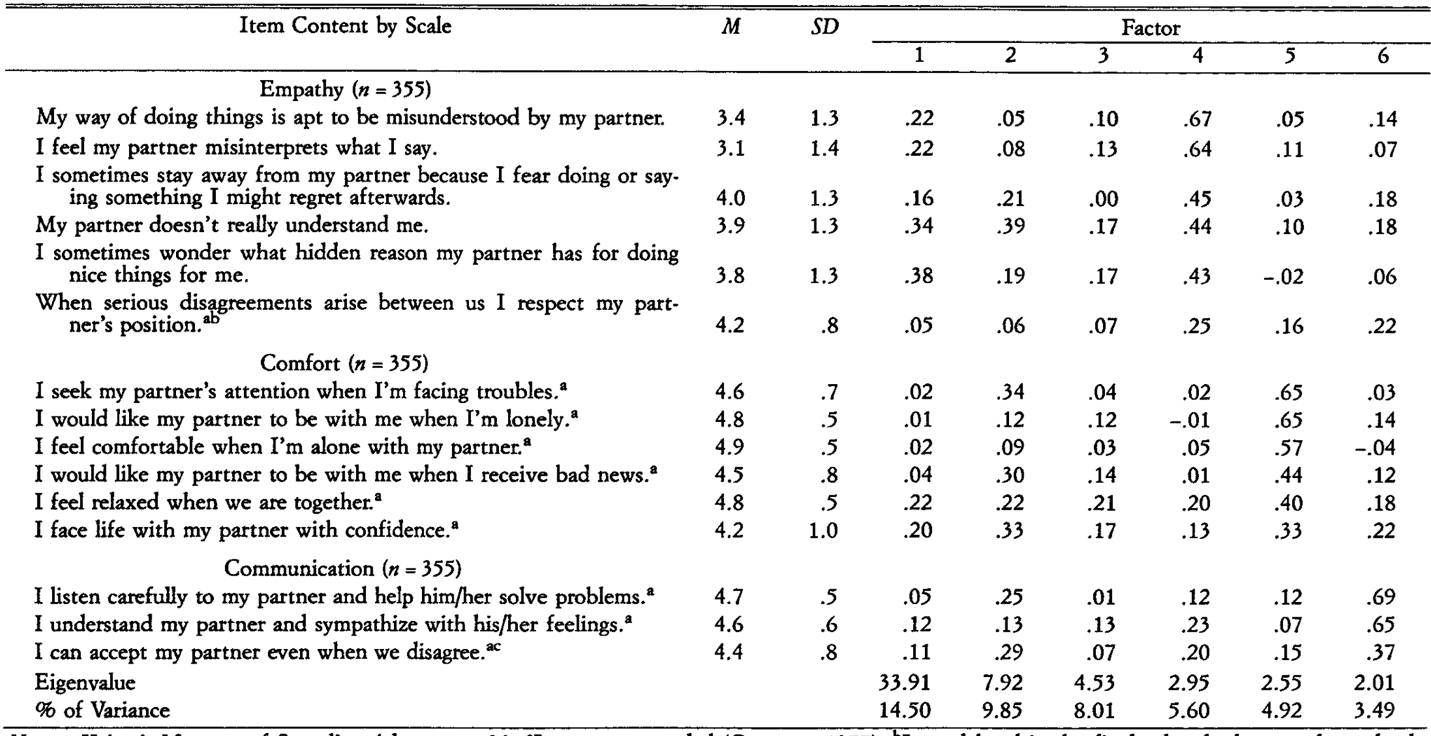
The use of standardized scales is proposed to investigate the impact of social media on interpersonal attitudes among individuals. In particular, the 49-item modified Henry & Robinson interpersonal relations scale, which has shown high performance in already published authoritative work, can also be used for the current thesis research (Garthoeffner et al., 1993; Muhammad & Aliyu, 2022; Dredge & Chen, 2020). The original scale is shown in Appendix A: It is noticeable that the survey includes six subscales measuring interpersonal communication characteristics such as Trust, Self-disclosure, Genuineness, Empathy, Comfort, and Communication. To use this scale, respondents indicate their agreement or disagreement with the suggested statements, after which the results are summarised by block. Thus, the use of this scale in the dissertation work is comprehensive and allows the assessment of various aspects of interpersonal relationships.
Research Methods
The methodological framework for this study is based on a quantitative paradigm for obtaining and processing data in order to analyze the hypotheses posed. An online survey was conducted among the respondents to measure their interpersonal communication behaviors in light of social media use. The collected data was exported to SPSS v.25, through which statistical analysis was conducted to explore the question. Specifically, the frequency and duration of social media use, as measured by the Olufadi scale, were used as independent variables in combination with demographic variables (age, gender), whose influence was measured on interpersonal relationship scores, as measured by the standardized Rosenberg Self-Esteem, Hendrick Interpersonal, and Henry and Robinson scales. The results were visualized using a tabular and graphical representation.
Goals and Objectives
The key objective of this study was to investigate the impact of social networks on interpersonal relationships. As the postulated aim is broad and requires multidisciplinary work, its implementation has been fragmented into separate tasks, namely:
- Using a literature review to determine the position of the problem in academic discourse.
- Postulating research hypotheses.
- Conducting an online survey among respondents to identify their behavioral patterns in interpersonal communication.
- Data collection, analysis, and interpretation using SPSS v.25 software.
- Documenting the evidence obtained and generating an academic report using MS Word.
Based on the formed objective and research questions, the following research hypotheses were postulated:
- Frequent use of social media leads to a deterioration of users’ interpersonal relationships.
- Social media activity has an ambiguous effect on users’ emotional well-being.
- There are statistically significant relationships between social media use, emotional well-being, and interpersonal relationships.
Literature Review
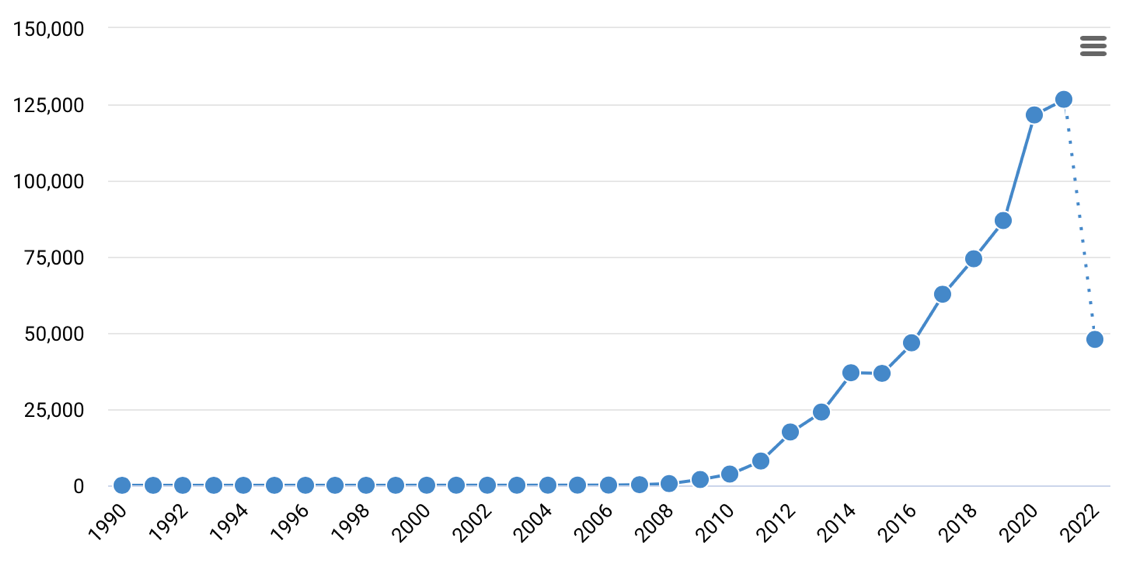
The study of the effects of social media on different spheres of society is a subject of intense debate in academic discourse. A glance at Figure 1 shows that academic interest in the impact of social platforms on interpersonal relations has been actively growing over the last fifteen years, reflecting a general trend toward the emergence and expansion of the functionality of such platforms. However, it is fair to acknowledge that the academic community is not unanimous about the impact that social media can have on relationships, and authors have tended to use different methodological approaches to derive results.
Negative Impact of Social Media
One facet of academic discourse is the belief that social media significantly alters the behavioral patterns of individuals, leading to complications in real-life communication. In particular, a survey of students has shown that the use of social negatively affects students’ communication skills and encourages them to deviate from reality in the direction of virtual entertainment (Tuan, 2021). The reason for this deterioration, Tuan cites, is a reduction in real-life communication experience.
A similar opinion is held by Christensen, who cites irritation among the specific effects of social media in light of interpersonal communication (Christensen, 2018). In particular, according to a survey, the author points out that “social media use made the user more edgy, irritated, impatient, jealous, judged, ignored, or wanting to escape in their relationships” (p. 28). The emergence of the phenomenon of irritation caused by social media is an intriguing result of the literature search and creates a need for a more detailed study of it.
Academic literature often links user irritation to the effects of intrusive or outdated advertising (Alwreikat & Rjoub, 2020). However, an examination of public sources reveals that irritation can be mediated by the phenomenon of communicative reflexivity (Carrigan, 2017). Communicative reflexivity is commonly referred to as a pattern in which users seek reactions and approval from others rather than engaging their cognitive resources (Aleinikov et al., 2021). In other words, the individual becomes irritated, and his or her reactions are ignored, combined with increased imitation of others. Concerning interpersonal communication, this irritation caused by the active use of social networks is extrapolated into reality, creating a destructive basis for interactions with people.
A significant milestone in scholarly work is the study of the impact of social media on romantic relationships between individuals. Research shows that using digital platforms increases the likelihood of partner infidelity, leading to complications in interpersonal communication, conflict, and disconnection (Abbasi, 2019). Among additional disruptive factors, the authors cite retroactive jealousy caused by an individual’s unconscious comparison with their partners’ previous experiences broadcast on social media (Frampton & Fox, 2018). In particular, monitoring the profiles of former partners creates a sense of insecurity and unworthiness in individuals.
It is also fair to acknowledge that reframing through social media also worked on a downward trend: “One male participant struggled to see why his girlfriend wanted to be in a relationship with him because of downward social comparisons he had made based on her ex’s social media presence” (Frampton & Fox, 2018, p. 7). In this case, the individual does not respect her partner’s past experiences, which threatens the further constructive development of the romantic relationship.
In other words, social media creates opportunities for multiple manifestations of retroactive jealousy, which affects the relationship’s quality. It is also fair to acknowledge that one partner’s active use of social media in a romantic relationship with regular posting harmed the relationship satisfaction of the other partner (Lee et al., 2019). Hence, investing time in social media negatively affects the relationship in real life.
Academic research, however, has used survey-based approaches and mathematical modeling concerning this problem. More specifically, through structural modeling, it has been reported that increased use of social media (Instagram in particular) leads to decreased satisfaction with personal relationships and exacerbates conflicts (Bouffard et al., 2021). It can be assumed that the reason for this decline is that users actively compare their lives with the “pretty picture” that is posted on social media, which creates false beliefs about personal comfort and leads to radical decisions.
The deterioration of offline communication provoked by an increased experience of online communication has also been widely discussed by Parvez et al. (2019). In particular, the authors proved that adolescents tried to avoid face-to-face interactions with others because they were afraid to openly express their feelings, especially in front of people of the opposite sex. In this finding, one can see a tendency for individuals to differentiate emotionally in virtual versus real settings: interacting with almost impersonal and intangible accounts promotes emotional expression, whereas offline communication inhibits this desire.
Correlation analysis to detect relationships between variables is also actively used among authors. For example, regression has shown that social networking at an early age increases introverted behavior in individuals and produces antisocial patterns that degrade the quality of real-world communication (Adrianto & Ariesta, 2021). Researchers attribute this factor to children’s active immersion in the media and the consequent neglect of the importance of developing experiences of non-virtual communication. The correlational analysis also showed that as Instagram use increased, young respondents’ alexithymia, in which the individual has difficulty finding words to openly express their feelings, intensified (Mersin et al., 2020).
Other studies have also linked active smartphone use to an increase in alexithymic tendencies among users, which poses threats to a deeper understanding of one’s identity and consequently has a destructive effect on interpersonal relationships (Gündoğmuş et al., 2021). In other words, the active use of social platforms reinforces the inability to recognize one’s feelings qualitatively.
The reasons for the deterioration of real-life relationships on the part of social media are also the transfer of behavioral patterns and habits of virtual reality to a qualitatively different environment. In her TED talk on the impact of social media on friendships, Mayurakshi Ghosal stated that “…social media apps such as Snapchat and Instagram could be a great way to keep in touch with friends and family, but over-reliance on these could lead many people, especially teenagers to unknowingly build relationships that are meaningless” (TEDx Talks, 2019, 5:02). In these words, Ghosal pointed to the nature of virtual relationships between users (even those who know each other personally), which involves maintaining a connection without real friendship.
To put it another way, individuals actively involved in social networks lose their emotional and psychological connection to online users, which is reflected in the quality of such communication. These ideas can also be extrapolated to offline communication, as individuals trained in this mode of communication can unconsciously translate it to real-life relationships. This assumption is supported by Christensen (2018), who points out that the quality of emotional attachment deteriorates due to social media use.
An additional contribution to this problem is made by Nesi et al. (2018), who report that users tend to misinterpret and bias text messages on social media due to the lack of non-verbal confirmation, be it intonation, body language, or facial expressions. Thus, the multiple studies discussed in this section have confirmed the destructive impact of social media on interpersonal relationships and postulate the threat to the quality of such relationships in the context of the overuse of media platforms.
Positive Impact of Social Media
On the other hand, academic discourse participants tend to consider social media’s positive effects on individuals’ relationships. One of the most obvious manifestations of these effects is the very communicative nature of social media that connects individuals online. Through social media, users stay in touch with friends and family that they cannot communicate with in person due to geographic or other limiting factors. For example, it has been statistically confirmed that sharing Instagram and Snapchat is positively associated with friendship building, meaning that using such platforms allows for stronger interpersonal relationships (Pouwels et al., 2021). For Instagram, active self-presentation by individuals on the platform has also strengthened friendships (Lee & Borah, 2020). In other words, investing time and effort in developing a personal social network profile improved the quality of relationships between young people.
In this sense, it is fair to quote excerpts from the history of the creation of the largest social platform, Facebook, which was founded on 4 February 2004 by Harvard University sophomore Mark Zuckerberg (Hall, 2022). More specifically, Zuckerberg’s mission was to unite the University’s fragmented student community and create a unified network that would allow them to exchange opinions, build relationships, and keep in touch even at a distance. In other words, the philosophy of the social network is to form a communicative community of users and enable them to form personal relationships. An interesting perspective on the positive impact of digital platforms was reflected by Garde-Hansen, who stated that the use of mobile phones with a camera strengthens friendships between people (Garde-Hansen, 2020). In particular, the emergence and development of rapid photography with the ability to upload to social media enhance individuals’ collaboration and positively impact their relationships.
For many previous works examining the adverse effects of social media on interpersonal relationships, the authors followed a mirror-image paradigm, during which behavioral patterns and communication styles were extrapolated to offline interactions and vice versa. Nesi et al. (2018) state that this approach is not truly correct, as it does not imply different contexts of the two communication environments. Thus, the authors argue that the transformational paradigm proves to be more successful because its core is based on the recognition of social media as a new form of communication that does not necessarily require the repetition of offline communication habits. In particular, it is argued that “the availability of social media allows for more time spent communicating with existing friends” (Nesi et al., 2018, p. 280). The excerpt from the study directly postulates the strengthening of relationships between people if they already knew each other offline — the use of additional communication channels through social media intensifies communication and stimulates intimacy in dyadic relationships.
The emotional support of social media is also reported, namely the effect of asynchronous communication, which gives individuals time to reflect on their words and cool down during online conflicts with loved ones. These findings are supported by additional work indicating that the advent of social media creates new horizons for communication, resulting in a mixed approach to communication for individuals: online and offline (Décieux et al., 2019). More specifically, the emergence of online communication has expanded traditional forms of communication but has not led to their complete disappearance. This creates ample opportunities to develop relationships in new environments; according to the author, such opportunities do not change the fundamental nature of friendship between individuals.
The positive effects of social networks, both direct and indirect, on relationship dynamics include compensatory properties. In particular, research reports that users can find emotional support in social networks and compensate for lack of attachment in real life due to parental attention at an early age (D’Arienzo et al., 2019). Based on this finding, it is reasonable to assume that an individual trained in communication and attachment patterns through social media can more easily extrapolate these skills to offline interactions, which creates opportunities for successful relationship development.
Additionally, the use of social media has been found to serve essential emotional-cognitive functions, including opportunities for self-regulation and the satisfaction of personal needs (Reinecke et al., 2021). Consequently, social platforms provide opportunities for individuals to develop their well-being, creating the conditions for more favorable dynamics and interpersonal relationships. It has also been reported that the increasing power of social media, including alternative reality features and the creation of virtual avatars, has increased the sense of belonging among individuals and enabled them to build better relationships with strangers (Zamanifard & Freeman, 2019). Virtual manifestations of real-life movements and behavioral patterns were perceived by respondents as authentic, creating opportunities for social communication among introverted individuals who have problems in real-life relationships.
In addition, such communications allowed for long-distance relationships, including those between partners previously known offline. A survey of Australian residents on their perception of the effects of social in light of the development of interpersonal relationships reported that users indicated high relationship satisfaction if their income level was above average and if initial social network use was motivated by a desire to keep in touch with friends and family (Whiteside et al., 2018). In other words, relationship satisfaction from social network use is seen as a function of multiple variables, from which it follows that digital platforms can be useful for building interpersonal relationships.
In the context of the research question, the positive impact on individuals’ relationships was also measured for older respondents. This creates research interest, as in most of the studied works, the impact of social platforms was measured preferentially for younger audiences. For example, older people who were more likely to use social media reported fewer negative moods and were more benevolent toward others (Kim & Fingerman, 2022).
However, this finding was only specific to those older individuals who had few social connections in the virtual space — as a consequence, for older users, social media allowed for improved emotional well-being and a positive effect on social activity. It has also been reported that older people increase the frequency of communication relationships with other users in the presence of social media, which reduces intergenerational social isolation (Wang et al., 2018). Consequently, even older users are found to be able to effectively develop relationships with younger individuals, which has a beneficial effect on the development of interpersonal communication.
An essential factor in positively influencing the development of favorable relationships is the information agenda aired through the platforms. In particular, social media are actively used to highlight socially relevant issues and promote healthy values, whether it be a rejection of domestic violence, gaslighting, passive aggression, or intolerance (Datts, 2020). By increasing the time spent using such platforms, individuals are exposed to this information, enabling them to engage in a culture of healthier relationships and constructive dialogue. No research has been found to quantify this connection, but it is clear that broadcasting this agenda on social media ultimately aims to strengthen romantic, friendship, and family relationships.
Regarding developing interpersonal relationships, it is worth mentioning that social networks allow individuals to meet and develop friendships. Many social networks, including Tinder, focus on building friendships or romantic relationships between users, which means their existence allows relationships to be established and strengthened. In particular, it is reported that “Tinder contributes to the standardization and even McDonaldisation of romance, in which fast love and intimacy are pursued and consumed in an accelerated fashion, redefining socially expected scenarios for relationships” (Stoicescu, 2020, p. 1). In this sense, it should be emphasized that for those individuals looking for quick love and purposefully using social platforms to find relationships, the existence of networks such as Tinder significantly optimizes life and positively impacts the development of interpersonal relationships. A great argument to support this point is to refer to testimonials from real people who have used Tinder to find relationships:
“I met my wife through Tinder… We are extremely blessed to have found one another. 3 years later, we’re currently married with a baby on the way…”
“I cannot express enough how lucky I am to have found my forever! I was about to delete my subscription and decided to take one last look and I found “HIM”! We matched in March, and he proposed July 3rd… He is my missing piece! The person that feeds my soul! Here’s to our 8 kids and FOREVER” (SiteJabber, 2022)
These two pieces of feedback clearly show the stories of real people who have been able to find relationships and build families on social networking sites quickly. Such stories cannot be ignored in the context of the topic at hand, as they show how positive the impact of such platforms can be on the development of relationships. In fact, in this sense, Tinder is a one-time network, as once people have been able to find love there, they tend to delete the app and no longer use it because it is no longer needed.
Thus, multiple studies show the positive effects of social networks on developing friendships and family relationships. The authors cited in this section confirmed that social networks create an additional communication channel between offline users who know each other, strengthening their relationships. Among others, social networks have the property of asynchronous communication, which can be helpful when there is a conflict between individuals — allowing time for reflection reduces the excessive emotionality of conflict and allows them to reflect on their mood, which in the long run also has a positive impact on the well-being of relationships.
Many authors have argued that social networking improves an individual’s emotional and cognitive states, making the individual more aware and emotionally stable, consequently strengthening interpersonal relationships. It was also reported that for older users, social media creates an excellent opportunity to remain socially engaged and feel on par with younger individuals while building virtual relationships. Finally, the mighty catalyzing power of social platforms to quickly find relationships and build families was shown, as demonstrated through two Tinder user stories.
Conclusion
The literature review was used as a powerful tool to find relevant and credible academic evidence that reveals the attitude of the academic discourse toward the issue under study. It is fair to acknowledge that the literature review could not provide an unequivocal opinion on the influence of social media on the development of relationships. On the one hand, multiple authors have shown that the use of social media (and in some cases increased activity) favors relationships, strengthens friendships, and optimizes the search for new acquaintances. From this perspective, it is clear that the emergence of such communication platforms is a fundamental development that significantly improves the practice of relationships between users.
On the other hand, the authors agreed that the overuse of social platforms is destructive to the development of relationships, making them more indifferent and introverted. Thus, excessive user activity on social networks and exposure of children from an early age to the platforms, according to the findings of many researchers, negatively affects relationships and inhibits their positive dynamics. The overall conclusion is that authors do not tend to unify the impact of social media on relationships and instead present largely opposed and sometimes contradictory results. Against the backdrop of the studies reviewed, it is natural to conclude that there is a dearth of unique, generalizable evidence on the topic in the academic literature.
Research Methodology
Literature Review
One of the target cores of the methodological framework of this study was a literature review based on academic evidence. The essence of this approach was to explore the state of the agenda of the topic under study — the impact of social networks on relationships — in academic discourse. The following academic databases were used to implement the literature review: Google Scholar, ResearchGate, AcademiaEdu, and Web of Science. The following conditions were chosen as criteria for the inclusion of the literature search of relevant materials:
- Year of publication from 2017 and above;
- Writing in English;
- The possibility of free access to the full-text file of the material;
- Relevance of the topic covered;
- The credibility of the journal and author(s)
The five inclusion criteria described above were used to search for relevant sources that allowed for an assessment of the state of the academic agenda. In order to implement these criteria, the built-in settings of the digital databases were used. It is worth clarifying that the authority of the author and the journal was checked by analyzing the focus of the journal in which the material was published, as well as examining additional articles (if any) that were also written by that author(s). Thus, it can be postulated that only authoritative, peer-reviewed material was used for the literature review. In addition, the following keywords were used to find relevant sources:
- “Social network effects”;
- “Social networks and relationships”;
- “The effects of social media on friendship”;
- “Effects of social media on romantic relationships”;
- “Social media” AND “Relationships”.
Only relevant sources were found in the digital databases using these five keywords. The review strategy consisted of a cursory reading of the materials, searching for excerpts related to the current research topic, and a careful reading of the Results section, if available. This solution saved much time when collecting and reading the literature and only found items directly related to the research problem.
Research articles and other academic materials — books, reports, statistics — were analyzed together to cluster them based on the point of view tested by the authors. In this way, it was possible to create two clusters within the literature review in which researchers did or did not subscribe to the idea of social networks’ positive or destructive effects on relational dynamics. This approach, among others, created a critical examination of the topic under study and revealed the lack of generalizable, goal-oriented knowledge in academic discourse.
Design of the Primary Study
The central aim of this thesis research was to investigate the effects of social networks on developing interpersonal relationships. Thus, the second methodological core of the present study was based on a quantitative paradigm to obtain primary data and examine them statistically. The quantitative approach to data collection and analysis was motivated by the desire to increase the objectivity of the study and to obtain data that was less dependent on subjective perceptions; increasing the sample size was also aimed at achieving this goal.
Research Philosophy
The ontological basis of this study was based on the philosophy of pragmatism, which postulates various ways of interpreting the phenomenon under study. Taking pragmatic research postulates as a basis, the author of this thesis was inclined to choose the most appropriate, optimally describing the existing patterns of methods that provide answers to the research question posed. The essence of pragmatic philosophy is based on understanding the subjectivity of the respondent’s perception of reality, which means that each individual tends to make individual decisions in the context of the problem under study (Clarke & Visser, 2019). In other words, it is recognized in the study that some respondents may view social media positively for their relationships, while others will tend to view these platforms destructively. Thus, the qualitative knowledge found through this study was primarily based on subjective experience, which fully reflected the strategy of the research question.
Collecting Data
The data collection procedure for this dissertation study was based on the use of a questionnaire to interview respondents, which allowed primary data to be obtained directly from participants. Before completing the questionnaire, the trial participants signed the participant letter, the consent form, and the ethics approval form. The questionnaire proposed for completion consisted of five blocks assessing distinctive characteristics and patterns.
Thus, the first block consisted of six questions and measured the demographic characteristics of the respondent: this included gender and age. Ethnicity and current relationship status, as well as the duration of the marriage relationship — if applicable — and the choice of social platforms on which the person is registered. The second block of the research questionnaire was the Olufadi Social Media Scale, which measures an individual’s virtual activity (Olufadi, 2016). Specifically, two questions in this block dealt with the average number of daily accesses to social platforms and the average amount of time an individual spends on social platforms.
The third block characterized the Rosenberg Self-Assessment Scale, which allowed people to conduct a personal self-assessment on ten questions measured on the classic five-point Likert scale (Rosenberg, 1965). Examples of specific questions included personal perceptions of the respondent as a decent person with good qualities, capable of doing good deeds. The fourth block of the questionnaire assessed interpersonal relationships, also based on a five-point Likert scale. The questions in this block were based on the seven-point Hendrick scale and measured, among others, relationship satisfaction, problems, and trust.
Finally, the fifth block of the questionnaire, the largest, consisted of 49 evaluation statements based on the Henry and Robinson scale (Garthoeffner et al., 1993). The questions in this block were also designed to be answered on a five-point Likert scale and extended to questions in block four. Thus, the entire questionnaire consisted of 89 questions differentiating between the respondent and their perceptions of interpersonal relationships, whether intimate, friendly, family, or romantic.
The questionnaire was created online on the Power of Opinions platform, and a link to the questionnaire was generated and sent to acquaintances and loved ones via social media and email. The questionnaire was open for almost two months, from 16 March to 9 May 2022, when respondents could click on the link and complete the questionnaire. On 9 May 2022, the collection of responses was closed, and the results were uploaded to an.xlsx file for initial processing.
Scales Used
Standardised scales were used to measure measures of interpersonal attitudes. The Rosenberg Self-Assessment Scale is a time-tested individual report to determine an adult’s level of self-esteem, measured by a ten-item survey that uses the individual’s degree of agreement or disagreement on a Likert scale for responses (Rosenberg, 1965). The Hendrick Interpersonal Scale is a reliable and valid tool for testing love relationships between partners, consisting of 7 items, also determined by the Likert scale (Hendrick, 1998). Finally, the paper also used the Henry & Robinson 49-item scale, which breaks down the whole essence of the interpersonal relationship between partners into six blocks, for which respondents have to determine their degree of agreement with the statements (see Appendix A).
Primary Processing
After uploading the data to MS Excel, primary data processing was carried out to prepare the distributions for statistical analysis. This included reviewing all records and removing rows where information was invalid because unreadable punctuation marks were used or some responses were omitted. In addition, technical columns containing information on unique participant identification number, date of completion, and information on the source used to complete the questionnaire were removed, as this information was not relevant to the study.
It is worth clarifying that to optimize initial data processing; there were two test questions in the survey questionnaire that allowed respondents to detect inattentiveness: this included asking them to select the color and number they were shown. A total of 2.88% (n = 15) of the individuals in the sample (n = 520) could not answer these questions correctly for various reasons. Lack of care in completing the control questions could also indicate carelessness in other elements of the questionnaire, so it was decided to remove the entries of these fifteen respondents from the final sample to increase the validity of the results. Thus, only information-useful and structured responses were used for analysis. When the primary processing was completed, the file was imported into IMB SPSS v.25 for further analysis.
Profile of Respondents
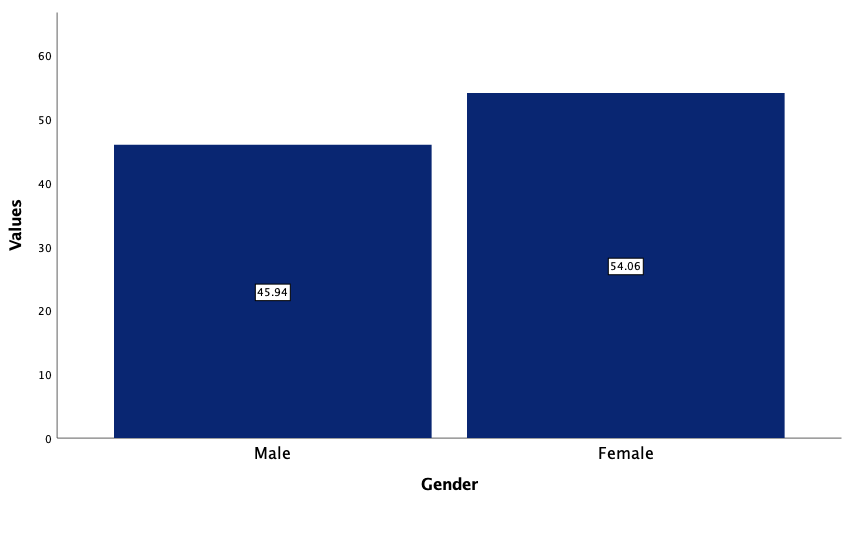
The calculated average time to complete the questionnaire was about 12 minutes, which was optimal enough for the respondent to answer all 89 questions qualitatively and not get tired while completing the questionnaire. The final sample size was 505 participants; 54.06% (n = 273) identified themselves as female, and the remainder (45.94%, n = 232) were male, as shown in Figure 2. In terms of age distribution, the mean age of respondents was 55.45 years (SD = 16.73), with the youngest respondent aged 18 and the oldest aged 86. Thus, the sample was predominantly focused on adult respondents who had experienced relationships both in times of the absence of social networks and in recent decades of their active development.
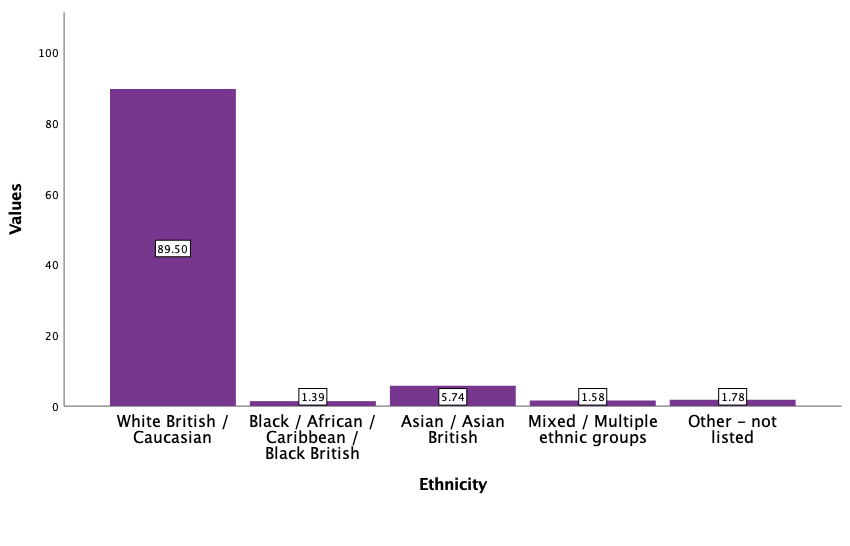
When discussing the profile of respondents, it is also noteworthy to touch on additional demographic characteristics reflecting ethnic and social patterns. Thus, in terms of ethnicity, the predominant majority of respondents (89.50%, n = 462) claimed to be White British/Caucasian; other ethnic groups were also represented, but in much smaller numbers, as shown in Figure 3.
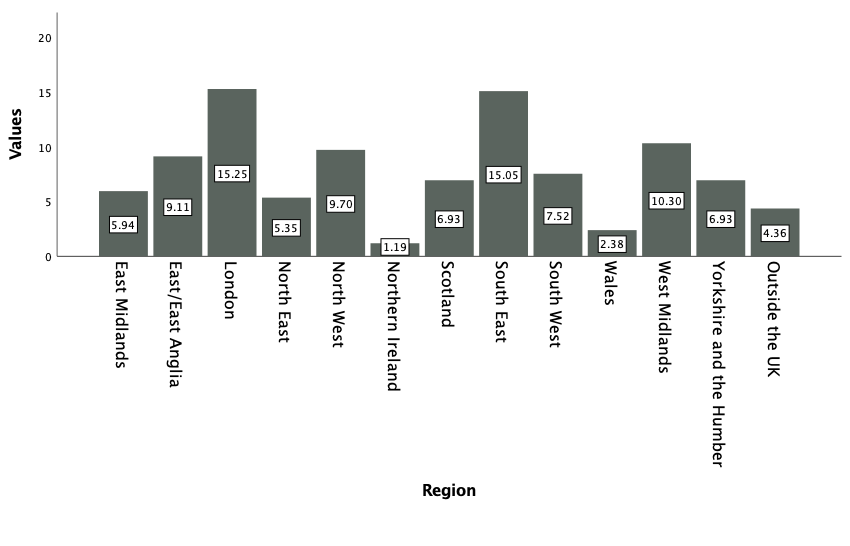
As shown in Figure 4, in the context of geographical location, the majority of respondents (15.25%, n = 77) were from London and Southeast England (15.05%, n = 76); however, other regions of the UK were also widely represented, increasing the diversity of the sample in terms of geographical distribution. This included 4.36% of individuals (n = 22) reporting a geographical affiliation outside the UK, allowing the sample to be considered more diversified.
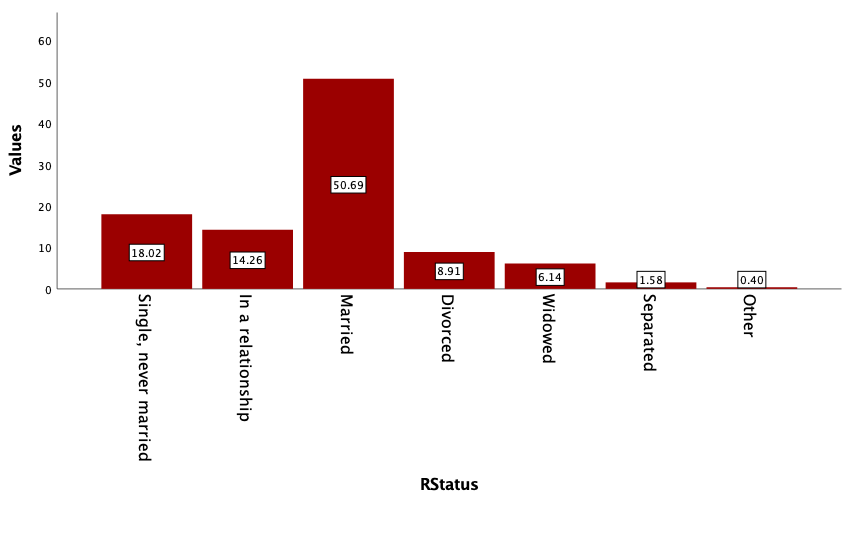
Meanwhile, most participants in the sample (50.69%, n = 256) stated that their relationship status was ‘married’, with alternative status options also represented in the sample, as shown in Figure 5. Notably, among those participants who reported being in a relationship, the average relationship duration was 26.07 years (SD = 17.51), indicating a relatively long relationship. The longest reported relationship duration was 65 years for a woman who reported her age as 72, suggesting that she started her first relationship — probably a friendship relationship — when she was seven years old.
Ethical Considerations
All principles of academic integrity and quality standards were observed in the preparation and execution of the literature review for this dissertation. In particular, only freely available academic papers were used. In doing so, each material has been carefully cited according to APA methodology. Thus, there was no plagiarism or illegal use of scientific material.
A survey was prepared for the preliminary study, and participation was strictly voluntary. The ethical considerations of the survey included fully informing participants about this research project’s aims and objectives and confirming informed consent through a check-box question. In addition, participants were asked to write a code word in case they wished to delete their questionnaire and withdraw their consent to participate.
It is worth clarifying that participation in the questionnaire was utterly anonymous: respondents were not given names or email addresses, thus eliminating any possibility of identifying the true identity of the participant. The anonymization of the questionnaire was necessary to create comfortable and safe participation in the study, especially in light of the sensitive topic to be explored, which is related to personal feelings about relationships. In other words, the anonymization of the data was aimed at increasing the safety of respondents in completing the questionnaire.
Statistical Analysis
This thesis used statistical analysis to process the data and objectively obtain informative results. The analysis was conducted in IMB SPSS v.25 with a prepaid subscription. Statistical analysis components included descriptive tools such as frequency distributions, measures of central tendency, and elements of variation analysis. Histograms and tables were used to visualize the results.
In addition, inferential statistics were also used to summarise the results of the sample analysis for the general population. Specific tools of statistical analysis included stepwise regression, which made it possible to assess the mutual influence of variables on each other. A critical significance level of.05 was used for the statistical tests, from which it follows that appropriate p-values greater than this value led to statistically insignificant results. In addition, Cronbach’s alpha test was used to test the internal consistency of the questions within the test.
Obstacles in Execution
During the execution of the procedures of the present dissertation research related to the literature search and the collection and processing of primary data, several obstacles were encountered, the overcoming of which became part of the methodological practice.
In the context of the literature review, not all materials whose abstract was judged to be highly informative were in the public domain — such works, following standards of ethical integrity, were not used in the literature review. The search also found ambiguous papers about social media’s effects on relationships, revealing both positive and negative effects. Such papers were either used in both parts of the literature review or only in one part if one of their findings overlapped with those already described earlier.
In addition, two questions were built into the questionnaire designed to test the subjective honesty of the respondents: they had to answer which color and which number they saw in front of them. However, not all participants could answer this question correctly; nevertheless, it was decided to keep their entries, as the real reason for the incorrect answers was unknown.
Results and Analysis
Introduction
The central aim of this study was to determine the effects of social networks on perceptions of interpersonal relationships and to find an answer to the question of whether — and if so, what — social networks can impact relationships, be they friendships, family, or romances. Using a questionnaire survey approach fully answers the research objective, which is based on a pragmatic philosophy. The results were obtained by statistical data processing using IBM SPSS v.25: relevant tables, visualizations, and equations are given.
Checking Validity
One of the essential tools for statistical data processing is an internal consistency check of the questionnaire questions, answering the question of whether the questions reliably measure a critical variable, namely the effects of social networks on attitudes. Cronbach’s alpha was used to measure the reliability of the questionnaire items, which was measured using a Likert scale. The calculated value of Cronbach’s Alpha was 0.751, indicating a high consistency between items. Notably, removing some items increased the overall level of reliability, but the increase was only 0.5%, suggesting that removing these items was inappropriate. Thus, the questionnaire was reliable and measured the desired effects.
Social Activity
Among the survey questions was identifying which digital platforms respondents use and with what frequency. From Table 1 below, it is noticeable that the majority of users (60.0%, n = 303) use Facebook; additional popular platforms include YouTube (38.6%, n = 195), Instagram (36.4%, n = 184), and Twitter (28.9%, n = 146). In addition, approximately one-third of the sample stated that they did not use social media. The correlation analysis showed a moderate relationship between not having a social media account and respondents’ age: r =.532 (p =.000), suggesting that respondents are indeed more likely to abandon social platforms as their age increases.
In addition, as part of the study of respondents’ social activity, quantitative parameters were measured on the frequency of attendance and duration of use of Facebook. The choice of this particular platform was motivated by its high popularity among both the general population and the sample. Most notably, there was a high degree of consistency between respondents’ choice of Facebook as the social network used (n = 303) and the number of completed responses about the time of Facebook visits (n = 303), further indicating the increased reliability of the data.
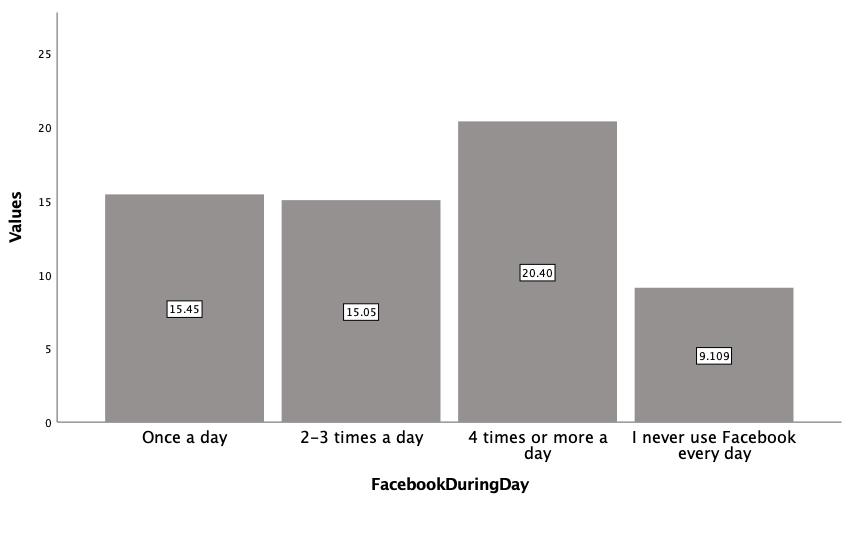
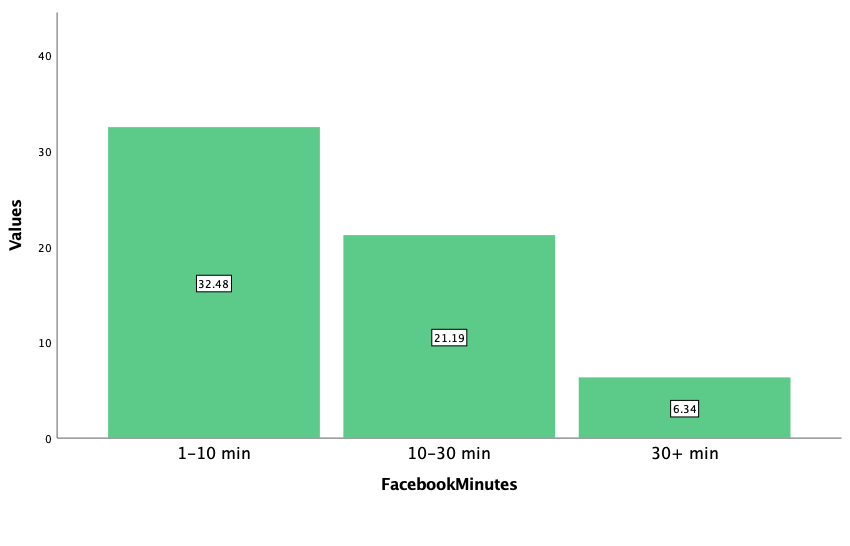
The results showed that the most popular response amongst individuals was to visit the social platform four or more times a day, with 20.40% (n = 103) of individuals stating this. However, the summary statistic for 1 to 3 visits per day was 30.50% of respondents (n = 154) of the total sample, indicating that a large proportion of individuals were not inclined to visit Facebook more than three times per day (Figure 6). Additional results (Figure 7) illustrate that the majority (32.48%, n = 164) of those respondents who use Facebook do not tend to spend more than 10 minutes on the platform, with approximately one in ten respondents stating that they can use Facebook for more than half an hour during the day.
Regression
Stepwise regression (2SLS) was used as an iterative model to test for significance after each procedure of adding or removing independent factors. For testing, the questionnaire questions were structured in blocks, as follows from the original scale (see Appendix A). In addition to questions related to social media activity, demographic variables were also used as independent variables, which included the age and gender of participants. Their use was motivated by the desire to assess potential effects when the gender and age of respondents were involved; in other words, the question was whether these variables could have a meaningful effect on the change in the regression models constructed or whether demographic characteristics had no moderating effects.
Self-Esteem by Rosenberg
Table 2 shows the results of the 2SLS analysis for self-efficacy as measured by the Rosenberg scale. The table clearly shows that only the second model, which includes the demographic characteristics of the respondents, is significant. It also reveals that the metric of time spent on Facebook during each session decreases the respondent’s self-esteem — in other words, the model showed that the more time an individual spends on Facebook, the lower their self-esteem level.
Characteristics of Interpersonal Communication by Hendrick
A similar model was applied to aspects of interpersonal relationships, which include satisfaction, problems, and trust as measured by the Hendrick scale. Table 3 reports the results of this analysis: in this case, both models were statistically significant, but only the time spent using Facebook again had a significant effect on the aspects of interpersonal relationships. In this sense, demographic characteristics were not necessary, as both with and without them, both 2SLS models were significant. It follows that less time spent on Facebook leads to better indicators of interpersonal communication (satisfaction, problems, and trust) and vice versa.
Henry & Robinson Scale
Additionally, stepwise regression was applied to the Henry & Robinson 49-item scale to test the effect of variables on the dimensions of Trust, Self-disclosure, Genuine, Empathy, and Comfort; Table 4–8 shows the results of these tests. Table 4 reports that both stepwise regression models are significant, and thus, demographic characteristics are not significant for the findings.
However, only the time spent per session on Facebook was statistically significant. It follows that the more time an individual spends on Facebook, the worse their level of trust in their partner, whether a friend, a love partner, or a relative. The results of Table 5 are similar: more time spent on social media lowered an individual’s level of self-disclosure in a relationship. However, one should be careful with this finding as the regression models built were generally not statistically significant.
Table 6 below shows the 2SLS results for Genuine levels in interpersonal relationships. Both patterns were found to be significant, but again, only Facebook time was associated with Genuine: the more time an individual spent on the social network, the lower Genuine was in the relationship. The same relationship was found in the context of empathy (Table 7) — more time spent on Facebook led to lower empathy. Remarkably, statistical significance was also found for demographic aspects. In other words, the older an individual was, the higher their level of empathy in relationships was, and this was more common for women than for men.
Finally, Table 8 reports stepwise regression results for comfort levels in interpersonal relationships. In this case, both models were not significant, and it was found that increasing time spent on social networks led to a decrease in relationship comfort.
Conclusion
To summarise the regression analysis, most of the models were found to be statistically significant; in other words, the relationship between the variables was confirmed in most cases. The use of gender and age of individuals led to significant models but showed the statistical significance of the coefficients only in the case of empathy. Empathy was shown to increase with age, with higher empathy for women than for men. Otherwise, demographic characteristics showed no significant effects on aspects of interpersonal relations.
It was also observed that an increase in the time spent using Facebook during each session correlated with a deterioration in interpersonal relationship parameters. Based on a stepwise regression, it was found that those users who tended to use social media a lot showed worse empathy, comfort, genuineness, self-disclosure, trust, self-esteem, and other interpersonal characteristics based on standardized scales. Notably, the coefficient of determination in each of the analyses did not exceed 0.103 (0.091 for the adjusted coefficient of determination), suggesting that the models, while significant, were generally not very consistent with the variance of the data.
Level of Happiness in Everyday Life
An additional question of interest was to establish individuals’ overall perceptions of happiness over the last 20, 10, and 5 years and at the time of completing the questionnaire. Table 4 below provides intriguing results: one such finding is the understanding that the level of absolute happiness of individuals has gradually declined over time while, in contrast, the level of absolute unhappiness has risen. There has also been an increase in the number of respondents who are uncertain about their perceptions of happiness in life.
Notably, the number of pleased respondents increased slightly over the five years: 0.7 and 0.8 percentage points, respectively. However, the increase in the number of people who were completely unhappy over the same period was higher, amounting to 1.4 percentage points. In other words, a general drop in the level of happiness for the sample, as well as an increase in the level of unhappiness, was observed despite some detailed dynamics.
A World Without Social Media
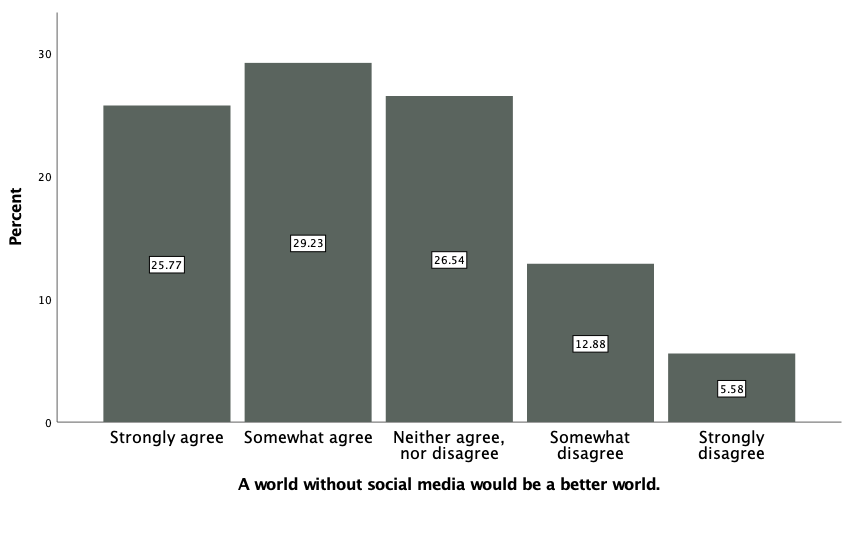
Participants were asked to score the claim that the world would be a better place without social media in one of the questionnaire’s last items. In the context of the results already found, this question allowed us to summarise the general views of the sample. Figure 8 demonstrates the trend of responses to the question: It is noticeable that most respondents (55%, n = 286) strongly agreed with the statement, with almost one in three participants (26.5%, n = 138) being unsure of the choice.
The finding suggests that social media generally is not very satisfying for respondents, so they could easily imagine a better world without it. In this context, it was interesting to investigate whether this tendency was related to the age distribution. The calculated correlation coefficient showed a value of -.139 (p =.001), which shows that as the age of the respondents increases, they are less likely to disagree with the statement. In other words, younger respondents were less able to imagine a better life without social media.
Discussion
The central theme of this dissertation research was to try to discover the relationship between the use of social networks and their impact on relationship patterns in light of the duality of opinion found in the literature review. For the paper, data were collected from 505 respondents, each of whom rated their social activity and perceptions of relationships, whether friendly, intimate, or familial. Stepwise regression analyses were conducted to identify relationships; the results showed that increased time spent using social media was positively correlated with relationship problems. Specifically, the more an individual tends to use social platforms during a session, the worse their interpersonal communication performance will be, which includes trust, self-esteem, empathy, and comfort.
In the context of trust, it was found that a sense of mistrust of a partner, a desire to be constantly vigilant, and doubts about the truthfulness of a display of care were all dictated by increased use of Facebook. It is worth clarifying that these social networks are platforms related to the perception of visual media content and ‘pretty pictures,’ which may indicate that the person is trying to transfer what they see into real life and is sad when this fails (Bouffard et al., 2021). Feeling sad makes partners trust each other less and not rely on sincerity, as this often leads to waiting problems. The fall in relationship trust stimulated by the intensification of social media activity found by other authors has also been confirmed (Frampton & Fox, 2018; Abbasi, 2019). Thus, Facebook use has been statistically confirmed to be associated with relationship mistrust issues, and these findings are consistent with other literature.
In the context of feeling comfortable and safe in a relationship, increased use of social media was associated with feelings of personal discomfort when communicating with a partner due to the potential fear that the partner would hurt their feelings. In this finding, support can be found for a study by Parvez et al. (2019), which states that people are afraid to be open about real communication. Consequently, the individual tries to avoid a face-to-face conversation with their partner and intentionally or unintentionally increases their virtual presence, which in turn lowers comfort levels in the relationship — creating a cycle that intensifies over time. Thus, excessive social activity in a virtual environment does determine partner discomfort and stifle the possibility of honest interpersonal relationships.
In the context of general characteristics of interpersonal relationships, as measured by the Hendrick scale, it was found that increased activity on Facebook led to people feeling that their relationships were full of mistakes and difficulties related to misunderstandings between partners. Socially active users reported lower overall relationship satisfaction and a reluctance to show deep emotions to their partner – a similar finding by Lee et al. (2019) and Mersin et al. (2020), who showed that social activity correlated with relationship dissatisfaction and alexithymia respectively. In other words, the more time a person devotes to social media, the worse the perceived quality of their relationship with their partner.
Finally, more time spent on social media also showed an effect on empathy in relationships, and this pattern appeared to be gender- and age-dependent (Löffler & Greitemeyer, 2021). Older women were the most empathic, whereas men showed a lower tendency to be empathic. Notably, an increase in social activity was positively associated with a worsening of empathy scores: the more an individual used Facebook, the less willing they were to empathize. This may be related to the distorted perceptions of emotions and feelings provoked by social media, which extrapolate into real-life communication experiences and result in relationship problems.
Notably, respondents stated that the level of happiness in their lives has decreased over time. One implication of this finding could be to suggest that this decline may be related to the active development of social platforms — the fact that twenty years ago, people had higher levels of happiness than now may be related to the emergence of social media. However, the average age of the sample should also be considered, as it is known that adults tend to romanticize their past and prejudge their past emotions and memories (Bagdasaryan & Korol, 2019). It’s intriguing to note, nevertheless, that most individuals believe that the world would be a better place without social media.
Limitations
There were some limitations to this study. First, the study was predominantly conducted for UK residents, which limits extrapolating the results to other countries. Second, the average age of the sample was 55 years old, making the study focused predominantly on adult users and weakly exploring patterns prevalent among younger audiences. Thus, the critical limitations of the study are associated with demographic characteristics, making it difficult to scale the findings.
Directions for Future Work
An important direction for future projects is to conduct parametric tests (ANOVA, t-test) to judge demographic differentials in the context of social networks. The results obtained can be extended by using deeper inferential statistics, giving insight into potential differences in the relationships of social media effects for young and adult audiences, women and men, and ethnically and professionally diverse groups. Meanwhile, expanding the sample to include more countries would cover a fundamental limitation of the study and make a global contribution to the development of social network psychology.
Conclusion
Social media are a new-age tool that significantly increases the communication capacity of users. With the development of such platforms, identifying the potential impact of social media on the development of interpersonal relationships has become an important task. Changes in behavioral patterns caused by the new communication environment were also expected to affect interpersonal relationships.
In the present study, social activity in social networks (duration, frequency — Olufadi scale) and demographic aspects (gender, age) were used as independent variables for which the extent of their influence on the characteristics of interpersonal relationships was measured. In particular, the dependent variables were standardized and time-tested: the Rosenberg Self-Assessment Scale, the Hendrick scale, and the Henry and Robinson scale were used.
Using stepwise regression analysis, it was found that the increased use of social media had a number of damaging effects on levels of trust, satisfaction, empathy, self-esteem, and relational comfort. The active use of such platforms negatively affects the quality of interpersonal relationships and leads to conflict. According to respondents, now that social media have become especially popular, they feel less happy than they did decades ago. In other words, the thesis research has shown that the development and expansion of social media, leading to more time spent using them, has a generally destructive effect on interpersonal relationships.
References
Abbasi, I. S. (2019). Social media addiction in romantic relationships: Does user’s age influence vulnerability to social media infidelity? Personality and Individual Differences, 139, 277-280. Web.
Adrianto, K. R., & Ariesta, F. W. (Eds.). (2021). First Paris Van Java international seminar on health, economics, social science, and humanities. Atlantis Press.
Aleinikov, A., Maltseva, D., Miletskiy, V., Safonova, O., & Strebkov, A. (2021). Conflict potential of risk reflexivity: information management under the conditions of pandemic. Web.
Alwreikat, A. A., & Rjoub, H. (2020). Impact of mobile advertising wearout on consumer irritation, perceived intrusiveness, engagement and loyalty: A partial least squares structural equation modelling analysis. South African Journal of Business Management, 51(1), 11-18. Web.
Bagdasaryan, N. G., & Korol, M. P. (2019). Post-soviet Russia in the context of the” global epidemic of nostalgia: Back of the USSR? Varazdin Development and Entrepreneurship Agency.
Bouffard, S., Giglio, D., & Zheng, Z. (2021). Social media and romantic relationship: Excessive social media use leads to relationship conflicts, negative outcomes, and addiction via mediated pathways. Social Science Computer Review, 1-19. Web.
Carrigan, M. (2017). On irritation, or, how social networks tend to make us slightly more assholic. Mark Carrigan Blog. Web.
Christensen, S. P. (2018). Social media use and its impact on relationships and emotions. Brigham Young University.
Clarke, E., & Visser, J. (2019). Pragmatic research methodology in education: Possibilities and pitfalls. International Journal of Research & Method in Education, 42(5), 455-469. Web.
D’Arienzo, M. C., Boursier, V., & Griffiths, M. D. (2019). Addiction to social media and attachment styles: A systematic literature review. International Journal of Mental Health and Addiction, 17(4), 1094-1118. Web.
Datts, M. (2020). Social media, populism, and migration. Media and Communication, 8(4), 73-83. Web.
Décieux, J. P., Heinen, A., & Willems, H. (2019). Social media and its role in friendship-driven interactions among young people: A mixed methods study. Young, 27(1), 18-31. Web.
Dimensions. (2022). Analytical views. Dimensions AI. Web.
Dixon, S. (2022a). Facebook: Number of monthly active users worldwide 2008-2022. Statista. Web.
Dixon, S. (2022b). Distribution of Instagram users worldwide as of April 2022, by age group. Statista. Web.
Dixon, S. (2022c). Social media platforms growth of MAU worldwide 2019-2021. Statista. Web.
Dixon, S. (2022d). Average daily minutes on social media platforms in the United Kingdom 2020. Statista. Web.
Dredge, R., & Chen, S. (2020). Chinese online gamers versus nongamers: A difference in social media use and associated well‐being and relational outcomes? Psychology in the Schools, 57(9), 1457-1474. Web.
Frampton, J. R., & Fox, J. (2018). Social media’s role in romantic partners’ retroactive jealousy: Social comparison, uncertainty, and information seeking. Social Media+ Society, 4(3), 1-12. Web.
Garde-Hansen, J. (2020). Friendship photography: Memory, mobility and social networking. In J. Larsen & M. Sandbye (Eds.) Digital snaps (pp. 87-108). Routledge.
Garthoeffner, J. L., Henry, C. S., & Robinson, L. C. (1993). The modified interpersonal relationship scale: reliability and validity. Psychological Reports, 73(3_part_1), 995-1004. Web.
Gündoğmuş, İ., Aydın, M. S., & Algül, A. (2021). The relationship of smartphone addiction and alexithymia. Psychiatry Investigation, 18(9), 841-849. Web.
Hall, M. (2022). Facebook: American company. Britannica. Web.
Hendrick, S. S. (1988). A generic measure of relationship satisfaction. Journal of Marriage and the Family, 50(1), 93–98. Web.
Kepios. (2022). Global social media statistics. Data Portal. Web.
Kim, Y. K., & Fingerman, K. L. (2022). Daily social media use, social ties, and emotional well-being in later life. Journal of Social and Personal Relationships, 39(6), 1794-1813. Web.
Kırcaburun, K., & Griffiths, M. D. (2019). Problematic Instagram use: The role of perceived feeling of presence and escapism. International Journal of Mental Health and Addiction, 17(4), 909-921. Web.
Lee, D. K. L., & Borah, P. (2020). Self-presentation on Instagram and friendship development among young adults: A moderated mediation model of media richness, perceived functionality, and openness. Computers in Human Behavior, 103, 57-66. Web.
Lee, J., Gillath, O., & Miller, A. (2019). Effects of self-and partner’s online disclosure on relationship intimacy and satisfaction. PloS One, 14(3), 1-8. Web.
Löffler, C. S., & Greitemeyer, T. (2021). Are women the more empathetic gender? The effects of gender role expectations. Current Psychology, 1-12.
Mersin, S., İbrahimoğlu, Ö., Saray Kılıç, H., & Bayrak Kahraman, B. (2020). Social media usage and alexithymia in nursing students. Perspectives in Psychiatric Care, 56(2), 401-408. Web.
Muhammad, H. A., & Aliyu, I. Y. (2022). Effect of internet media use, interpersonal relationships and psychosocial adjustment on students’ academic performance. International Journal of Intellectual Discourse, 5(1), 238-254.
Nesi, J., Choukas-Bradley, S., & Prinstein, M. J. (2018). Transformation of adolescent peer relations in the social media context: Part 1 — A theoretical framework and application to dyadic peer relationships. Clinical Child and Family Psychology Review, 21(3), 267-294. Web.
Olufadi, Y. (2016). Social networking time use scale (SONTUS): A new instrument for measuring the time spent on the social networking sites. Telematics and Informatics, 33(2), 452-471. Web.
Parvez, M. S., Rahaman, M. A., Fatema, K., & Mondal, D. R. (2019). Impact of social networking sites on interpersonal relationship among teenager: A sociological analysis in the district of Bagerhat. British Journal of Arts and Humanities, 1(5), 14-27. Web.
Pouwels, J. L., Valkenburg, P. M., Beyens, I., van Driel, I. I., & Keijsers, L. (2021). Social media use and friendship closeness in adolescents’ daily lives: An experience sampling study. Developmental Psychology, 57(2), 309–323. Web.
Reinecke, L., Gilbert, A., & Eden, A. (2021). Self-regulation as a key boundary condition in the relationship between social media use and well-being. Current Opinion in Psychology, 45, 1-6. Web.
Rosenberg, M. (1965). Society and the adolescent self-image. Princeton University Press.
SiteJabber (2022) Tinder. SiteJabber. Web.
Stoicescu, M. (2020). Social impact of online dating platforms. Web.
TEDx Talks. (2019). The effects of social media on relationships. YouTube.
Tuan, V. V. (2021). The impact of social networking sites on study habits and interpersonal relationships among Vietnamese Students. Journal of Language and Education, 7(1), 206-218. Web.
VK. (2021). VK ecosystem development highlights. VK Company. Web.
Wang, X., Gu, J., Hu, A., & Ling, H. (2018). Impact of online social media communication and offline geographical distance on elder users’ intergenerational isolation: From technology affordance perspective. Web.
Whiteside, N., Aleti, T., Pallant, J., & Zeleznikow, J. (2018). Helpful or harmful? Exploring the impact of social media usage on intimate relationships. Australasian Journal of Information Systems, 22, 1-23.
Wulf, T., Breuer, J. S., & Schmitt, J. B. (2021). Escaping the pandemic present: The relationship between nostalgic media use, escapism, and well-being during the COVID-19 pandemic. Psychology of Popular Media, 1-9. Web.
Zamanifard, S., & Freeman, G. (2019). “The togetherness that we crave” experiencing social VR in long distance relationships. Web.
Appendix A: Original Interpersonal Relationship Scale