
Inflation in Latin America
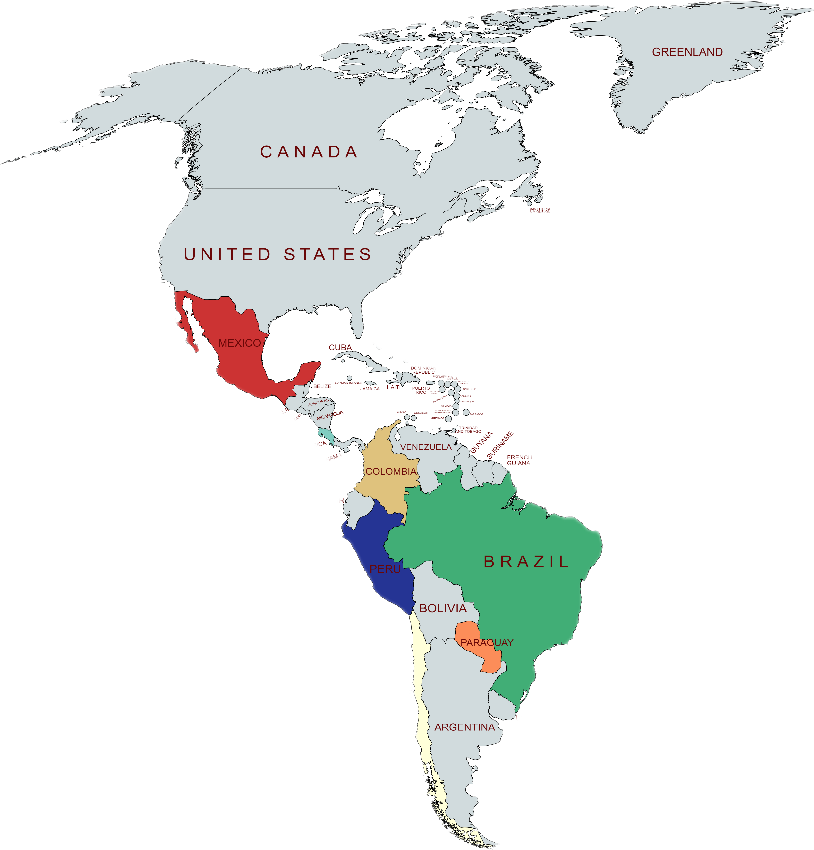
There are observable differences in inflation rates between 2021 and 2022 across the selected Latin American countries. Chile, Brazil, Colombia, and Uruguay experienced higher inflation rates, ranging from 9.10% to 11.65%, indicating a faster increase in the cost of living and a potential challenge in managing price stability. In contrast, Mexico, Peru, and Costa Rica maintained relatively low inflation rates, ranging from 7.87% to 8.28%.
Chile had the highest inflation rate, at 11.65%, while Peru had the lowest, at 7.87%. Compared to the United States, which had a lower inflation rate of 5.18% over the same period, the chosen nations experienced more volatile price levels. These disparities may reflect variations in economic conditions and policy measures between the regions.
Table 1 – Inflation Rates. Source: (Statista Research Department, & 20, 2023).
Mexico’s Inflation Dynamics
Table 2 – Mexico’s Inflation in 2014-202
The time series graph, based on Mexico’s inflation rate data from 2014 to 2020, illustrates fluctuations in inflation over the seven years. In 2014 and 2015, the inflation rate remained relatively stable at around 4%, then decreased to approximately 2.8% in 2016. There was a significant spike in 2017, reaching 6.04%, followed by a decline in 2018 and 2019. Notably, the inflation rate dropped to 3.4% in 2020. The graph demonstrates varying trends and a gradual decline in inflation during the observed period.
Reflection
The data indicate divergent inflation rates in selected countries between 2014 and 2020. Countries with higher inflation, such as Chile, Colombia, and Brazil, may face challenges in managing economic stability. A high inflation rate can adversely affect a country’s GDP growth by lowering consumer purchasing power, thereby deterring investments. Furthermore, it can lead to uncertainties in the job market, hindering employment opportunities (Kryeziu & Durguti, 2019).
In contrast, countries with lower and stable inflation rates, such as Mexico, Peru, and Uruguay, may experience more favorable conditions that foster economic growth and create job opportunities for young people, leading to increased consumer spending. Conditions meant to steer economic growth for economic expansion, job creation, and increased consumer spending (Kryeziu & Durguti, 2019). Policymakers must carefully monitor the impact of inflation on GDP and employment to foster sustainable economic development.
References
Kryeziu, N., & Durguti, E. A. (2019). The impact of inflation on economic growth: The case of Eurozone. International Journal of Finance & Banking Studies (2147-4486), 8(1), 01-09.
Statista Research Department, & 20, J. (2023, July 20). Annual average consumer price index in Mexico 2028. Statista.