
Introduction
The heat and light from the Sun that can be harnessed and used to generate solar thermal energy and electricity, respectively, are referred to as solar energy. Different types of solar energy include solar thermal (for heating), concentrated solar power (for electricity), solar photovoltaics, and passive solar gain (electricity). For instance, more than 43,000 solar (PV) energy installations are already in Canada on residential, commercial, and industrial rooftops, supplying these buildings’ electrical needs (Mansouri Kouhestani et al.). However, this project examines the use of solar energy in Canada and whether it is possible to use it during winter.
The Use of Solar Energy in Canada
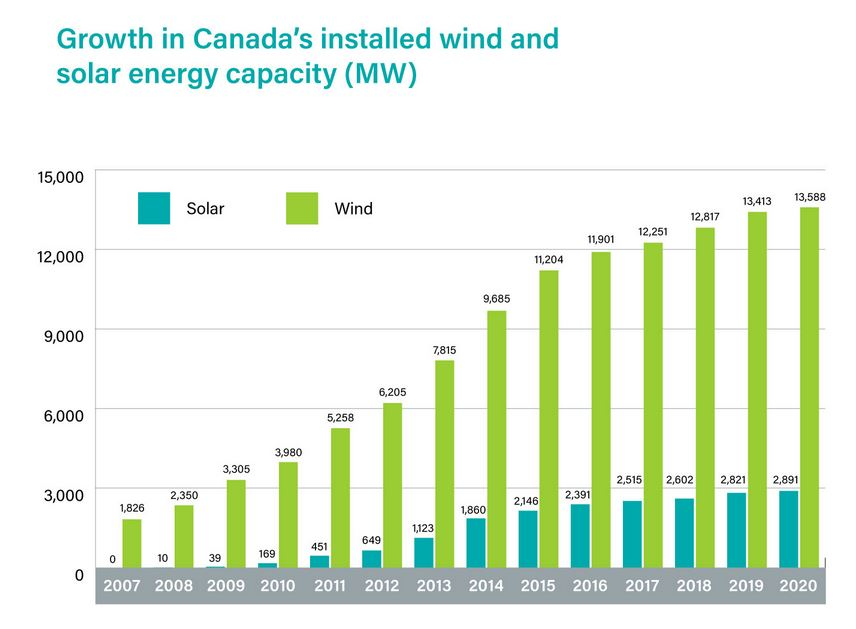
Canada has a growing renewable energy sector, and solar energy is an important part of this. The use of solar panels has increased in recent years as technology has become more affordable and efficient. Solar panels can generate electricity for homes, businesses, and other buildings (Dolter and Boucher). They can also be used in off-grid locations, such as remote communities or cabins, where it is difficult to access the power grid.
The use of solar energy in Canada is increasing, but it still accounts for a relatively small portion of the country’s total energy mix. According to Natural Resources Canada, in 2019, solar energy accounted for less than 1% of the country’s total primary energy supply (Mansouri Kouhestani et al.). However, as the technology becomes more accessible and effective, the use of solar panels has grown recently and is anticipated to continue growing.
One reason for the growth in solar energy in Canada is the increasing number of incentives and subsidies offered by the government to encourage the adoption of renewable energy. Solar panel installation can be more inexpensive for both people and businesses with the help of these incentives, which can help reduce the cost. In addition, the availability of land and the amount of sunlight in Canada make it an attractive location for solar energy production (Dolter and Boucher). Many parts of the country, particularly in the southern regions, receive a relatively high amount of sunlight, which can help increase the number of solar electricity panels generated.
The Use of Solar Panels in Winter Conditions in Canada
It is possible to use solar panels in Canada during the winter, despite the lower sunlight available during this time of year. Solar panels are designed to work in various weather conditions, including cold temperatures and snow. One thing to remember is that snow and ice can accumulate on the solar panels and reduce efficiency. To prevent this, it is important to regularly clear snow and ice from the panels (Dolter and Boucher). This can be done using a snow rake or a similar tool.
In addition, cold weather can affect the performance of solar panels. When the temperature drops, the solar panels will generate less electricity. However, this decrease in efficiency is typically minimal and can be compensated for by increasing the solar panel system size. Overall, while using solar panels in Canada during the winter may be somewhat less efficient than during the summer, it is still a viable option for generating electricity (Mansouri Kouhestani et al.). As long as the panels are properly maintained and installed, they can be an effective renewable energy source even in cold weather conditions.
Conclusion
In conclusion, the use of solar energy in Canada has grown significantly in recent years due to the availability of technology and government incentives. This growth has brought many benefits, including reduced greenhouse gas emissions, increased energy security, and the creation of jobs in the renewable energy industry. However, using solar energy in Canada still faces challenges, such as the high upfront installation cost and the need for adequate storage solutions. Overall, the use of solar energy in Canada holds great potential as a clean and renewable power source.
Works Cited
Dolter, Brett D., and Martin Boucher. “Solar Energy Justice: A Case-Study Analysis of Saskatchewan, Canada.” Applied Energy, vol. 225, 2018, pp. 221–232. Web.
Mansouri Kouhestani, Fariborz, et al. “Evaluating Solar Energy Technical and Economic Potential on Rooftops in an Urban Setting: The City of Lethbridge, Canada.” International Journal of Energy and Environmental Engineering, vol. 10, no. 1, 2018, pp. 13–32. Web.