
Introduction
The contemporary age of the digital era has brought about the omnipresent nature of social media platforms, paving the way for increased connectivity and self-expression among individuals. However, as these people continue to immerse themselves in social media platforms, more profound effects are felt regarding their body image perceptions. Individuals’ understanding and acceptance of their body image have increasingly taken a turn, with everybody showing more interest in appealing to others on these platforms.
Hence, the notion brings an intricate relationship that correlates with aspects of body image and social media and how these platforms shape the prospects of self-worth and beauty. The constant proliferation of social media platforms, such as Instagram, has undeniably transformed people’s whole perception and has significantly affected the youth. It thus becomes essential to understand the background of the interference and impact of social media on body image.
Some of the questions that intrigue people’s view relate to how the incessant nature of exposure to social media idealizes body images, thus contributing to establishing these unrealistic beauty standards. There are some cases where influencers on these platforms also shape some of the societal perceptions of the body; in this manner, how they convince their followers to believe in notions about the ideal body that one should have becomes a crucial point to consider.
A research question that can prompt this discussion would be, are there any positive effects that social media can have on areas that incorporate body positivity with a measure of how effective they are on the narratives of these people? It would also be ideal to consider how people can navigate the whole paradigm of these platforms to foster healthier perceptions of their bodies and mitigate the potential harm that could be attributed to the unrealistic standards set. The narratives and images that tend to appear from these platforms disseminate immense power that has shaped the societal beauty and overall measures by which people rate themselves.
Analysis
Negative Influence on Body Image
An evolving endeavor is associated with the interplay between body image and social media. On most occasions, there is a pervasive exposure to people, making them believe in various forms of unrealistic standards of beauty. People tend to idealize themselves as the ones they see on the platforms, envying their personalities and other aspects they cannot fit into (Fardouly and Vartanian 1). With every prolonged exposure to facets like Instagram, Facebook, and Twitter, now referred to as X, more damage is done to young people’s identities, as depicted in the graph below. The youth and the adults begin to emulate lifestyles they cannot afford just to fit in the perfect society. As a result, more and more people become drawn away from the real world with implications such as ones that affect their mental health.
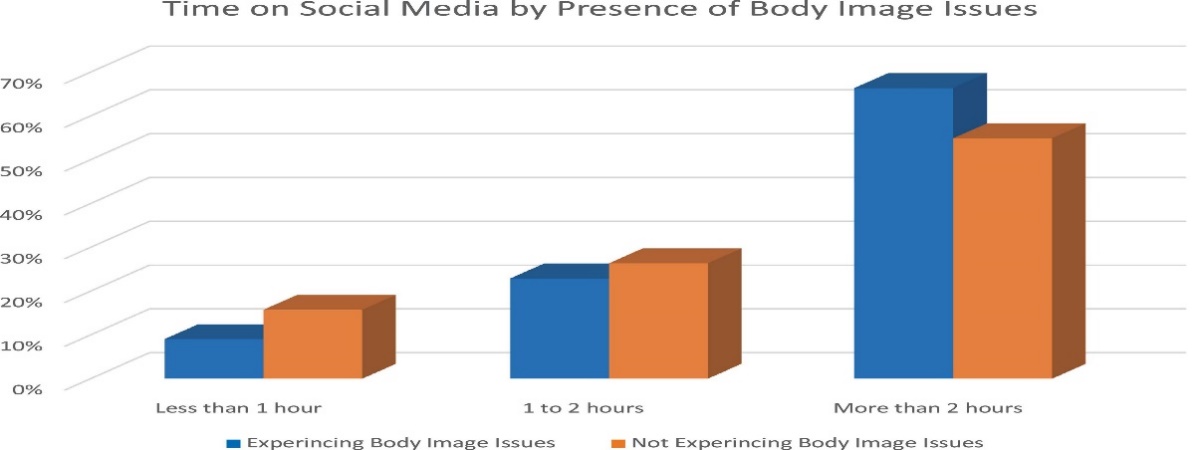
These platforms lead to more dissatisfaction among people every time they find themselves perusing through them. Consequently, there are increased levels of low self-esteem among the people, the youth most affected. The child tends to feel stigmatized with an increased risk of losing their overall identities (Jiotsa et al. 2). These people can sometimes start indulging in harmful activities to find more money to sustain the current trends that they see from these platforms. People tend to believe everything they see, prompting them to emulate what they see, hear, and even perceive to please the world. Aspects such as dieting and excessive exercise become the most attributed to notions of change from the effects of social media.
Advocacy for Body Positivity
Conversely, social media also paves the way for most people to challenge the traditional norms of beauty that, in most cases, stand for strengthening body positivity. The influencers on Instagram, Facebook, and X leverage their abilities to control other people’s lives in society, affecting concepts of inclusivity and acceptance among the people. Self-love becomes depreciated when individuals feel unaccepted in the community.
These individuals could have understood that different body types warrant them to accept themselves the way they are, but this appears to have failed (Tiggemann and Anderberg 3). The counter-narratives they expose themselves to in the various platforms prove otherwise, making the youth feel stigmatized, especially if they cannot cope with the changing trends (Saiphooand Vahedi 1). Their attitudes change, and most of the time, they become bitter with people in their surroundings.
The influencers, in conjunction with the various celebrities on these platforms, become the main point of focus to at least revitalize the constraints that affect people regarding body image. These people tend to influence the perceptions surrounding the ideal body that people should exhibit. They depict specific online curated personas that their followers appear to follow and acknowledge that it is the most appropriate way to be and operate.
As a result, there is much consideration of how they are used as a benchmark for beauty that appears to affect millions of individuals who follow their lives. The impact that these influencers portray creates that direct correlation between the exposures that they have to the appreciated desire circled in conformity to perceived forms of beauty that exist (Vandenbosch et al. 1). Ethical concerns arise accordingly intrigued to the direct relationship that exists from the responsibility that the influencers have regarding their unprecedented control over the realistic standards that outline the perfect body image.
Opportunities for Self-Presentation and Self-Expression
The exponential rise in the use of social media has also brought about concepts of self-presentation, which is the critical model among all people. The users of these platforms create various forms of digital persona that always reflect on their achievements and related good experiences that they want others to see. The impact of these curated personas develops an overwhelming effect on the individuals themselves and, at the same time, affects the novelty of the lives of other people (De Valle et al. 2). Aspects related to the physical appearance force others to feel they are not beautiful enough or white enough feel that they do not belong in the same society that the others are present. People who create these personas, more so the youth, struggle too much to maintain that constant image, which could affect their overall mental well-being.
Social media also represents a compelling medium for communication that can be used as a model of self-expression. The aspect shapes the image module that people want to present to others. The constant stream of images inflicts specific negative ideas on the individuals incessantly exposed to these scenes. The younger people, thus, become more affected compared to the older individuals who could, perhaps, be better equipped to handle the things they see (Marques et al. 3).
Behavioral Impact
These streams affect the behavior of the youth and the whole norm and tradition regarding how they should conduct themselves. Aspects of body image revolve not only around physical nature but also the existence of behavioral and emotional constructs. Distortion of the body images concerning the perceptions that the youth should consider as a positive manner to live in this world impacts the psychological nature and character traits. Their emotions and identity get damaged as they try to please the world.
Platforms for Collective Efforts
It also becomes crucial to consider the positive potential of using these platforms. Navigating through them may be a way of increasing and raising awareness of campaign programs that aim to strengthen the societal character of these individuals. The media serves as the foundation of a supportive community for people dealing with body shaming to raise their voices. Individuals, hence, come together and form a network in which they feel safe sharing their problems and, in turn, forming solutions that will help them overcome them.
They can create various online forums, awareness campaigns, webinars, and discussion groups that build trust among the people involved. With these platforms, there is a collective approach to ensure that the nature of the perfect and ideal body becomes redefined to have all the people on board as a small positive effect (Saiphoo and Vahedi 1). They can easily challenge the existing notions from the joint forum they share.
The influencers’ role must be recognized due to the presence of others, which tends to change the existing scene of accepting one’s body and image. Other influencers challenge the current perceptions that stigmatize certain factions in society, helping them cope and develop strategies to help people fight social media. They happen to convince their followers to believe that they are beautiful the way they are and that they should accept themselves (Cohen et al. 3). These generate some positivism amongst themselves, helping other people who could have fallen victim to the shame of body image from the things that people post on social media. Celebrities formulate counter-narratives that help people fight and overcome the temptations of social media usage. There is a depreciated cultural shift, and the marketable trend helps others survive the insults about their bodies they may encounter while navigating social media.
Conclusion
The synthesis of the research on the relationship between body image and social media identifies the impact as influential and complex. Prolonged exposure of individuals to social media platforms perpetuates the generation of idealized body images and unrealistic standards. These affect the mental health of the people with an overall impact on their physical well-being as they may be configured with other people’s thoughts in their surroundings or whom they have never seen. However, social media also emerges as a positive tool that could change the whole paradigm of the constructs of the ideal body through policies set to regulate social media. The future entails cultivating enhanced critical awareness regarding the content people get online.
Social media becomes a harmful tool when used excessively, with individuals emulating the lives of other people they see on the platforms.
Social influencers create an overall impact by enacting themselves in a manner that misleads their followers. Therefore, people should not judge themselves based on the characters they see on social media platforms since they tend to lead to dissatisfaction and failure to accept themselves. Relevant strategies must be formulated for youth and younger individuals to help limit or manage people while navigating these online platforms. Policies should also be set to promote diversity with an inclusive representation format for everyone, regardless of their body type. All these become a collective effort that every person needs to embrace to help each other overcome the adverse effects that social media has on body image.
Works Cited
Cohen, Rachel, et al. “#Bodypositivity: A Content Analysis of Body Positive Accounts on Instagram.” Body Image, vol. 29, 2019, pp. 47–57. Web.
De Valle, Madelaine K., et al. “Social Media, Body Image, and the Question of Causation: Meta-Analyses of Experimental and Longitudinal Evidence.” Body Image, vol. 39. 2021, pp. 276–92. Web.
Fardouly, Jasmine, and Lenny R. Vartanian. “Social Media and Body Image Concerns: Current Research and Future Directions.” Current Opinion in Psychology, vol. 9, 2016, pp. 1–5. Web.
Jiotsa, Barbara, et al. “Social Media Use and Body Image Disorders: Association between Frequency of Comparing One’s Own Physical Appearance to that of People Being Followed on Social Media and Body Dissatisfaction and Drive for Thinness.” International Journal of Environmental Research and Public Health, vol. 18, no. 6. 2021. Web.
Marques, Mathew D., et al. “A Prospective Examination of Relationships between Social Media Use and Body Dissatisfaction in a Representative Sample of Adults.” Body Image, vol. 40. 2022, pp. 1–11. Web.
Sagrera, Caroline E., et al. “Social Media Use and Body Image Issues among Adolescents in a Vulnerable Louisiana Community.” Frontiers in Psychiatry, vol. 13. 2022. Web.
Saiphoo, Alyssa N., and Zahra Vahedi. “A Meta-Analytic Review of the Relationship between Social Media Use and Body Image Disturbance.” Computers in Human Behavior, vol. 101. 2019, pp. 259–75. Web.
Tiggemann, Marika, and Isabella Anderberg. “Social Media Is Not Real: The Effect of ‘Instagram vs Reality’ Images on Women’s Social Comparison and Body Image.” New Media & Society, vol. 22, no. 12. 2020, pp. 2183–99. Web.
Vandenbosch, Laura, et al. “Social Media and Body Image: Recent Trends and Future Directions.” Current Opinion in Psychology, vol. 45. Web.