
Introduction
Several important factors must be considered to properly lead an HR team in hiring staff members and then training and developing them. Firstly, it is essential to have a comprehensive awareness of the organization’s beliefs, goals, and culture (Korherr et al., 2023). This information will help ensure that the hiring process aligns with the business’s demands and that recruits can make an excellent contribution to the overall goals.
Second, knowledge of industry trends and technological developments is crucial to ensure that training and development programs remain current and applicable. This information will help develop a workforce capable of meeting present needs and flexible enough to adjust to new ones in the future (Korherr et al., 2023). Technological breakthroughs can soon render existing skills outdated in businesses undergoing fast change.
The time to complete the hiring process can vary significantly depending on factors such as the position’s complexity, the volume of candidates, and the urgency of filling the position. The procedure might take a few weeks to several months on average. The application procedure occurs in week one, while the screening is in week two. Week four is dedicated to attending the in-person interview, while Week Three may be used to schedule one. Time is set aside for advertising job openings, evaluating applicants, holding interviews, and completing offers.
7 Steps in the Selection Process
Job Analysis and Planning
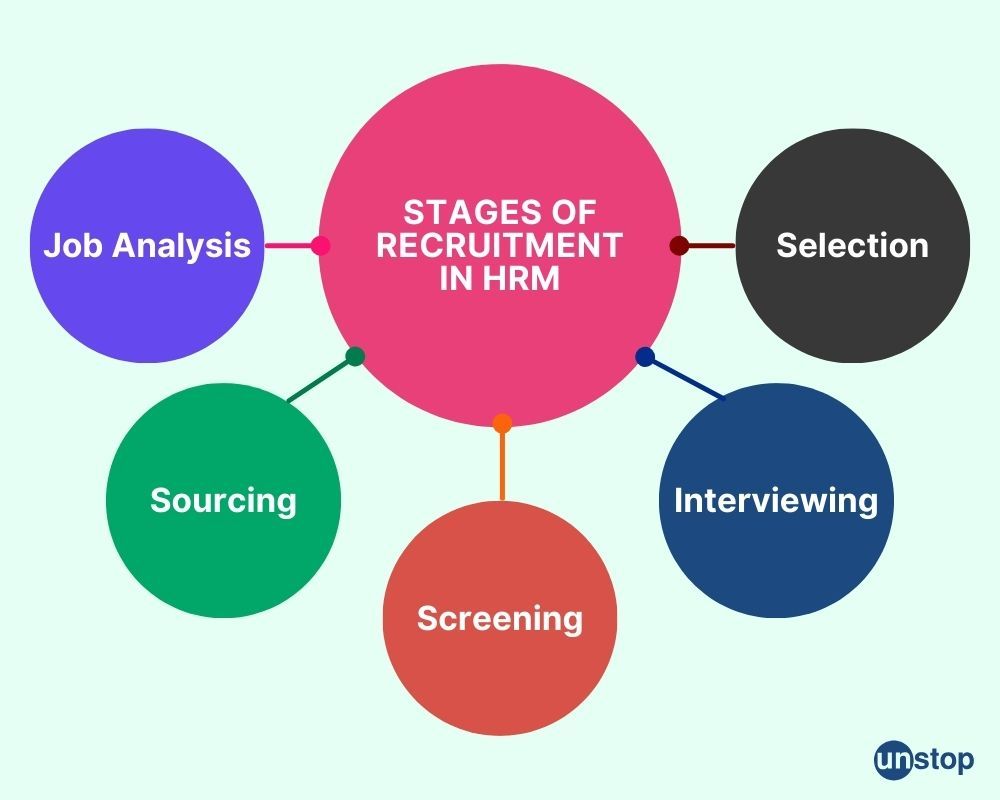
This entails determining the job’s prerequisites, including required education, training, and experience. The process of collecting and evaluating data on a work’s human and content needs, as well as the environment in which it is carried out, is known as job analysis (Langer et al., 2019). Position placement is determined by this method. The roles and duties must be clearly defined to draw in qualified applicants. As shown in Figure 1, job analysis helps firms attract, select, and retain the best individuals by defining job criteria.
Sourcing and Attracting Candidates
Employ a range of platforms, including job boards, social media, and professional networks, to draw in a varied group of applicants. The vital first step in attracting the most incredible talent to a business is talent sourcing (Langer et al., 2019). The most successful talent-sourcing teams can build a strong, consistent pool of qualified prospects interested in working for a single company. Since this phase requires it, I will create exciting job descriptions and employ targeted recruitment techniques.
Screening Resumes
Scrutinize applications and establish a shortlist of individuals based on experience, education, and fit with the position’s needs. I will review resumes and applications in detail to identify applicants who meet pre-established shortlist requirements. Examine evidence of relevant prior experience, educational background, and any particular accomplishments or certifications that meet the position’s requirements (Langer et al., 2019). This stage helps reduce the pool for further analysis. It makes the tiresome process of interviewing applicants who are unfit for the position more straightforward to avoid. The most qualified candidate is chosen quickly, which lowers the cost of the hiring process when resumes are screened using modern methods.
Conducting Interviews
Create a systematic interviewing procedure to evaluate candidates’ abilities, aptitudes, and cultural fit. These will likely be a mix of more fundamental, generic interview questions and some role-specific ones. The purpose of the questions should be to determine whether the candidate fits the organizational culture and possesses the hard and soft abilities listed in the job description (Langer et al., 2019). In my case, this phase will entail conducting behavioral and technical interviews to assess the candidate’s abilities thoroughly.
Testing and Assessments
Include pertinent tests and assessments to evaluate candidates’ technical proficiency, mental aptitude, or personality attributes, depending on the nature of the positions. In my case, the examinations will take several shapes based on the talents being evaluated and the position’s needs. Role-specific assessment findings help hiring managers identify applicants who possess the skills required for the position (Langer et al., 2019). This stage will yield further insights beyond the interview process.
Reference and Background Checks
Verify the information submitted by candidates by running background and reference checks. In addition to confirming the applicant’s qualifications, verifying their credentials, work history, tenure, and other information can provide insight into their dependability and motivation (Langer et al., 2019). By taking this step, one can ensure that the candidate’s credentials are accurate and make well-informed hiring decisions. My organization will start a background check on a job applicant to ensure they are the most qualified candidate.
Making the Final Decision
To determine the chosen candidate, consider all of the information that has been acquired. Working against one’s prejudices and knowing what to look for in a candidate is essential for making the best hiring decisions. Fairness and efficacy in recruiting can be ensured through objective hiring techniques, such as note-taking, evaluations, interview scorecards, and structured interviews (Langer et al., 2019). I will consider factors such as abilities, cultural fit, and opportunities for advancement within the company.
Four Government Agencies that released Guidelines on Employee Selection
Four significant US government organizations—the Department of Labor, the Department of Justice, the Civil Service Commission (now the Office of Personnel Management), and the Equal Employment Opportunity Commission (EEOC)—released the Uniform Guidelines on Employee Selection Procedures. These rules were implemented to provide businesses with a structure for operating while eliminating prejudice in their hiring procedures (Bishu & Headley, 2020). When an employer treats a candidate or employee less favorably due to their race, color, religion, sex, sexual orientation, gender identity, national origin, handicap, or status as a protected veteran, it is considered employment discrimination.
These policies cover various assessments and hiring practices that HR staff use to evaluate candidates. Topics they address include written exams, performance simulations, interviews, educational requirements, and even medical exams. Ensuring that these processes do not unfairly disadvantage particular groups because of their ethnicity, sex, religion, or other protected characteristics is the primary goal (Bishu & Headley, 2020).
The rules verify that exams and selection processes are job-related and aligned with business requirements, helping businesses determine whether their practices are legal. It must also be shown that there isn’t a less discriminating option for the procedure or parts. The recommendations also emphasize the importance of validating selection processes to ensure their validity and reliability as indicators of job success.
For instance, the rules emphasize the importance of content validity in written exams; in other words, the test must measure the knowledge, skills, or talents it is intended to evaluate. HR managers should focus on interview questions that both align with the organization’s culture and reveal a candidate’s technical proficiency and problem-solving ability (Bishu & Headley, 2020). Performance simulations, which include exercises or activities linked to the profession, should also be designed to reasonably reflect the role’s requirements and not give any group an undue advantage.
The rules emphasize the need for structured, regulated procedures in interviews to reduce subjectivity and ensure impartiality. When a structured interview process is used, all applicants are treated identically, ensuring impartiality (Bishu & Headley, 2020). The identical standardized questions are asked of every candidate, eliminating any bias and ensuring a level playing field. The structured interview is an employment evaluation method that maintains consistency throughout the whole process. The same questions are posed to each candidate, and their answers are assessed using a predetermined scoring system about the same role-related criteria.
Selecting an interview style is a crucial decision that can significantly impact the effectiveness and impartiality of the hiring process. Structured interviews and unstructured interviews are the two main types of interviews. A prepared collection of questions asked systematically is the basis for evaluating applicants in a structured interview (Husband, 2020). Unstructured interviews, on the other hand, are more free-form, with the interviewer posing open-ended questions in response to the candidate’s answers.
Interview Style Conducted
A structured interview approach would be my choice for the interview procedure, as shown in Figure 2. This methodology facilitates a systematic and impartial assessment of applicants, ensuring that every interviewee is evaluated according to the same set of standards. Because structured interviews focus on competencies and skills relevant to the job, they are especially effective at reducing bias and promoting fairness (Husband, 2020). Additionally, it makes the recruiting or talent acquisition team’s process more effective. This approach helps level the playing field when comparing applicants and for data-driven decision-making on their fit for the position.
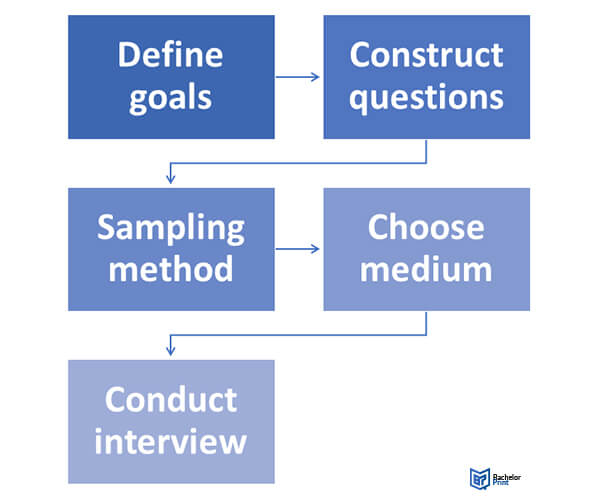
Creating a list of employment-related inquiries based on the essential skills required for the role would be the first step in the structured interview process. All applicants would get the same questions, enabling a fair comparison of their answers (Husband, 2020). There are two types of questions: situational and behavioral. They have a range of acceptable responses and are scored using a specific scoring system. Interviews may be conducted in multiple rounds, with the first focusing on a preliminary evaluation of overall qualifications and subsequent rounds delving deeper into specific abilities.
Recruiting managers, HR officials, and, maybe, team members who collaborate closely with the recruit would make up the interview panel. A well-rounded examination of applicants is ensured, and varied opinions are obtained using a broad panel (Husband, 2020). As each member of the recruiting team may evaluate the candidate’s abilities and qualities from their own perspective, this allows many perspectives to be incorporated into the debate. Subjective bias would be minimized, as every interviewer would receive training in using the organized technique.
List of Major Questions
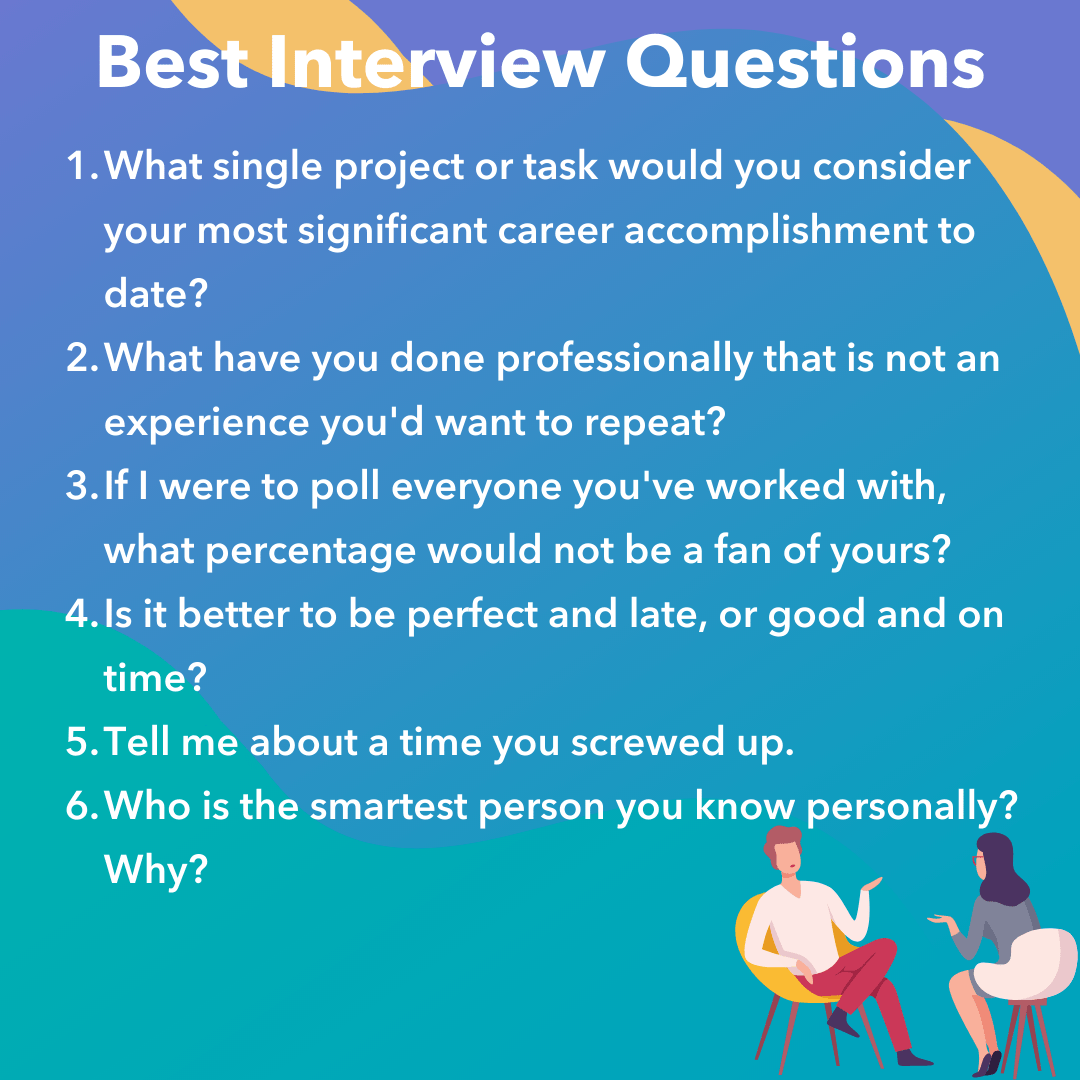
Common interview questions are used to assess a candidate’s suitability for a position, as shown in Figure 3.
- Tell me about yourself.
- What interests you about this position and our company?
- What are your strengths and weaknesses?
- Can you describe how you handled a challenging situation you faced at work?
- How do you handle stress and pressure?
- What are your long-term career goals?
- Why did you leave your last job?
- Describe a time when you demonstrated leadership skills.
- How do you prioritize and manage your time?
- What do you know about our company?
The 3 Basic Interviewing Skills Techniques
Active Listening
Interviewers must pay close attention to the applicants’ answers and probe further to learn more. Extracting more precise information about the candidate’s background and credentials helps assess the candidate’s fit for the job (DeJonckheere & Vaughn, 2019). This approach ensures a thorough understanding of the candidate’s credentials and experience while fostering a relationship. Recruiters can foster an encouraging, supportive environment for candid, open conversation by actively listening to applicants. As a result, applicants feel more at ease disclosing pertinent information and offering insights into their backgrounds, experiences, and goals.
Probing
By using open-ended follow-up questions, interviewers can prompt candidates to elaborate on their answers and reveal more about their decision-making and cognitive processes. Interviewers may follow up with analytical inquiries to gain insight into the motivations and justifications for emotions, behaviors, occurrences, or other topics (DeJonckheere & Vaughn, 2019). Interviewees can expound on their claims and talk candidly about their experiences when probing techniques are used. Candidates are encouraged to build on their knowledge, skills, and work experiences in extended responses to open-ended questions.
Note-taking
It is imperative to record essential details from the interview to assess and contrast applicants afterward. Project notes ensure that all parties are aware of key discussions and decisions and have access to the same information. This encourages openness and empowers team members to make wise decisions by fostering shared understanding of the project’s goals and limitations. It guarantees that the decision-making process takes into account all pertinent facts.
The interview team should conduct training sessions on the chosen interview style and procedures to guarantee readiness. As part of this training, the team would learn to ask structured questions, emphasize the value of an objective assessment, and engage in active listening and probing exercises (DeJonckheere & Vaughn, 2019). It’s a good idea to review the fundamentals of interviewing so that all interviewers are on the same page. This ensures that the interviewers are well-informed about the candidate’s background and can tailor their questions to gather specific information.
Types of Pre-Employment Testing, Background Investigations, and Medical Examinations
Skills and Aptitude Testing
Conducting skills exams can be highly beneficial for positions that require specific technical abilities or aptitudes. These instruments assess your performance on tasks or activities pertinent to different occupations (Ravichandran et al., 2022). They can address skills such as typing, coding, or accounting, as well as verbal, numerical, spatial, mechanical, and logical thinking. Aptitude tests may be used to identify those who possess the mental skills required for success in the role.
Personality and Behavioral Assessments
These evaluations aim to ascertain a candidate’s communication style, personality qualities, and potential fit within the team and organizational culture. Organizations often use personality tests and behavioral assessments to enhance interview selection, streamline job placement, develop current employees, and assess and improve communication and listening skills (Ravichandran et al., 2022). Although it’s essential to interpret personality tests carefully to prevent creating stereotypes, they can offer insightful information about how people might approach their work and work with others.
Background Investigations
Verifying the integrity of information submitted by candidates and confirming their qualifications requires conducting background checks. This may include reference checks, job verification, and criminal background checks (Ravichandran et al., 2022). Background checks preserve the integrity of the employment process and help reduce risks. Companies can safeguard themselves against legal risks, workplace disputes, and fraud by identifying potential red flags in a candidate’s background.
Medical Examinations
Several sectors and jobs require a pre-employment medical check due to physical demands or specific health criteria. This can help determine whether candidates have the physical capabilities to perform the work safely and identify any potential health issues that might affect their ability to meet employment standards (Ravichandran et al., 2022). Before a candidate takes on new and challenging professional activities, it helps discover potential health hazards and medical issues. This reduces the risk of workplace mishaps, diseases, or ailments that certain work conditions may worsen.
Employee Records to be Retained
Personal Information
Applications, resumes, job offers, and other employee documents, including personal information, should be kept on file for a set period, usually 1 to 3 years. It is imperative to comply with privacy requirements and securely destroy this data when the retention period has expired (Yao et al., 2019). Suppose a decision concerning an individual was made using personal information. In that case, the information should be kept for the duration of that legal obligation or for a reasonable period if there are no legal requirements.
Employment Records
Records of employment, including promotions, disciplinary actions, and performance reviews, should generally be kept for the life of the employee’s employment, plus an additional period of 3 to 7 years. Maintaining these documents may be necessary for legal and regulatory requirements (Yao et al., 2019). Employers might benefit from personnel data to meet legal requirements, avoid lawsuits, and gain insight into the backgrounds of potential hires.
References
Bishu, S. G., & Headley, A. M. (2020). Equal employment opportunity: Women bureaucrats in male‐dominated professions. Public Administration Review, 80(6), 1063-1074.
DeJonckheere, M., & Vaughn, L. M. (2019). Semistructured interviewing in primary care research: a balance of relationship and rigour. Family medicine and community health, 7(2).
Husband, G. (2020). Ethical data collection and recognizing the impact of semi-structured interviews on research respondents. Education Sciences, 10(8), 206.
Korherr, P., Kanbach, D. K., Kraus, S., & Jones, P. (2023). The role of management in fostering analytics: the shift from intuition to analytics-based decision-making. Journal of Decision Systems, 32(3), 600-616.
Langer, M., König, C. J., & Papathanasiou, M. (2019). Highly automated job interviews: Acceptance under the influence of stakes. International Journal of Selection and Assessment, 27(3), 217-234.
Ravichandran, S., Phelan, K. V., Kirby, K., Singh, S., & Ghosh, A. (2022). Pre-employment testing practices in the hospitality industry in the US and Australia. Journal of Human Resources in Hospitality & Tourism, 21(4), 524-547.
Yao, T., Qiu, Q., & Wei, Y. (2019). Retaining hotel employees as internal customers: Effect of organizational commitment on attitudinal and behavioral loyalty of employees. International Journal of Hospitality Management, 76, 1-8.