
Abstract
This study aims to determine consumers’ preferences and willingness to buy upcycled food products (UFPs) created from the by-products of peanut oil production in Myanmar. The research will specifically evaluate how factors like price, certification labels, nutritional content, and food origin influence consumers’ readiness to purchase these upcycled goods. The current study employs a case study of Myanmar peanut meals, complemented by previous research on the area, to establish a baseline.
The method incorporated a quantitative survey using a questionnaire to collect data. The study employed a cross-sectional design, which involved collecting data at a single point in time. The closed-ended questionnaire consisted of a section collecting demographic data, as well as information on upcycled food, products, and environmental literacy. Probability sampling was used to select the sample, as the survey was done online.
The findings from the current study indicate that knowledge of UFPs and environmental literacy are crucial in determining the consumption of food products made using upcycled ingredients. Knowledge is crucial in informing people about food products that are both nutritious and environmentally safe. The findings also suggest a significant relationship between price, upcycled certificate labels, the origin, and the nutritional content of the food.
Introduction
According to the United Nations (2022), 14% of global food production is lost between harvest and retail, and an estimated 17% of global food production is wasted. Approximately one-third (1.3 billion tonnes) of the food produced for human consumption either gets lost or wasted (United Nations, 2022). Despite an increase in recognition of food loss within the food supply chain, there is a lack of focus on food loss in the processing stages, with more attention being given to the consumer end (Parfitt, Barthel, and Macnaughton, 2010).
Food waste persists at all stages of the food supply chain, including farms, processing zones, food storage areas, and distribution to retailers and final consumers. During the COVID-19 pandemic, more than 842 million people faced chronic hunger, a figure that continues to rise due to increased food wastage and supply chain losses (Martin-Rios, 2021). Food waste is expected to increase in the future due to improvements in farming methods, leading to surplus production.
It is, therefore, necessary to develop measures to help prevent wastage. Although food waste is considered less problematic than solid waste, more than one trillion US dollars is lost because of food waste (Munoz & Anthem, 2021). This is attributed to areas with surplus production of certain food products, leading to waste. Although various food waste management practices have been implemented, most have not been evaluated in terms of sustainability, which involves the public’s perception of UFPs (Munoz & Anthem, 2021).
For food products with upcycled ingredients to be successful in the market, it is crucial to investigate consumers’ preferences and their willingness to pay (WTP) for those products. In this context, this research will focus on the consumer’s outlook on UFPs made from by-products in supply chains. To narrow the scope of research, the study will focus on consumers in Myanmar (Burma), a developing country, and their perception of upcycled products made from hypothetical by-products of peanut oil production.
Theoretical Area and Rationale for Research
Food loss is when there is a decrease in the amount of edible food at the various stages of the food chain (production, post-harvest, processing, etc.), and food waste is the discard of edible foods starting from retail up to consumer levels. Food loss and waste contribute to food wastage. Food wastage negatively impacts not just the environment but also food security and food availability, and increases the cost of food due to the natural resources used to produce food.
They include water, land, energy, labour, and capital, which are turned into waste threatening the sustainability of food systems (FAO, 2022). If food systems are not sustainable, they will not be sturdy enough to withstand unforeseen adversities such as COVID-19 (UN, 2022). The global costs of food waste amount to approximately $ 2.6 trillion per year, including $700 billion in environmental costs and $900 billion in social costs (FAO, 2022).
A report by the Boston Consulting Group (BCG, 2018) stated that by 2030, food loss and waste would reach 2.1 billion tons per year, valued at $1.5 trillion. The global food system crisis is particularly pronounced in Asia, accounting for 50% of the world’s food waste (Ho, 2021). The relationship between food wastage and food security has been debated for the past decade. According to Nyambo (2008), reducing food losses can help improve food security.
Food insecurity and hunger have always been major issues in Asia. In 2020, an estimated 375.8 million people in the Asia-Pacific region faced hunger and were undernourished, representing a 53.9 million increase from 2019 (UNICEF, 2021). The Food and Agriculture Organization (FAO) of the United Nations estimated that 443.8 million people in the Asia-Pacific region suffered from severe food insecurity in 2020, while 667.4 million faced moderate food insecurity (UNICEF, 2021).
Since 2003, Myanmar has increased its production of groundnuts (Arachis hypogaea L.), and by 2017, it had become the world’s sixth-largest producer (Phong et al., 2020). Groundnuts/peanuts are primarily used to produce edible oil and in various food products, including sweets, candies, spreads, and more. The by-products from peanuts for peanut oil extraction are often referred to as peanut meal, oil cake, or defatted meal, and they are frequently used as animal feed in Myanmar (Wijnands et al., 2014).
Even after oil extraction, a peanut meal contains up to 50-60% protein. However, it is usually used as fertilizer, feed, or fuel (Zhao et al., 2020). Peanut meals contain a high level of essential nutrients. They are similar to animal protein and also contain an amino acid that aids in digestion, potentially making them a viable alternative to animal protein (Ji et al., 2017; Phong et al., 2020). However, peanut allergy is one of the most common worldwide causes of severe allergic attacks (Mayo Clinic, 2022).
According to Ewing-Chow (2021), Food Network Magazine and Whole Foods listed upcycling foods as one of the top trends in 2021, and the upcycled food market is worth $46.7 billion, with an expected compound annual growth rate of 5% over the next decade. Rather than recycling by-products as feed or energy, it is more valuable to upcycle them (Roth et al., 2019). However, little is known about consumers’ perceptions of upcycled food products.
Research Aim
This research aims to evaluate consumers’ preferences and willingness to consume UFPs made with by-products from peanut oil production in Myanmar, and their association with upcycled certificate label, price, nutritional content, and food origin.
Research Objectives
- To critically evaluate the consumer’s knowledge of UFPs in Myanmar.
- To evaluate the consumers’ acceptance of upcycled food products made with by-products from peanut oil production (Peanut meals) in Myanmar.
- To investigate and evaluate the impact of price, upcycled certificate label, nutritional content, and food origin on consumers’ willingness to consume UFPs.
Research Question
- How does knowledge affect the consumers’ willingness and perception of consuming UFPs?
- What is the association between price, upcycle certificate label, nutritional content, and food origin on consumer choice and willingness to consume upcycle food products?
Hypotheses
- H1: Consumers’ knowledge of upcycled food products affects the consumption of these products in Burma.
- H2: There is a considerable association between price, upcycle certificate label, food origin, nutritional content, and consumer choice to consume UFPs.
Motivation
The global population is increasing significantly, implying that the demand for food products is also rising. Expanding the use of agricultural land enables high food production to meet the increasing demand. It results in global environmental effects such as climate change and greenhouse gas emissions (Summit Dialogues, 2021). The high population, combined with food loss and waste, unsustainable food practices, degraded natural resources, and climate change, results in serious issues within the food system.
Approximately 70% of Myanmar’s population depends on agriculture for livelihood (Summit Dialogues, 2021). It is a key employment area for people with low incomes, involving approximately 85% of the population living in rural areas (Summit Dialogues, 2021). This makes it a potential area for promoting diversification in agricultural products despite the country facing enormous challenges due to imbalanced and insufficient investment.
Myanmar has diversified its attention to nutrition security and domestic food. Many people face the challenge of malnutrition, which results in short-term and long-term consequences. World Bank data shows that Myanmar’s population suffering from malnutrition has significantly decreased from 30.5% to 14.9% in 2019 (Summit Dialogues, 2021). Among the children, the rate has decreased from 30.5% in 2010 to 26.7% in 2018 (Summit Dialogues, 2021). The proportion of underweight children also decreased from 22.1% in 2010 to 19.1% in 2018 (Summit Dialogues, 2021).
However, there is a need to reduce this population through UFPs such as peanuts, which are rich in protein. Peanuts are the second-highest crop produced after rice, and the production of edible peanut oil is high (Favre & Myint, 2009). The by-products from peanut oil production are traditionally used as feed for livestock or disposed of in landfills, despite their high protein content (Wijnand et al., 2014). Thus, the research aims to investigate consumers’ preferences for consuming upcycled products, which could create a niche market depending on the results. If there’s a demand in the market, it could be used as an incentive for businesses to upcycle their waste, decreasing food waste in the supply chain.
Literature Review
This chapter discusses previous literature materials that highlight the area under study and arguments of multiple scholars in food waste management. The section provides information that supports the significance of upcycling food products in the supply chain. The sections covered include definitions of food waste and food loss, the impact of food waste and loss, the link between food waste and hunger, UFPs, and consumer preferences for them.
Definition of Food Waste and Food Loss
According to Schuster and Torero (2016), the terms “food loss” and “food waste” are often applied as synonyms. However, they do not refer to the same aspect of the problem. Food waste and Food loss occur at various stages of the food value chain, including production, post-production procedures, processing, distribution, and consumption.\
UNEP defines food loss as the food products that form edible animals and plants that are unable to exit the food supply chain through any method, such as incineration, disposal, or utilization. The losses incorporate those of imported food products, including non-edible parts. It also defines food waste as the inedible parts of food disposed of throughout the food supply chain across multiple sectors, including retail and households (UNEP, 2021). The end destinations of food waste include landfill, sewer, aerobic digestion, and combustion.
The FAO defines food losses as the reduction in the quantity or quality of food in the food supply chain (FSC) due to food production operations and supply chain activities. It also refers to food loss as the removal of food parts, which can occur through the choice of raw or semi-processed food products from the FSC (FAO, 2018). It originates from food spoilage caused either by negligence or by expiry.
FAO’s definition indicates that food waste is a component of food loss, resulting from the removal of food products from the FSC based on their suitability for consumption (FAO, 2018). Food loss occurs due to indirect control, resulting from market failure, poor logistics, and inadequate technology, which indicates that food loss and waste are distinct issues that require different approaches to address them.
Environmental, Social, and Economic Impact
Food loss and waste have a significant impact on the environment, as they affect its key components, including energy, land, and water. The extent of the impact expands with the processing and refining level of the products in the FSC (Santeramo, 2021). Reducing food losses enhances the efficiency of the supply chain, thereby promoting measures such as recycling and other initiatives aimed at minimizing food losses and waste (FAO, n.d.). Implementing food loss and waste management options is beneficial because it involves high energy efficiency. For example, using non-productive methods negatively alleviates poverty, nutrition, economic development, and hunger (Santeramo, 2021).
The method should focus on the qualitative aspect of the food, as its loss lowers the nutritional status of the food. Furthermore, poor-quality food products have serious health problems (FAO, n.d.). Food loss and waste signify a loss of economic value in the FSC and the production area (Santeramo, 2021). Currently, certain food products are consumed in several parts of the world, and their losses and waste in one area affect the other.
In developing countries, food loss occurs due to various technical and managerial issues surrounding harvesting, storage, transportation, processing, packaging, and marketing activities. Multiple individuals are involved in the food supply chain, each playing a distinct role, which significantly impacts food loss. In rural areas, women play a distinct role in managing post-harvest activities, and social norms often shape their involvement in the later stages of food management. For example, women in low-income countries are often underpaid despite being key players in food production, which negatively affects their efficiency and productivity, leading to food loss (FAO, n.d.).
In developed countries, the causes of food loss vary significantly, as they are primarily dependent on consumer behavior and the policies and regulations that have been implemented. For instance, food subsidies are often provided, resulting in surplus production and increased food waste (FAO, n.d.). Quality standards and regulations can help reduce food loss and waste in developed countries.
Food products that are not intended for consumption can have adverse environmental effects. When placed in landfills, they release greenhouse gases, which contribute to global warming, as methane is among the most potent gases released (Seberini, 2020). This gas is more poisonous than carbon dioxide, and the global food dump represents 7% of the greenhouse gases emitted (Seberini, 2020).
Using suitable measures, such as upcycling rather than downcycling, is an effective way to reduce the risk of methane emissions and thereby protect the environment. The FAO developed a food waste footprint (FWF) to reduce food loss and waste by promoting sustainable measures, thereby lowering the food waste footprint in the FSC (Seberini, 2020). Life cycle assessment is used in this project to identify the commodities that require mitigation and the corresponding regions.
A significant portion of the population suffers from malnutrition and hunger, despite the overproduction of food in many parts of the world. Some regions lose significant amounts of food due to food loss and waste, which could help alleviate malnutrition and hunger in developing countries (Seberini, 2020). The foods thrown away are usually in good condition, and they can be used to supplement the food gap in areas facing hunger problems.
Additionally, a country may have surplus production in one area while the other is facing malnutrition and hunger issues, as the group is weak and lacks opportunities for food. For instance, in Europe, more than 50% of good food is disposed of in their FSC, as more than 79 million citizens are below the poverty threshold, and 16 million depend on food aid (Seberini, 2020).
Food producers and consumers are integral members of the economic system, implying that consumer preferences play a significant role in determining food waste. Nevertheless, the operation of the economic system is complex as it relies on various relationships. Resource consumption depends on multiple factors, including distribution, redistribution, size of consumption, and technology used during production. This makes it challenging to separate consumption from production, holding the consumer responsible for environmental impacts resulting from consumption (Seberini, 2020).
Food waste is linked to the cost of food, as high volumes of waste contribute to increased food costs, making it difficult for some people to afford food due to rising prices. The cost associated with food waste is high, making it a key focus of the United Nations’ Sustainable Development Goals (Seberini, 2020).
Link Between Food Waste and Hunger
Food waste and hunger are closely related; therefore, the food that could have been used to help alleviate hunger often ends up being wasted due to expiration or deliberately left to rot. FAO 2019 statistics show that more than 690 million people faced hunger issues during the COVID-19 pandemic. Approximately 3 billion people lack access to a healthy diet (FAO et al., 2020). Data on food waste levels is a global issue; most countries lack a record of their actual food waste (UNEP, 2021).
Malnutrition and hunger affect a significant number of the global population. This results in food waste being associated with the waste of resources, including capital, water, land, energy, and labor (Prasetyo & Dzaki, 2020). Food waste protocols account for approximately $1 trillion lost annually (Liu et al., 2022). This results in approximately 1.3 billion tons of food waste globally, with countries such as China experiencing significantly higher levels of food waste, accounting for more than 70% of its overall waste (Aramyan et al., 2020).
Although developing countries have sufficient food, their populations are undernourished because they lack access to the same food. More than a third of the food produced in developed countries is wasted, which is enough to reduce hunger and malnutrition in developing countries (WWF, 2021). Therefore, reducing food waste is crucial in enhancing global food security.
Upcycled Food Products
According to the Upcycled Food Association (2021), upcycled food is food made with by-products from the supply chains that would otherwise be discarded for human consumption and has a positive impact on the environment and the food waste crisis. By-products are commonly used as animal feed, sent to landfills, or utilized as fuel (Roth et al., 2019). Garcia-Garcia, Stone, and Rahimifard (2018) have stated that utilizing food waste in valorization processes for human consumption is worth exploring due to its high availability and may be a more sustainable alternative compared to current management solutions.
The consumer perception of upcycled foods has recently been a research topic, with many scholars trying to identify the benefits of these products based on the buyers’ feedback. Most ingredients that would have ended up in food waste destinations can be upcycled and resold. The products can still positively contribute to the consumers’ health with no effects.
According to Moshtaghian, Bolton, and Rousta (2021), special consideration of the nutritional qualities of the end product and the dietary attributes of the raw material are essential in realizing this fringe benefit. As the most vital protein- and oil-producing crop in Burma, groundnuts are crucial to the country’s agricultural sector. According to research by Hnin et al. (2021), Myanmar has increased its production of this crop and is now the world’s sixth-largest producer.
The yield is primarily used in oil production and can be combined with other ingredients to support a specific diet. Cattaruzza (2022) claims that most manufacturers toss aside the casing of these legumes after extracting the product. The peanut skins can be utilized for their antioxidant bioactivity, which is critical in food product preservation, as well as for their anti-inflammatory health benefits. Instead of going to waste, this potential waste can be reused, thus promoting a green environment.
The amount of peanut processing by-products containing polyphenolics, fiber, and proteins has declined in Myanmar. Environmental awareness and the need to establish pollution-free surroundings have led to the utilization of waste products in Burma. In research by El-Mekkawi, Sebaei, and Amin (2022), the significant by-products of crushed and harvested nuts include peanut vine, meal, hull, and peanut skin.
Some of these materials can be used in the food processing industry. The identified functional compounds are occasionally incorporated into other feeds, thus serving as available ingredients. In Myanmar, new scientific research is being conducted to recognize the value of the groundnut by-products and the potential side effects of the nutritional compositions (Herens et al., 2018). Information is being sought to determine the impact vegetable by-products have on the food processing department.
Every day, upcycled groundnut products are peanut meal, protein, skin, hull, and peanut vine. Each of these waste materials can be reused, thus promoting environmental viability. After oil extraction, the remaining waste is a peanut meal (Van Vo et al., 2020). It is considered a palatable source of nutrition for all livestock as it is a good source of energy, minerals, and proteins (Van Vo et al., 2020). The peanut skin and vines can be used as minor components of animal feeds.
The skins can increase the nutritional content if added to other meals, such as butter. Besides those, hulls are also present and are usually burned or left to rot, becoming manure. As an excellent source of crude fiber and cellulose, they are beneficial as industrial absorbents due to their high liquid absorbency (Zhang et al., 2020). The identified by-products benefit man and other animals, but consumer preference plays a critical role in their purchase and use.
Consumer Preference
Only a few research investigations are available on consumers’ preferences and WTP for upcycled food products. Among these available investigations is the research by Grasso and Asioli (2020) in the UK on “consumer preferences for upcycled ingredients,” with biscuits as a case study. The results showed that although most consumers had not previously heard of upcycled ingredients, they would consider buying foods with these ingredients.
In the US, Bhatt et al. (2017) conducted research on “value-added surplus products (VASP),” and the results indicated that VASP foods scored higher as a benefit for society than as an individual. Perito et al. (2019) concluded that, to launch new “waste-to-value” products into the market, it is necessary to clearly indicate their health and environmental benefits on the label. In Denmark, Aschemann-Witzel and Peschel (2019) conducted research on consumer attitudes towards
Upcycled peanut materials are essential to humans, land, and other livestock, as they contain specific nutrients and enrich the soil after decomposition. In contrast, adoption has been challenging, as many view the items as unworthy and of low quality. The resultant thoughts have had severe consequences on the willingness of consumers to purchase the items in Myanmar. In the research by Yilmaz and Kahveci (2022), scholars indicate that many individuals are reluctant to accept these items but are willing to try persuasion.
Individual-Related Factors of Consumption
Attitude
Apart from the general negative or positive perception regarding the upcycled meals, the perceived consumer effectiveness enhances the client’s decision on whether to purchase the recycled items. Thorsen et al. (2022) in their study stated that food plays a vital role in physical, social, cultural, and psychological well-being. With the population growing daily, environmental pressures force the food systems to cope with the new demands. Similarly, Downs et al. (2018) noted that the increasing number of humans had necessitated the development of a sustainable development program to cater to the growing population. Consumers preferred vegetables and fruits as they were easily accessible compared to snack foods.
The market surveys conducted in both studies concluded that most upcycled meals in Myanmar were fresh and readily available across all markets in the research settings. Groundnuts are a staple food in the country and are readily available. They are incorporated in most feeds as ingredients, and most people find it easy to consume the by-products. The native citizens of Myanmar make significant contributions to achieving a green economy.
Economic Situation
The financial circumstances of an individual affect the brand and product choices. Rapid urbanization in Burma has led to a nutrition transition, as the dietary patterns of those migrating from rural areas change when they relocate to urban centers (Downs et al., 2018). Upcycling peanut meals is considered an effective use of the potentially high-waste material produced (Bhatt et al., 2020). Given the enormous use of groundnuts in almost all meals, waste production is also high.
Apart from reducing the waste composition within the country, the upcycled nut materials are cheaper and thus affordable to many financially unstable citizens (Bhatt et al., 2020). It leads to a circular economy as used materials are recycled, and higher-quality pieces are made from them. Given the unstable market, price sensitivity is high and plays a significant role in the purchasing behavior of the citizens.
Age
Age influences purchasing behavior, as preferences shift across different life stages. It was identified that young adults and millennials were comfortable purchasing upcycled feeds compared to older individuals (Zhang et al., 2020). Consumer behavior is influenced by age as needs change with age. Alterations also occur in buying patterns, affecting the decision-making of Myanmar citizens.
Teenagers are generally more choosy about what they eat. With the upcycled feeds containing many ingredients, they are likely to be chosen. Upcycled peanut products are highly recommended due to their affordability and widespread availability in most markets nationwide (Moshtaghian, Bolton, and Rousta, 2021).
Older adults tend to be more cautious about what they consume. As a result, they have a trust issue that inhibits the acceptance of these reused food ingredients. Their acceptability is thus influenced by food technophobia and neophobia (Zhang et al., 2020). According to research by Bhatt et al. (2020), most upcycled meals contain ingredients that are not suitable for human consumption. Peanut meal was given as an example, as it contains specific nutrients beneficial to livestock but not humans.
Values and Personal Norms
The purchasing intention regarding upcycled materials is influenced by the values and personal norms that shape moral obligation. With this, there is a moral obligation to do right within society to attain sustainability. Individual standards are crucial as they lead to a particular behavior regulated from within the body (Yilmaz & Kahveci, 2022). Personal values also influence citizens’ decision-making regarding the use of upcycled peanut items (Yu & Lee, 2019).
Most of those ready to purchase the items from the studies were concerned about attaining a sustainable environment where products were reused, thus leading to a circular economy. With the waste disposal problem becoming a menace in Burma, social awareness of the need to reduce greenhouse gas emissions, landfill waste, and promote resource conservation is increasing. Instead of depleting the current sources, using waste materials such as groundnut husks to light a fire and absorb oil seemed ideal (Yu & Lee, 2019). It was also identified that recycling the waste materials promoted economic growth, as everything was subject to selling.
Environmental Concern
The need to achieve a sustainable environment has influenced purchasing habits and the willingness to pay for upcycled groundnut items. In the research by Thorsen et al. (2022), the study participants opted to influence environmental protection by purchasing green products. It was further stated that sustainable behavior brought about environmental consciousness (Ghazanfar et al., 2022; Thorsen et al., 2022).
With this, consumers are likely to get services and products that they believe will promote a positive impact on society. Most of the country’s citizens in the research were aware of their influence when purchasing recycled and upcycled materials. In the study by Ghazanfar et al. (2022), it was found that the willingness to overpay for upcycled materials was high when a feasibility claim was presented.
The variables that predicted green purchasing were identified as environmental attitudes, pro-environment behaviors, demographics, awareness, and specific beliefs about the surroundings (Yilmaz & Kahveci, 2022; Yue et al., 2020). The surroundings affected the mood of the potential clients, and the attitude further influenced their purchasing habits.
Knowledge
The awareness of the importance of upcycling and reusing waste materials motivates consumers to take action for the planet and contribute to a greenhouse gas-free environment. With this positive awareness, the willingness to buy a particular item to fulfil the psychological demand is gained. Knowledge is essential to help clients make informed decisions that promote a sustainable environment.
According to Myint (2020), Myanmar consumers are seeking nutritious meals, hence the need to be aware of the best food available around them, including peanuts, which are readily available in surplus. Consumer insight is categorized into subjective, prior, and objective knowledge. Personal awareness contains what individuals believe they know. Accurate intelligence refers to what they know, and prior familiarity refers to what they have experienced in the past (Myint, 2020).
With these three, sound decisions can be made regarding the selection of the perfect UFPs. Health consciousness influences decision-making, as consumers are willing to spend on items that benefit their health (Yu & Lee, 2019). With insight into the meal’s impact on the body’s well-being, choosing to purchase it becomes a straightforward decision.
Contextual Factors Affecting Consumption
Price
Price plays a significant role in consumer purchasing habits and willingness to buy groundnut meal products in Burma. According to Naing (2020), consumers are willing to pay an extra fee of up to 10% of the original price. However, a study by Zhao et al. (2021) found that higher charges act as a barrier to consumers’ willingness to purchase upcycled items. It was found that the gap between actual purchase and intention widened when sustainable development considerations were taken into account (Yue et al., 2020; Zhao et al., 2021). Given that most of the materials used are waste products, the majority of the individuals in the studies conducted were unwilling to pay higher charges.
Availability
The accessibility and availability of green products affect consumer purchase habits. In Myanmar, peanut meal is available in large quantities, as the entire population enjoys incorporating groundnuts into other foods, such as cakes and chocolates. The limited presence of upcycled materials within the market restricts their purchasing ability (Hal et al., 2019). With low accessibility, prices increase as demand grows. Similarly, Herens et al. (2018) conclude that the conception of eco-friendly products is inhibited due to the unavailability and difficult accessibility of reused agricultural products.
Many people are unwilling to spend a lot of time searching for a particular item. They prefer having ready-made products that can be found at the local markets. Peanut meals are highly preferred in Burma as they can be purchased easily over other agricultural produce. The respondents in Downs et al. (2018) and Ghazanfar et al. (2022) studies suggested that they were dissatisfied with commodities that were too pricey, even if they were readily available. Many individuals prefer convenience shopping, which involves minimal effort in searching for desired items and offers low pricing.
Product Attributes and Quality
Green products are considered environmentally friendly and are preferred by many consumers. According to a report by Best (2021), labeling the merchandise is critical as it provides consumers with a clear guideline of the ingredients in the upcycled food. This information gives clients a crucial tool to address environmental crises through their purchasing power. The Myanmar government requires companies engaging in upcycling waste output to acquire an upcycled certification standard (ECD, MONREC, 2018).
An audit is also conducted to verify the sources of the ingredients used. Crucial information that needs to be presented in the branding includes the amount of upcycled content and the amount of ingredients that were previously considered waste (ECD, MONREC, 2018). In research by Bhatt et al. (2020), it was found that consumers seek functional attributes in merchandise that meet their preferences and demands. When products are of low quality, orders become scarce, and the willingness to purchase economically friendly merchandise is diminished. A combination of high-quality product provision and functional attributes has a positive impact on purchasing power.
Brand Image and Popularity
Brand familiarity and popularity have a significant influence on customers’ purchasing decisions. According to Hnin et al. (2021), there is a low probability that clients will buy unfamiliar merchandise. Retailers also influence the willingness to pay, as most customers trust and choose particular green products when they are available in major retail chains (Hnin et al., 2021). There are 12 peanut meal brands in Nay Pyi Taw, the capital of Myanmar. Groundnut products are commonly found in supermarkets and wet markets, as they are domestically produced, compared to sunflower and sesame, which are also available.
In the superstores, only four powerful brands offer edible peanut oil locally, while eight brands are available in the common market (Hnin et al., 2021). May Htwar is the most common brand that sells in both markets. When upcycled items are presented alongside this frequent entity, the willingness to buy is significantly higher, as it is perceived as trustworthy. The locals also prefer traditionally manufactured peanut by-products as they are far cheaper, with the major setback being the lack of proper branding.
Subjective Norms and Reference Groups
The consumption of goods is affected by the legislation, regulations, and standards the government establishes. In Myanmar, the national government plays a vital role in promoting the viable consumption of green products. The executive imposes restrictions that aim at guiding good, sustainable consumption. The need for eco-labeling is a government requirement that must be fulfilled to avoid misinformation or potential health risks associated with consuming harmful ingredients. According to the report by ECD (2018), MONREC, the economic conditions of Myanmar have the power to affect sustainable demand and consumer behavior.
Clients with a higher level of marketing anxiety were those who expressed significant concern about achieving a sustainable society (Bhatt et al., 2020; ECD, MONREC, 2018). According to research by Downs et al. (2018), subjective norms indirectly influence users’ purchasing habits and their environmental green intentions. Additionally, reference groups, such as friends and family, were identified as having a significant influence on consumer decision-making (Myint, 2020; Naing, 2020). Most peanut meals in Myanmar were purchased based on references from former product users, which resulted in trust and brand recognition.
Myanmar (Burma)
Myanmar is located in Southeast Asia (SEA) with a population of 54.1 million. It was formerly known as Burma and is a neighbor of Thailand, Laos, Bangladesh, China, and India. It is one of the least developed regions in Southeast Asia, primarily relying on its agricultural sector. The sector accounts for nearly half of the country’s GDP (Britannica, 2022).
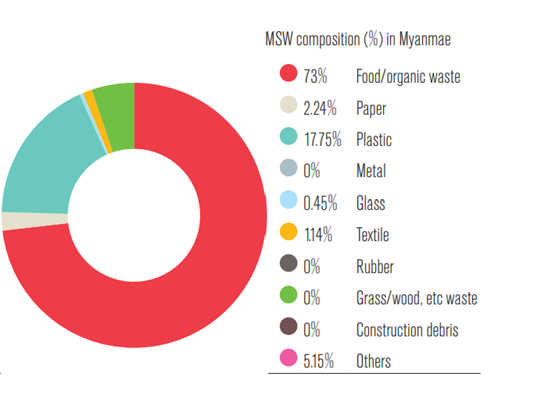
Despite being an agricultural country, Myanmar has a high rate of food insecurity. Around 13.2 million of its population are affected by food insecurity due to the instability of the country’s economy and politics (WFP, 2022). Moreover, municipal solid waste (MSW) has become a significant concern due to a lack of understanding and knowledge regarding waste recycling. Garbage in Myanmar is managed through incineration, sanitary landfills, and open dumping (Loh, 2020). Food/organic waste accounts for 73% of Myanmar’s MSW (See Figure 1).
By-Products of Peanut Oil Production
The majority of peanuts grown worldwide are commonly used to produce edible peanut oil. According to Statista (2022), the global production volume of edible peanut oil added up to 6.48 million metric tons from 2021 to 2022. A variety of by-products are obtained from edible peanut oil extractions, and peanut meal is one of those by-products obtained after edible oil has been extracted from the peanut and contains around 50% to 60% of proteins (Zhao et al., 2020). The Protein Digestibility-Corrected Amino Acid Score (PDCAAS) indicates that peanut proteins (PP) are equally nutritious as those found in meat and eggs (Vadala et al., 2023).
PP consists of all 20 amino acids, with an estimated 12.5% of total protein, which contributes to various health benefits, including the prevention of cardiovascular disease, weight management, and satiety (Arya, Salve, and Chauhan, 2016; Smeets, Mensink, and Joris, 2021). According to List (2016), peanut meal is an excellent protein source when used as flour, grits, concentrates, and isolates. Numerous studies have demonstrated various potential applications of peanut meal in various food products. Research by Zhang et al. (2019) used the high-moisture extrusion technique to convert peanut meals into meat substitutes, tofu, and sausages.
Nevertheless, Zhang et al. (2019) focused mainly on the technical features of peanut meals rather than the sensory aspects. In the US, research by Kline (2016) involved numerous tests using peanut flour as an ingredient in cereals, snacks, and bakery products to evaluate the performance of peanut meals in baking. Peanut meal is used to lessen the malnutrition problem in developing countries. Food scientists and nutritionists utilize protein-fortified blends in food aid programs (Vadala et al., 2023). It would be of great value if peanut meals could be valorised more in the food and beverage industry due to their high protein content.
Methodology
Selected Method
The current study employed a case study research method, complemented by quantitative data. This method was employed to analyze data within a specific context with a limited number of participants. The method analyzed the participants’ real-life experiences through a contextual analysis of conditions and relationships (Rashid et al., 2019). The method incorporated multiple sources to set the baseline of the research. It was useful as it enabled the current study to focus on the specific case of UFPs in Myanmar. It enabled the researcher to collect quantitative data through a survey, which facilitated an in-depth analysis of UFPs (Rashid et al., 2019).
The survey is a research method that was used to collect data from individuals through a self-administered questionnaire. The method is flexible as it collects data through multiple instruments. It encompasses quantitative, qualitative, or mixed research strategies and is primarily used to analyze human behavior (Creswell & Hirose, 2019). Using reliable and valid instruments, the technique was used to collect information related to preferences, behavior, and attitudes.
The survey helped collect large volumes of data, as its effectiveness lies in the size of the sample. The researcher identified a population sample whose characteristics can be generalized to the rest of the population (Creswell & Hirose, 2019). The strength of the survey lay in the sample size; the larger the sample size, the more accurate the survey could have been, as sampling error is lowered. It collected demographic information, which was useful in describing the selected sample. The method included multiple variables, which were studied and were easy to operate (Jaqueth et al., 2019). This made it easy when generalizing, as it provided population estimates.
The case study method proved useful in providing a comprehensive understanding of the problem being investigated, utilizing actual data and previous research as a reference point. However, the method had several weaknesses, including a small data set, which makes it challenging to determine whether the trend is consistent in other areas. Furthermore, meeting the threshold of statistical significance was also a significant challenge due to the small sample size.
The case study method incorporated a survey, which had multiple drawbacks. Ethics required respondents to answer the survey questions voluntarily. The missing sections impacted the survey’s outcome, as only completed questionnaires were included in the analysis. Furthermore, there was a high likelihood of misreporting, as non-verbal communication could not be used to ensure the accuracy of the collected data, since the process did not allow for close contact between the researcher and the respondent.
Research Approach
The relationship between social research and theory determines the approach the researcher uses in producing knowledge. The deductive approach involves developing a theory and conceptual framework using existing literature and testing its validity through empirical observations (Young et al., 2019). The inductive approach focuses on using multiple research methods to develop a new theory. Abduction combines both deductive and inductive methods, hence revolving around data and theory. Deductive and inductive research have gained ground over abduction, as most researchers tend to choose one of these two approaches when answering the research question being investigated.
The current study employed a deductive approach to investigate the identification of consumer willingness and preference regarding UFPs, focusing on a case study of peanut meals in Myanmar. Furthermore, the method was selected due to the availability of literature materials in the selected study area, which is critical in addressing the research questions investigated (Young et al., 2019). Moreover, the time constraint justified the use of the deductive approach as it is more feasible, considering it was quick. The existing literature in the area provided the basis for determining the type of data to be collected and for interpreting the analysis in a manner that related it to the available literature.
Research Design
This study employed a cross-sectional design, as it involved data collection at a single point in time. This design was chosen because it enabled the meeting of the research objectives, which included understanding consumer preferences and willingness to consume UFPs from peanut oil by-products in Burma. The longitudinal design could not be used in the present research, considering the available time limit and associated costs. The selected cross-sectional design was consistent with the chosen quantitative strategy.
Data Collection
The researcher utilized an online questionnaire composed of closed-ended questions. The researcher used questions that were previously employed in research, considering that this is a case study research with a baseline in existing literature materials. These studies provided the measures required in the current study. The questions included in the questionnaire were selected because they could provide answers to the research question being addressed.
Furthermore, the questions were compared efficiently for the relationship between variables. The questionnaire had sections such as demographics, which collected population-based factors including gender, age, education, employment, household size, number of children under the age of 18, and annual household income. The demographic section helps the researcher visualize the sample and ensure it represents the required population. The other questionnaire section included information on UFPs, consumer knowledge and literacy, and UFPs made from by-products of peanut oil production. Questions were designed to use a seven-point Likert scale with labels completely agree, agree, somewhat agree, neutral, somewhat disagree, disagree, and completely disagree.
Sampling
The qualifications for participation in the current study include being a citizen of Myanmar, being at least 18 years of age, and being able to read and write. Sampling was required to ensure that only individuals who met the required characteristics were included in the present research study. The current research opted for a non-probability sampling technique.
The researcher used convenience sampling due to its ease of use. Non-probability sampling technique is a method in which the researcher selects a unit from the population non-randomly (Datta, 2018). This method did not require a sampling frame, making it a simple, cheap, and fast way of data collection.
However, to conclude this sampling technique, the researcher has to assume that the sample represents the population, which presents a challenge to the current research, considering the technique. Furthermore, the researcher cannot estimate the probability of a particular element that is included in the present research (Datta, 2018). This implies that the researcher cannot estimate the variability of the sample, which affects the identification of possible bias in the research.
In recent times, most studies have been using non-probability sampling methods. This is attributed to the decrease in the response rate when implementing the probability sampling technique, the cost of data collection, and the increased use of non-probability web surveys. Nevertheless, this method is prone to selection and participation bias due to its nature of use (Datta, 2018). Although the research method selected was a case study, the findings can be generalized to the rest of the population since an online survey was used, where general demographic data was collected
Before the actual study, a pilot survey was conducted to refine the questionnaire and eliminate issues such as face validity. Eight respondents were used to test the survey, who were later removed from the sampling frame. The feedback collected from the respondents who participated in the pilot survey helped redesign the questionnaire, as some of the words used were not well comprehended.
The participants were informed via email about what was expected of them, the availability of the survey, and the estimated time required to complete the survey questions. Out of 120 participants, only 111 responded fully to the questionnaire, representing a 92.5% response rate. Eleven responses were omitted due to incompleteness, making them unsuitable for inclusion.
Research Critique
Although the current study employed a case study that utilized an online survey for data collection, this method presents multiple challenges that affect the quality of the data collected. Case studies are typically employed in conjunction with qualitative research methods, which utilize verbal and non-verbal communication to draw inferences from the data. However, the current method was based on a descriptive representation of the participants in every section of the questionnaire, which did not allow the findings to be generalized to the rest of the population.
Additionally, the case study focused on Myanmar’s UFPs from peanut oil, which was a vast area, as it required a large sample to represent the findings. The validity of the current study was maintained by the instruments used in the data collection. Content validity was maintained by designing questionnaires that accurately collected data representing the required preferences regarding UFPs. The area of research was carefully analyzed to ensure that the content of the data collection instrument maintained the required validity.
This was also achieved through a pilot study, which helped validate the instrument. The concurrent validity was also met, as the instrument yielded results that aligned with the expected outcomes. The questionnaire was designed to assess knowledge and factors such as price and label effect on willingness to try upcycled products in Myanmar.
Face validity was achieved through the introduction of a pilot study, which enabled the researcher to modify the instruments to make them suitable for the research. However, the current research faced several threats to its internal validity. The confounding effect of the Myanmar economy posed a threat to internal validity, as it influenced the prices and incomes of the respondents.
Selection bias was also a concern for internal validity, as the current research has a higher proportion of females than males. The reliability of this study was maintained, as it can be replicated by other researchers (Smith & Smith, 2018). Future research should employ a probability sampling technique to minimize the likelihood of bias in the results. This will also aid in identifying variability in the collected data, which is useful for making generalizations.
Findings
The participants included in the research were distributed as 65 females and 35 males. Individuals aged 25 to 34 years were the highest group participating in the survey, representing 40% of the overall population. They were followed by those aged 18 to 24, 35 to 44, 45 to 54, and 65 to 74, with percentages of 32%, 18%, 9%, and 1%, respectively.
As shown in Table 1, the participants’ education levels were also included in the data collection. 57% of the individuals attained the postgraduate level, followed by the undergraduate level with 26%. 9% of the participants opted not to say their education level. Middle school and high school reported the least, with 4% each. The occupations of the participants were as follows: 33% self-employed, 31% employed, 15% homemakers, 14% students, 5% retired, and 2% unemployed.
Table 1: Respondents’ percentage of education and occupation
Table 2 shows that the household size in Myanmar is enormous, with families having members above five being the highest, at 53%. Family size 4 is the second most common, with 29%, followed by family sizes of 3, 2, and 1, each accounting for 12%, 5%, and 1%, respectively. Participants with children under 18 represent 30%, while those with no children represent 70%. 50% of the individuals in the survey did not want to disclose their income levels. From Table 2, 38% earn 700,000 Ks or more, 3% earn 400,000 Ks to 499,999 Ks, and 500,000 Ks to 599,999 Ks. The rest represent 1% in groups of 100,000 Ks to 199,999 Ks, 200,000 Ks to 299,999 Ks, 300,000 Ks to 399,999 Ks, and 600,000 Ks to 699,999 Ks.
Table 2: Occupation, household size, number of children, and household income
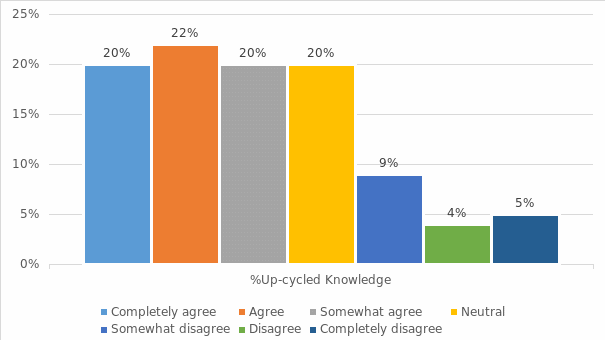
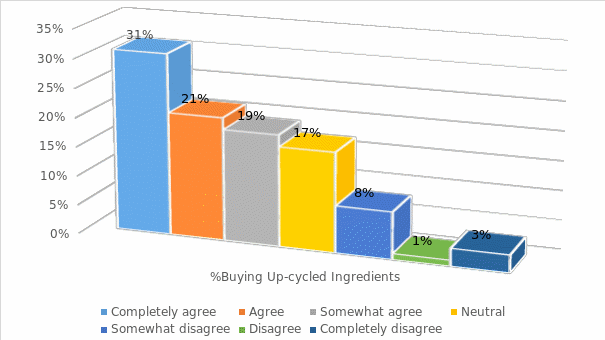
The level of knowledge regarding upcycled ingredients among the participants indicates that a significant portion of the population is knowledgeable about the issue. Table 3 portrays that 20% completely agree, 22% agree, and 20% somewhat agree. Participants who completely disagree about knowing upcycled ingredients represent 5%, and those who disagree are 4%. On buying products that have upcycled ingredients, 31% completely agree, 21% agree, 19% somewhat agree, and 17% were neutral. A small percentage of 8%, 1%, and 3% disagree. 31%, 27%, and 17% completely agree, agree, and somewhat agree on UFPs being good for the environment.
Table 3: Percentage upcycle knowledge, buying ingredients, effect on the environment, and reducing waste.
A small component of the population disagrees with the notion that it is good for the environment, comprising a total of 13%. Regarding the reduction of food waste, 40% completely agree, 28% agree, and 17% somewhat agree that it is useful in waste management, as shown in Table 3. The mean rank of UFPs contributing to food waste reduction is 2.5. Most participants wanted to know the taste of such products. This is represented by their percentage composition, as those who completely agree represent 44%, agree 21%, and somewhat agree 15%, with a mean rank of 2.33.
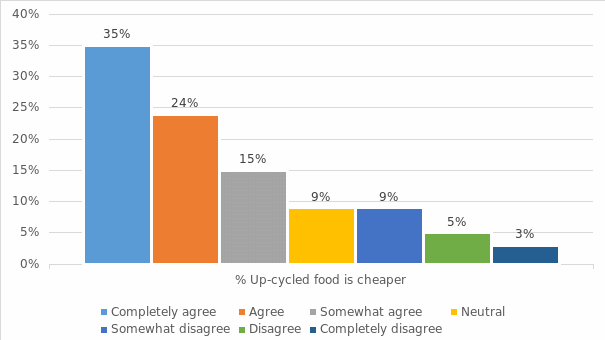
The respondents believe that UFPs are cheaper than conventional food. This is portrayed in the table below, where 35% completely agree, 24% agree, and 15% somewhat agree, with an overall mean rank of 2.6. The argument over whether UFPs are healthy reveals that 19% of participants are unsure about it. However, a significant proportion believes that it is healthy, as 14% completely agree, 25% agree, and 17% somewhat agree, with an overall mean rank of 3.35.
Table 4: Percentage representation of upcycle food products in terms of price, health, purchase willingness, and use based on quality.
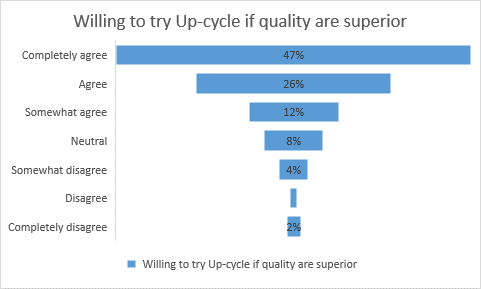
Most participants’ responses showed they are willing to pay extra for products made with upcycled ingredients. 22% completely agree, 27% agree, and 24% somewhat agree, with all responses having a mean rank of 2.78. A significant proportion of the participants were willing to try UFPs if they were known to have high nutritional value. The percentage composition includes 47% who completely agree, 26% who agree, and 12% who agree, with an overall mean rank of 2.07.
Most respondents were willing to try such products as long as they had a positive environmental impact on food production and consumption. This is shown in Table 5, where 47% completely agree, 17% agree, and 18% somewhat agree, with a mean rank of 2.34. Having an upcycled label on food products received significant attention, with 51% of respondents completely agreeing, 20% agreeing, and 14% somewhat agreeing, yielding a mean rank of 2.13.
Table 5: Percentage representation of willingness to try, upcycle label, term by-product, and try upcycle peanut products.
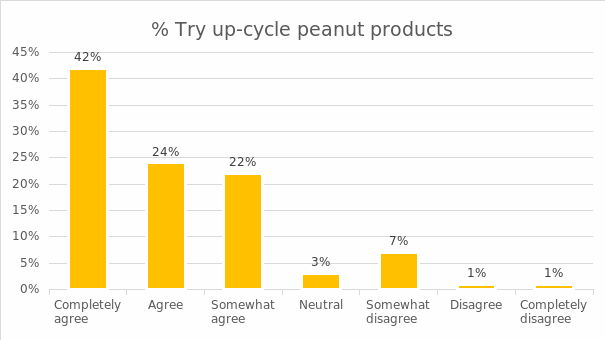
A significant number of respondents had previously heard the term ‘by-products’ in relation to food products. This is reflected in the response percentage, with 60% representing ‘completely agree’, 20% representing ‘agree’, and 12% representing ‘somewhat agree’, resulting in a mean rank of 1.82. The level of knowledge regarding by-products among respondents was above average, as 23% completely agreed, 23% agreed, and 16% somewhat agreed, with a mean rank of 3.25. Participants’ responses indicate that they are willing to try UFPs made from by-products of peanut oil production. 42% completely agree, 24% agree, and 22% somewhat agree, with an overall mean rank of 2.16.
Discussion
Consumers’ Knowledge
Most of the participants were women, as they tend to be more sensitive to food products than men. Most females in Myanmar are assigned roles primarily related to farming and cooking, making them significant participants in the current survey. Consumer knowledge regarding UFPs is helpful as it informs their decision on whether to consume them. Consumption decisions in consumers are usually informed, as individuals tend to consume what they have information about.
Figure 2 illustrates that a substantial proportion of respondents possess information on UFPs, which influences their purchasing decisions. More than half of the respondents indicate that they are known, with 20%, 22%, and 20% completely agreeing, agreeing, and somewhat agreeing, respectively.
Awareness is crucial in upcycling and reusing waste products, as it motivates users to achieve their green environment goals. Creating positive awareness is crucial in ensuring that consumers are attracted to a particular product. This provides them with the required knowledge, which is essential for selecting the product of interest.
The study by Myint (2020) supports the present research finding that knowledge of UFPs helps determine consumers’ consumption of these products. Myint (2020) argues that consumers in Burma seek food products with high nutritional content, necessitating the acquisition of knowledge on readily available and nutritious food options. The consumer also checks the availability of food products; peanut availability is abundant in Burma.
Consumers’ knowledge of food products in Burma is beneficial in selecting UFPs. Consumers are willing to purchase the products that benefit their health (Yu and Lee, 2019). Individuals with knowledge of UFPs tend to consider purchasing such products due to their understanding of the welfare implications. Even those without knowledge tend to consider the purchase.
The current research findings align with other literature, such as Myint (2020) and Yu and Lee (2019), in that knowledge of upcycled food similarly affects consumer perception. Figure 3 shows that most respondents are willing to purchase food with upcycled products, despite some respondents lacking sound knowledge of these products.
Consumers need insights to purchase UFPs. Although a section of the population will purchase these products with less information, providing consumers with awareness of them is essential in promoting their use and purchase. Yilmaz and Kahveci (2022) also support the finding by arguing that explaining the significance of UFPs promotes consumer purchases. This is because some consumers may be interested in trying products made from upcycling, but lack the knowledge that would convince them to make a purchase.
Based on the gender distribution, most respondents were female, and Yilmaz and Kahveci (2022) highlight that females have a higher consumption of UFPs and perceive them as helpful in solving the food waste problem. Insights portrayed in the current study are similar to those of Yilmaz and Kahveci, as both studies focused on consumer awareness. Data from the current study (See Figure 4) show that 40%, 28%, and 17% of respondents completely agree, agree, and somewhat agree, respectively, with the significance of UFPs in reducing food waste.
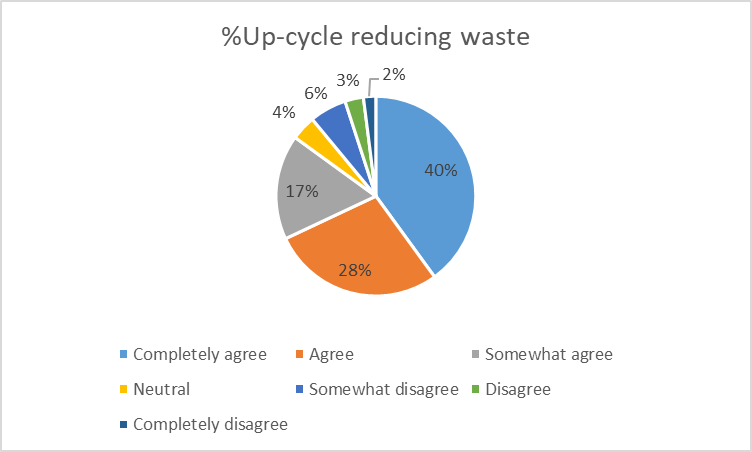
The mean rank indicates that respondents understand the importance of upcycling food products in reducing food waste. According to Yu and Lee (2019), upcycling is more energy-efficient than traditional recycling methods. The method is greener as it upgrades the quality of the product, as materials are converted to something of greater value than the previous one. The designed product becomes safe, durable, and easy to use, as it protects the environment while meeting the clients’ needs (Yu and Lee, 2019). This makes it more attractive to clients compared to recycled products.
Acceptance of UFPs Made from Peanuts
Most respondents prefer products with high nutritional value, including UFPs from peanuts. This is reflected in the current survey’s response rate, with 47% completely agreeing, 26% agreeing, and 12% somewhat agreeing. The mean rank is 2.07, which supports the argument that most respondents prefer upcycle products with high nutritional value, giving them a positive attitude and preference towards them. It is worth noting that the Myanmar people seek products with health benefits. The percentage composition of the respondents who will try an upcycled product with high nutritional value is shown in Figure 5.
Many respondents are eager to try UFPs made from peanut oil by-products. 42% completely agree, 24% agree, and 22% agree with using the product. The mean rank is 2.16, indicating that most respondents agree with trying the food products. Myanmar has an abundant production of peanut oil, and most people are aware of the nutritional content of peanuts, making them agree to utilize its upcycled products. Figure 6 below shows the percentage representation of the respondents.
Apart from being of high quality, the goods produced must possess the desired nutritional value and be healthy. Consumers typically purchase products that are beneficial and can positively impact their well-being. As identified earlier, peanut meals contain various nutritional components, including fiber and protein. Each groundnut by-product benefits the consumers, including the waste materials. Several studies support consumers’ perception of trying upcycled peanut food products.
According to a study by El-Mekkawi, Sebaei, and Amin (2022), peanut meal was found to have a high protein content of about 55%. It is an excellent source of arginine acquired directly from plants. Carbohydrates, minerals, and polyphenols are also present in this by-product, thereby enriching the nutritional value (Hnin et al., 2021).
The meal provides a great alternative to animal proteins, is readily available, and is relatively cheaper than meat in Myanmar. In the study by Ghazanfar et al. (2022), numerous tests concluded that fortified peanut products had a higher arginine content than wheat in the baking industry. The characteristics make it an ideal option for sourcing highly needed nutrients, thereby significantly influencing the willingness to pay for them. This finding aligns with current research, as the nutritional levels of upcycled peanut oil products are high, leading consumers to prefer them.
Price, Label, Nutritional Content, Origin, and Willingness
Burma consumers believe that UFPs are more affordable than conventional food, making them a more economical choice. 35% strongly agree, 24% agree, and 15% somewhat agree on the price level. Most also believe their nutritional value is higher than that of other food products. 47% strongly agree, 26% agree, and 12% agree on their superiority in nutrition. It is crucial to have a label on upcycled products as it informs the decision of individuals making the purchase.
A significant number of participants support this claim, as 51% completely agree, 20% agree, and 14% somewhat agree. The origin of upcycled food influences consumers’ purchasing decisions, with 48% completely agreeing, 22% agreeing, and 11% somewhat agreeing. Figures 7, 8, and 9 show price, label, and food origin composition, respectively.
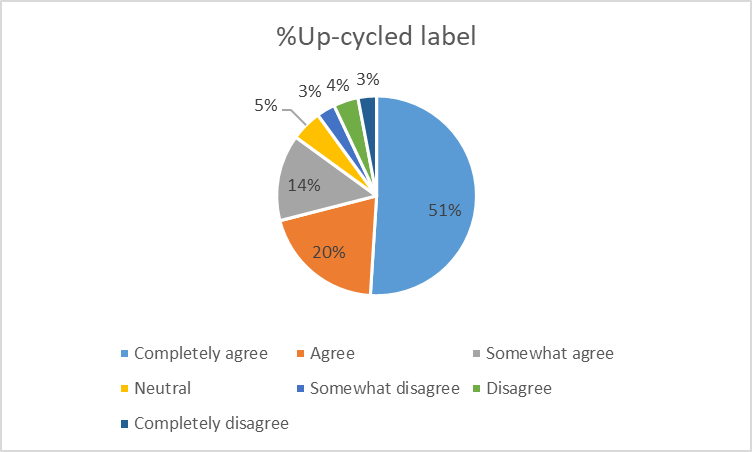
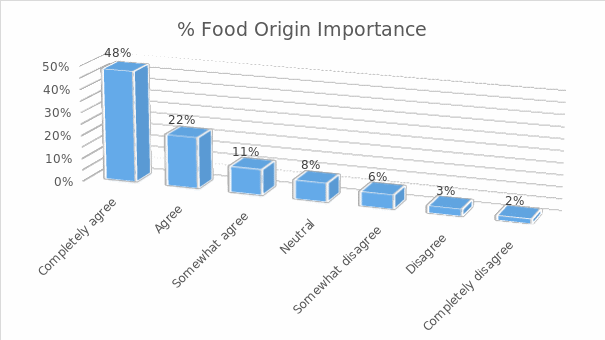
The certification factor and eco-labeling impact consumers’ trust issues toward sustainable development goals. They are reliable sources to consumers and can influence buying habits. On the labels, traces of the product’s sustainable impact are presented, informing the clients of the environmentally friendly features of the goods.
Naing (2020) supports the current findings by claiming that, in Myanmar, the advertising of peanut meals, especially by the most common brand, encourages clients to perceive the need to consume the item. All the advantages of the merchandise are clearly stated. They include the nutrients present and the impact upcycling has had on waste management.
With this knowledge, purchasing habits are influenced, especially among young adults and millennials, as they strive to make an impact in achieving the 2030 Sustainable Development Goals. Hnin et al. (2021) also support the findings, arguing that transparent information builds trust and promotes the purchase of specified items, such as peanut meals, in Myanmar. Eco-labeling helps environmentally friendly clients make choices (ECD, MONREC, 2018).
They can distinguish between those that are ecologically friendly and those that are not, and make purchases accordingly. In Myanmar, poor economic stability has led to a significant portion of the population living in poverty (Naing, 2020). With this economy, every penny counts; hence, higher charges have been a significant setback in promoting a sustainable environment. Zhao et al. (2021) further stated that the buyer’s purchasing power of green products increases when the charges are low but decreases when the price is raised. The present research findings align with the existing literature, as price, upcycling label, and nutritional content all influence consumption in a growing economy.
Conclusion
Age influences purchasing behavior, as variations in life stages impact the choices individuals make. Young people’s purchasing behavior is significantly different from that of adults, which affects purchase decisions among Myanmar citizens. Older people in Myanmar tend to prefer not to opt for UFPs, despite their affordability and availability. This can be attributed to their knowledge of upcycled food products.
Knowledge of upcycled products is crucial in determining the consumer’s preference and willingness to purchase. Therefore, the findings support the hypothesis that knowledge of UFPs has a significant impact on the consumption of these products. In this context, consumer knowledge is linked with the environmental literacy of upcycled products. Product knowledge encompasses the consumer’s familiarity with the upcycled product, enabling them to make an informed selection.
The current study demonstrates that consumers possess expertise in the product and are aware of its attributes, which informs their purchasing decisions. Myanmar’s economy is hugely dependent on agricultural activities for development. This enables citizens to be well-informed about the food products they consume. For instance, most of them are knowledgeable about UFPs, which informs their purchases.
Awareness of a specific domain is crucial for making informed choices about the product, as well as for maintaining its usage. Although some people are unaware of UFPs, many are willing to give them a try. Environmental literacy enables people to perceive products differently based on their environmental impact. This includes sensitivity, knowledge, and attitude regarding the environment. Consumers believe that using upcycled products helps protect the environment by reducing waste accumulation.
Peanuts are a common product in Myanmar, and most people are familiar with their nutritional value and benefits. Most people have a positive attitude toward upcycled products made from peanuts. Additionally, most people prefer products with health benefits, which is the same for Burmese citizens.
The respondents indicate that nutritional value is a key consideration when purchasing food products. Peanuts’ nutritional content includes protein and fiber, which are beneficial for overall well-being. The high protein content makes upcycled products more acceptable to society, as they serve as an alternative to animal proteins and are readily available. Furthermore, the high cost of animal protein and the abundance of peanuts make them a preferred alternative.
Consumers prefer using green products because they are considered safer than others. Labeling products made with upcycled ingredients is essential, as it provides consumers with the information they need to make informed purchasing decisions. This enables consumers to identify green products, allowing them to address environmental problems. Products made from upcycled ingredients typically include labels indicating the amount of content present, promoting informed purchasing decisions.
The current study has shown that consumers rely on this information when making purchases, portraying its significance. The product price is crucial in determining a consumer’s purchasing power and willingness to buy UFPs. Most people in Burma believe that upcycled products are cheaper than conventional products as they are made from by-products.
Additionally, Myanmar is an underdeveloped country, which affects the price of products, as most people rely on agriculture for their livelihood. Myanmar’s economy is currently fragile, with nearly half its citizens living below the national poverty line. The economic situation influenced consumer preference and willingness to pay for upcycled products. Setting high prices for upcycled products, such as peanuts, makes it difficult for consumers to purchase them, despite their being more nutritious than other food products.
The poverty level in Myanmar influences the prices of products, especially those made from upcycled materials. Food origin has proven effective in determining the willingness to purchase UFPs. Although previous studies have not emphasized the importance of knowing the country of origin, current research has demonstrated its effectiveness, as most respondents believe it is crucial to know where the product originates. It can be concluded that the research reveals a significant association between price, upcycled certificate label, nutritional content, and food origin, and consumer preference and willingness to consume UFPs.
Recommendations
Consumer preferences and perceptions regarding UFPs can be promoted through increased public awareness. This is because there are people who might be interested in utilizing such products, but cannot do so. After all, they lack the necessary information on their nutritional quality and the environmental impact of reducing food waste. Promoting public awareness of UFPs should be made a policy by the Burmese Government, as this will encourage food production by minimizing food waste in the country.
Furthermore, the policy will create industrial responsibility as companies that process oil from peanuts will ensure that the by-products are used as ingredients. The government should subsidize UFPs in the market, as prices significantly influence the purchase of these products. Subsidy reduces the cost of making upcycled food products available to low-income people. It also lowers production costs, enabling manufacturers to promote food waste management through upcycling.
References
Aramyan, L. et al. (2020) ‘Food waste reduction in supply chains through Innovations: a review’, Measuring Business Excellence, 25(4), pp. 475–492. Web.
Arya, S.S., Salve, A.R. and Chauhan, S. (2015) ‘Peanuts as functional food: a review’, Journal of Food Science and Technology, 53(1), pp. 31–41. Web.
Barba, F.J. et al. (2016) ‘Green alternative methods for the extraction of antioxidant bioactive compounds from winery wastes and by-products: a review’, Trends in Food Science and Technology, 49, pp. 96–109. Web.
Best, D. (2021) Label for upcycled foods unveiled in US, just food. Web.
Bhatt, S. et al. (2017) ‘From food waste to value-added surplus products (VASP): consumer acceptance of a novel food product category’, Journal of Consumer Behaviour, 17(1), pp. 57–63. Web.
Bhatt, S. et al. (2020) ‘Consumers’ willingness to pay for upcycled foods’, Food Quality and Preference, 2(3), pp. 1–15. Web.
Boston Consulting Group (2018) Tackling the 1.6 Billion-Ton Food Loss and Waste Crisis. Web.
Cattaruzza, A. (2022) Don’t waste your food waste, Sustainable Business Guide. Web.
Creswell, J.W. and Hirose, M. (2019) ‘Mixed methods and survey research in Family Medicine and Community Health’, Family Medicine and Community Health, 7(2), pp. 1–6. Web.
Datta, S. (2018) ‘Sampling Methods.’ Web.
Downs, S. M. et al. (2018) ‘The interface between consumers and their food environment in Myanmar: an exploratory mixed-methods study’, Public Health Nutrition, 22(06), pp. 1075–1088. Web.
ECD, MONREC (2018) National Waste Management Strategy and Master Plan for Myanmar (2018-2030), pp. 1–34. Web.
El-Mekkawi, S. A., Sebaei, A. S. and Amin, S. K. (2022) ‘Green waste recycling of peanuts highly contaminated with aflatoxins in clay brick manufacturing’, Bulletin of the National Research Centre, 46(1), pp. 1–8. Web.
Ewing-Chow, D. (2021) Upcycled food is the coolest trend you’ve probably never heard of. Web.
FAO (2018) Food losses and waste Issues and policy options. pp. 3–18. Web.
FAO (2022) Food wastage footprint. Web.
FAO (n.d.) Global Initiative on food loss and waste reduction. Web.
FAO et al. (2020) The state of food security and nutrition in the world 2020. Transforming food systems for affordable healthy diets. Rome: FAO. Web.
Favre R., Myint U.K. (2009) An analysis of the Myanmar edible oil crops sub-sector, FAO Rome. Web.
Garcia-Garcia, G., Stone, J. and Rahimifard, S. (2018) ‘Opportunities for waste valorisation in the food industry – a case study with four UK food manufacturers’, Journal of Cleaner Production, 211, pp. 1339–1356. Web.
Ghazanfar, S. et al. (2022) ‘Effect of sustainability claim on willingness to pay for upcycled food in digital era: differential effect of sustainability claims between virtue and vice product category’, Frontiers in Environmental Science, 10(2). Web.
Grasso, S. and Asioli, D. (2020) ‘Consumer preferences for upcycled ingredients: a case study with Biscuits’, Food Quality and Preference, 84, pp. 1–9. Web.
Hal, O. van et al. (2019) ‘Upcycling food leftovers and grass resources through livestock: impact of livestock system and productivity’, Journal of Cleaner Production, 219(3), pp. 485–496. Web.
Herens, M. et al. (2018) ‘Farmers’ adaptive strategies in balancing commercial farming and consumption of nutritious foods: case study of Myanmar’, Sustainability, 10(12), pp. 1–10. Web.
Hnin, C. H. et al. (2021) ‘Edible oil in the Market, Nay Pyi Taw, Myanmar: Types, Brands, Market Prices and Consumer Preferences‘, FFTC Agricultural Policy Platform, 2(2), pp. 1–7. Web.
Ho, S. (2021) Asia responsible for 50% of global food waste: Businesses gear up to fight crisis, Green Queen. Web.
Jaqueth, A.L. et al. (2019) ‘Using web-based surveys to explore equine industry practices and future research needs’, Journal of Equine Veterinary Science, 83, pp. 1–8. Web.
Ji, H. et al. (2017) “Effects of dielectric barrier discharge (DBD) cold plasma treatment on physicochemical and functional properties of peanut protein,” Food and Bioprocess Technology, 11(2), pp. 344–354. Web.
Kline, M. (2016) Manufacturing foods with peanut ingredients. Web.
List (2016) Processing and food uses of peanut oil and protein. Web.
Liu, C. et al. (2022) ‘Achieving zero hunger goal through minimizing waste in food supply chain: evidence from Asian emerging region’, Sustainability, 14(10), pp. 1–12. Web.
Loh, P. Y. (2020) Why is South-east Asia so bad at managing its waste? Web.
Martin-Rios, C. (2021) Food Waste Management Innovations in the foodservice industry, Hospitality News and Business Insights by EHL. Web.
Mayo Clinic (2022) Peanut Allergy. Web.
Moshtaghian, H., Bolton, K. and Rousta, K. (2021) ‘Challenges for upcycled foods: definition, inclusion in the food waste management hierarchy and public acceptability’, Foods, 10(11), pp. 1–12. Web.
Munoz, C. and Anthem, P. (2021) 11 facts about food loss and waste – and how it links to sustainable food systems. World Food Programme. Web.
Myint, O. M. (2020) ‘Consumer attitude and purchase intention towards organic foods in Myanmar’, International Journal of Scientific and Research Publications (IJSRP), 10(05), pp. 861–864. Web.
Naing, S. S. (2020) Factors affecting consumer purchase intention of green products. Undergraduate Dissertation. Yangon University of Economics. Web.
Nyambo, B.T. (1993) ‘Post‐harvest maize and sorghum grain losses in traditional and improved stores in South Nyanza District, Kenya’, International Journal of Pest Management, 39(2), pp. 181–187. Web.
O.Nyumba, T. et al. (2018) ‘The use of focus group discussion methodology: Insights from two decades of application in conservation’, Methods in Ecology and Evolution, 9(1), pp. 20–32. Web.
Parfitt, J., Barthel, M. and Macnaughton, S. (2010) ‘Food waste within food supply chains: quantification and potential for change to 2050’, Philosophical Transactions of the Royal Society B: Biological Sciences, 365(1554), pp. 3065–3081. Web.
Perito, M.A. et al. (2019) ‘Consumer acceptance of food obtained from olive by-products’, British Food Journal, 122(1), pp. 212–226. Web.
Phongthai, S. et al. (2020) ‘Properties of peanut (KAC431) protein hydrolysates and their impact on the quality of gluten-free rice bread’, Foods, 9(7), pp. 1–12. Web.
Prasetyo, P.E. and Dzaki, F.Z. (2020) ‘Institutional performance and new product development value chain for entrepreneurial competitive advantage’, Uncertain Supply Chain Management, pp. 753–760. Web.
Rashid, Y. et al. (2019) ‘Case study method: A step-by-step guide for Business Researchers’, International Journal of Qualitative Methods, 18, pp. 1–6. Web.
Roth, M. et. al. (2019) Opportunities for upcycling cereal by-products with special focus on Distiller’s grains. Web.
Santeramo, F.G. (2021) ‘Exploring the link among food loss, waste and food security: What the research should focus on?’, Agriculture and Food Security, 10(1), pp. 1–12. Web.
Schuster, M. and Torero, M., 2016. Reducing food loss and waste. International Food Policy Research Institute (IFPRI), IFPRI book chapters. Web.
Seberini, A. (2020) ‘Economic, social and environmental world impacts of food waste on society and Zero waste as a global approach to their elimination’, SHS Web of Conferences, 74, pp. 1–9. Web.
Smeets, E.T.H.C., Mensink, R.P. and Joris, P.J. (2021) ‘Effects of tree nut and groundnut consumption compared with those of L-arginine supplementation on fasting and postprandial flow-mediated vasodilation: meta-analysis of human randomized controlled trials’, Clinical Nutrition, 40(4), pp. 1699–1710. Web.
Smith, T. and Smith, S. (2018) ‘Reliability and validity of the research methods skills assessment’, International Journal of Teaching and Learning in Higher Education, 30(1), pp. 80–90. Web.
Statista (2022) Production volume of peanut oil worldwide from 2012/13 to 2021/22. (In million metric tons). Web.
Summit Dialogues (2021) Draft Report Transformation Pathways to Sustainable Food System of Myanmar Member State Dialogue. pp. 1–22. Web.
Thorsen, M. et al. (2022) ‘Upcycled foods: a nudge toward nutrition’, Frontiers in Nutrition, 9(3), pp. 1–5. Web.
UNEP (2021) Food Waste Index Report. rep., pp. 4–89. Web.
UNICEF (2021) Asia and the Pacific Regional Overview of Food Insecurity and Nutrition. Web.
United Nations (2022) Stop Food Loss and waste, for the people, for the planet. Web.
United Nations Environment Programme (2017) Waste management in Asian countries. Web.
Upcycled Food Association (2021) About upcycled food. Web.
Vadala, R. et al. (2023) “Nutritional benefits of peanut by-products,” Reference Module in Food Science, pp. 1–6. Web.
Van Vo, B. et al. (2020) ‘Digestibility and water quality investigations on the processed peanut (Arachis hypogaea) meal fed barramundi (Lates calcarifer) at various inclusion levels’, Aquaculture Reports, 18(14), pp. 1–19. Web.
WFP (2022) Myanmar. Web.
Wijnands, Jo. H. M. et. al (2014) Business opportunities and food safety of the Myanmar edible oil sector. Web.
WWF (2021) Driven to waste: the global impact of food loss and waste on farms. rep., pp. 2–20. Web.
Yilmaz, E. and Kahveci, D. (2022) ‘Consumers’ purchase intention for upcycled foods: Insights from Turkey’, Future Foods, 6(12), pp. 1–8. Web.
Young, M. et al. (2019) ‘The spectrum of inductive and deductive research approaches using quantitative and qualitative data’, Academic Medicine, 95(7), pp. 1–9. Web.
Yu, S. and Lee, J. (2019) ‘The effects of consumers’ perceived values on intention to purchase upcycled products’, Sustainability, 11(4), pp. 10–34. Web.
Yue, B. et al. (2020) ‘Impact of consumer environmental responsibility on green consumption behavior in China and Myanmar: the role of environmental concern and price sensitivity’, Sustainability, 12(5), pp. 20–24. Web.
Zhang, J. et al. (2019) ‘Converting peanut protein biomass waste into ‘double green’ meat substitutes using a high-moisture extrusion process: a multiscale method to explore a process for forming a meat-like fibrous structure’, Journal of Agricultural and Food Chemistry, 67(38), pp. 10713–10725. Web.
Zhang, J. et al. (2020) ‘Addressing food waste: how to position upcycled foods to different generations’, Journal of Consumer Behaviour, 2(5), pp. 1–8. Web.
Zhao, H. et al. (2021) ‘Impact of pricing and product information on consumer buying behavior with customer satisfaction in a mediating role’, Frontiers in Psychology, 12(4), pp. 1–24. Web.
Zhao, Q. et al. (2020) ‘Fate of phospholipids during aqueous extraction processing of peanut and effect of demulsification treatments on oil-phosphorus-content’, Food Chemistry, 331, pp. 1–9. Web.