
Abstract
Museums are dynamic spaces for education, research, and dialogue. Through exhibitions, they encourage audience reflection and promote cultural recognition. Museums play an active role in addressing contemporary social problems, promoting inclusiveness, and overcoming cultural differences. These institutions exist as spaces for addressing the needs of a changing society. Their role is to shape public discourse and foster a sense of belonging.
The cultural heritage of some peoples has been severely damaged, with dire consequences. Our future generations should appreciate what we have, because history offers us the opportunity to learn more about people’s past. The museum houses many monuments and artifacts that offer individuals a glimpse into the past and an appreciation of the future.
The purpose of this essay is to delve into the importance of museums in preserving and enriching our cultural heritage. They are necessary buildings that not only store tangible and intangible artifacts, but also serve as places of worship. It is a repository of collective memory and identity of a specific people or the whole world. The study is based on the recognition of museums’ key role in shaping public values and promoting a deeper understanding of diverse cultures. The essay seeks to unravel the various ways in which museums contribute to the cultivation and transmission of cultural knowledge across generations.
Introduction
Museums are bastions of cultural heritage, preserving the essence of past and present civilizations. They are repositories of artifacts and dynamic institutions that serve as centers of education and research. They contain ancient relics and modern artworks. Diverse collections allow visitors to participate in collective memory and identify themselves globally.
This essay delves into the profound significance of museums in enriching and safeguarding our cultural heritage. Central to this investigation is a fundamental inquiry: What makes museums indispensable to our culture, and how do they actively contribute to preserving and disseminating our collective heritage? Through this analysis, the essay aims to reveal the diverse roles museums play in society.
These institutions cannot be considered stagnant formations frozen in time. They develop in parallel with the innovative technologies of the modern world and offer visitors new ways to immerse themselves in the past, meeting society’s needs. Through carefully selected exhibitions and innovative programming, museums go beyond their traditional role as simple observers of history, actively engaging audiences and fostering a deeper understanding of cultural diversity. They become important educational resources, offering engaging experiences that stimulate curiosity and critical thinking. Thanks to this research, it is worth confirming the irreplaceable role of museums as guardians of cultural heritage and catalysts of social progress.
Preservation of Cultural Heritage
Museums in general are not just a center where you can have fun and look at an exhibition. It is not just a building where individuals come to see art or contemporary exhibitions. It is a repository of nations’ heritage, artifacts, and works of art. These repositories embody the essence of past and present civilizations, intertwining them into one whole. Becoming one whole, they form a chronology of events, and visitors are offered a unique opportunity to follow the development of a certain event or phenomenon from the very beginning.
The traditions, principles, and ideas of ancient civilizations form the foundation of our contemporary world and the core values embraced by modern society. These cultural artifacts serve as the cornerstone of museums, preserving and showcasing the rich heritage that continues to shape our collective identity (Preziosi & Farago, 2021). A museum collects, preserves, and exhibits culture while simultaneously ensuring the preservation of all information and objects for many future generations.
Often, due to wars or natural disasters, many artifacts are lost, which is why organizations such as museums exist. There, workers catalog, photograph, and store cultural monuments in a controlled environment. This prevents many items from being destroyed or damaged. Preservation techniques stabilize fragile materials and repair damage caused by age or mishandling.
An example is the British Museum in London, which offers visitors a large collection of cultural artifacts. This includes the Rosetta Stone, the Elgin Marble, and Egyptian mummies. According to The British Museum (n.d.), “Experience cultures across the globe, from the dawn of human history to the present” (para.”Welcome to the British Museum”). These artifacts provide invaluable insight into ancient civilizations and their contributions to human history.
Many museum directors are conscious of collaborating with archaeologists, anthropologists, and cultural scientists to conduct qualitative research. According to Stuedahl et al. (2021), numerous museums in the Nordic region and globally foster reciprocity and dialogue by actively including audience groups in the design of museum exhibitions. They also document the historical context for their collections. This not only allows you to analyze the context of the emergence of certain monuments deeply, but also to restore chronology or fill gaps in the history of a nation.
Museums share this knowledge and new information with visitors by creating exhibitions, while offering historical and social context in different languages. This allows many nationalities to visit a specific museum and learn something cultural about other people. Sometimes it is important because museums not only contribute to the preservation and interpretation of cultural heritage but also help prevent cultural groups from extinction or oblivion.
One of the greatest strengths of museums is their participation in initiatives to protect cultural heritage from theft, robbery, and illegal circulation. In today’s world, this is a real threat. Strict ethical principles and international conventions (for example, the UNESCO Convention on the Measures to Prohibit and Prevent the Illicit Import, Export and Transfer of Ownership of Cultural Property) provide a higher degree of protection for cultural monuments.
Museums lacking integrity may disregard regulations, destroying cultural landmarks (Hunt, 2019). By advocating for the repatriation of stolen artifacts and promoting responsible collecting practices, museums strive to maintain the integrity and authenticity of their collections. The return of stolen artifacts is essential to restore historical justice and preserve the countries’ cultural heritage.
It is the duty of museums to preserve cultural heritage over the years, keeping it accessible and untouched for centuries. This allows current and future generations to touch the history and traditions of their ancestors without problems(Hunt, 2019). Museums serve as repositories of collective memory, preserving tangible and intangible aspects of culture for future generations. Visitors are offered many opportunities to view and study artifacts, gaining insight into the lives, beliefs, and achievements of past civilizations.
Museums play a key role in preserving cultural heritage and contributing to a deeper understanding of our shared human experience. By collecting, preserving, studying, and interpreting cultural artifacts, museums provide living, relevant access to our cultural heritage for future generations. Supporting museums and their conservation initiatives helps protect our cultural heritage and promote cultural understanding and exchange.
Education and Knowledge Dissemination
Museums play a fundamental role in educating visitors about various aspects of cultural heritage. Museums’ curated exhibitions, interactive exhibits, and educational programs provide opportunities for learning and discovery (Figure 1).
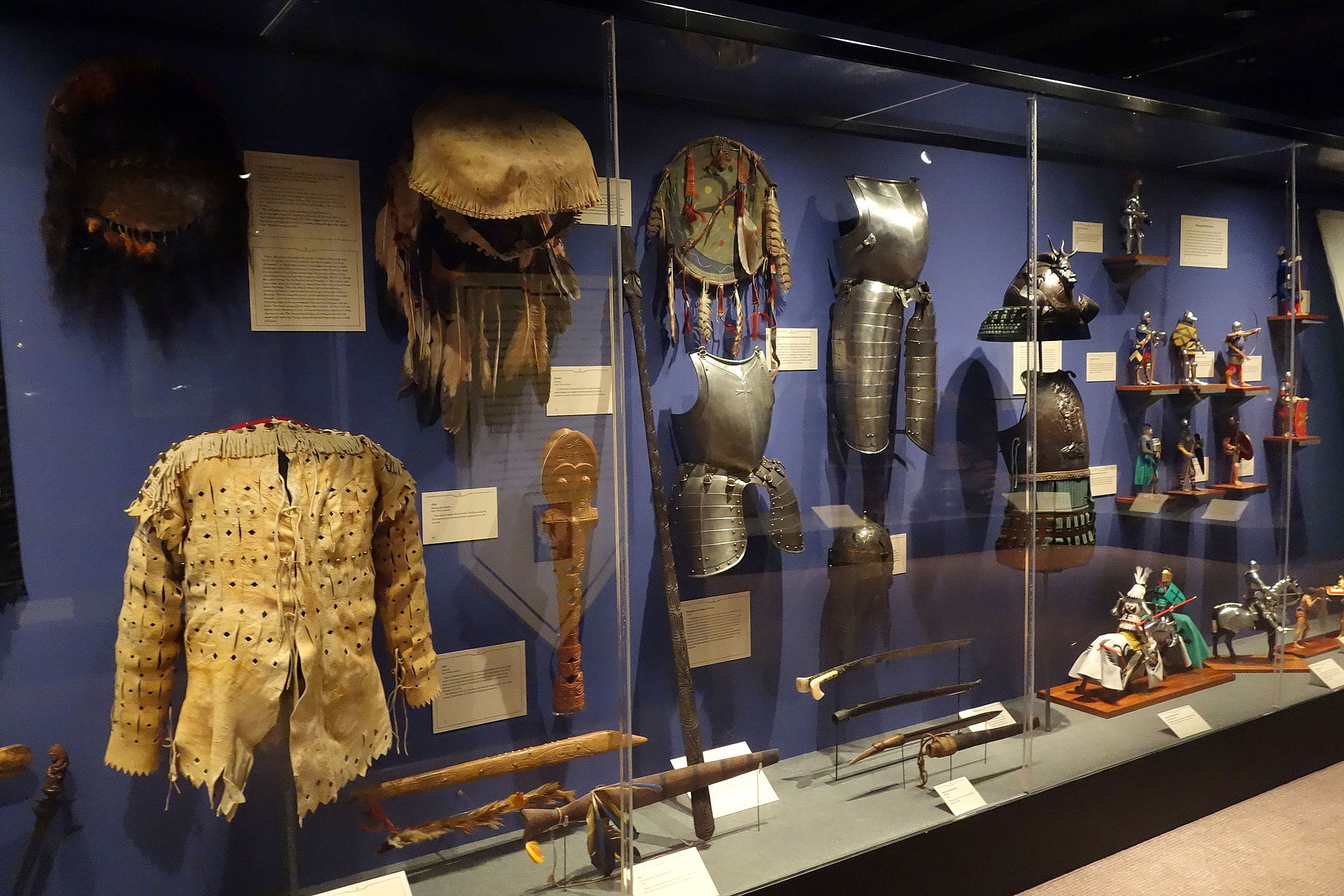
Curated exhibitions allow an individual to look back in time at specific things or events. It offers a detailed overview of various civilizations, historical events, and scientific phenomena. These exhibitions are specifically designed with a goal, for example, to develop in people a sense of belonging and a sense of the need to study history and their own culture. This serves as a motivation to look deeper and take an interest in one’s own cultural heritage through observation and learning. By presenting artifacts in their historical and cultural context, museums provide a deeper understanding of the human experience and the forces that shape our world.
Interactive displays offer further enhancements to access to interact with exhibits and artifacts.
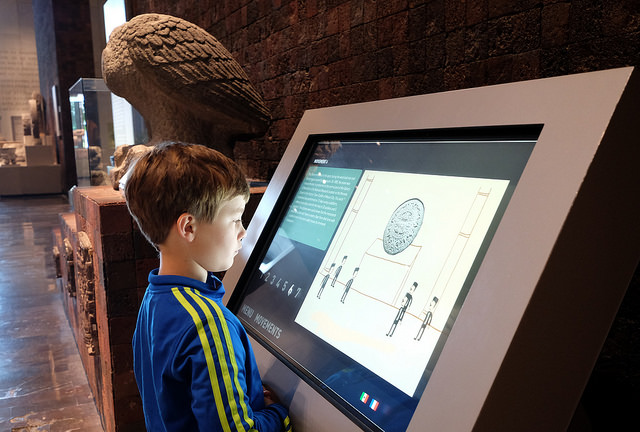
Utilizing games within museum settings offers an interactive approach to engage visitors, fostering a richer understanding of the artworks or historical relics showcased (Interactive museum displays, exhibits & technology, 2022). Hands-on activities, multimedia presentations, and digital simulations allow visitors to participate in the learning process (Figure 2). This promotes deep connections and understanding of the exhibits provided. These interactive elements cater to a variety of learning styles and preferences. This makes visiting the museum accessible and enjoyable for audiences of all ages and backgrounds.
Museums play a key role in formal education as indispensable resources for both teachers and students. Their educational programs, aligned with school courses, offer exciting learning opportunities that complement classroom theoretical instruction. Excursions led by qualified teachers help students better understand historical eras, artistic trends, and scientific concepts. Workshops and learning materials are added to deepen understanding, support critical thinking, foster creativity, and promote collaboration.
Museums also serve as platforms for lifelong learning by offering educational programs and activities for audiences of all ages. Lectures, panel discussions, practical seminars, and community initiatives are regular activities. They foster a patriotic spirit by instilling a love of and awareness of their own culture. Adult learners can explore new topics, delve deeper into areas of interest, and connect with experts and enthusiasts in their fields. Museums are invaluable centers of education and knowledge dissemination, offering a variety of opportunities for learning and discovery.
Cultural Recognition and Identity
The most important component of this essay is the exploration of how museums develop a sense of cultural recognition and identity. They are powerful agents in promoting cultural recognition and cultivating collective identity among diverse communities. In museums, objects play a role in creating narratives of origin (Preziosi & Farago, 2021).
For example, the National Museum of African American History and Culture in Washington, D.C. showcases the artistic achievements, traditions, and struggles of African Americans throughout history (Figure 3). By highlighting the contributions of African American artists, activists, and leaders, the museum promotes cultural recognition and challenges stereotypes about the African American experience.
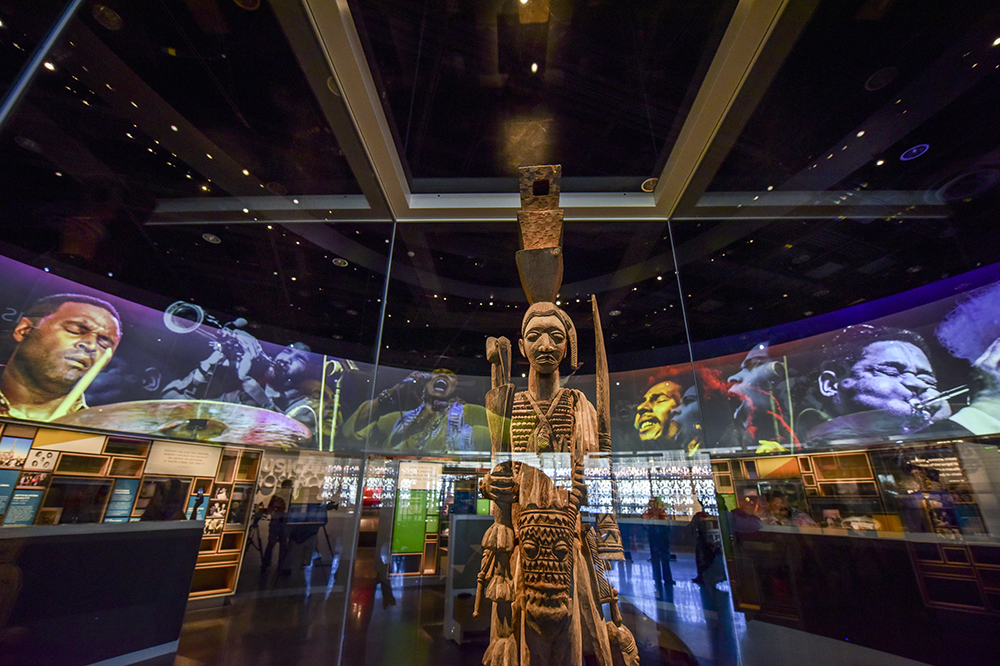
Another important purpose of museums is to ensure the recovery and affirmation of cultural heritage for marginalized or underrepresented communities. For example, the National Museum of the American Indian in Washington, D.C. showcases the diverse cultures, traditions, and languages of Native American tribes in the United States. Exhibits, stories, and cultural events offer people the opportunity to delve deeper into history and learn more about their ancestors. It also invites Native Americans to tell their stories and share their heritage for future generations.
Collaboration between museums, indigenous groups, and cultural organizations ensures that historical information is transparent and substantiated by firsthand accounts or individuals with intimate knowledge (Stuedahl et al. 2021). Such people can also offer important cultural artifacts to museums so that as many people as possible can see them. Engagement with local communities can include Indigenous perspectives in exhibitions. In this way, they decolonize their spaces and challenge Eurocentric narratives of history and culture. Through collaborative partnerships and consultation, museums can ensure their collections reflect the diverse voices and experiences of the communities they serve.
Museums form collective memory and strengthen national identity. Through the commemoration of historical events, preservation of national heritage, and promotion of cultural symbols, museums play a vital role in shaping shared narratives and fostering collective identity symbols(Ziębińska-Witek, 2020). Exhibitions on themes such as nationality, patriotism, and heritage play a crucial role in strengthening citizens’ sense of belonging and pride, thereby helping cultivate a collective identity. These institutions are spaces for intercultural dialogue and exchange, which are important components of globalization.
Social Responsibility and Engagement
In addition to their main educational function, museums bear a significant social responsibility for addressing pressing social problems. The importance of social context is important in art and various exhibitions (Chung & Li, 2021). Many museums emphasize the importance of social justice. Sometimes exhibitions highlight the importance of action, dialogue, and reflection.
The attention of visitors can be drawn to things that they have completely overlooked. It may refer to the extermination of a certain people or the destruction of their cultural heritage. Exhibits on topics such as racism, inequality, and climate change provide visitors with a platform to critically examine their beliefs and values, promoting empathy and compassion. Interesting interactive activities encourage visitors to confront complex social challenges.
Museums often partner with community organizations, advocacy groups, and local stakeholders to co-curate exhibitions and programs that address specific social issues. Through this tight collaboration, museums can offer initiatives that are pertinent and inclusive, tailored to the requirements of their communities (Stuedahl et al. 2021). Collaborative efforts allow museums to amplify diverse voices, pool resources, and inspire collective action to achieve social justice and equality.
A prime example of this approach is the Smithsonian Institution’s National Museum of African American History and Culture (Figure 4). This institution is dedicated to preserving and showcasing the invaluable contributions of African Americans to American history and culture. NMAAHS works with a variety of community organizations, advocacy groups, and local stakeholders.
Thanks to this, the organization receives many opportunities and offers to create unique exhibitions and programs. They are usually aimed at addressing pressing social problems in African American communities. Cooperation with such partners ensures that the museum meets modern needs and is inclusive. This also guarantees that the museum cares not only about the past cultural heritage of the people, but also about the present.
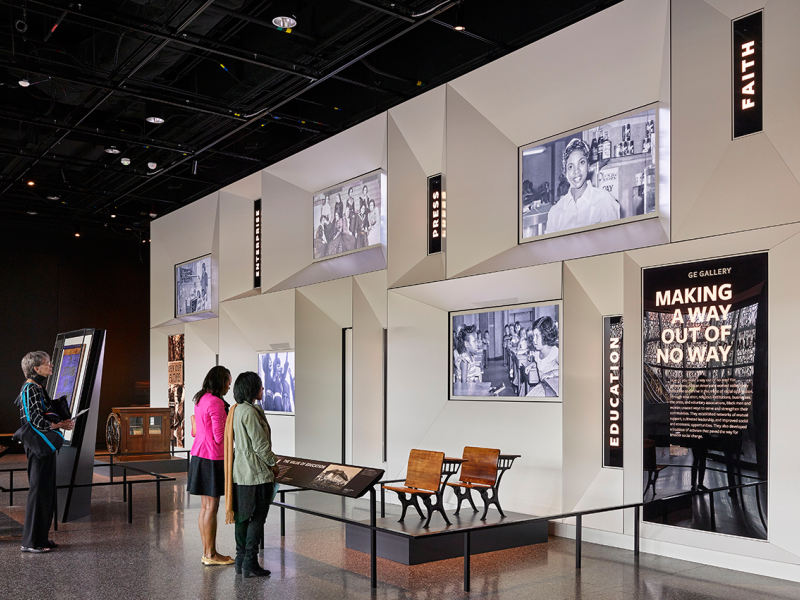
The museum’s co-curation program invites local communities to contribute to exhibitions. In fact, it provides many perspectives, artifacts, and historical facts that were not known to ordinary people (Stuedahl et al. 2021). This collaborative approach allows the museum to represent diverse voices and share authentic narratives. The voice of the people is often ignored in the study of history; only scientific research, such as the study of artifacts from ancestors’ lives or manuscripts, is considered.
However, it is important to fill historical narratives with real stories of existing people. NMAAHS exhibits, and programs explore topics such as civil rights, social justice, and racial equality, highlighting the struggles and victories of African Americans throughout history. This not only allows people to solve their current problems but also to show past suffering. It invites visitors to honor the cultural heritage of African Americans and promotes dialogue and understanding between visitors of all backgrounds.
Economic Impact and Tourism
The impact of museums on cultural heritage is undeniable, but their economic impact is worth noting as well. This relates to the essay’s main topic because museums attract tourists from all over the world. This not only brings significant income to local businesses, restaurants, and hotels, but also spreads the cultural values of certain people to a large number of people. Furthermore, museums serve as catalysts for economic growth by stimulating local businesses and hospitality sectors while simultaneously disseminating the cultural essence of a particular community to a global audience (Panzera et al. 2021).
Cultural tourism is a powerful economic force in many cities. The funds received allow museums to create better exhibitions on a larger scale. Tourists are drawn to museums to explore their collections, learn about local history and culture, and enrich their experience. As a result, museums play a critical role in attracting visitors to destinations and increasing spending on accommodation, food, transport, and souvenirs.
It may seem that the economic impact of museums on cultural heritage is small, but this detail is important. Above all, museums offer many jobs and contribute to the economic development of a particular community. They hire staff in a variety of areas, including curatorial, education, visitor services, and administrative positions. Workers of the culture on which a specific exhibition or an entire museum is based are especially valuable.
Second, tourism can attract many stakeholders who will invest in museum infrastructure. This, in turn, will lead to the development of even more programs and research. Governments and stakeholders recognize the importance of supporting museums as valuable assets that contribute to economic development and community well-being.
Investing in museum operations, exhibitions, and capital projects enhances cities’ appeal as tourist destinations and fosters cultural vibrancy (Panzera et al. 2021). This will attract a large number of visitors and attention in social networks, and the spread for museums is, from any point of view, a positive side. This is particularly effective when working with stakeholders and indigenous peoples.
Additional strengthening of the stability and sustainability of museums is possible under the condition of public-private partnerships and benefactor support. Museums play a key role in promoting economic and tourism development, which at the same time enriches the cultural landscape of their localities (Panzera et al. 2021). By organizing exhibitions, running programs, and developing partnerships, museums attract visitors, which contributes to economic growth and creates employment opportunities. Investing in museum infrastructure and programs enables cities to maximize their economic potential, thereby improving overall living standards and prosperity. As a necessary element of the tourism and cultural industry, museums contribute to the attractiveness of cities around the world.
Conclusion
In summary, museums are institutions that preserve our cultural heritage. They enrich the collective experience and foster understanding of a culture and its traditions. They are repositories of knowledge, dialogue, and interaction between the present and the past. By preserving artifacts, museums preserve things from the past and the present. This ensures that they are preserved for future generations to explore and appreciate.
By cataloging, preserving, and displaying cultural artifacts, these institutions foster a people’s deep connection to history and identity. This allows the new generation to connect with their ancestors and understand many aspects of modern life. The present and the past are closely connected, which is why history needs to be nurtured. Museums are also dynamic educational institutions that offer valuable opportunities for learning and discovery. Through curated exhibitions, interactive exhibits, and educational programs, museums engage visitors of all ages and backgrounds, fostering a lifelong respect for culture, art, and history.
In addition to their educational mission, museums also serve a social function by addressing society’s problems. For example, many people are still suffering significant humiliation, and exhibitions can raise their self-awareness and allow the world to learn more about their culture. The institutions under study play an important role in stimulating economic growth and tourism in their communities. By attracting visitors from around the world and stimulating spending on local businesses and services, museums contribute to the vitality and prosperity of their regions.
Despite the dynamic, modern world, which is rapidly advancing thanks to innovation and globalization, museums will continue to be repositories of traditions, culture, and folk principles. By supporting and investing in museums, we can ensure that future generations have the opportunity to explore and appreciate the rich tapestry of human history and culture, thereby enriching the global community for years to come. It is also important to note the historical role of museums, as they preserve the true evidence of many events.
Reference List
Chung, S. K., & Li, D. (2021).’ Issues-based STEAM education: A case study in a Hong Kong secondary school’, International Journal of Education & the Arts, 22(3).
Exhibition display case (2013).
Interactive museum displays, exhibits & technology (2022).
Exhibitions (n.d.).
Hunt, T. (2019). ‘Should museums return their colonial artefacts?’, The Guardian.
Panzera, E., de Graaff, T., and de Groot, H. L. F. (2021). ‘European cultural heritage and tourism flows: The magnetic role of superstar World Heritage Sites’, Papers in Regional Science, 100(1), 101-123.
Preziosi, D., & Farago, C. (2021). General introduction: What are museums for? 1st edn. Routledge.
Stuedahl, D., Lefkaditou, A., Ellefsen, G. S., and Skåtun, T. (2021). ‘Design anthropological approaches in collaborative museum curation‘, Design Studies, 75.
The British Museum. (n.d.). Welcome to the British Museum.
The Washington Post. (n.d.). Lifestyle.
Ziębińska-Witek, A. (2020). ‘Musealisation of communism, or how to create national identity in historical museums‘, Muzeológia a kultúrne dedičstvo, 8(4), 59-72.