Introduction
The ensuing essay will examine the crucial role of advocacy in nursing, particularly in the United Kingdom. Advocacy constitutes a core obligation of all nurses, as posited by the Nursing and Midwifery Council (NMC) Code and the Future Nurse Standards. These guidelines underscore the necessity of political insight, ethical practice, and understanding of legislation to enable nurses to advocate adeptly for their patients, themselves, and the wider community (NMC, no date). The essay will cover discrimination and pertinent legislation, different advocacy approaches, the impact of legislation on nursing advocacy, and the nurse’s role in affecting policy.
The gravity of this issue cannot be overstated: nurses are at the vanguard of healthcare, making them essential agents in confronting public health dilemmas, from personal patient care to broader societal issues such as climate change and sustainability. The essay will further explore the digital story of Anne, a nurse and environmental activist, to depict the intricacies nurses encounter when balancing advocacy with professional obligations. Anne’s narrative reveals the fusion of activism and public health advocacy. It highlights the difficulties nurses face when their advocacy is at odds with organizational priorities, underscoring the broader role nurses play in instigating systemic reform.
Discrimination and Associated Legislation
Bias in healthcare remains a persistent issue, and nurses play a pivotal role in confronting it. In the UK, the Equality Act (2010) offers a legislative framework that shields individuals from bias based on nine safeguarded attributes: “age, disability, gender reassignment, marriage and civil partnership, pregnancy and maternity, race, religion or belief, sex, and sexual orientation” (Mason and Minerva, 2022, p. 425). Nurses are legally bound to enforce these safeguards and ensure that care is provided fairly.
In addition to legal duties, nurses are directed by professional ethics, such as the NMC Code, which serves as a fundamental basis for professional conduct and moral practice. This code explicitly underscores the importance of treating individuals with respect and dignity, ensuring that care is given without bias or prejudice (Correa‐Betancour, Chiarella, and Short, 2024). Furthermore, ethical concepts such as justice, beneficence, and non-maleficence require that nurses actively support patients who may be at risk of discrimination.
Justice demands fairness and equality, beneficence encourages actions that promote patient welfare, and non-maleficence requires nurses to refrain from causing harm (Cousins, de Vries, and Dening, 2021). These ethical doctrines jointly require nurses to guarantee that all patients, regardless of their background or characteristics, receive equitable and empathetic care. These professional and ethical duties provide a solid basis for nurses to confront discrimination and encourage inclusivity within the healthcare system actively.
Discrimination may manifest in various forms, such as unequal access to healthcare resources, partial treatment by healthcare practitioners, or systemic barriers that unduly affect certain groups. For instance, individuals from minority ethnic backgrounds in the UK are frequently subjected to racial bias, which can result in inferior health outcomes (Bradby and Nazroo, 2021). Intersectionality further complicates these challenges, as people may experience multiple layers of discrimination based on their intersecting identities (Berghs and Dyson, 2022). A Black woman, for example, might confront both racial and gender bias in healthcare contexts, intensifying her exposure to substandard care.
Nurses are in a distinctive position to challenge prejudice by championing structural changes, enhancing awareness, and addressing biases in practice. Nevertheless, obstacles such as organizational racism, insufficient diversity in leadership, and restricted resources can hinder these endeavors (Gogoi et al., 2024). Structural bias, including policies that disproportionately disadvantage certain groups, can perpetuate disparities, underscoring the need for nurses to advocate for systemic reforms (Gogoi et al., 2024). By utilizing their professional and ethical duties, nurses can promote change, ensuring that healthcare is inclusive and just for everyone.
Different Models of Advocacy
Advocacy in nursing is the process of endorsing, championing, or advocating for the rights and welfare of patients. It requires that nurses act as mediators between the patient and the healthcare system, ensuring that patient voices are heard and that they receive appropriate care (Martin, Chew, and Dixon-Woods, 2021b). Advocacy differs from activism, which typically encompasses broader societal movements aimed at fundamental change (Coulson and Milbourne, 2021). Although both seek to promote fairness, advocacy generally focuses on individual cases, whereas activism addresses broader social issues.
Two fundamental forms of advocacy in healthcare are regulatory and non-regulatory advocacy. Regulatory advocacy is legally required, such as under the Mental Capacity Act (MCA) and the Mental Health Act (MHA). These structures ensure that individuals who cannot make autonomous decisions or who are held under the MHA have access to advocates who can represent their interests and assist in navigating the healthcare system (Dixon, Laing, and Valentine, 2020).
Non-regulatory advocacy, in contrast, is provided by entities such as charities or patient advocacy organizations, which support those who do not qualify for regulatory advocacy but still need help asserting their rights (Dixon, Laing, and Valentine, 2020). The role the Professional Nurse Advocate (PNA) assumes has recently become increasingly important. PNAs are specifically trained nurses who provide restorative oversight to colleagues, helping them reflect on their practice and enhance their professional development (National Health Service, no date). By fostering resilience and supporting emotional health, PNAs help cultivate a culture in which nurses are better equipped to advocate for their patients.
The benefits of advocacy extend beyond patients to the nurses themselves and the wider profession. Advocacy enables nurses to fulfill their ethical obligation to promote patient autonomy and well-being, fostering trust between patients and healthcare providers. Additionally, nurses who advocate for their patients can experience greater job satisfaction as they engage in meaningful actions that align with their professional values (Albreet et al., 2022).
However, nurses acting as advocates can encounter significant conflicts and barriers. These include resistance from colleagues, hierarchical structures within healthcare institutions, and concerns about retaliation (Martin, Chew, and Dixon-Woods, 2021a). Whistleblowing, a form of advocacy, can expose nurses to professional risks despite protections provided by initiatives such as the Freedom to Speak Up Guardians (Martin, Chew, and Dixon-Woods, 2021a). These Guardians offer support to healthcare professionals who raise concerns about unsafe practices, but cultural and structural barriers may still discourage whistleblowing.
Role of Legislation
Regulations play a vital role in guiding nursing advocacy, especially in protecting patients’ rights and ensuring that care is administered justly and ethically. The Human Rights Act (1998) is a cornerstone of UK law, incorporating the rights set out in the European Convention on Human Rights into domestic law (Wallace, 2020). For instance, Article 10 of the Act safeguards the right to freedom of expression, which supports individuals’ ability to articulate their views, including within healthcare settings (Wallace, 2020).
In contrast, Article 11 affirms the right to freedom of assembly, facilitating group actions such as protests or campaigns advocating for patients’ rights (Wallace, 2020). In healthcare, these rights empower patients, families, and healthcare professionals, such as nurses, to champion necessary reforms and advancements.
The duty of nurses is to ensure that patients are treated with respect and safeguarded from any form of bodily or mental harm. Article 3 of the Human Rights Act explicitly forbids torture and humiliating treatment, which has significant consequences for how patients are managed (Mavronicola, 2024). Moreover, Article 8 guarantees the right to private and family life, shielding individuals from unjustified invasions of their bodily and mental integrity (Douglas, 2023). Nurses are crucial in upholding these safeguards, ensuring that patient care honors their dignity and well-being.
Safeguarding the entitlements of individuals with impairments is a central aim of the Convention on the Rights of Persons with Disabilities (CRPD), which assures fair access to medical services. Nurses are obliged to champion these individuals by providing comprehensive care and making appropriate modifications to meet their needs (Gosney and Bartlett, 2020). Concurrently, the Care Act (2014) mandates that local authorities protect the welfare of care recipients, emphasizing the need to uphold personal dignity, autonomy, and protection against mistreatment or neglect (Hamblin, 2020).
Additionally, the Equality Act (2010) prohibits discrimination based on protected characteristics, and the MCA (2005) outlines principles for evaluating and safeguarding those who may lack decision-making capacity (Morriss et al., 2020; Savulescu, Cameron, & Wilkinson, 2020). Both legislative frameworks are essential to nursing advocacy: the CRPD focuses on equality and justice, while the MCA ensures that decisions are made in the best interests of those unable to advocate for themselves.
Role of the Nurse
The role of the nurse in influencing or challenging policy is increasingly pivotal, particularly as nurses are at the forefront of patient care and public health challenges. Within public health advocacy, nurses often navigate the complex domain of policy formulation and implementation, where their roles can range from adhering to established standards to energetically driving transformational initiatives (Jackson et al., 2021). Whether nurses take the lead or follow may depend on numerous factors, such as their rank within healthcare facilities, their level of skill, and the specific public health issues they confront.
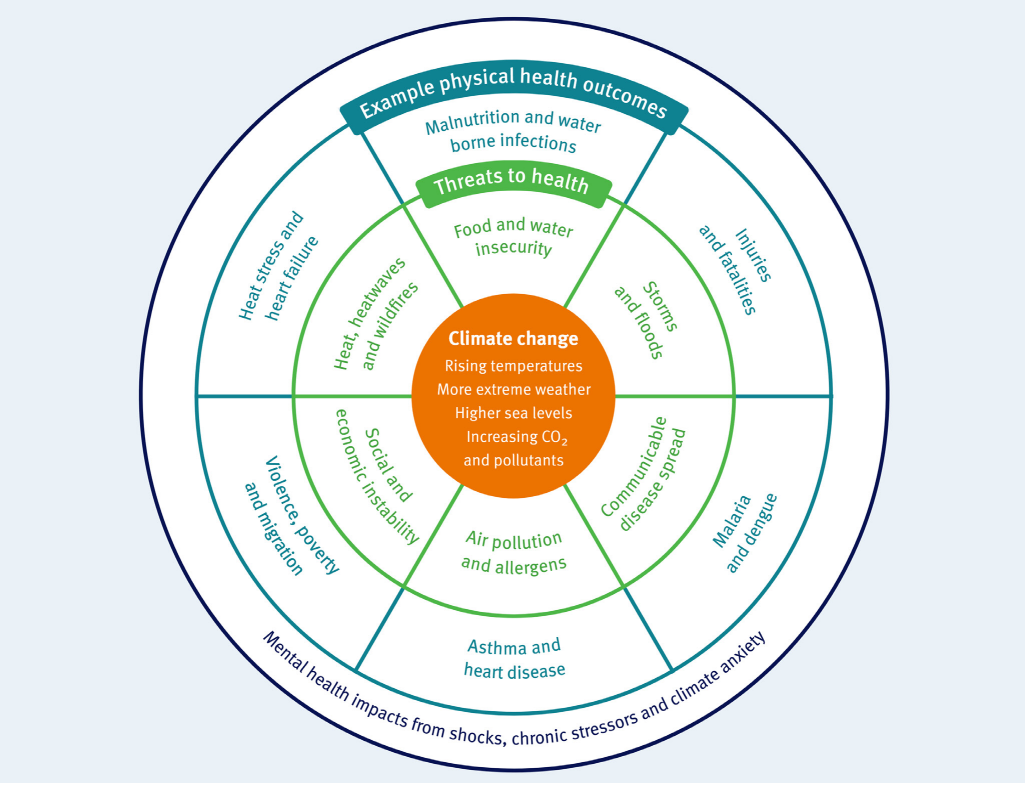
For instance, the case study of Anne’s activism on climate change highlights how nurses can lead by advocating for broader public health concerns. Climate change and sustainability are pressing public health issues, yet they are often overlooked in mainstream healthcare policies (Figure 1). Anne’s activism aligns with the nursing profession’s ethical obligation to promote health and prevent harm.
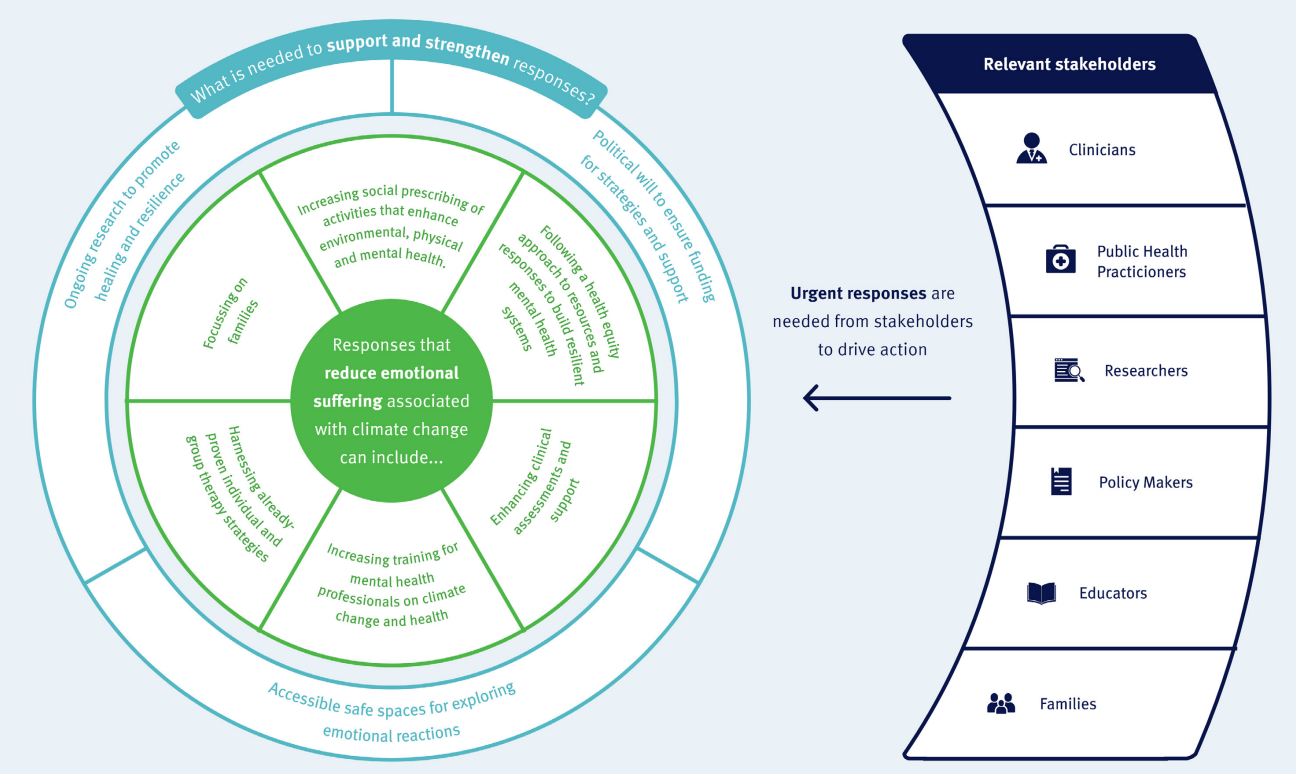
Nurses who witness the direct impact of environmental changes on patient health have a responsibility to raise awareness about the prominent issues and push for policies that mitigate their effects (Figure 2). However, Anne experienced backlash when her activism raised concerns about reputational damage stemming from her involvement in a protest (Anne’s story, no date). Thus, while this role often involves leadership, one should be aware of the conflicts with organizational expectations or professional codes.
Advocating for the nursing profession itself is equally important. Nurses must assert their voice not only on behalf of their patients but also to promote their profession’s role in public health advocacy (Warrender et al., 2024). The boundaries between professional advocacy and activism, however, are not always clear. Conflicts can arise when professional codes or legislation appear to restrict nurses’ ability to engage in activism, especially on politically sensitive issues such as climate change (McKinnon et al., 2022). Anne’s case illustrates this tension, in which her commitment to public health advocacy clashed with the organization’s focus on maintaining its reputation, even though her activism aligned with global health priorities.
Nurse leadership plays a pivotal role in addressing issues such as climate change. Nurse leaders are uniquely positioned to influence policy, advocate for sustainable practices within healthcare, and educate both the public and healthcare professionals about the health effects of climate change (Lasater, Atherton, and Kyle, 2020). By taking a more proactive stance in public health advocacy, particularly on environmental sustainability, nurse leaders can help create more resilient healthcare systems that address current and future challenges.
Conclusion
In summary, this essay has highlighted the crucial role advocacy plays in nursing practice, shaped by both legal structures and moral principles. From confronting discrimination to shaping policy, nurses are distinctly equipped to address systemic problems and champion their patients’ rights. The examination of statutory and non-statutory advocacy frameworks, coupled with legislative bases such as the Human Rights Act and the Equality Act, has enriched my insight into the intricacies nurses encounter when managing these roles.
Anne’s narrative, in particular, has underscored the subtle equilibrium between professional advocacy and activism. Her experience illustrates the hurdles that arise when advocacy intersects with contentious public issues such as climate change. This has broadened my perspective on the nurse’s role in public health advocacy and reinforced the importance of leadership in tackling global health challenges.
As I advance in my nursing career, this insight will deeply influence my practice approach. I have developed a heightened awareness of the ethical duties nurses bear, not only towards their patients but also towards broader society. Moving forward, I will endeavor to integrate advocacy into my practice, ensuring that I maintain my professional responsibilities while contributing to systemic reforms that enhance health and equity.
Reference List
Albreet, N. A. et al. (2022) ‘Critical analysis of patient advocacy in nursing and social services and evaluating effectiveness, ethical considerations, and legal implications in advocating for patients’ rights and well-being’, Chelonian Research Foundation, 17(2), pp. 1029-1040.
Anne’s story (no date).
Berghs, M., and Dyson, S. M. (2022) ‘Intersectionality and employment in the United Kingdom: where are all the Black disabled people?’, Disability & Society, 37(4), pp. 543-566.
Bradby, H., and Nazroo, J. Y. (2021) ‘Health, ethnicity, and race’, in Cockerham, W. C. (ed.) The Wiley Blackwell Companion to Medical Sociology. Hoboken, NJ: John Wiley & Sons, pp. 258-278.
Correa‐Betancour, M., Chiarella, M., and Short, S. D. (2024) ‘Intraprofessional cultural competence in nursing regulation: a critical content analysis of standards and codes in the United Kingdom, New Zealand and Australia‘, Nursing Inquiry, pp. 1-18.
Coulson, H., and Milbourne, P. (2021) ‘Food justice for all?: searching for the ‘justice multiple’ in UK food movements‘, Agriculture and Human Values, 38(1), pp. 43-58.
Cousins, E., de Vries, K., and Dening, K. H. (2021) ‘Ethical care during COVID-19 for care home residents with dementia‘, Nursing Ethics, 28(1), pp. 46-57.
Dixon, J., Laing, J., and Valentine, C. (2020) ‘A human rights approach to advocacy for people with dementia: a review of current provision in England and Wales’, Dementia, 19(2), pp. 221-236.
Douglas, B. (2023) ‘Love and human rights‘, Oxford Journal of Legal Studies, 43(2), pp. 273-297.
Gogoi, M. et al. (2024) ‘Discrimination, disadvantage and disempowerment during COVID-19: a qualitative intrasectional analysis of the lived experiences of an ethnically diverse healthcare workforce in the United Kingdom’, International Journal for Equity in Health, 23(1), pp. 1-13.
Gosney, P. and Bartlett, P. (2020) ‘The UK Government should withdraw from the Convention on the Rights of Persons with Disabilities‘, The British Journal of Psychiatry, 216(6), pp. 296-300.
Hamblin, K. (2020) ‘Technology and social care in a digital world: challenges and opportunities in the UK‘, Journal of Enabling Technologies, 14(2), pp. 115-125.
Jackson, C. et al. (2021) ‘Strengthening nursing, midwifery and allied health professional leadership in the UK–a realist evaluation‘, Leadership in Health Services, 34(4), pp. 392-453.
Lawrance, E. et al. (2021) ‘The impact of climate change on mental health and emotional wellbeing: current evidence and implications for policy and practice’, Grantham Institute Briefing Paper, 36, pp. 1-36.
Lasater, K., Atherton, I. M., and Kyle, R. G. (2020) ‘Population health as a ‘platform’ for nurse education: a qualitative study of nursing leaders‘, Nurse Education Today, 86, pp. 1-30.
Martin, G. P., Chew, S., and Dixon-Woods, M. (2021a) ‘Uncovering, creating or constructing problems? Enacting a new role to support staff who raise concerns about quality and safety in the English National Health Service’, Health, 25(6), pp. 757-774.
Martin, G. P., Chew, S., and Dixon-Woods, M. (2021b) ‘Why do systems for responding to concerns and complaints so often fail patients, families and healthcare staff? A qualitative study’, Social Science & Medicine, 287, 1-9.
Mason, A. and Minerva, F. (2022) ‘Should the Equality Act 2010 be extended to prohibit appearance discrimination?‘, Political Studies, 70(2), pp. 425-442.
Mavronicola, N. (2024) ‘Facilitating (further) inhumanity: on the prospect of losing Article 3 ECHR, a vital guarantee for the under-protected‘, European Convention on Human Rights Law Review, 5(1), pp. 97-115.
McKinnon, S. et al. (2022) ‘Roles of health professionals in addressing health consequences of climate change in interprofessional education: a scoping review‘, The Journal of Climate Change and Health, 5, pp. 1-18.
Morriss, R. et al. (2020) ‘National survey and analysis of barriers to the utilization of the 2005 mental capacity act by people with bipolar disorder in England and Wales‘, Journal of Mental Health, 29(2), pp. 1-26.
National Health Service (no date) Professional nurse advocate.
Nursing and Midwifery Council (no date) The code.
Savulescu, J., Cameron, J., and Wilkinson, D. (2020) ‘Equality or utility? Ethics and law of rationing ventilators‘, British Journal of Anaesthesia, 125(1), pp. 10-15.
Wallace, S. (2020) ‘Derogations from the European Convention on Human Rights: the case for reform‘, Human Rights Law Review, 20(4), pp. 769-796.
Warrender, D. et al. (2024) ‘Mental health deserves better: resisting the dilution of specialist pre‐registration mental health nurse education in the United Kingdom‘, International Journal of Mental Health Nursing, 33(1), pp. 202-212.
Appendices