
Abstract
The Body Shop is operating in a highly competitive yet lucrative cosmetic and beauty market. Having been acquired by Kamal Osman Jamjoom, the firm now enjoys greater capabilities to extend its operations beyond its traditional markets. The growing market size in the Kingdom of Saudi Arabia (KSA), attributed to the country’s rapid economic growth and expanding middle class, presents opportunities for the firm to grow.
However, it faces stiff competition and other challenges in the market. This paper focuses on conducting an assessment of the company and determining the changes needed to sustain its growth. The assessment revealed that despite the common challenges in a competitive business environment, the market offers attractive growth opportunities. The firm needs to adopt emerging technologies and innovation to capitalize on these opportunities.
Introduction
The Body Shop is one of the leading retailers of fashion, cosmetics, and beauty products in the KSA and beyond. When Kamal Osman Jamjoom acquired this firm, its market reach was significantly expanded beyond its traditional markets. The management of this company, under the guardianship of Kamal Osman Jamjoom, has remained focused and committed to providing quality products in the highly competitive fashion and cosmetics industry. The market in the KSA has been consistently growing over the years due to the country’s expanding population and increasing middle class size. The purchasing power of citizens and residents in the country has been increasing as the country’s economy continues to grow (Alghamdi and AlKhayyat 2020).
Despite the impressive growth in demand in the local market, this firm must contend with emerging competition. Local and foreign firms are entering the market due to the attractive opportunities. This means that the firm must find unique ways to maintain its market lead. They must remain as competitive as possible in terms of pricing and product delivery, while also ensuring that they offer customers the best quality products. In this paper, the researcher seeks to assess the Body Shop in the KSA.
Company Analysis
The beauty and cosmetics industry remains one of the most competitive industries, not only in Saudi Arabia but also in other global markets. The attractiveness of this industry has led to the emergence of many players. There has also been an emerging concern about the environmental impact of the industry. According to Hvidt (2018), it has emerged that the fashion industry is one of the leading polluters of air, land, and water bodies.
As such, it has been attracting the attention of regulatory authorities keen on protecting the environment. The management of The Body Shop needed to understand these environmental concerns and challenges before determining the best approach to achieve sustainable growth in this market. This paper begins with an assessment of the external environmental factors that can impact a company’s sustainability.
External Environment Analysis
Conducting an external analysis of the environment enables management to understand forces outside its control that directly affect its operations. Alghamdi and AlKhayyat (2020) explain that although a firm may not directly dictate or define these external forces, it can align its operations to ensure that they do not pose any direct challenges. These external forces can pose threats or present opportunities for the company’s growth. Several tools can be used to conduct external analysis, and in this study, the researcher will focus on PESPLE analysis.
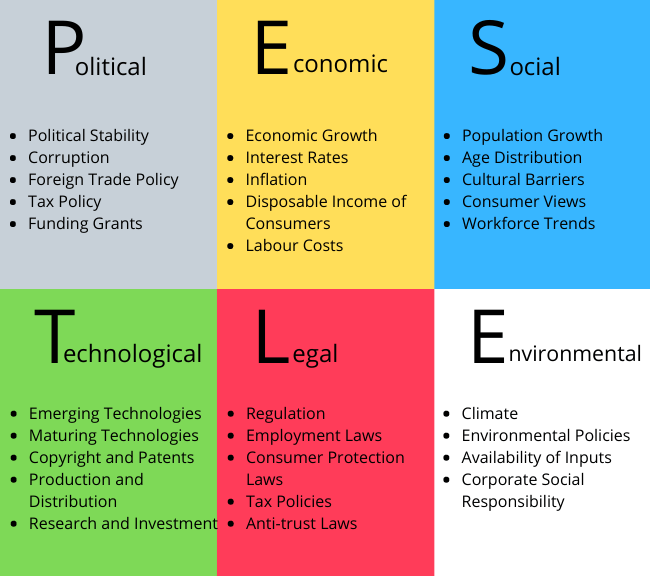
Political
When using this tool, one key factor to consider is the prevailing political environment. Saudi Arabia has enjoyed decades of political stability, which Rahman (2021) notes is critical for the success of any business entity. Political stability enables a firm to operate without the fear of criminal attacks or any other form of lawlessness. It ensures that there is proper security and that all stakeholders will observe the rule of law.
Another aspect of the political factor is the level of corruption within a country. Tarchoun and Ghraieb (2022) argue that the political class often determines the level of corruption in a country. When politicians are highly corrupt, they often create an equally corrupt administration, making it difficult for a firm to achieve its desired rate of growth. Saudi Arabia is one of the least corrupt countries in the region. A firm can operate without the fear of government officers demanding bribes.
Foreign trade policy is a critical factor in defining the attractiveness of the external market. Saudi Arabia has maintained an open trade policy with numerous countries worldwide (Rahman 2021). It means that foreign firms can easily enter this market, and Saudi Arabian firms can expand their operations beyond the country’s borders.
Although this policy makes the market highly competitive, it also enables local firms to expand globally. The Body Shop will need to manage the challenge associated with the policy while at the same time taking advantage of the opportunity it presents. It will need to enhance its competitiveness in the local market and also find ways to expand into foreign markets.
Tax policy is another significant concern when evaluating a country’s political climate. The Saudi Arabian government has been keen on avoiding oppressive tax policies that can overburden businesses and suppress their growth. A favorable tax regime enables firms to retain a substantial portion of their earnings, facilitating research and development activities (Hvidt 2018).
Funding grants is the last item examined in the political environment in this analysis. The Saudi government is committed to diversifying the country’s economy beyond oil and gas production. As such, it has been providing direct grants to some private players to help spur growth in other industries. The fashion and cosmetic industry is one of the beneficiaries of the government grants as the country seeks to become a leading destination for fashion lovers from all over the world, especially in the Middle East and North Africa (MENA) region.
Economic
The economic environment is another crucial aspect of a country’s external environment. Saudi Arabia’s economy has been growing steadily, which means that the purchasing power of the residents is also growing. This growth presents a significant opportunity for The Body Shop and other firms in the industry (Boateng 2020).
The interest rates in the local financial institutions are also relatively low. Some financial institutions that follow Sharia law do not charge interest, as it is considered haram (Alghamdi and AlKhayyat 2020). This means that the company can access financial capital to facilitate its growth on the most attractive terms.
Inflation is low in the country due to the direct incentives that the government provides to the financial and other sectors of the economy during global economic challenges. Having inflation put in check greatly benefits local firms in the country. Laham (2020) explains that the disposable income of consumers in a country is another significant determinant of a firm’s success. In the beauty and cosmetic sector, disposable income is a critical factor because these products are not considered basic needs.
Saudi Arabia has enjoyed many years of success, and the size of the middle class has been growing steadily. It means that the residents have disposable income that allows them to spend in the fashion industry. The cost of labor is another essential economic factor within a given country. Tarchoun and Ghraieb (2022) note that when labor costs are high, it may force a firm to charge high prices to remain sustainable, a strategy that reduces its competitiveness. In this country, the cost of labor is relatively low, as many immigrants from India, China, various parts of Africa, and Asia offer labor at relatively low costs.
Social
The social environment is another component of the external environment that must be assessed when using this tool. It examines population growth, which has a direct influence on market growth. According to Alanz (2021), the rapid population growth in Saudi Arabia is attributed to the high birth rate among citizens and the increasing number of expatriates.
There is also an increasing number of regular visitors who come for tourism or business engagements. They form an attractive market for the Body Shop and other firms in the industry. Age distribution is another important social factor to consider. The majority of the population in Saudi Arabia is people aged between 15 and 59 years, which is the most attractive segment of the market for a beauty and cosmetics firm.
Cultural barriers have to be considered when assessing the social environment. Rahman (2021) believes that a firm must respect the social norms and practices of a country. In Saudi Arabia, there is a standard dress code that is expected of men and women.
The Body Shop must understand that the fashion designs popular in the United Kingdom and other Western countries may not be acceptable in this country. It must be based on cultural values defined by Islamic teachings and practices. Consumers’ views in this country are defined by these cultural barriers and practices (Tarchoun and Ghraieb 2022). The majority of residents in the country have embraced these religious practices and tend to avoid Western culture, especially among women, when defining their dress code. The workforce trend is another social concern that the management of the Body Shop has to consider.
Technological
Technology has become one of the critical external forces that management of a firm must consider. In the beauty and cosmetics industry, emerging technologies are being developed to reduce production costs while minimizing environmental impact (Manko 2021). These modern technologies are meant to ensure that the industry remains sustainable. The Body Shop will need to understand these technological trends and adapt to them to ensure that its operations remain sustainable.
Maturing technologies also have to be considered, and in this industry, green energy is a good example. The management should ensure that it is capable of producing and consuming renewable energy from wind, solar, and biogas to mitigate the negative environmental impact. Copyright and patent issues must also be considered, especially when introducing a new product to the market (Alghamdi and AlKhayyat 2020). The firm should ensure that its products are as original as possible to avoid facing litigation in the market.
Production and distribution technologies are also emerging both in the local and international markets. Traditionally, firms had to rely on brick-and-mortar stores to sell their products to customers. However, technological changes are introducing alternative platforms that firms can use to sell their products (Boateng 2020).
Online sales and marketing have emerged as a powerful tool in the retail industry. It is now possible for a company to sell its products on its website or on major online retailers such as Amazon.com or eBay. The changing technological environment will also require the Body Shop to embrace research and investment projects. The firm should have a department specifically focused on research activities to ensure that its operations align with the changing technological environment.
Legal
The legal environment is also critical when assessing the external environment of a firm. Rahman (2021) explains that a firm cannot survive in a lawless environment. The government of Saudi Arabia has specific regulations that every firm is expected to abide by in its operations. These regulations define the responsibilities of a firm to its customers, the government, suppliers, the public, and other relevant stakeholders.
Employment laws in Saudi Arabia also define the contractual relationship that should exist between the employer and employee (Able Activator, 2021). These policies are meant to protect the employees from unfair exploitation. Manko (2021) notes that, despite the existence of these laws, many firms in Saudi Arabia have been accused of violating employees’ rights, especially those of unskilled and semi-skilled workers from developing countries (Boateng 2020). The management of The Body Shop should avoid practices that may harm its employees to ensure that it maintains its reputation in both local and international markets.
The government of Saudi Arabia has strict consumer protection laws that The Body Shop must observe at all times in its operations. For instance, it is expected that products offered by a firm meet the promises made in its promotional campaigns (Tarchoun and Ghraieb 2022). It means that it is wrong for a firm to promise customers one thing but deliver another, which falls short of customer expectations.
The firm must also ensure that it adopts fair pricing in line with industry standards. The firm must comply with all government-set tax policies at all times. Manipulating the tax records to lower the amounts payable to the government is a criminal offense in this country. There is also a need to consider antitrust laws when defining this firm’s operations.
Environmental
The last factor that the management of the Body Shop has to consider when using this model is the environmental concerns. Boateng (2020) explains that climate change and global warming have become major concerns for the international community. The impact of climate change is being felt in various parts of the world through prolonged droughts, flooding, rising sea levels, and wildfires. As such, the global community is committed to finding a lasting solution to this problem. Saudi Arabia, in line with policies provided by international agencies, has implemented environmental policies that firms must adhere to. These policies aim to reduce the rate of greenhouse gas emissions and the production of industrial effluents.
This firm needs to ensure that its input in the production process does not pose a threat to the environment. Alghamdi and AlKhayyat (2020) believe that the concept of ‘reduce, reuse, and recycle’ has become critical in the beauty and cosmetics industry. The company should make an effort to reduce the use of natural resources by reusing and recycling water and other materials used for production. In its adverts, it should also encourage its customers to reuse and recycle products to reduce the production of waste directly linked to the industry.
Corporate social responsibility has also emerged as an opportunity for firms to help protect the environment (Able Activator 2021). In its CSR activities, The Body Shop can consider initiatives such as tree planting, environmental cleaning, and responsible waste disposal, especially of plastic materials, which are considered to pose the greatest danger to the environment. Figure 1 identifies specific items that the management of this company needs to consider when assessing the external environment in Saudi Arabia.
Internal Environment Analysis
Once the external environment has been assessed, it is in the interest of management to examine the internal factors that can impact its success in the market. According to Manko (2021), a firm has the ability to redefine its internal environmental factors and ensure that they align with external forces, thereby facilitating smooth operations. It must be able to understand its internal forces to identify specific areas of weakness that need to be addressed and strengths that can be leveraged to achieve rapid growth. To conduct a comprehensive analysis of The Body Shop’s internal environment, the researcher employed the McKinsey 7S framework, the balanced scorecard framework, and the SWOT analysis model.
McKinsey 7S Framework
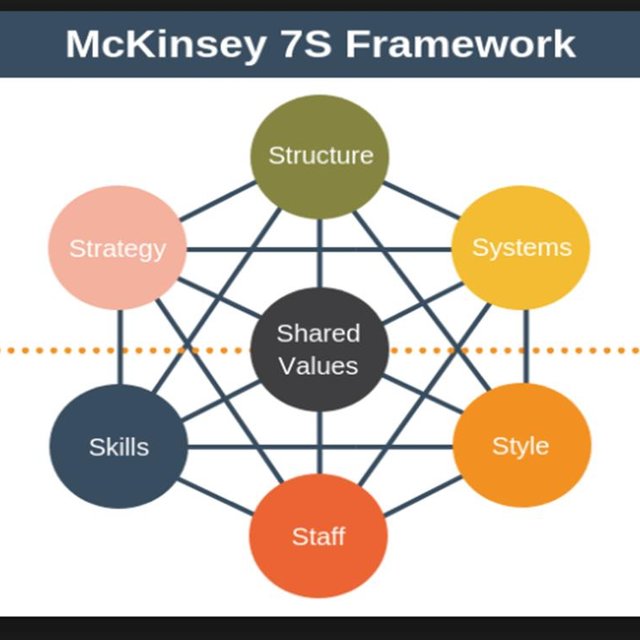
This framework identifies seven elements, classified as hard and soft. The hard elements are those that can be easily identified and influenced by the management. One of them is strategy. The strategy a firm employs in the market is crucial in defining its competitiveness within the industry (Demir and Kocaoglu 2019).
For The Body Shop, management needs to ensure that its strategy takes into consideration the level of competition, customers’ responses to price changes, and other relevant factors within the local market. The company has already taken a unique position in the market as the provider of premium products in the beauty and cosmetics industry. Occupying this niche in the market enables it to charge premium prices for its products.
Structures within the firm, especially the organizational charts and reporting lines, are also considered soft elements. As a franchise of Kamal Osman Jamjoom, the firm’s management needs to define its leadership structure. It should establish the line of communication and outline how employees should interact with the employer. This aspect of the firm is discussed further in the change strategy section of the paper. Systems such as the IT setup and formal processes are critical for the firm’s operation.
In an industry where technology has become a critical tool, The Body Shop should integrate IT into its system. It should completely replace the traditional paper file approach to managing data and instead replace it with a digital system. However, Rahman (2021) warns that in doing so, a firm should be careful enough to protect its database from possible attacks by hackers. These soft elements should be adjusted in response to changing external market forces.
The soft elements are just as essential as the hard elements discussed above. These elements tend to be less tangible and harder to describe, and are mainly influenced by the company’s culture (Demir and Kocaoglu 2019). One of them is shared values within a firm. A firm should ensure that it has shared values with its customers, suppliers, employees, and all other stakeholders within the system. It is essential to ensure that these stakeholders share a common goal that they believe must be realized.
Of interest to the firm and its suppliers should be to offer customers superior value. The style of leadership adopted is another critical component of the system, considered to be a soft element. The style defines the relationship between employees and their employer, as well as the communication channel adopted. Laham (2020) advises that the style of leadership should enable employees to be as innovative as possible while also being productive. The management of The Body Shop should consider empowering employees by utilizing unique leadership strategies.
The staff that a firm has is the other critical element that a firm should take seriously. In the current competitive business environment, a firm’s success depends directly on the general capabilities of its employees (Manko 2021). Workers in a firm should have the ability to utilize available resources to produce items that meet customer expectations. The sales and marketing unit should have the ability to understand customers’ needs and promote the firm’s products based on their expectations, implying that there is a need to ensure the skills and competencies of employees align with the firm’s expectations (Demir and Kocaoglu 2019).
The recruitment process should be as thorough as possible. Once highly skilled and talented employees have been recruited, it is the responsibility of the human resource department at the Body Shop to ensure that they are retained. Laham (2020) warns that high employee turnover rates are detrimental to growth. It means that these workers should be offered attractive remuneration. They should also have a conducive environment that allows them to fully realize their potential. Figure 2 illustrates the elements of McKinsey’s 7S framework.
Balanced Scorecard
When conducting an internal assessment of a firm, the balanced scorecard framework can be a useful tool. According to Tucci and Hanna (2021, para. 5), the balanced scorecard “is a management system aimed at translating an organization’s strategic goals into a set of organizational performance objectives that, in turn, are measured, monitored, and changed if necessary to ensure that an organization’s strategic goals are met.” It primarily focuses on a firm’s vision and market strategy. By translating strategic goals into performance objectives, a firm can define a path to achieve them. The framework often focuses on four perspectives, as shown in Figure 3.
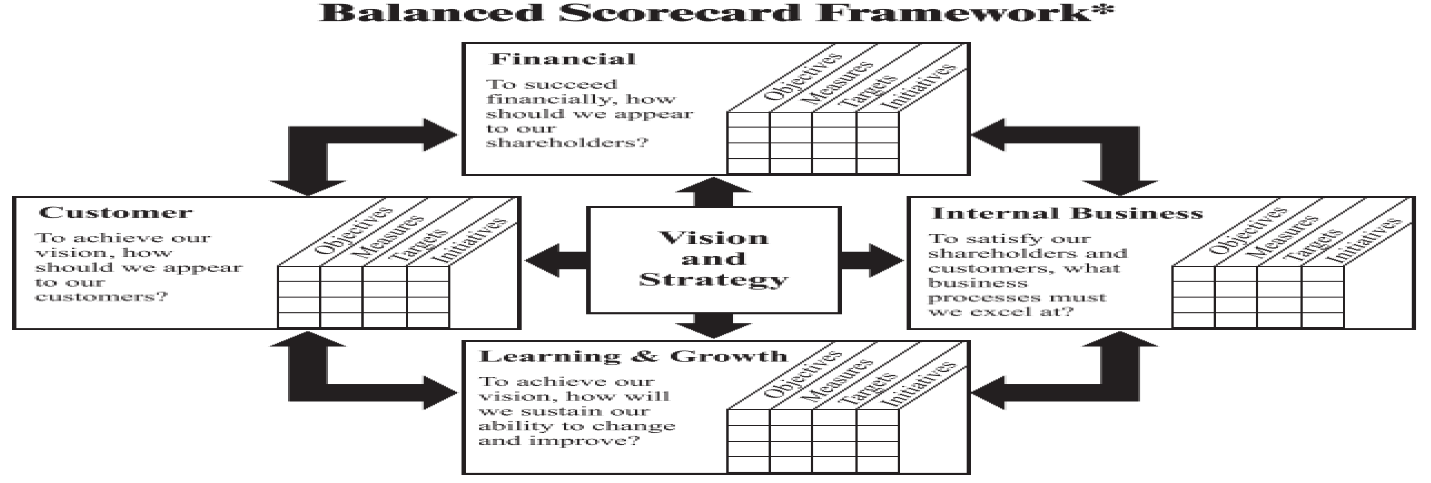
The first perspective in this framework is the focus on a firm’s financials. The firm will need to consider how it presents itself to stakeholders to achieve financial success. It should define objectives, measures, targets, and initiatives that will ensure that it remains attractive to shareholders.
When shareholders are convinced that the firm has financial stability, they are less likely to pull out their investment (Hvidt 2018). The management has the responsibility of ensuring that The Body Shop’s revenues continue to rise, while its expenses decrease relative to its income. This can be achieved by increasing production, introducing new products, and adopting low-cost production methods in the market. It should also identify unnecessary or redundant expenses and eliminate them to enhance its profitability.
The second perspective when using this framework is the need to focus on customers. It should be in the interest of The Body Shop’s management to deliberately decide how the firm presents itself to its target customers. According to Aščić and Skelo (2017), the perception that customers have towards a given brand and its products defines their loyalty. Customers will view a preferred brand as offering the best quality or best price compared with its rivals in the market.
For instance, Apple Inc. has positioned itself as the provider of premium electronic products in the global market, so customers are willing to pay premium prices for these products because they believe in the quality. Similarly, the Body Shop should emphasize quality in its products. It should convince customers that its beauty and cosmetic products are superior to those offered by other firms. Occupying such a unique niche in the market will enable it to charge premium prices while maintaining its customer base.
Internal business operations within the firm are the third perspective that the firm needs to consider. The management needed to consider the business processes that would enable it to excel and satisfy shareholders and customers. Laham (2020) argues that the interests of customers tend to conflict with those of shareholders. Customers’ demand for high-quality products at the lowest possible price will hurt a firm’s profitability.
On the other hand, shareholders want high returns on their investment, which requires a firm to sometimes compromise on quality while charging a high price. To balance these contradictory needs, a firm will need to redefine its internal business processes. It may involve using technology to enhance customer quality and reduce operational costs for shareholders (Aščić and Skelo 2017). The goal will be to produce products that meet customers’ needs in the best way possible without compromising the firm’s profitability.
Learning and growth is the fourth perspective when using the balanced scorecard framework to assess a firm’s internal environment. It focuses on how a firm can sustain the ability to change internal processes and improve to achieve its vision (Hvidt 2018). Change is one of the factors that a firm has to learn to monitor and respond to as soon as possible.
As new trends and practices emerge in the beauty and cosmetics industry, The Body Shop should be able to adjust its products to reflect the changing needs of its customers. It should also have the capacity to understand the changing technological environment, ensuring that it adopts new concepts as soon as they emerge. To achieve these objectives, it should invest in research and learning among its workforce.
SWOT Analysis
An internal analysis of this firm should also be conducted using a SWOT analysis, in addition to those that have been utilized above. The main strength of The Body Shop is its extensive experience in the beauty and cosmetics market. The experience enables the firm to monitor market trends and accurately predict changes in this industry. Its team of dedicated employees and a flexible management unit means that it can redefine its operations to meet the changing market forces. Its financial power also enables the firm to invest in growth.
However, the firm needs to address its internal weaknesses. The analysis has revealed that the firm is slow in embracing emerging technologies, which is a major concern. It is also evident that it has not effectively utilized digital platforms. The firm has also been blamed for limited investment in research.
The market presents various opportunities, one of which is the growing size of the middle class. The middle class is the most attractive market segment for beauty and cosmetics products. The firm will also enjoy government support as the country seeks to diversify its economy. Emerging technologies promise to lower the cost of production while increasing quality.
The firm will also benefit from an increased number of tourists and business travelers purchasing its products. However, management should be prepared to address challenges, the top of which is stiff market competition. Environmental concerns and changing customer tastes and preferences are also major concerns.
Change Strategy
The assessment of the Body Shop in Saudi Arabia, conducted above, shows that although this company has the opportunity to achieve massive success in the market, it is necessary to embrace some changes. One major area that has been identified as requiring change is the leadership structure. Figure 4 shows the current organizational chart of the company. The current leadership structure is relatively rigid and does not facilitate easy engagement between employees and management. The structured system limits junior employees’ ability to engage top managers when necessary, which in turn limits creativity and innovation.
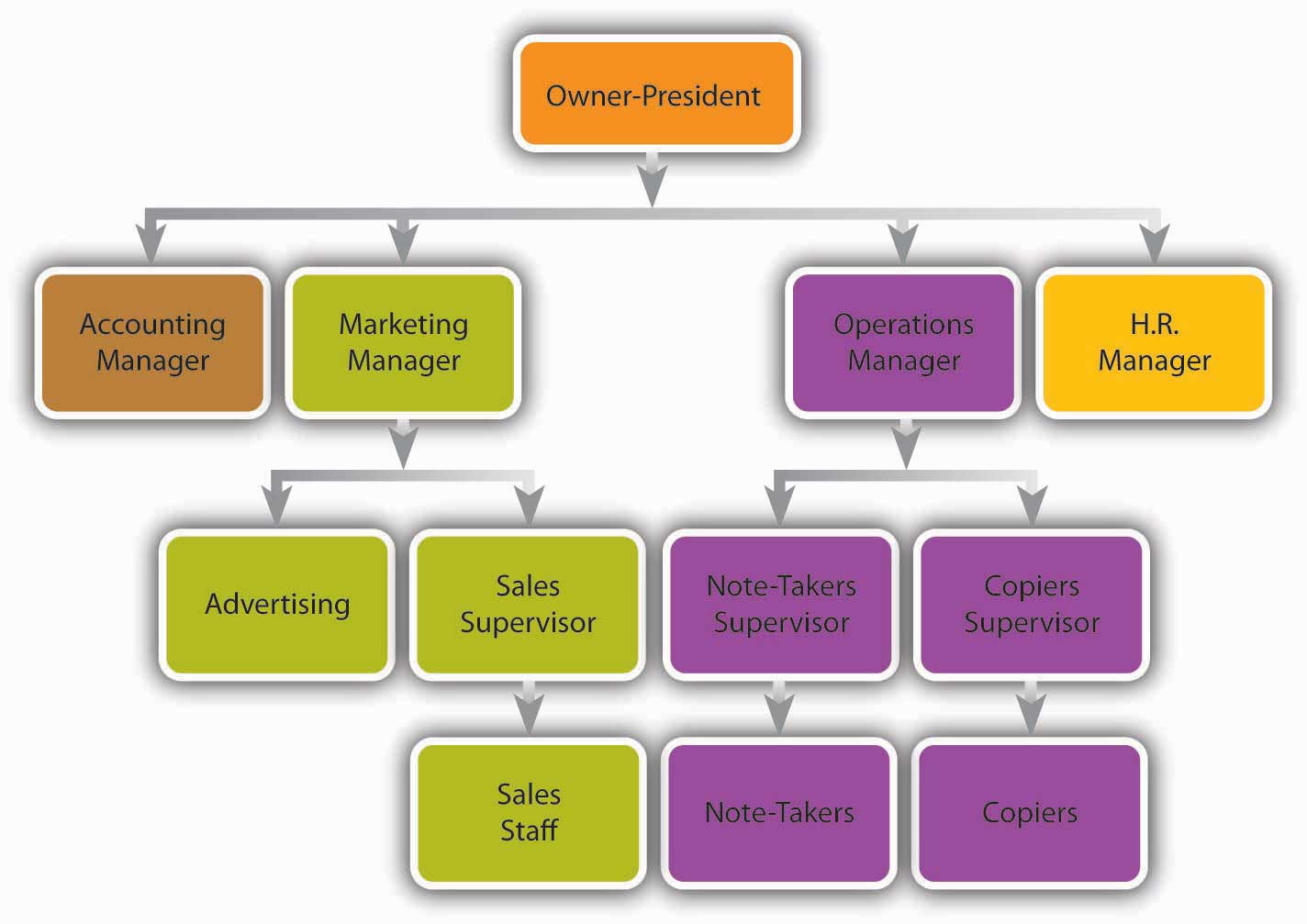
The system needs to change, taking into consideration the need to promote creativity and innovativeness among employees. Embracing an open-door communication system among employees is the most effective way to achieve the intended goal. The proposed leadership structure will ensure that managers can discharge their duties effectively, while also allowing junior officers to engage with leadership and discuss change strategies.
As Rahman (2021) observes, an open-door policy is one of the most effective ways to enhance creativity within a firm. It enables employees at all levels to generate innovative solutions to current problems and meet customers’ expectations in the most effective way possible. Figure 5 below shows the proposed management structure that the firm should embrace to achieve its vision in this competitive market.
Conclusion
The beauty and cosmetics industry in Saudi Arabia has achieved massive growth over the past few decades. Having become a franchise of The Body Shop, the company has become one of the leading retailers of fashion and cosmetic products in the country. The analysis conducted above reveals that the market presents both opportunities for growth and challenges that the firm must overcome to achieve success.
The internal assessment has also revealed the strengths and weaknesses of the firm. The study suggests that the firm needs to redefine its leadership structure to overcome weaknesses and capitalize on market opportunities. The firm needs to embrace creativity and innovation, and that can only be achieved when it empowers its employees.
References
Able Activator. (2021) Business theory analysis: PESTLE. Web.
Alanz, T. (2021) ‘Prospects of integrating gig economy in the Saudi Arabian health-care system from the perspectives of health-care decision-makers and practitioners’, Journal of healthcare Leadership, 15(13), pp. 255-265.
Alghamdi, N. and AlKhayyat, S. (2020) ‘Using Cox regression in studying the factors that affect small and medium enterprises and their impact on the Saudi Arabian economy’, Journal of Mathematics, 6(1), pp. 7-14.
Aščić, A. and Skelo, Z. (2017) ‘Utilization of balanced scorecard as a management tool in statistical institutes’, Sarajevo Business and Economics Review, 35(1), pp. 181-199.
Boateng, R. (Ed.) (2020) Handbook of research on managing information systems in developing economies. Web.
Demir, E. and Kocaoglu, B. (2019) ‘Maturity assessment in the technology business within the Mckinsey’s 7S framework’, Research Journal of Business and Management, 6(3), pp. 158-166.
Hvidt, M. (2018) ‘The new role of women in the new Saudi Arabian economy’, Center for Mellemostsrudier, 4(1), pp. 1-6.
Laham, M. (2020) Made up: how the beauty industry manipulates consumers, preys on women’s insecurities, and promotes unattainable beauty standards. Blue Ridge Summit: Rowman & Littlefield Publishers.
Manko, K. (2021) Ding dong! Avon calling: the women and men of Avon products, incorporated. New York: Oxford University Press.
Rahman, M. (2021) ‘Dynamics of foreign direct investment in Saudi Arabian economy’, Academy of Entrepreneurship Journal, 27(2), 2-14.
Tarchoun, M. and Ghraieb, I. (2022) ‘Trade openness relationship with macroeconomic factors on Saudi Arabian economy: ARDL application’, International Trade, Politics and Development, 4(1), p. 1-11.
Tucci, L. and Hanna, T. (2021) Balanced scorecard. Web.