
Definition of Management Information System
A management information system (MIS) is a computerized database that provides managers with up-to-date information about the organization. The system allows managers to make informed decisions about allocating resources and tasks (Laudon & Laudon, 2004). The MIS is designed to provide information relevant to the manager’s needs. The information contained in the MIS is typically organized into a series of reports that the manager can access.
Walmart Operations
Strategic
Strategic management includes the company’s top managers, including Board directors, CEOs, CTOs, and COOs. Their primary duties are to make decisions and formulate long-term strategies.
Tactical
The tactical team includes supervisors and sales managers, who comprise the middle segment of those in power after the top members. They are responsible for accounting for the daily and weekly transactions based on the information provided by the operational workers and consolidating this data to make short-term decisions.
Operational
The operational employees include clerks, accountants, and salespeople. They manage daily transactions and are directly involved in the organization’s activities.
Current Information System
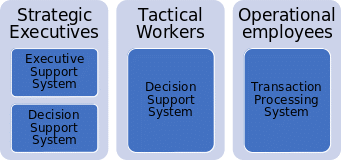
Walmart employs three central information systems to manage its operations.
Executive Support System (ESS)
The ESS is a software application that is designed to support executive decision-making. Senior managers in large organizations typically use it. The program typically includes a graphical user interface that allows users to access data and information stored in a central database. The system also includes tools for data analysis and decision support (Souza, 2021).
Decision Support System (DSS)
A DSS is a computer program application that analyzes and presents business data so that users can make better business decisions. The program lets users query data, analyze it, and generate reports. A DSS is interactive and iterative, meaning users can ask the system for more information if needed, change their minds, and ask for different information if they want to (Souza, 2021).
Transaction Processing System (TPS)
A TPS is a computer software application that processes business transactions. A transaction is a business activity that changes data, such as an order, a payment, or a customer record. The system must handle a high volume of transactions quickly and accurately and generate reports, such as sales and inventory reports (Souza, 2021).
The company still experiences some operational challenges despite this system, as shown further.
Challenges Faced by Walmart
The issues faced by Walmart include the following.
Managing a Large Workforce
Walmart has 2.2 million workers, making it one of the largest employers in the world (Souza, 2021). This means that the company must ensure its employees are adequately trained and motivated to maintain high customer service standards.
Meeting the Changing Needs of Customers
Walmart must continually adapt its offerings to meet the changing needs of its customers. This can be challenging, given the company’s vast products and services (Souza, 2021).
Managing Supplier Relationships
Walmart should work with its suppliers to ensure they can meet the company’s demand. This can be challenging, considering each supplier comes with its own demands and needs (Souza, 2021).
Compliance with Various Regulations
Walmart must comply with various labor, environmental, and anti-corruption laws, both at the global and local levels. This can be a challenge, given the constantly changing nature of these laws (Souza, 2021).
Operational Excellence
Walmart has standardized processes and procedures across all locations to ensure consistency and quality. By having standardized methods and techniques, all Walmart employees know the expectations and can consistently perform their duties. This helps to ensure that customers receive the same level of service and quality no matter which Walmart location they visit (Souza, 2021). Additionally, by investing in technology and training, Walmart can support its operational excellence strategy and maintain high standards. Moreover, this factor makes people adopt the new systems quickly and easily.
Customer Relationship Management System (CRMS)
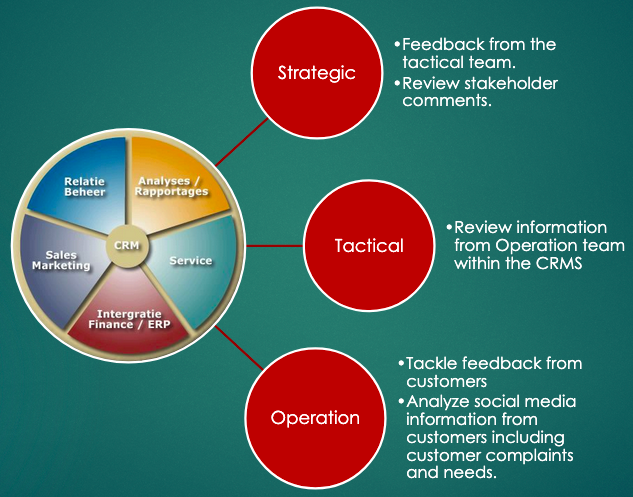
The CRMS provides a way for the various categories of employees to communicate better. The information flows from the customers and operational workers to the tactical team, which can make better short-term decisions to promote customer satisfaction. The information generated by the tactical team is passed to the strategic management executives, who can utilize it to make meaningful and more comprehensive choices (Gil-Gomez et al., 2020).
Supply Chain Management System
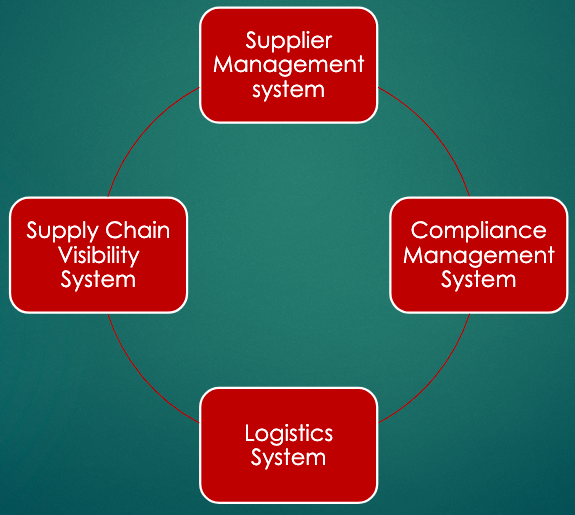
Walmart can employ various supply chain management systems to adequately monitor its supply activities worldwide. The Supplier Management system is used to track and manage supplier information. This may include contact information, performance information, and financial information. The Compliance Management System ensures that a company complies with all relevant laws and regulations. This may include tracking compliance records, conducting audits, and reporting compliance issues.
The Logistics System manages the transportation and storage of goods. This may include tracking shipments, managing inventory, and coordinating transportation schedules (Wieland, 2020). The Supply Chain Visibility System provides visibility into the supply chain. This may include tracking inventory levels, monitoring supplier performance, and forecasting demand.
Outcome: Better Customer Service
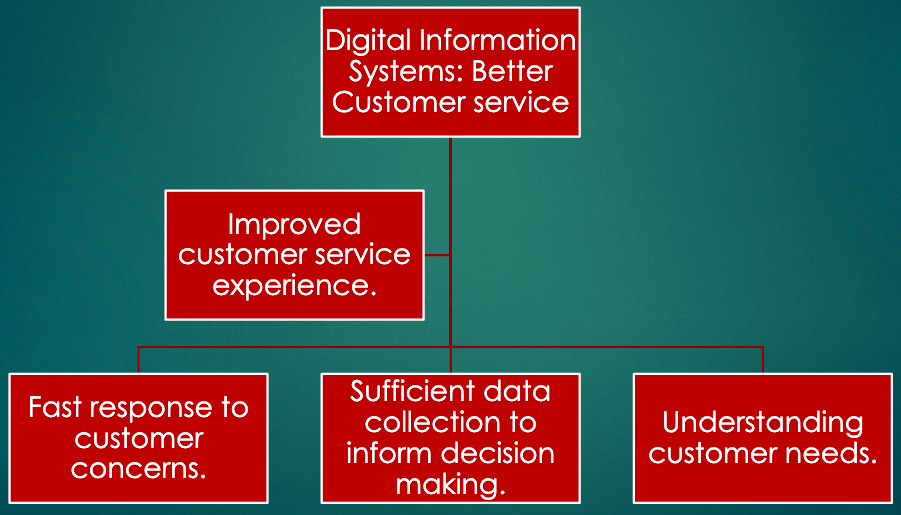
Digital information systems can help customer service representatives keep track of customer interactions and inquiries. Additionally, digital information systems can provide customers with self-service options, such as online chatbots or website FAQ sections (Bolton et al., 2018). By offering these digital options, businesses can provide their customers with the information they need without requiring them to speak to a customer service representative.
References
Bolton, R. N., McColl-Kennedy, J. R., Cheung, L., Gallan, A., Orsingher, C., Witell, L., & Zaki, M. (2018). Customer experience challenges: Bringing together digital, physical and Social Realms. Journal of Service Management, 29(5), 776–808. Web.
Gil-Gomez, H., Guerola-Navarro, V., Oltra-Badenes, R., & Lozano-Quilis, J. A. (2020). Customer relationship management: Digital Transformation and Sustainable Business Model Innovation. Economic Research-Ekonomska Istraživanja, 33(1), 2733–2750. Web.
Souza, K. (2021). Walmart CEO sees Supply Chain Challenges, inventory shortfalls into 2022. Talk Business & Politics. Web.
Wieland, A. (2020). Dancing the supply chain: Toward Transformative Supply Chain Management. Journal of Supply Chain Management, 57(1), 58–73. Web.
Laudon, K. C., & Laudon, J. P. (2004). Management information systems: Managing the digital firm. Pearson Educación.