
Introduction
Safety is of utmost importance in maritime operations, particularly in large-ship operations, where dangers are inherent. Although accidents are rare, they require careful investigation to determine their causes and implement preventive measures. This report examines an event that occurred on board a chemical tanker, necessitating a thorough accident investigation by the shipping firm concerned.
The incident, which occurred on Monday during cargo shipment, highlights the need for proficient Bridge Resource Management (BRM) and the use of technology to ensure safe passage. In the nautical arena, the bridge of a vessel functions as the central hub, where human and technological resources come together to enable navigation. Although technology has improved, accidents at sea are still largely caused by human factors. This highlights the need to provide thorough training and promote effective collaboration among the bridge crew.
This paper explains that the event analysis goes beyond just finding defects. It aims to provide practical ideas to strengthen the company’s safety measures and improve BRM training for all its vehicles. Based on established standards and rules, the advice provided here aims to enhance the crew’s skills, increase their understanding of the situation, and foster a culture of safety and alertness (Wang et al., 2021, p. 911).
The research aims to comprehensively analyze the incident and provide a detailed plan for preventing and mitigating similar accidents in the marine sector. It utilizes simulated evidence and rigorous analysis to unravel the complexities of the occurrence. By using the knowledge gained from this inquiry, the shipping firm may chart a path towards safer waters, where accidents are reduced, and marine activities thrive with improved safety and efficiency.
Vessel Information
Table 1 – Vessel information
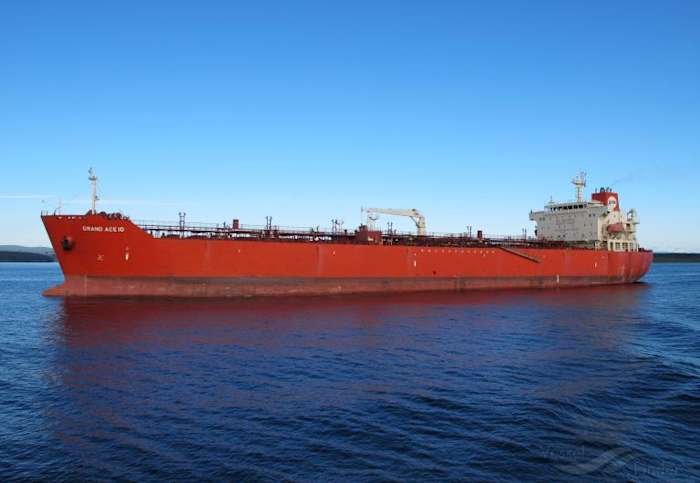
The bridge of MV Ocean Spirit was equipped with two radar screens and an Electronic Chart Display and Information System (ECDIS), as shown in Figures 1 and 2. At the time of the occurrence, there were no shortcomings or faults in the bridge equipment.
Summary of the Incident
On 3rd January 2023, an unpleasant occurrence unexpectedly disturbed the peaceful operations onboard the Chemical Tanker. While engaged in cargo shipment, the ship encountered an unforeseen event at a critical but routine stage of its voyage. Amid ongoing maritime activities, the peaceful atmosphere on the ship’s bridge was abruptly disrupted, leading to a series of incidents that required a thorough investigation.
The event, driven by a combination of factors, serves as a powerful reminder of the intricacies of managing large-scale ship operations (Chae et al., 2021). While navigating its assigned path, a sequence of errors and negligence led to an unfavorable outcome (Zaman et al., 2021). Although the details of the occurrence may differ, its consequences have a significant impact on the marine community, underscoring the need for constant vigilance and adherence to best practices.
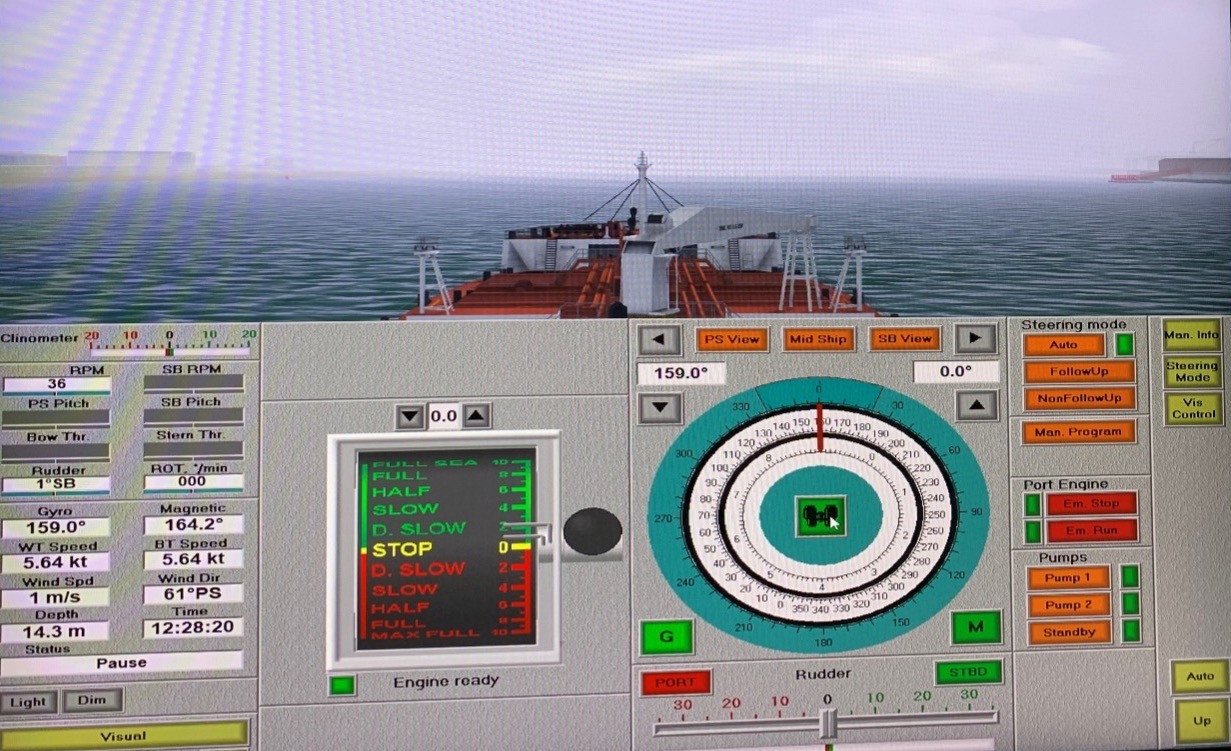
The incident’s story revolves around the interaction of human, technical, and environmental elements, all of which contribute to the final result. Key human factors that worsen the issue include communication failures among bridge crew members and the pilot, as well as a lack of assertiveness in making challenging decisions (Dominguez et al., 2021). The reliance on automated systems, while designed to make operations more efficient, unintentionally led to a state of satisfaction and a deficiency in manual confirmation, thereby exacerbating navigational errors (Chae et al., 2021).
In addition, it is important to consider technical variables, as they can cause equipment faults or misinterpretations, which might complicate navigation, as shown in Fig 3. In the ever-changing realm of marine operations, where accuracy is of utmost importance, any deviation or difference in technical capability can result in significant, wide-ranging repercussions. Additionally, challenging environmental factors, such as severe weather or crowded waterways, increased the difficulty of the scenario, putting the crew’s resilience and decision-making skills to the test.
Identification of Causal Factors
The event was significantly influenced by human factors, with many contributing variables identified. A lack of effective communication between the bridge crew and the pilot regarding their navigational plans and course changes resulted in a significant gap in their understanding of the situation (Wang et al., 2021, p. 900). Moreover, the bridge crew’s lack of aggressiveness in questioning the pilot’s judgments impeded the efficiency of decision-making procedures.
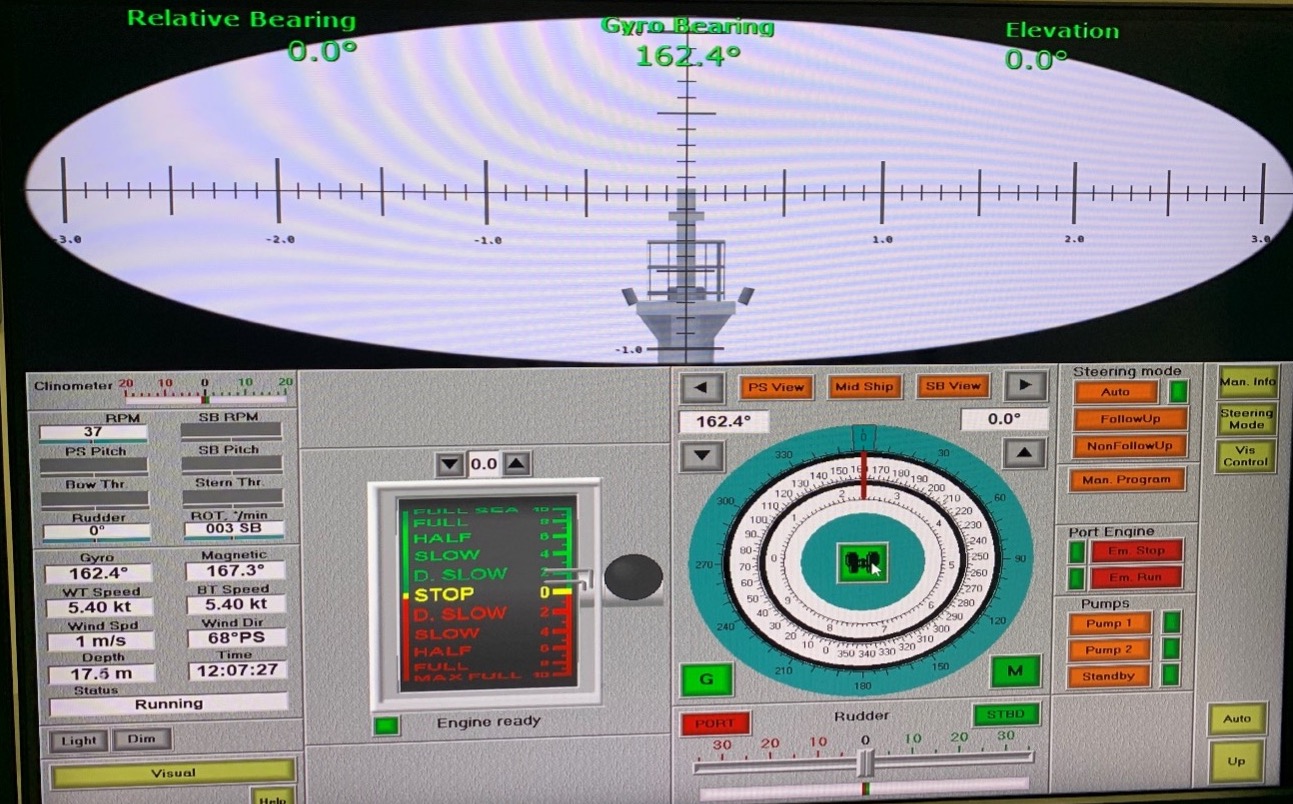
The event also highlighted complacency or excessive reliance on automated systems, leading to a failure to authenticate navigational data and potentially worsening errors that would have been corrected manually. In addition, crew members’ exhaustion or distraction negatively affected their situational awareness and hindered their capacity to make prompt, well-informed judgments, as seen in Fig 4. To minimize such accidents in the future, it is crucial to address human factors by implementing improved training, communication procedures, and fatigue management measures.
Although human errors were significant, technical factors also played a notable role in the disaster. The event was caused by possible faults or misinterpretations in navigational equipment, leading to inaccurate course charting or a deviation from the planned path (Dominguez et al., 2021). Moreover, the crew’s inadequate training or lack of knowledge of the onboard systems impeded their ability to use them effectively during crucial maneuvers, thereby intensifying the difficulties encountered. To address these technical concerns, a comprehensive strategy is needed that includes regular equipment maintenance, extensive training programs, and enhanced knowledge of onboard systems. To strengthen the durability of its operations and reduce the likelihood of such accidents in the future, the shipping firm might improve its technical skills and ensure the dependability of its navigational equipment.
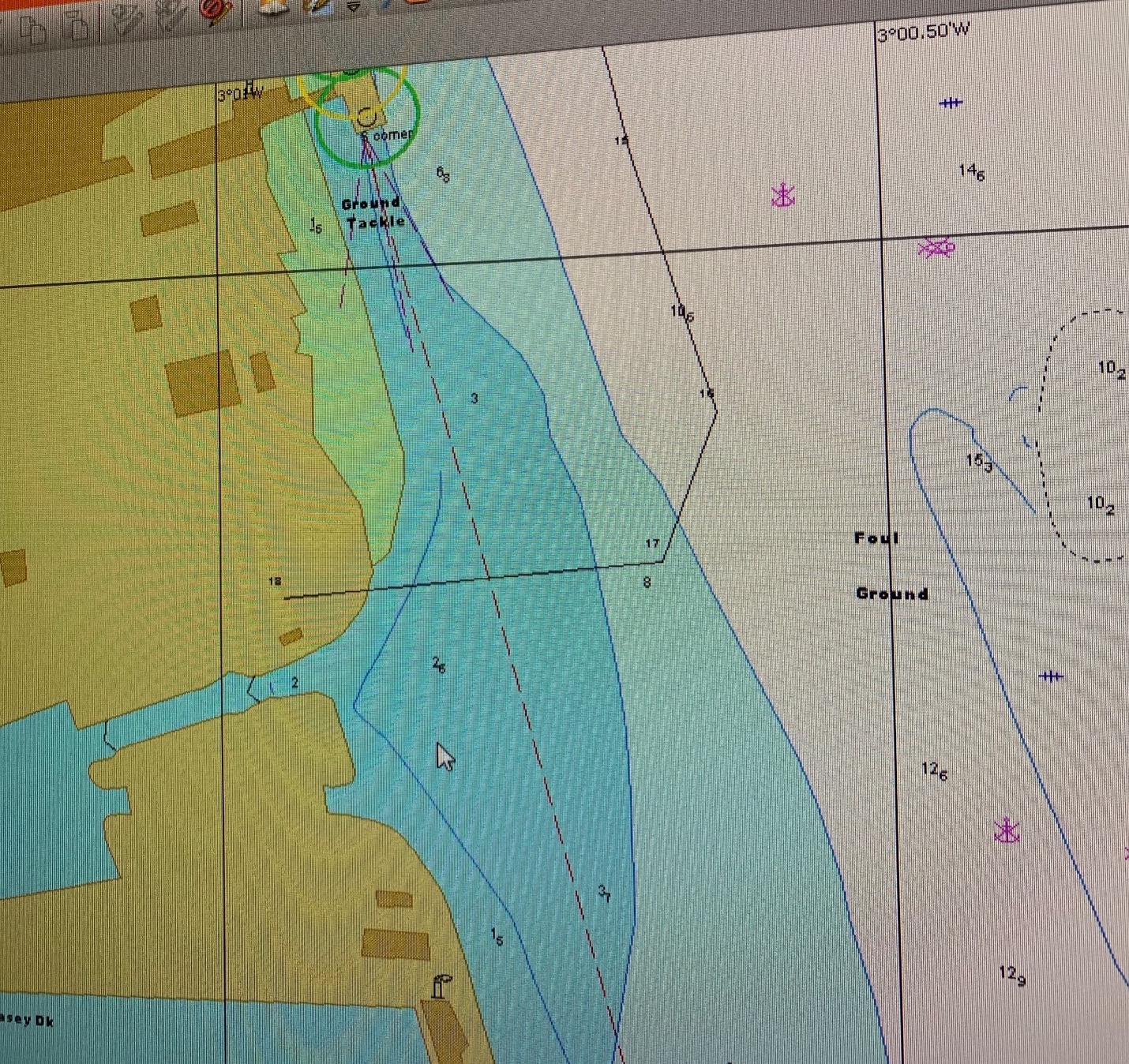
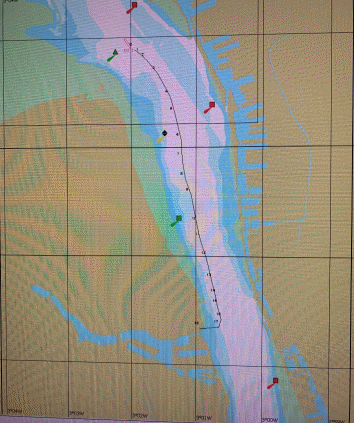
The occurrence was significantly influenced by environmental conditions, exacerbating the challenges faced by the vessel and its crew. Adverse weather conditions, such as restricted visibility or strong currents, impeded the crew’s capacity to assess the situation and respond effectively and accurately (Dominguez et al., 2021). Moreover, the vessel’s proximity to other boats in congested waterways limited its mobility, thereby increasing the probability of collisions and complicating navigation, as shown in Fig 5. It is essential to acknowledge and address these environmental concerns to ensure the safety of marine activities. Implementing strategies such as improved weather surveillance, meticulous navigation planning, and efficient communication with other ships may mitigate the effects of unfavorable environmental conditions and reduce the likelihood of repeat occurrences.
Recommendations for Future Good Practice
Enhance BRM Training
Improving Bridge Resource Management (BRM) training is crucial for the shipping firm to reduce the likelihood of such incidents in the future. To achieve this objective, several steps are suggested: First and foremost, it is recommended to undertake frequent BRM training sessions (Kulkarni, K. et al, 2020). These seminars aim to enhance collaboration, communication, and decision-making abilities among bridge crew members.
Furthermore, it is of utmost importance to cultivate a culture of assertiveness and willingness to question within the bridge team. It is important to foster a culture where all crew members feel empowered to express their views and question safety-related decisions, regardless of position or level of expertise. This enables the whole team to participate in the decision-making process, guaranteeing a thorough evaluation of any risks. Additionally, it is essential that BRM training gives utmost importance to fostering situational awareness (Kulkarni, K. et al, 2020). Crew members must possess the skill to proficiently monitor navigational instruments, environmental conditions, and vessel traffic to identify potential dangers and implement proactive measures to reduce risk.
Improve Technological Proficiency
Ensuring safety and reducing the risk of mishaps in the shipping firm is crucial, and this can be achieved by improving technical competency. To do this, several recommendations are proposed: First, it is crucial to provide thorough instruction on the use and maintenance of navigation equipment installed on board (Jiao et al., 2020). All crew members must receive comprehensive training in the proper operation and maintenance of navigational systems, so they possess the requisite knowledge and abilities to efficiently employ these technologies (Kulkarni, K. et al., 2020). Periodic training sessions should be organized to strengthen these abilities and sustain proficiency with the machinery, especially as technology advances and new systems are introduced.
Furthermore, it is advisable to make manual checking of navigational data a standard practice, even in the presence of automated systems. Although automated systems may optimize processes and provide significant support, they are not immune to errors (Gil et al., 2020). Highlighting the significance of human verification aids in reducing the likelihood of mistakes and guaranteeing the precision of navigational data, especially during crucial maneuvers or in difficult circumstances (Kulkarni, K. et al, 2020).
It is important to provide training to crew members so that they can compare and verify automated data with human observations. This will provide a backup system and improve the overall dependability of the information. By implementing these suggestions, the shipping firm may enhance its crew members’ technical expertise, thereby improving the safety and efficiency of marine operations.
Strengthen Safety Culture
Developing a strong safety culture within the shipping firm is crucial to fostering a proactive risk-management approach and preventing incidents. To do this, several suggestions are put forward: First and foremost, the organization should promote the practice of reporting and learning from near misses or safety issues (Jiao et al., 2020). By fostering a culture of transparent communication, crew members are incentivized to report incidents without fear of retaliation, enabling the extraction of useful insights and the acquisition of important lessons (Kulkarni, K. et al., 2020). The ongoing feedback loop enables continual development and collective learning across the fleet, helping detect and resolve potential dangers before they escalate into serious accidents.
Furthermore, establishing resilient safety management systems is crucial. These systems should have explicit procedures and standards for navigation, communication, and emergency response, providing a standardized framework to ensure safe operations (Kulkarni, K. et al., 2020). By following established protocols, crew members can comply with industry rules and best practices, thereby minimizing the risk of errors and improving overall safety. Promoting the act of reporting and acquiring knowledge cultivates an environment of openness and responsibility, while the use of safety management systems provides a systematic approach to risk management (Uddin and Awal, 2020). In the end, these actions help create a safer work environment and an organization better able to confidently and competently deal with the challenges of marine operations.
Relevant Incidents
Significant incidents in the marine sector serve as powerful reminders of the need for robust safety regulations and effective risk management. An event took place on 5th August 2009. The ferry was on its route from Nukuʻalofa, the capital of Tonga, to Ha’afeva when it sent a distress signal just before 2300 hours on 5 August 2009, accompanied by a distress beacon (Fomin and Lovska, 2020, p. 1459).
This incident highlighted the crucial need for efficient Bridge Resource Management (BRM) and crew coordination. On May 15, 2014, the MV Miraj-4, a ferry measuring 30 meters in length (98 ft) and having two levels, was struck by a substantial wave while navigating the Meghna River, located 50 kilometers (31 mi) southeast of Dhaka, Bangladesh (Baten, 2022, p. 41). This emphasizes the repercussions of navigational mistakes and the need to keep situational awareness.
Conclusion
The incident on the Chemical Tanker underscores the crucial need for comprehensive BRM training, technical expertise, and a strong safety culture to prevent marine mishaps. By implementing the suggested methods, the proficiency and preparedness of bridge teams would be enhanced, hence reducing the probability of such events. By prioritizing safety, the shipping firm may steer towards safer waters, with reduced accidents and flourishing marine activities with improved safety and efficiency.
Reference List
Baten, R.A.A.A. (2022) ‘A stronger safety regime is vital to ensure safer passengers’ movement at inland water transportation sector of riverine Bangladesh’, BIMRAD Journal, 3(1), pp.38-55.
Chae, C.J. et al., (2021) ‘Limiting ship accidents by identifying their causes and determining barriers to application of preventive measures‘, Journal of Marine Science and Engineering, 9(3), p. 302.
Dominguez-Péry, C. et al., (2021) ‘Reducing maritime accidents in ships by tackling human error: a bibliometric review and research agenda’, Journal of Shipping and Trade, 6, pp. 1-32.
Gil, M., et al., (2020) ‘A bibliometric analysis and systematic review of shipboard Decision Support Systems for accident prevention‘, Safety Science, 128.
Fomin, O. and Lovska, A. (2020) ‘Improvements in passenger car body for higher stability of train ferry’, Engineering Science and Technology, an International Journal, 23(6), pp.1455-1465.
Jiao, Y. et al., (2020) ‘Cruise ship safety management in Asian regions: Trends and future outlook’, Sustainability, 12(14).
Kulkarni, K. et al., (2020) ‘Preventing shipping accidents: Past, present, and future of waterway risk management with Baltic Sea focus’, Safety science, 129.
Uddin, M.I. and Awal, Z.I. (2020) ‘Systems-theoretic approach to safety of inland passenger ship operation in Bangladesh‘, Safety science, 126.
Wang, L. et al., (2021) ‘Critical risk factors in ship fire accidents‘, Maritime Policy & Management, 48(6), pp. 895-913.
Zaman, M.B., et al., (2021) ‘March. Analysis of work accident factors in the shipyard‘, In IOP Conference Series: Earth and Environmental Science (Vol. 698, No. 1). IOP Publishing.