Introduction
The shipping business is critical to supporting worldwide trade, particularly in transporting large amounts of commodities from one area to another. However, accidents pose a significant risk to the sector, especially as larger vessels require substantial investments. The purpose of this study is to analyze the factors contributing to maritime accidents, particularly during the final approach, and to recommend proactive strategies to prevent such mishaps. This research helps pinpoint the core causes and risk factors associated with these events, enabling the formulation and implementation of targeted safety guidelines, regulations, and instructions. Identifying the most relevant elements enables the controlled allocation of limited resources to specific measures that result in optimal accident mitigation.
Vessel Information
Table 1 – Vessel information
Summary of the Incident
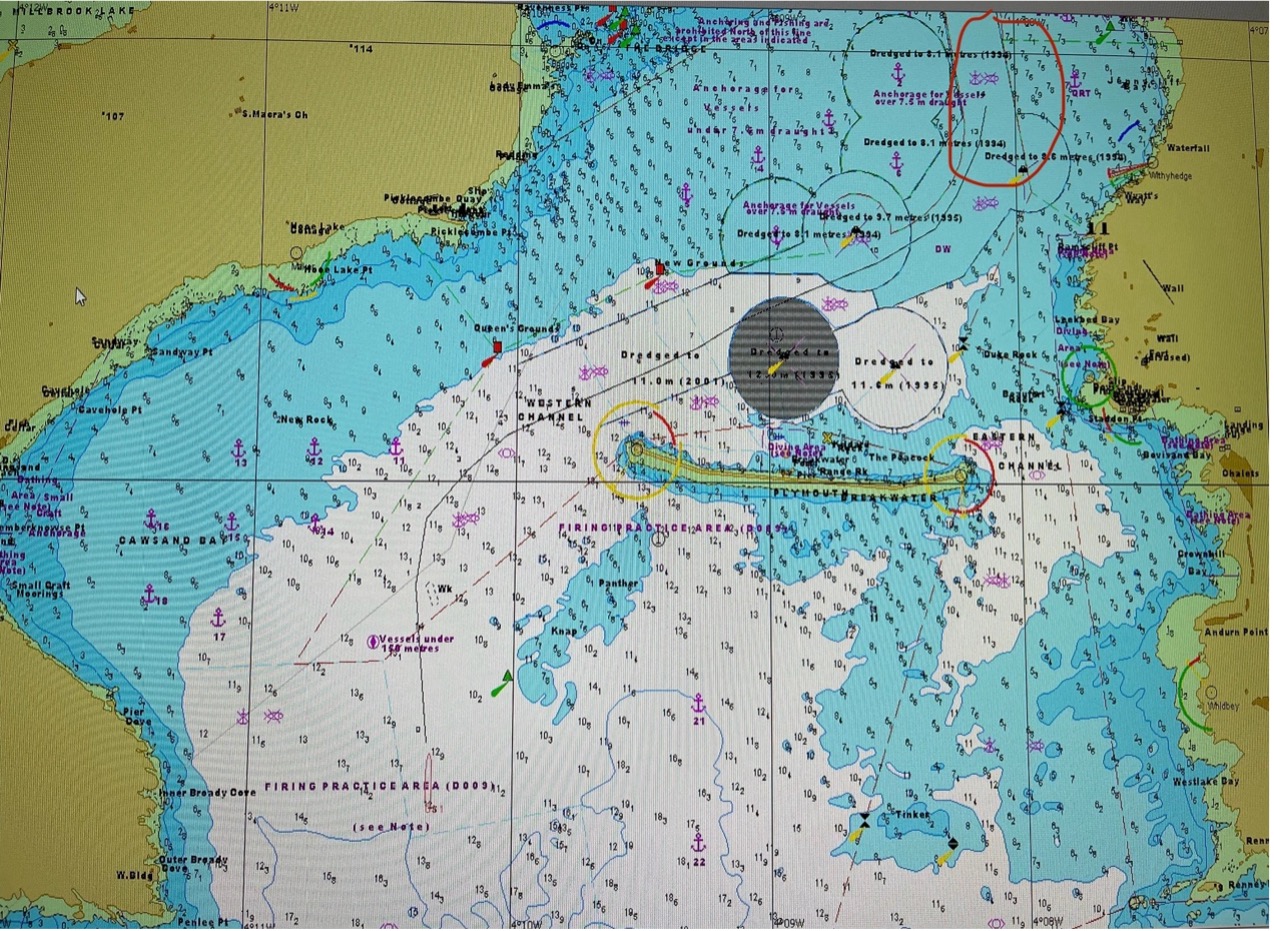
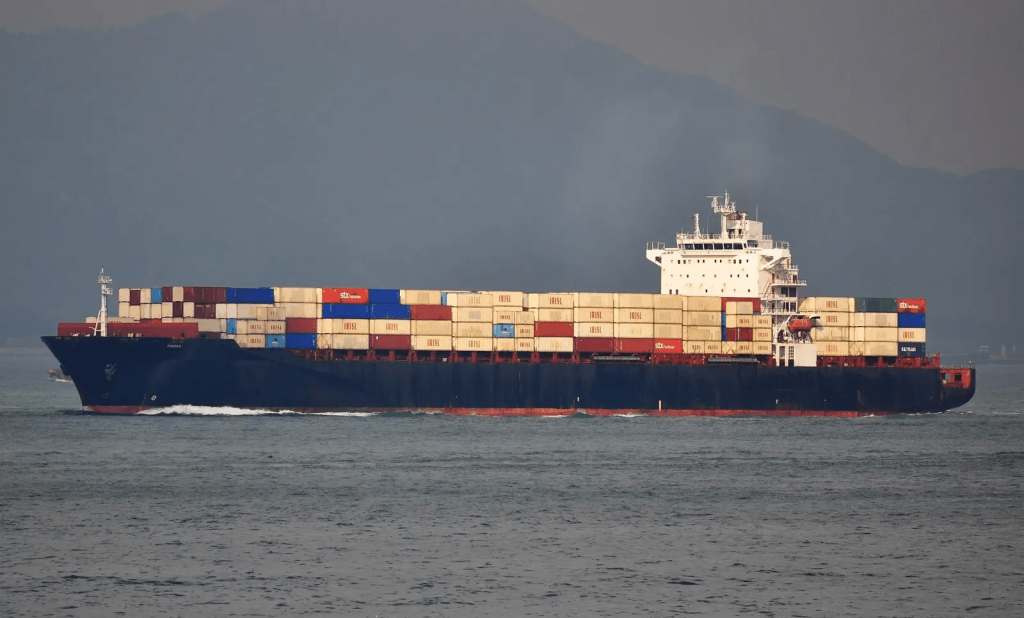
On a sunny morning, the cargo ship Marine Star, which measures 180 meters in length, arrived at the crowded Plymouth Port for unloading. The weather was ideal, and there were no visibility issues. The ship’s Master, who had a pilotage exemption, elected not to bring a pilot for the final sail to the dock aboard, relying exclusively on the competence of the onboard crew.
As the ship approached its allotted berth, the Electronic Chart Display and Information System (ECDIS) glittered with precision, indicating the ship’s exact position and nautical course. Although the ECDIS equipment worked well, the crew was unfamiliar with its use. This limitation hampered the crew’s ability to successfully use the navigational tools given by the ECDIS system, which proved critical in the sequence of events that followed.
On the bridge, coordination among bridge team members was inadequate. The crew struggled to communicate crucial information effectively, leading to misconceptions and confusion about the vessel’s direction and navigational objectives. This breakdown of interaction compromised the team’s capacity to react quickly to changing situations.
In the meantime, Marine Star continued to approach, with the busy port activities apparent in the background. As the vessel made a turn in the navigational channel, the officer in charge misread a course change, causing the ship to steer outside of the specified channel. With inadequate track monitoring mechanisms in place, the deviation went undetected until it was too late.
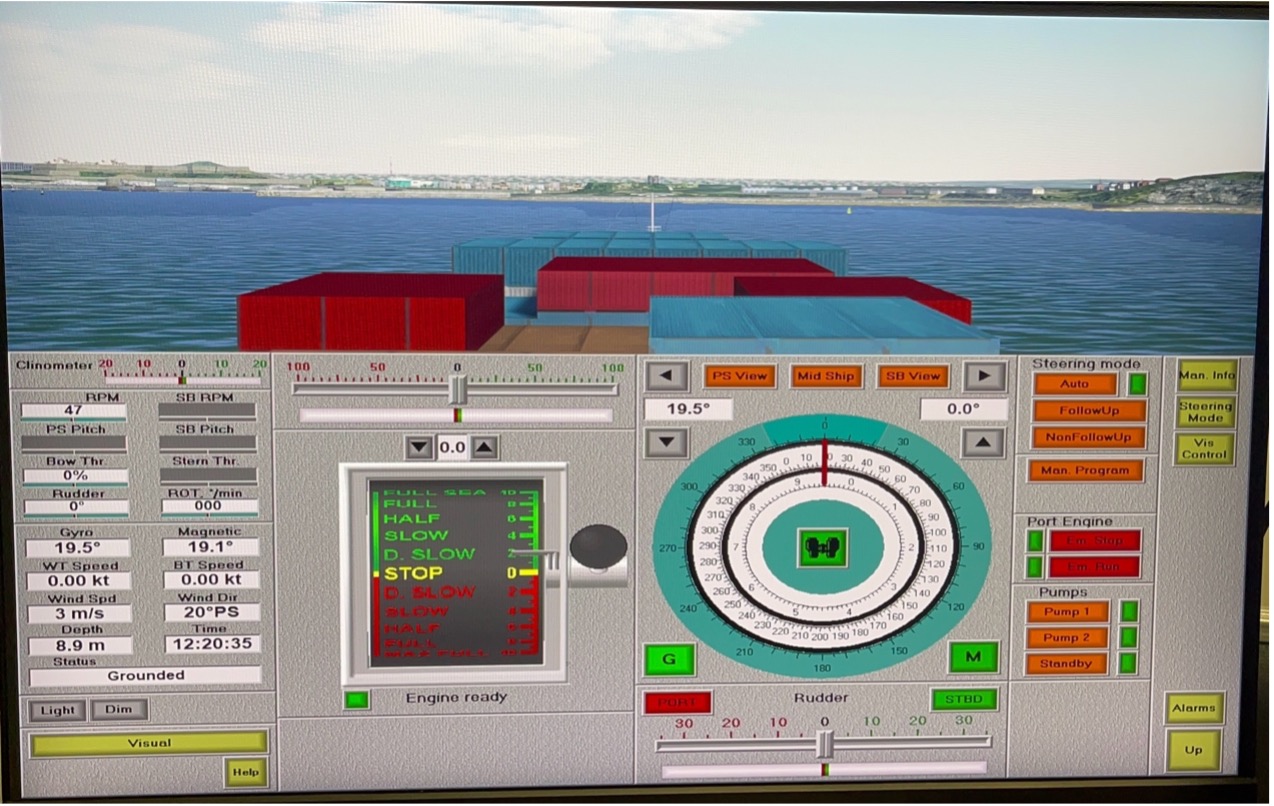
The crew’s unfamiliarity with Bridge Resource Management (BRM) practices aggravated the problem. As the vessel veered off course, the bridge personnel failed to notice the oncoming hazard, and no immediate corrective measures were in place. Despite the clear visibility, Marine Star quickly ran aground, its hull brushing on the muddy seabed near the navigation channel. The ship sat stranded, with cargo operations hampered and its exterior damaged.
Identification of the Causal Factors and Correlation with Relevant Incidents
An investigation into the events would indicate that several factors contributed to the tragedy. Each of these factors played a major role in the accident. The lack of a pilot on board was a major contributing factor to the catastrophe, despite the master holding a pilotage exemption. The general norm is that the master is in charge of the ship’s navigation, while the pilot serves as an adviser to the master, having restricted tasks subject to the country and port (Maternova et al., 2023). The master and pilot must be available to take prompt action, and all other crew members and port service providers must promptly follow their commands.
The pilot-master exchange is beneficial for effective maneuvering, as it improves information exchange and readiness between the vessel and port services. On January 28, 2022, the bulk ship Goliath smashed into the anchored tugboats York Cove and Campbell Cove in Devonport, Tasmania (ATSB, 2022). There was no pilot on board, and it was discovered that during the transition from Goliath’s bridge to the bridge wing, the proper steering configuration was not set. The master’s maneuvering directives, issued under the assumption that the vessel was in joystick navigation mode, increased the ship’s speed as it approached the tugboats before crashing with them.
Another important contributing cause to the crash was the crew’s inadequate use of ECDIS. Despite the technology being functional and in working order, the crew chose not to use it. The bridge staff also failed to regularly check the electronic chart to locate the ship’s position accurately. As a result, the bridge team struggled to detect departures from the anticipated trajectory properly. A combination of its versatility and functionality has led to numerous issues with the ECDIS.
ECDIS was released in 2012 and has helped improve navigational safety; however, its effectiveness and safety depend heavily on the user’s competence (Sanchez-Beaskoetxea et al., 2021). In the early hours of December 3, 2016, the Spanish-registered cargo ship Muros ran off course on Haisborough Sand off the east coastline of the United Kingdom (Sekine, 2021). Visibility was good, and all the electronic nautical equipment, including the ECDIS, was working properly. The incident was determined to be the result of a user mistake or the bridge crew’s faulty duty.
Ineffective communication is another important cause of ship collisions. This was one of the contributing elements to the cargo ship’s grounding. Poor communication among the bridge team led to misinterpretation and uncertainty in the details being relayed. The language barrier may also have played a role in the inefficient communication that led to the incident, most likely due to an inadequate understanding of English.
On November 8, 2018, a situation featuring improper bridge team interaction happened involving the Norwegian Warship HNOMS HELGE INGSTAD and the Oil vessel SOLA TS offshore the Sture port in Hjeltefjord, Norway (SAFETY4SEA, 2020). Investigators determined that the key reason was a lack of structure, leadership, and collaboration on the frigate’s bridge. There was also a breakdown of engagement between Vessel Traffic Services (VTS) and surrounding traffic, since VTS failed to notify other ships in the vicinity of the tanker’s movement.
Track monitoring was also an important contributor to the disaster, as it helps spot anomalies and ensure proper interaction when unforeseen route alterations are observed. However, the bridge personnel failed to track the cargo ship’s course, resulting in a detour from the intended path that was not recognized in time. The bridge team’s failure to monitor the track demonstrates their inability to detect variations in minor vessel positions more quickly.
Trinity Bay, a general commercial ship, crashed on Harrington Shoal in the Great Barrier Reef Marine Park early on January 19, 2021 (ATSB, 2021). Following inquiries, it was determined that the passage had not been properly planned or overseen. The passage scheduling procedure did not meet the operator’s safety control system standards for planning and checking the course using the major navigation methods, and for conducting independent route verification. Hazards along the scheduled path were not detected, and the ship’s passage monitoring was inadequate, resulting in the accident.
The inefficient application of BRM approaches in decision-making is another contributing factor to the tragedy, as it impedes the flow of information needed to implement preventive measures. In this situation, the bridge team also failed to use all the tools at their disposal to prevent the catastrophe. Ever Forward, a Hong Kong-flagged cargo ship, ran aground in the Chesapeake Bay in March 2022 while traveling from the Port of Baltimore to Norfolk, Virginia (Buitendijk, 2022).
The ship skipped to turn south and bogged out of the pathway, and one of the causes was insufficient BRM. The bridge crew consisted of the pilot, a deck cadet, the third officer, and a physically fit seaman. The pilot spent a long time on his cell phone, talking, texting, and emailing. He relied only on the Portable Pilot Unit (PPU) for directions and was observing a replay of a prior passage when the event occurred. The third officer and two other members of the bridge team did not adequately inform him of the dangerous situation, nor did they summon the master until after the vessel had grounded.
Recommendations for Future Good Practice
Fixing the problems identified in the context of the Marine Star’s grounding requires a comprehensive approach that focuses on crew training across all components. The first crucial topic to consider is the functioning and application of technological devices, particularly the ECDIS. Crew members should participate in intensive training sessions to become familiar with ECDIS capabilities and gain expertise in using electronic charts.
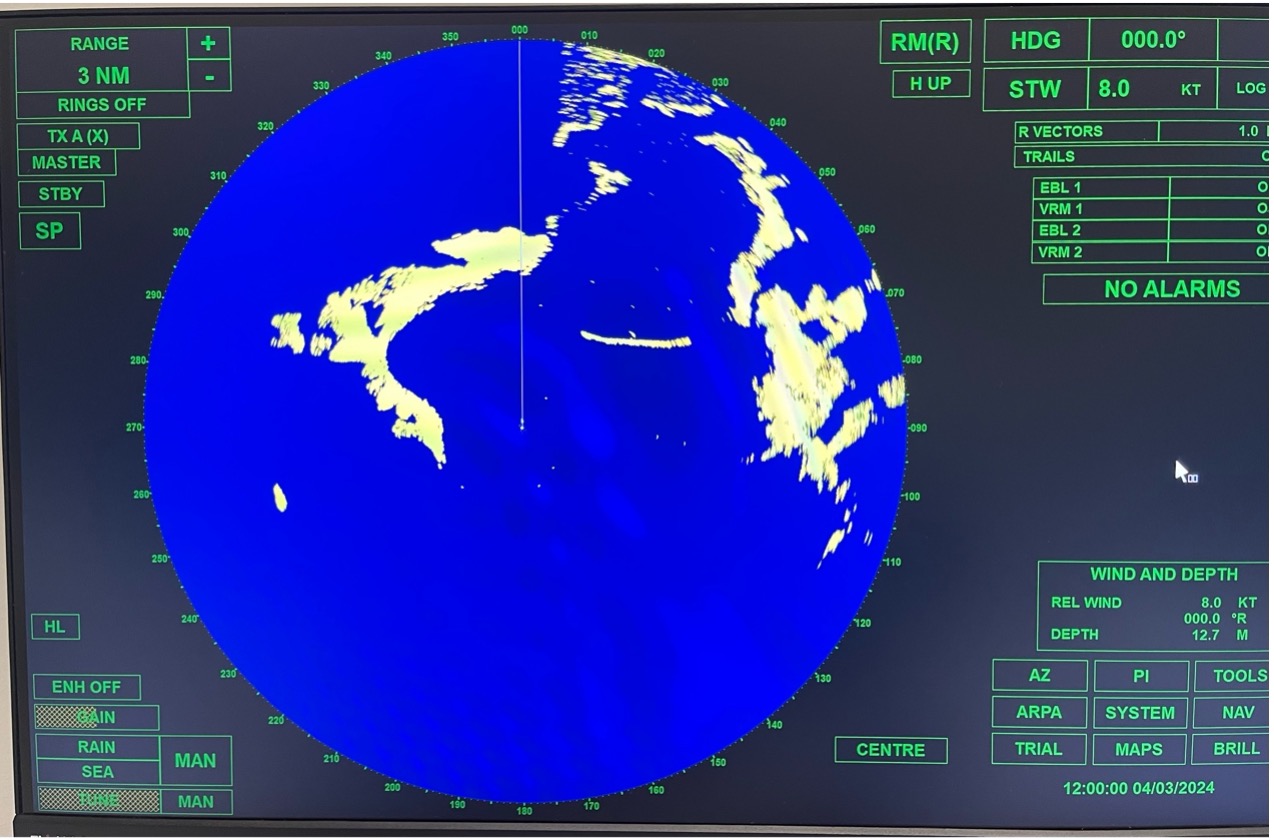
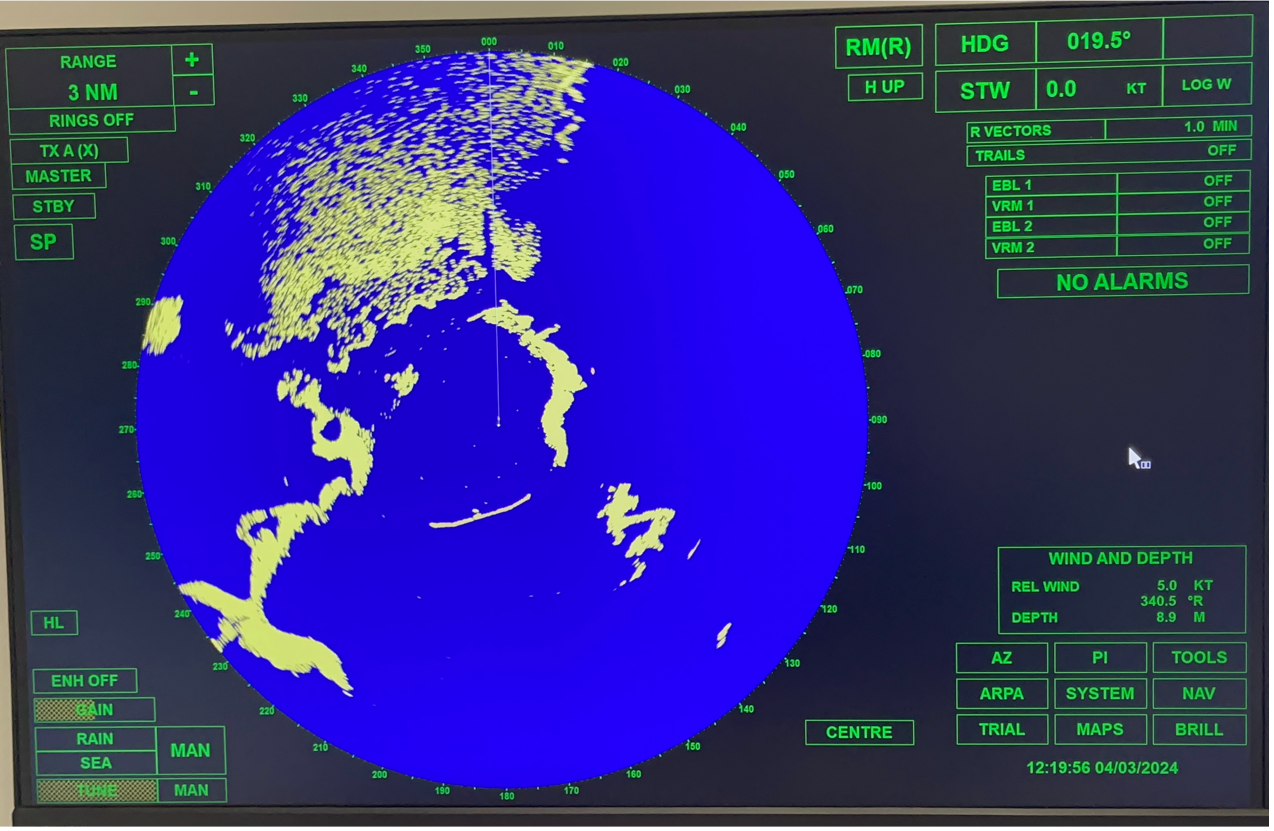
According to Aalberg et al. (2022), masters, pilots, and navigators who use the system must attend ECDIS courses to have the essential knowledge and skills required to utilize the technology. They are also required to have an official document of competence. Training programs should include practical tasks and simulations that mimic real-life settings. The appendix to this paper contains examples of simulations that, as part of thorough training, would enable crew members to polish their skills in using ECDIS successfully during navigation.
The necessity of BRM cannot be stressed, as proven by the master and second mate’s failure to undergo mandatory BRM training in the Goliath case. Bridge crews require frequent training sessions to improve their interactions, collaboration, and judgment. The primary goal should be to foster a mindset of genuine interaction and cooperation among bridge workers, creating an atmosphere conducive to successful coordination and issue resolution during navigation (Chae, 2021).
The language barrier was also cited as a major cause of the cargo ship incident, contributing to poor communication. There is a need to reduce misunderstandings between the crew and the pilot by guaranteeing language consistency. This will help ensure communication does not suffer even when language differences arise.
Another important idea is to make pilotage services mandatory for ships entering or leaving congested port areas, such as Plymouth Port. Pilots provide vital local knowledge and skills, guiding ships through complex nautical channels and avoiding the risks posed by unfamiliar waterways. By regulating pilotage services, ports can improve navigational safety and reduce the risk of accidents caused by navigational errors or misinterpretations of the local environment.
Dominguez-Pery et al. (2021) indicate that it is also critical to develop robust track-monitoring processes to ensure continuous surveillance of vessel movements and adherence to prescribed navigational channels. Using modern tracking technologies and following established monitoring processes can help teams quickly detect deviations from intended paths and take corrective measures to prevent accidents. Integrating controlled alerts and alarms into navigational equipment enables bridge staff to receive real-time messages, improving situational awareness and enabling immediate action in response to navigational dangers. Additional training modules should include simulations of challenging navigational conditions to prepare bridge teams for unexpected events and equip them to respond effectively.
Conclusion
The shipping sector is always expanding, and despite efforts to reduce accidents, they continue to occur. Technology improves situational awareness by providing more opportunities to examine the various elements and circumstances that impact port maneuvers. However, the cargo ship grounded when it approached Plymouth Port since there was no pilot on board (the master had a pilotage exemption), and even as the ECDIS was operational, the crew was inexperienced. Bridge crew communications and track monitoring were weak, and BRM techniques were found ineffective.
This episode at Plymouth Port is not unique; similar incidents have occurred throughout nautical history. These identical accidents have also underscored the importance of the circumstances that led to them. All international and local norms and regulations are useful, but the human aspect remains the most important factor in successful port maneuvering. Pilots, masters, and the entire crew must be trained in the use of the latest electronic systems, and they should have the necessary expertise before taking on the task of executing duties and managing the ship. This will reduce the risk of such catastrophes occurring and enhance the marine industry’s general safety.
References
Aalberg, A.L., et al. (2022) ‘Risk factors and navigation accidents: A historical analysis comparing accident-free and accident-prone vessels using indicators from AIS data and vessel databases,’ Maritime Transport Research, 3.
ATSB. (2021) ‘Grounding of Trinity Bay, Harrington Shoal, Queensland on 19 January 2021′.
ATSB. (2022) ‘Collision involving the bulk carrier Goliath and tugs York Cove and Campbell Cove, Devonport, Tasmania on 28 January 2022‘.
Buitendijk, M. (2022) ‘Poor situational awareness/BRM caused Ever Forward grounding‘.
Chae, C.J., et al. (2021) ‘Limiting ship accidents by identifying their causes and determining barriers to application of preventive measures,’ Journal of Marine Science and Engineering, 9(3).
Dominguez-Pery, C., et al. (2021) ‘Reducing maritime accidents in ships by tackling human error: A bibliometric review and research agenda’, Journal of Shipping and Trade, 6(1).
Maternova, A., et al. (2023) ‘Human error analysis and fatality prediction in maritime accidents,’ Journal of Marine Science and Engineering, 11(12).
SAFETY4SEA. (2020) ‘Case study: Poor bridge resource management leads to collision‘.
Sanchez-Beaskoetxea, J., et al. (2021) ‘Human error in marine accidents: Is the crew normally to blame?‘ Maritime Transport Research, 2.
Sekine, H. (2021) ‘ECDIS-related accidents and the human element‘.
Appendix