
Abstract
This report provides a detailed evaluation of the Emirates Structures and Avionics Workshop. The facility is critical in safeguarding the operational integrity and airworthiness of the company’s fleet. The report explores the theoretical foundations of the structures and workshop and discusses the specific tools, manuals, safety procedures, and tasks in the facility. Tools include ATEC test stations, composite overhaul tools, metalworking equipment, and welding machines.
Safety is paramount for all staff, who are required to use effective lockout/tag-out measures, PPE, and safe handling procedures for extremely harmful materials. Manuals followed by technicians include the AMM, SRM, WDM, and CMM, whereas undertaken tasks emphasize the repair of ceiling panels, EECUs, and floor panels. However, the report is limited by the lack of on-site practice for trainees, which can be remedied by offering interactive simulations that mirror live industrial training.
Avionics and structures in aircraft are critical to ensuring the operational integrity and airworthiness of a company’s fleet. Thus, Emirates Airlines has established a structures and avionics workshop to help maintain and repair the fleet’s avionics systems and structural components required for dependable air transportation. The structures and avionics workshop exists primarily to provide a central location where skilled engineers can perform in-depth overhauls, modifications, and inspections on a diverse range of aircraft parts.
The report provides a detailed analysis of the structures and avionics workshop, exploring the specific tasks, tools used, safety procedures followed, and the manuals that guide repair processes. The report is divided into three main parts: theory, discussion, and analysis. An evaluation of Emirates’ structures and avionics workshop highlights the facility’s critical role in maintaining the fleet’s operational readiness.
Theory: Equipment and Parts Maintained in the Workshop
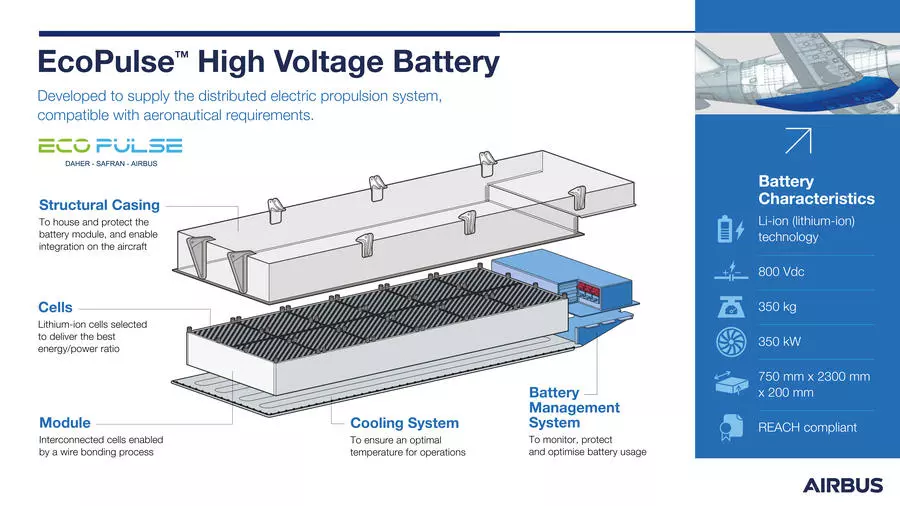
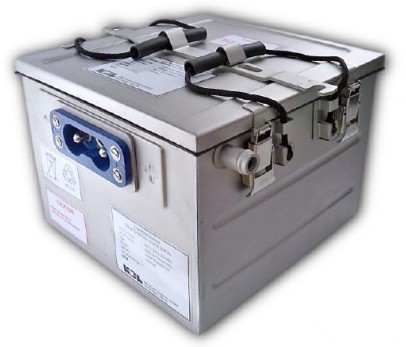
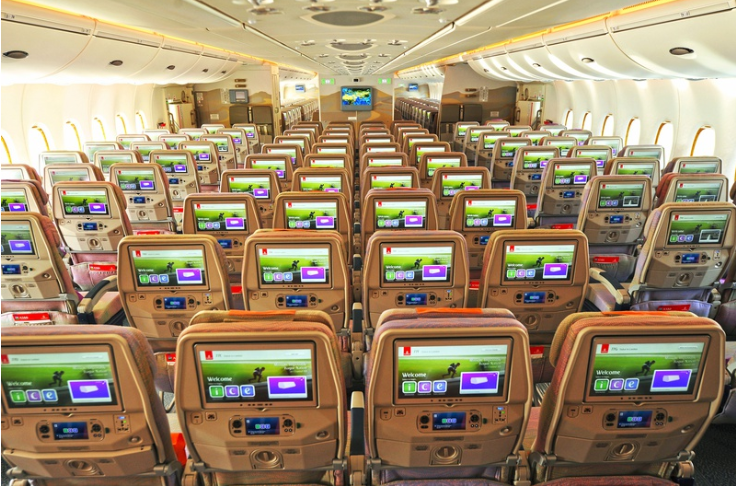
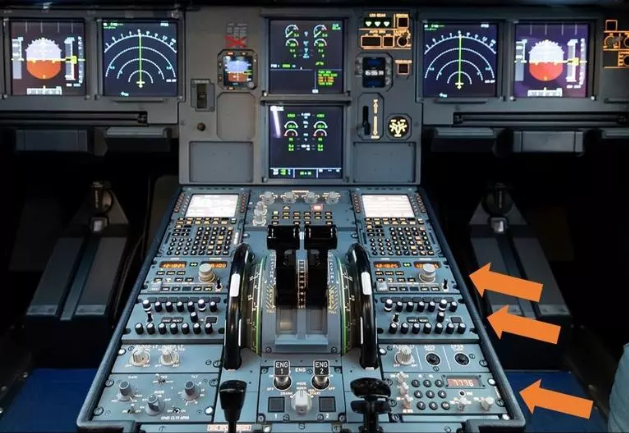
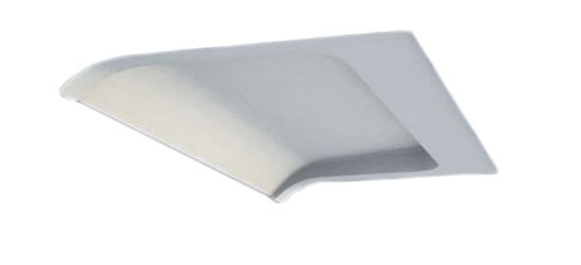
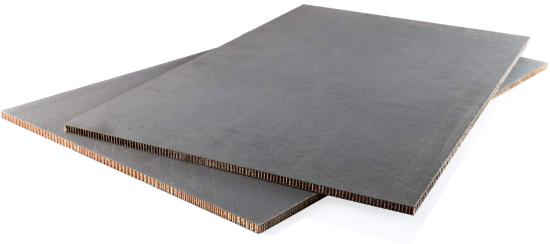
The Emirates structure and avionics workshop combines two critical elements of airplane maintenance into one, helping streamline operations by integrating the repair of the A380 fleet’s avionics systems and structural integrity. The structures and avionics workshop maintains different components that enable an aircraft’s efficient and safe operation, shown in Figures 1, 2, 3, 4, 5, and 6. For avionics, the parts maintained by Emirates engineers include batteries, engine electronic control units, entertainment systems, galley equipment, and components involved in navigation and radio communications.
Additionally, the workshop maintains computers for flight navigation and control, systems for data loading and software development, and data recorder mechanisms. For structures, the workshop keeps rigid pipes, sidewall pipes, floor panels, control cables, and ceiling panels in optimal condition (Emirates Engineering, n.d.). Furthermore, the workshop repairs metallic and composite structures, contributing to the fleet’s structural integrity.
Analysis and Discussion
Tools
ATE
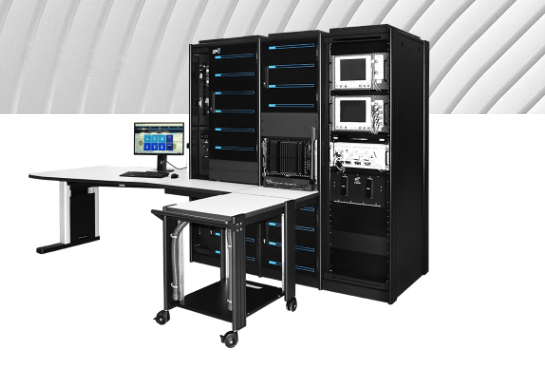
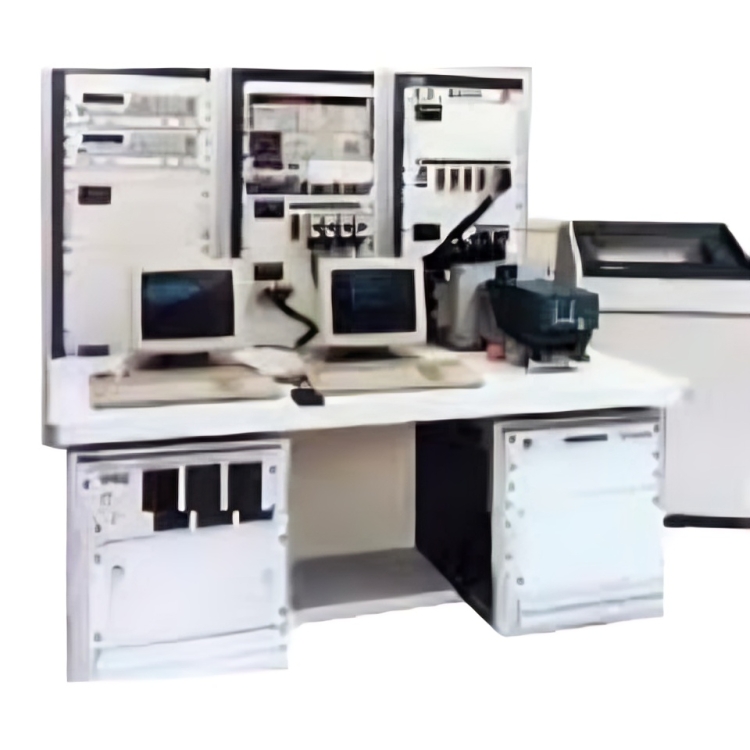
The structures and avionics workshop at Emirates has specialized equipment required for different maintenance activities within the facility, as depicted in Figures 7 and 8. A critical tool used in the workshop is a state-of-the-art ATE for avionics systems. To be specific, the workshop utilizes cutting-edge ATE variants, such as the ATEC 5000 and ATEC series 6 automated test sites. They facilitate precise, quick testing of electrical system components, expediting troubleshooting and fault detection (Emirates Engineering, n.d.). Thus, ATE ensures that essential aircraft systems remain reliable by enabling swift identification of anomalies as they occur.
Specialty Hand Tools
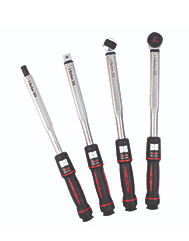
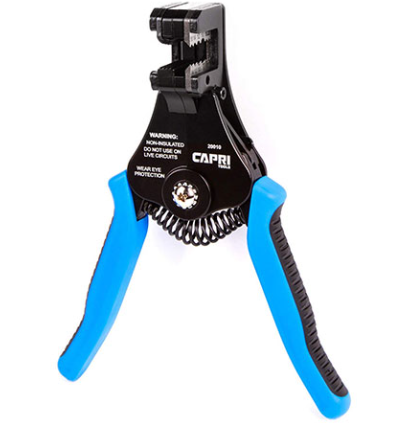
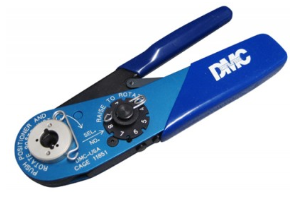
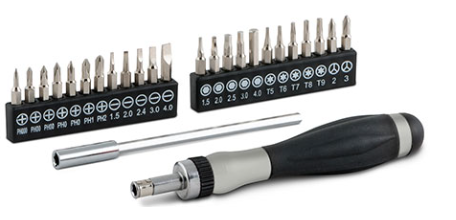
Specialized hand tools for different avionics tasks include torque wrenches, wire strippers, crimping tools, and precision screwdrivers, as shown in Figures 9, 10, 11, and 12. Precision screwdrivers help manipulate and handle fasteners and small screws in avionics parts. In contrast, wire strippers enable the precise removal of insulation from wires without damaging the conductive core, thereby enhancing the integrity of specific electrical infrastructure.
Crimping tools allow technicians to securely attach terminals and connectors to wires, minimizing the risk of failures in onboard electronics. In contrast, torque wrenches allow engineers to fasten bolts and screws with precise torque settings to prevent component damage (Sterkenburg, 2019). From meticulous wiring to intricate adjustments, specialty hand tools enable technicians to make precise repairs to damaged electrical systems and structural parts.
Diagnostic Equipment
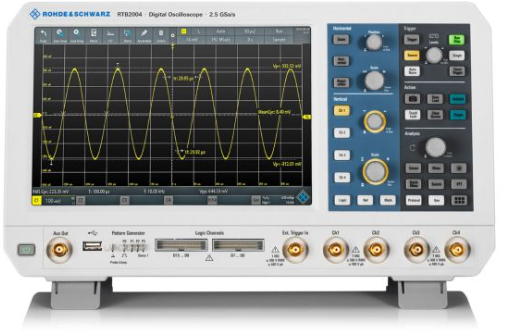
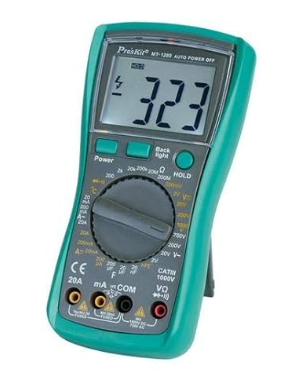
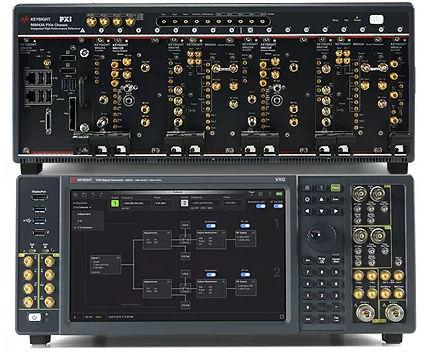
Diagnostic tools, such as signal generators, oscilloscopes, and multimeters, help troubleshoot and analyze avionics systems, as depicted in Figures 13, 14, and 15. For instance, oscilloscopes are used to visualize and evaluate real-time electrical signals, allowing technicians to pinpoint abnormal voltage waveforms. In contrast, multimeters measure different electrical parameters, such as resistance, current, and voltage, enabling detection of electrical problems. Signal generators produce accurate electrical signals with precise waveforms and frequencies (Sterkenburg, 2019). The signals help simulate operating conditions to test avionics systems’ response, verify electronic components’ performance, and identify signal transmission problems.
Sheet Metal Tools
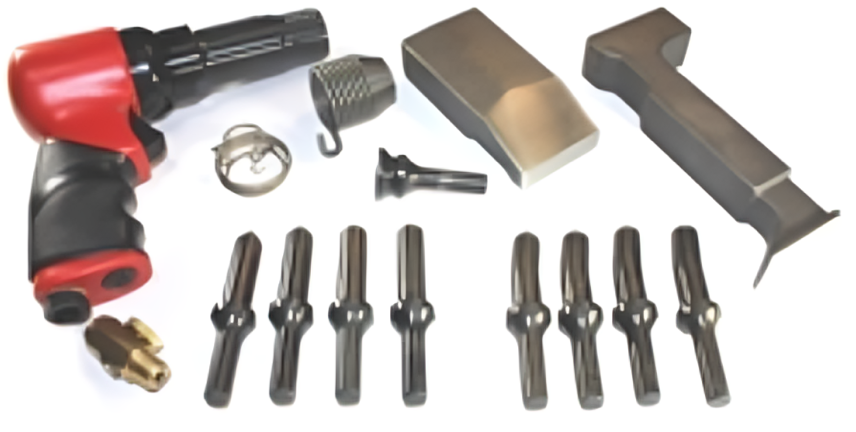
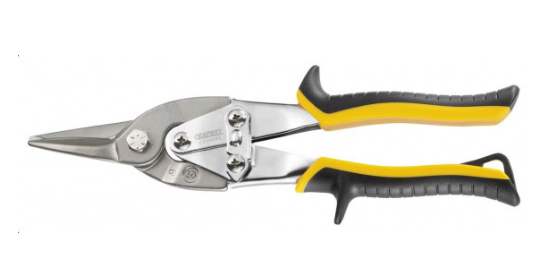
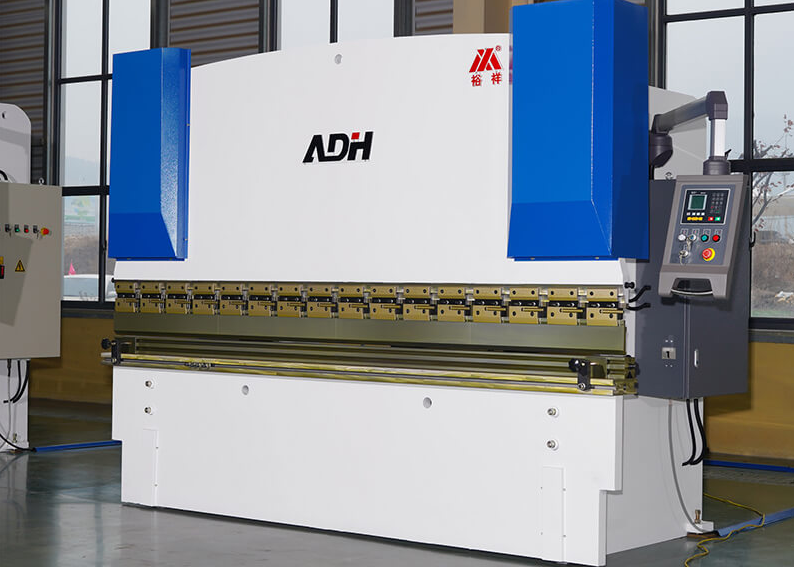
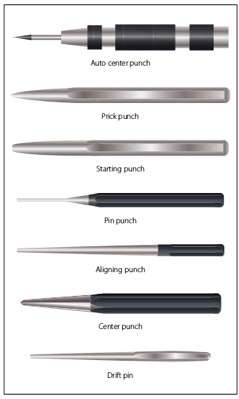
Sheet metal tools are used to repair and fabricate airline sheet metal parts. The tools include rivet guns, punches, shears, and press brakes, as shown in Figures 16, 17, 18, and 19. Shears enable precise sheet metal cutting, whereas press brakes allow Emirates engineers to form metal sheets into desired shapes and angles. In contrast, punches enable technicians to create sheet-metal indentations or holes to facilitate aircraft structural assembly. On the other hand, rivet guns simplify the processes used to fasten sheet metal components (Sterkenburg, 2019). The identified sheet metal tools empower Emirates engineers to manipulate sheet metal more efficiently and accurately.
Composite Repair Tools
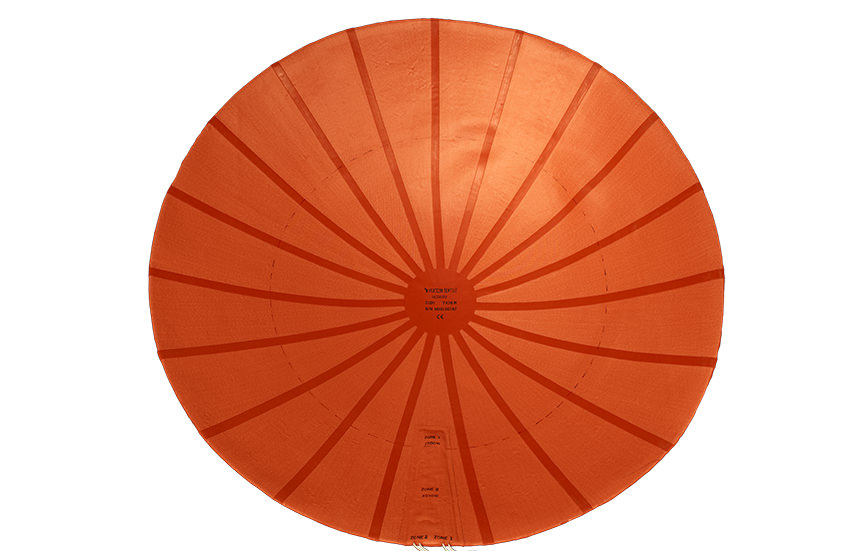
Composite repair equipment refers to the specialized tools used during the overhauling of an aircraft’s composite structures, including heat blankets, vacuum-bagging systems, and tools for composite layup. Heat blankets enable heat application to composite structures, thereby promoting effective bonding and curing, as depicted in Figure 20. Composite layup equipment facilitates the precise application of composite materials, ensuring optimal structural integrity and repair. Vacuum-bagging mechanisms enable Emirates engineers to create controlled environments for repairing composite materials by removing air and applying uniform pressure during the curing process (Sterkenburg, 2019). In essence, composite repair tools ensure that composite aircraft structures are effectively maintained and repaired, reinforcing the fleet’s dependability and safety.
Welding Tools
The welding shop within the structures and avionics workshop has specialized equipment for repairing metallic structures. The tools include TIG, spot, and MIG welders. MIG welders are used when welding thick materials, as they must be done more efficiently and faster.
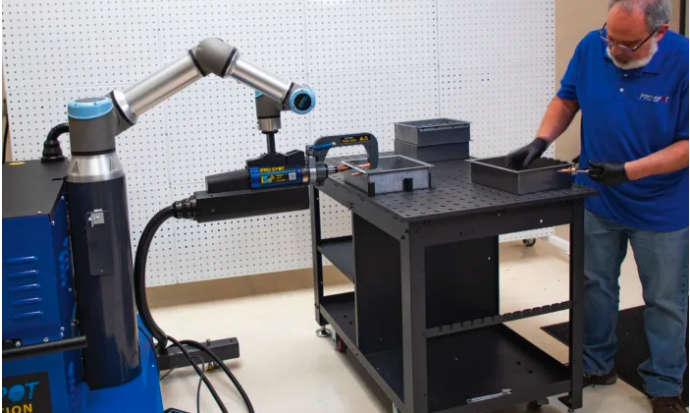
In contrast, TIG welders are necessary for high-quality, precise welds, especially on delicate, thin materials. Spot welders, shown in Figure 21, are used to create localized, strong welds in sheet metal parts, which is critical (Sterkenburg, 2019). Welding processes at the Emirates workshop are performed carefully to safeguard the structural integrity and strength of materials and to follow recommended quality standards.
Nacelle Maintenance Equipment
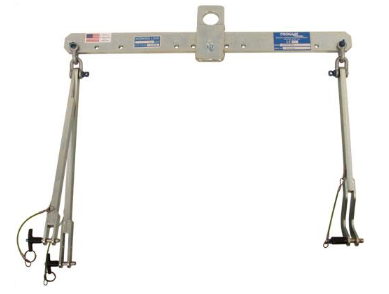
Nacelle maintenance requires specialized tools to effectively repair an airplane’s engine nacelles. Lifting fixtures provide secure attachment surfaces for hoists, facilitating the safe lowering and raising of engine assemblies. Engine hoists, depicted in Figure 22, help lift and maneuver an airplane’s engines during repair processes. Access platforms help technicians reach the nacelle’s elevated areas, enabling engineers to implement repairs and inspections easily (Sterkenburg & Wang, 2021). The specialized equipment maintains the aircraft engines’ airworthiness, ensuring reliability.
Manuals
AMM and CMM
AMM is a manual with extensive detail that serves as the basis for all maintenance activities in the structures and avionics workshop. AMM is specific to each aircraft model and provides schematics, procedures, and instructions for the repair and inspection of every airplane system and component. The structures and avionics workshop utilizes the CMM offered by Airbus. The CMM provides detailed guidance personalized to individual aircraft parts, exploring all elements (Sterkenburg & Wang, 2021). The aspects include reassembly instructions, troubleshooting, and repair procedures, all contributing to accurate diagnosis.
WDM and SRM
The WDM offers in-depth diagrams and schematics of an airline’s avionics systems. The manual allows aircraft mechanics to pinpoint wiring problems accurately. In contrast, the SRM is a specific manual used in the workshop to perform structural modifications and overhauls. The manual summarizes recommended repair procedures and strategies for different structural parts (Sterkenburg & Wang, 2021). In the structures and avionics workshop, the SRM provides comprehensive instructions for repairing and modifying metallic and composite structures.
Safety
Safety is critical in the structures and avionics workshop, as highlighted by the workshop’s adherence to PPE use, handling of hazardous materials, lockout/tag-out measures, tool control, fire safety, and regular training. Every Emirates technician must wear approved PPE during maintenance operations in the workshop to prevent injury and reduce the risk of contamination to sensitive aircraft parts. They include hearing protection, steel-toed boots, safety glasses, and gloves.
Additionally, disposing of and storing hazardous materials, including chemicals, paints, and solvents, during MRO processes in the Emirates workshop requires careful handling to reduce the risk of accidental spills and exposure. Emirates technicians must adhere to proper lockout/tag-out measures before starting any MRO operations to guarantee proper tagging and isolation of pneumatic, hydraulic, and electrical energy sources (Stolzer et al., 2023; Weerasekera, 2020). The critical step averts the unanticipated release of energy that can cause serious injuries.
Tool control, fire safety, and continuous safety audits and training are crucial elements of MRO. Tools are used to check the components to confirm that there is no equipment inside the aircraft structures after task completion. Fire safety is critical in the workshop due to the presence of flammable materials in most MRO processes, prompting engineers to receive appropriate training to respond to emergencies. In addition, the facility has systems to suppress fires if they break out, supplemented by evacuation routes with clear markings and sufficient fire extinguishers (Stolzer et al., 2023; Weerasekera, 2020). The workshop provides ongoing training on fire safety, and weekly audits are conducted to ensure the facility complies with the latest safety procedures and to pinpoint areas for improvement.
Undertaken Tasks
Activity 1
Task name: EECUs repair.
Related manual number: ATA 73-00-00.
Safety measures:
- PPE use, especially a grounding mat and a wrist anti-static strap.
- Lockout/tag-out measures for engine and electrical systems (Stolzer et al., 2023).
- Implementing safety signals and barriers within the work area (Weerasekera, 2020).
Tools used:
- ATEC series 6.
- Personalized EECU diagnostic equipment and repair tools.
- Static-safe workbench.
- Soldering equipment.
Steps undertaken:
- CMM troubleshooting steps for EECUs are reviewed.
- The diagnostic equipment and test station are effectively calibrated.
- The EECU is connected to the testing equipment, where diagnostic tests are performed to pinpoint problems.
- A disassembly of the EECU is performed in accordance with safety recommendations.
- Inspection of internal parts and replacement of defective components is conducted.
- All necessary repairs, including soldering, have been completed.
- A reassembly of the EECU is done while ensuring that every part is installed and properly aligned.
- The overhauled EECU is tested and calibrated to confirm the component’s proper functioning.
- The repair process is recorded, and necessary approvals are obtained to enable resumption of operations (Sterkenburg, 2019).
Activity 2
Task name: Floor panel repair.
Related manual number: ATA 25-60-00.
Safety measures:
- PPE use, such as respiratory protection, safety glasses, and gloves.
- Using safety signage and barricades within the work area (Stolzer et al., 2023).
- Following approved plans for handling dangerous materials.
- Proper ventilation (Weerasekera, 2020).
Tools used:
- Welding tools in case metal floor panels are used.
- Composite repair equipment is required if compound floor panels are utilized.
- Metalworking tools, such as press brakes and shears.
- Power tools, such as saws and drills.
Steps undertaken:
- The SRM is reviewed for repair procedures for the floor panel.
- The damaged part of the floor panel is disconnected from the airline.
- The surrounding structure is examined to identify any additional sections requiring MRO.
- Necessary replacements are performed using welding and metalworking tools while working with metal floor panels.
- Appropriate procedures for composite repairs, such as curing, layup, and material preparation, are done for floor panels constructed from compound materials.
- The refurbished sections of the floor panel undergo NDT.
- The aircraft structure is prepared for the floor panel fitting.
- The replaced part of the floor panel is fitted into the aircraft, with attention to proper securing systems and alignment (Sterkenburg, 2019).
- Record updates and final inspections for the airline to resume operations.
Activity 3
Task name: Ceiling panel repair.
Related manual number: ATA 25-60-00.
Safety measures:
- Wearing recommended PPE (Stolzer et al., 2023).
- Implementing safety signage and barricades within the work environment.
- Following proper ventilation.
- Safe handling of dangerous materials (Weerasekera, 2020).
Tools used:
- Metalworking tools.
- Welding tools for ceiling panels made from metal.
- Composite repair equipment for compound ceiling panels.
- Power tools.
Steps undertaken:
- A SRM review is done to confirm the permitted maintenance steps for ceiling panels.
- The damaged section of the ceiling panel is detached from the airline.
- The neighboring structures are scrutinized to pinpoint other sections that need maintenance.
- Required repairs to the metal ceiling panels should be performed in this step.
- Repair steps for compound ceiling panels, which include curing, material preparation, and layup, guide the technicians.
- The repaired section of the ceiling panel is subjected to NDT.
- The airline’s structure is prepared for the ceiling panel refitting.
- The overhauled part of the ceiling panel is fitted into the aircraft structure to ensure it is effectively secured and aligned (Sterkenburg, 2019).
- Final checks and records are implemented, enabling the airline to resume operations.
Conclusion
The Emirates Airlines structures and avionics workshop is a critical facility that helps maintain the fleet’s operational readiness and airworthiness. The report explores the workshop’s important tools, safety measures, manuals, and tasks. Tools focus on structure, such as welding machines, and avionics like the ATEC series 6. Safety procedures may include PPE use, fire safety procedures, continuous safety audits and training, and handling of dangerous materials.
Emirates technicians at the workshop follow guidelines from the AMM, CMM, WDM, and SRM for detailed MRO tasks. The tasks discussed include repairs to ceiling panels, EECUs, and floor panels. However, the industrial training report is limited by the lack of on-site practice. To mitigate the challenge, future training should focus on developing more simulations and enhanced training programs to better visualize acquired knowledge.
References
AAB Tools. (2020). Aircraft shears straight cut comfort handle.
ADH Machine Tool. (2024). Guide to Press Brakes and CNC Bending – ADH Machine Tool.
Air Sky Store. (n.d.). Boeing 737-200 ceiling panels.
Airbus. (2020). Cockpit communication.
Airbus. (2022). Airbus’ high-voltage battery technology prepares for EcoPulse flight test and beyond.
Aircraft Spruce. (n.d.). Little blue crimper.
Aircraft Tool Supply. (2024a). Precision wire stripper.
Aircraft Tool Supply. (2024b). Ratcheting precision screwdriver.
Amazon.com. (n.d.). Aircraft tool supply heavy duty digital multimeter.
Aquiline-Aero. (n.d.). NCSP B 23060 LM for Airbus A320 Series – nickel cadmium aircraft battery.
AvionTEq. (2022). AEDS/Airbus ATEC 5000 automated test set PN: ATEC5000.
Brown Aviation Tool Supply. (2023). 15 piece riveting kit with SIOUX 4X rivet gun.
Emirates Engineering. (n.d.). Overhaul workshops.
Emirates. (2019). Emirates introduces new generation in-flight entertainment system.
Fred, M. N. (2023). Types of punches and their uses. Apex Tool Company Inc.
Heatcon. (n.d.). HC0693 – heat blanket B787 radome inner.
Keysight. (2024). Signal generators and signal sources.
Norbar Torque Tools. (2024). Torque wrenches.
Rohde & Schwarz. (n.d.). R&S®RTB2000 oscilloscope.
SAE Media Group. (2023). A cobot spot welder promises ergonomic safety and productivity gains. Tech Briefs.
Satair. (2022). Flooring it: What options are available for aircraft floor panels?
Spherea. (n.d.). ATEC® series 7.
Sterkenburg, R. & Wang, P.H. (2021) Standard aircraft handbook for mechanics and technicians (8th ed.). McGraw-Hill Education.
Sterkenburg, R. (2019). Aircraft maintenance & repair (8th ed.). McGraw-Hill Education.
Stolzer, A.J., Sumwalt, R.L. & Goglia, J.J. (2023). Safety management systems in aviation. CRC Press.
Tronair. (n.d.). Power plant (ATA-71)/engine hoists and slings/engine slings.
Weerasekera, S. (2020). Introduction to maintenance, repair and overhaul of aircraft, engines and components. SAE International.