
Abstract
Social media (SM) has a significant and widespread impact on how people view their bodies and beauty standards in the fields of art and design today. This essay critically analyzes this effect, emphasizing how SM platforms transmit unattainable beauty standards that cause generalized unhappiness among users. Moreover, it delves into theoretical frameworks within modern design and art to elucidate the intricate dynamics of visual culture in the digital age. By exploring gaze theory, semiotics, user-centered design concepts, postmodern ideologies, and critical theory, the paper aims to unravel the mechanisms by which SM shapes and perpetuates standards of beauty.
The research explores the wider social consequences of SM in reinforcing harmful stereotypes and structural inequalities. It also considers how SM influences perceptions of beauty and affects economic activity, particularly in industries such as fashion and cosmetics, where unrealistic beauty ideals are commonly promoted. Despite these obstacles, the need for reform is increasingly acknowledged.
Together with programs that support variety and authenticity in beauty standards, policies, and laws that target harmful material represent a cooperative effort to create a more affirming and welcoming atmosphere. Ultimately, by critically analyzing SM content and advocating for constructive change, individuals, organizations, and policymakers can work together to cultivate more positive views of beauty and self-worth in contemporary society.
Introduction
SM platforms have an unparalleled impact on how people perceive beauty and body image in today’s culture, shaping both individual self-conceptions and cultural standards. This effect is most noticeable in the fields of art and design, where artists must balance aesthetics, identity, and cultural expectations. This article explores the societal, psychological, and economic aspects of SM’s multidimensional influence on body image judgments and beauty standards.
SM has a significant impact on industrial practices and wider societal narratives, influencing everything from the propagation of damaging stereotypes to the promotion of unattainable beauty standards. The purpose of this article is to shed light on the intricacies of the debate around modern beauty and its consequences for the art and design disciplines by examining a range of scholarly viewpoints and advocacy initiatives. In a digital age characterized by curated images and idealized beauty standards, there is a desire to explore ways to promote diversity, inclusion, and authenticity through critical analysis and reflection.
Theoretical Frameworks in Contemporary Art and Design
Exploration of Gaze Theory and Its Relevance to Contemporary Visual Culture
Examining the applicability of gaze theory to modern visual culture reveals how SM shapes our conceptions of beauty. Gaze theory, dating back to scholars such as Perc (2020), analyzes the power dynamics in visual consumption and is essential to understanding media representations. Gaze theory explains the formation and dissemination of beauty standards in the digital era, when images are constantly posted on SM platforms.
By examining SM representations closely, scholars analyze the underlying cultural norms that shape values. It further explores how racial and gender intersections affect people’s perceptions in digital environments (Perc, 2020). By utilizing gaze theory, one may gain a greater understanding of how SM shapes and perpetuates standards of beauty.
Application of Semiotics in Decoding Visual Messages and Symbols in Digital Imagery
Digital imagery’s many layers of meaning may be revealed through semiotics, which deciphers its visual signals and symbols. The study of semiotics, developed by thinkers such as Saussure and Pierce, analyzes signals and their interpretation; this is important for comprehending visual language (Travere, 2023). Semiotics is essential to deciphering the meanings underlying each visual aspect in the digital world, where photos are shared on SM feeds. Researchers decipher the underlying meanings sent by digital graphics by examining colors, forms, and symbols.
Examination of User-Centered Design Principles and Their Impact on SM Interfaces
The significant influence of user-centered design concepts on SM interfaces may be revealed through analysis. These ideas, which are based on an awareness of user preferences and demands, direct the development of user-friendly and captivating platforms (Azar, Cox, and Impett, 2021). Designers create interfaces that easily fit into consumers’ daily lives by prioritizing usability, accessibility, and user happiness. SM platforms improve user experience and promote extended engagement by including features such as tailored feeds, straightforward navigation, and interactive aspects.
Analysis of Postmodern Theories and Their Implications for Understanding Digital Aesthetics
Postmodern ideas shed light on digital aesthetics and their impact on current design and art. They promote the dismantling of conventional aesthetic conventions, which results in a more varied and disjointed visual environment (Wiggins, 2024). In digital art and design, postmodern viewpoints question the distinctions between high and low culture, authenticity and simulation, and the real and the hyperreal. Digital aesthetics subvert linear narratives and conventional ideas of beauty by embracing pastiche, sarcasm, and historical imagery, expressing the richness and diversity of modern society (Wiggins, 2024). An individual can better grasp how digital technologies influence creative practices and cultural perceptions by drawing on postmodern ideas, which open new avenues for creative expression in design and art.
SM’s Role in Reinforcing Unrealistic Beauty Ideals

Influencer Culture and Curated Content
Modern conceptions of beauty are greatly influenced by SM influencer culture. Influencers—people with substantial internet followings—often showcase well-chosen photos and lives that uphold particular ideals of beauty (Figure 1). These influencers work with companies to promote their products, helping spread the message that a specific way of looking is both desired and achievable through materialism (Sims, 2023). Millions of followers are influenced to strive for ideals by carefully chosen material that presents an image of perfection.
Promotion of Unattainable Standards
Influencers frequently promote beauty standards that are out of reach for the average person through their carefully curated content. These norms create an unattainable goal that many users aspire to, whether it is a beautiful complexion, ideal body proportions, or an opulent lifestyle (Sims, 2023). But because these carefully chosen photos are sometimes the result of expert editing, skilled shooting, and even cosmetic surgery, the truth behind them is often hidden. Users may therefore have irrational expectations about how they look, leaving them feeling inadequate and unsatisfied.
Impact on Individual Perceptions and Self-Conceptions
The perceptions individuals hold of themselves can change significantly due to the widespread influence of influencer culture and curated content on SM platforms. Continuous exposure to idealized depictions of beauty can distort people’s understanding of reality, prompting unfavorable comparisons with the flawless images they encounter online (Sims, 2023). Those who frequently compare themselves to others may experience diminished self-esteem and harbor negative self-perceptions, feeling compelled to conform to unrealistic beauty norms to gain acceptance or respect.
Culture of Comparison and Its Psychological Effects
The environment of comparison cultivated by SM platforms intensifies the psychological impact of encountering exaggerated beauty ideals. A study by Sims (2023) indicates that prolonged engagement with specific SM content correlates with heightened levels of dissatisfaction with one’s body and diminished self-esteem, especially among younger demographics that are particularly vulnerable to the adverse effects of SM. Scrolling through social feeds inundates individuals with images portraying seemingly flawless bodies and lifestyles, triggering feelings of inadequacy and self-awareness.
Sociocultural Implications of SM’s Influence on Beauty Standards
Promotion of Homogeneous Representations of Beauty
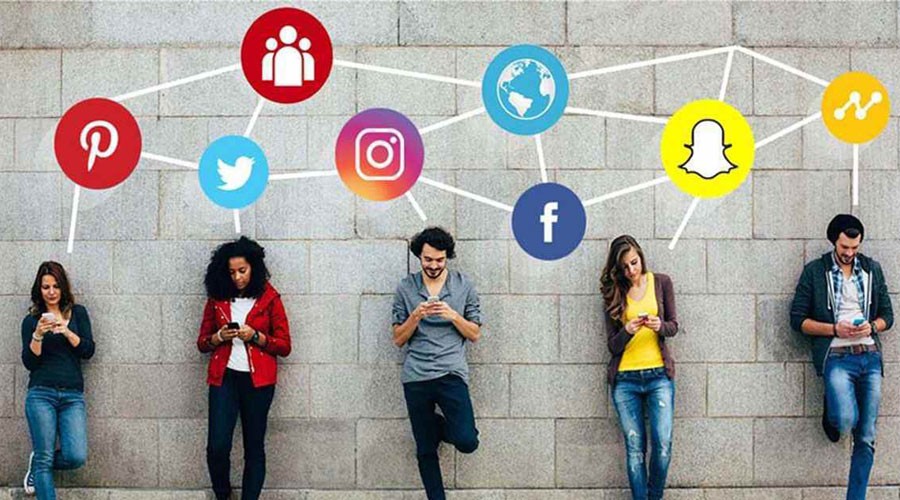
Social networking platforms often promote homogenous conceptions of beauty, emphasizing some physical attributes over others. Because this narrow definition of beauty excludes those who don’t fit these predetermined criteria, those whose appearances deviate from the norm may feel inadequate and ostracized (Sims, 2023). The belief that there is only one acceptable level of beauty is reinforced by the pervasive transmission of uniform beauty standards on SM, which further marginalizes different bodies and identities.
Marginalization of Diverse Bodies and Identities
The SM reinforcement of universal beauty standards further marginalizes diverse bodies and identities. People who don’t fit traditional beauty standards often face bias and discrimination because they are frequently left out of media and advertising portrayals of beauty, both online and offline (Sims, 2023). As a result, marginalized people might find it difficult to balance their own identities with the constrictive norms that SM promotes, which could seriously impair their mental health and self-worth.
Reinforcement of Harmful Stereotypes and Systemic Inequalities
SM’s impact on beauty standards feeds into negative preconceptions and keeps societal injustices alive. SM reinforces racial, gender, and other identity-related prejudices by endorsing norms that place a premium on some physical characteristics over others (Hallila, H., 2023). By maintaining the hierarchies and power structures that already exist, the propagation of damaging stereotypes both marginalizes people who do not fall into these specific categories and contributes to systemic inequality.
Intersectionality of Beauty Standards with Race, Gender, and Identity
SM beauty standards often overlap with gender, ethnicity, and other identity markers, resulting in complex, multidimensional expectations for individuals. For instance, compared to white women, women of color may have quite different standards of beauty, with certain groups elevating some physical characteristics while marginalizing others (Le, Kuo, and Yamasaki, 2020). Similarly, conventional ideas of masculinity may influence men’s ideals of beauty, favoring some physical characteristics over others. People whose identities do not conform to popular beauty standards may feel inadequate and alienated by these conflicting standards.
Economic and Industry Implications of SM’s Influence
Use of SM in Marketing and Advertising
SM’s promotion of fierce competition can be detrimental to people’s general and mental health. Especially in fields where appearance matters, such as fashion and entertainment, people could feel pressure to maintain certain beauty standards to remain relevant and competitive (Tajvidi and Karami, 2021). Internalizing unattainable beauty standards and comparing oneself to others can lead to low self-esteem and feelings of doubt and worry. Furthermore, the unrelenting quest for perfection can hurt mental health, resulting in signs of exhaustion, burnout, and other illnesses linked to stress.
Economic Pressure to Conform to Idealized Beauty Standards
The extensive effect of SM on beauty standards puts economic pressure on people to adhere to idealized beauty norms. According to Tajvidi and Karami 2021, in businesses such as fashion, cosmetics, and entertainment, success and exposure are frequently determined by one’s ability to achieve these criteria. As a result, individuals may feel driven to invest in goods, treatments, and lifestyle choices that align with current beauty norms to remain competitive in their respective careers. This economic pressure may affect people’s mental health and well-being as they manage the demands of a profession that values appearance above aptitude and expertise.
Impact on Creative Industries such as Fashion, Cosmetics, and Entertainment
The influence of SM on beauty standards has significant implications for creative industries, including entertainment, fashion, and cosmetics. For these firms to draw clients and turn a profit, aesthetic appeal and visual representation are crucial (Tajvidi and Karami, 2021). Because of this, they have a significant influence on how cultural beauty standards are established and disseminated through business, advertising, and media depictions. Nonetheless, the pressure to meet idealized beauty standards may stifle originality and inhibit the exploration of many forms of beauty, leading to a dearth of diversity and inclusivity in advertising and the media.
Hyper-Competitive Environments and Mental Health Consequences
People’s overall well-being and mental health may suffer as a result of the intense competition that SM fosters. Individuals employed in industries such as fashion and entertainment, where physical appearance is crucial, may experience pressure to uphold a particular standard of beauty to remain relevant and competitive (Tajvidi and Karami, 2021). When people internalize artificial beauty standards and make negative comparisons to others, they may experience anxiety, uneasiness, and low self-esteem. Furthermore, pursuing perfection can be mentally taxing, increasing the risk of burnout, tiredness, and other stress-related diseases.
Psychological Effects of SM on Body Image and Well-being
Correlation between SM Use and Mental Health Issues
SM use and mental health issues, especially those related to body image and general well-being, have been linked in several studies. Overindulgence in SM material, especially that which prioritizes physical attractiveness and beauty, has been linked to higher rates of anxiety, depression, and other mental health conditions (Jarman et al., 2021). Extended exposure to exaggerated representations of beauty might increase emotions of inadequacy and discontent, hence worsening poor self-perception and psychological suffering.
Heightened susceptibility to anxiety, depression, and eating disorders
Anxiety, sadness, and eating disorders are risks associated with heavy SM usage. Mu and Wu (2020) claim that anxiety and a decline in self-confidence in one’s physical appearance might result from the pressure to meet unattainable beauty standards that SM pushes. Furthermore, folks who engage in destructive comparison behaviors may feel inadequate and self-conscious as a result of unfavorably comparing their own lives and bodies to those of others who appear to have flawless lives.
Pressure to Conform to Unrealistic Beauty Ideals and Its Impact on Self-esteem
SM platforms frequently promote unrealistic beauty ideals, putting pressure on individuals to comply with these standards to feel accepted or appreciated. Constant exposure to curated content featuring immaculate physiques and airbrushed features might distort one’s perception of reality, leading to erroneous expectations about one’s appearance (Musetti, Schimmenti, and Corsano, 2021). This pressure to adhere to unattainable beauty norms can hurt self-esteem, as people internalize these standards and severely condemn themselves for perceived flaws.
Pervasive Nature of SM and Feelings of Isolation and Loneliness
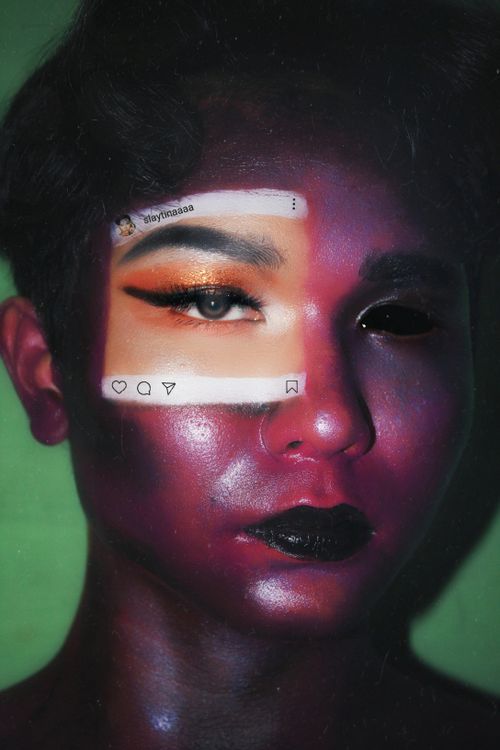
SM platforms, although designed to foster connections, can often lead to feelings of loneliness and isolation. People present idealized images of themselves and their lives online, and the selective nature of SM information can lead to a misleading perception of reality (Jarman et al., 2021). When people contrast their lives with the well-staged pictures and stories of others, they might feel inadequate and alone (see Figure 2). Moreover, persistent pressure to maintain a certain online persona can sabotage sincere relationships and foster feelings of alienation and loneliness.
Advocacy and Challenges in Promoting Positive Body Image
Initiatives to Challenge Dominant Beauty Narratives on SM
In an effort to challenge the pervasive beauty standards promoted by SM, several initiatives have been launched. These groups aim to question traditional views of beauty and embrace a range of beautiful expressions to promote self-acceptance, body positivity, and inclusivity (Stevens and Griffiths, 2020). Through hashtag campaigns, internet activism, and efforts to ensure more diverse bodies and identities are represented in media and advertising, people and groups are taking back control of their stories.
Calls for Greater Representation and Inclusivity in Media and Advertising
The need for inclusiveness and diversity in standard beauty has led more and more people to call for change in the media and advertising. Supporters contend that people of different identities, sizes, forms, and genders should be respectfully portrayed in the media (Stevens and Griffiths, 2020). Advertising and the media have the power to question narrow standards of beauty and foster an atmosphere that is more affirming and welcoming to all people by presenting a variety of viewpoints and experiences.
Advocacy for Diversity and Authenticity in Beauty Standards
Proponents of inclusive beauty standards and good body image encourage honesty and diversity in media representations. They contend that qualities such as personality, character, and uniqueness should be considered aspects of beauty alongside physical attributes (Stevens and Griffiths, 2020). These proposers hope to defy social standards and encourage people to embrace their individuality by showing a range of body shapes, skin tones, and abilities in entertainment and advertising. The ultimate objective is to build an inclusive and tolerant society where each person is treated with respect and feels heard.
Policy and Regulatory Measures to Address Harmful Content and Promote Positive Body Image
There is a growing understanding of the importance of legislative and regulatory measures to combat harmful information and promote positive body image on SM platforms. Calls for stronger regulation of advertising and marketing activities, particularly those that promote unattainable beauty standards or perpetuate damaging stereotypes, have grown in recent years (McComb and Mills, 2021). Furthermore, there is growing support for policies that foster digital and media literacy, empowering people to engage with media representations and question prevailing beauty narratives critically.
Conclusion
SM has a profound and wide-ranging influence on how people view their bodies and what is considered beautiful in the arts and design today. This essay has examined this impact critically, focusing on how SM platforms propagate unrealistic beauty standards, leading to significant user dissatisfaction. It has looked at several theoretical frameworks in modern design and art to make sense of the complex dynamics of visual culture in the digital age. This research examines how postmodern ideologies, gaze theory, semiotics, user-centered design principles, and critical theory perspectives shape and uphold standards of beauty in social media. Additionally, it has been highlighted how crucial user preferences and variety are to the design of social media interfaces, with a special focus on how these elements influence user interaction and engagement.
The article has explored the broader societal ramifications of SM’s role in maintaining unfavorable perceptions and structural injustices. It has examined how SM shapes people’s views of beauty and how it affects different industries, especially fashion and cosmetics, where high standards for unattainable beauty prevail. Notwithstanding these obstacles, the need for reform is increasingly acknowledged. Policies and laws addressing harmful material, in conjunction with programs that support diversity and authenticity in beauty standards, reflect a cooperative endeavor to cultivate a more affirming and inclusive environment.
People, groups, and legislators may work together to foster more positive perceptions of beauty and self-worth in modern society by critically evaluating SM material and advocating for positive change. It is feasible to cultivate a culture that embraces authenticity and variety by deliberately questioning artificial beauty standards and advancing inclusion. This will ultimately enable people to accept their distinct identities and reshape society’s standards of beauty.
Reference List
Azar, M., Cox, G. and Impett, L. (2021) ‘Introduction: ways of machine seeing‘, Ai & Society, 36, pp.1-12.
Chen, T. et al. (2020) ‘Occidentalisation of beauty standards: eurocentrism in Asia’, International Socioeconomics Laboratory, 1(2), pp.1-11.
Hallila, H. (2023) ‘Deconstructing layers of luxury, branding and cultural production: insights into the value of art, beauty & fashion’, LAB University of Applied Sciences.
Jarman, H. K. et al. (2021) ‘Social media, body satisfaction and well-being among adolescents: a mediation model of appearance-ideal internalization and comparison’, Body Image, 36, pp.139-148.
Le, T.P., Kuo, L. and Yamasaki, V. (2020) ‘Gendered racial microaggressions, feminism, and Asian American women’s eating pathology: an intersectional investigation’. Sex Roles, 83(3), pp.127-142.
McComb, S.E. and Mills, J.S. (2021) ‘Young women’s body image following upwards comparison to Instagram models: the role of physical appearance perfectionism and cognitive emotion regulation’, Body Image, 38, pp.49-62.
Mu, W. and Wu, F. (2020) ‘Blossoming for whom? Social approval and body image. In M. P. Levine and J. S. Santos (eds.), Beauty-Cosmetic Science, Cultural Issues and Creative Developments. IntechOpen.
Musetti, A., Schimmenti, A. and Corsano, P. (2021) ‘Mass media influences on body image and body esteem in female adolescents: the mediating role of hopeful future expectations’, Atlantic Journal of Communication, 29(4), pp.189-201.
Perc, M. (2020) ‘Beauty in artistic expressions through the eyes of networks and physics‘, Journal of the Royal Society Interface, 17(164).
Sims, D. (2023) ‘The impact of social media on today’s Beauty standards,’ LinkedIn.
Stevens, A. and Griffiths, S. (2020) ‘Body positivity (# BoPo) in everyday life: an ecological momentary assessment study showing potential benefits to individuals’ body image and emotional wellbeing’, Body Image, 35, pp.181-191.
Tajvidi, R. and Karami, A. (2021) ‘The effect of social media on firm performance‘, Computers in Human Behavior, 115.
Travere, A. (2023) ‘The interplay of signs and visuals: unveiling the symbiotic relationship between semiotics and visual communication’, Journal of Linguistics and Communication Studies, 2(3), pp.28-40.
Wiggins, B.E. (2024) ‘The backrooms and liminal spaces: explorations of a digital urban legend’, New Media & Society.