
Introduction
In today’s era of globalization and modernization, green spaces in urban areas are increasingly becoming important in the city planning process. The importance of urban green spaces has been particularly crucial in enhancing mental health and well-being. To meet residents’ growing demands, governments are designing sustainable and smart cities for urban transformation, but this development may result in green space reduction.
The presence of natural settings in urban areas is proposed to improve mood, reduce stress and anxiety levels, and increase social cohesion. Furthermore, mental wellness plays a part in productivity, performance, and societal progress, which are crucial for urban growth and development. However, urbanization and green space reduction have adverse effects on psychological health and well-being. Prioritizing initiatives that improve mental health through revamping urban green spaces is essential to ensuring people’s well-being.
Urban Growth and Green Space Reduction
The world is becoming increasingly globalized and urbanized with ongoing transformations at every level. Today, the majority of the global population resides in urban areas, with a projected increase in the future (Mucci et al. 2; Namwinbown et al. 1). As more people live outside their country of birth, cities become more diverse since they attract different nationalities and ethnicities.
The movement into urban areas is particularly led by young people seeking opportunities that meet their needs. Cities account for the larger share of national economies and, as such, compete for talent and investment. They play a fundamental role in the economic, social, cultural, and political evolution of nations.
Urban resilience and inclusiveness play a role in these growth trends. Allowing varying religious, ideological, and racial identities to co-exist without becoming fragmented motivates people to move to such regions. Similarly, urban regions often respond effectively to disruption and unprecedented events to ensure there is minimal impact on inhabitants, as evidenced by how different places responded to the COVID-19 pandemic (Janeczko et al. 1). However, urbanization has been a major contributor to green space reduction. Sustainable development relies on the successful management of urbanization in developed and developing countries.
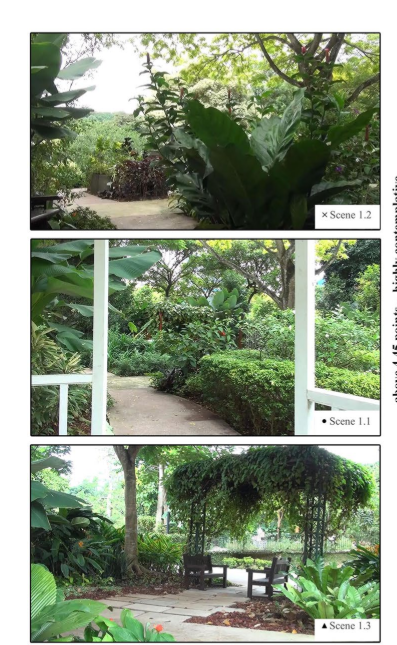
Green spaces support livable environments in various ways, from aesthetic enjoyment to ecotourism. Namwinbown et al. defined green spaces as land covered with natural elements and vegetation (1). Gardens, grasslands, parks, wetlands, and forest patches are examples of green spaces widely found in urban environments (Figure 1).
Urban green spaces assist in carbon storage, microclimate regulation, air purification, flood management, provide a cooling effect, and serve as a natural drainage system (Namwinbown et al. 1). In some urban areas, green spaces allow for a continued supply of wildlife resources, which promotes biodiversity. Most importantly, green spaces are invaluable resources for mental health and well-being.
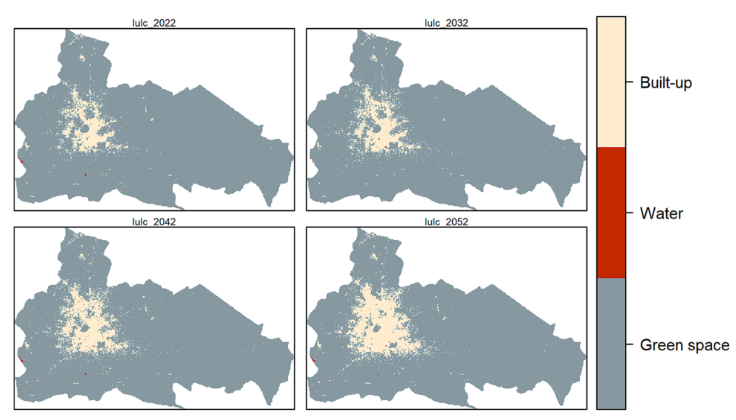
Despite the advantages, green spaces are declining dramatically, occupying smaller proportions of most urban areas (see Figure 2). The fragmentation of green spaces due to unplanned development and rapid urbanization can potentially destroy natural animal habitats and associated resources. Namwinbown et al. argued that this impedes human well-being and several environmental problems (2). Urbanization changes the built environment that was previously a rural settlement into an urban one, redistributing populations. However, the loss of green spaces compromises the stability of existing ecosystems.
Impact on Mental Health
Sustainable and green spaces have wide applications in improving residents’ mental health. In Europe, at least 125 million people are exposed to road traffic, which is a primary cause of perceived annoyance for approximately 20 million citizens (Mucci et al. 2). The lack of green spaces increases people’s stress and anxiety levels. Approximately 40,000 people out of 8 million inhabitants have sleeping disorders. 300 million individuals suffer from anxiety, which is mediated by the impairment of the sympathetic and central nervous systems (Mucci et al. 2).
Furthermore, neurological instability and behavioral disturbances can elevate anxiety. Mucci et al. found that air pollution contributed to difficulty reading among 8000 children in Europe, and prolonged exposure may result in hearing loss and affect the cardiovascular, nervous, and gastrointestinal systems (2). Noise aggravates conditions related to chronic stress, elevating anxiety.
Exposure to nature affects psychological health through oxidative stress. Urban areas with greening spaces support the engagement of outdoor and social practice activities, reducing people’s anxiety and stress while increasing social cohesion and well-being. Spending time in nature or a green environment reduces cortisol levels, a stress hormone, fostering well-being, relaxation, and happiness.
Apart from stress and anxiety, green settings help regulate mood and emotions. As per the Attention Restoration theory, nature scenes play a critical role in replenishing depleted attention capacity and promoting emotional regulation (Olszewska-Guizzo et al. 1). Wang et al. asserted that mood and states, including happiness, loneliness, sadness, quality of life, and a sense of purpose, were important identifiers of emotional health (2). Their study revealed that nature visits improved self-esteem, mood, and overall well-being.
Green spaces support leisure activities such as interaction, walking, outdoor sports, and social contact. People often prefer to go to nature for outdoor activities, inducing their feeling of vitality and subjective restoration. Chen et al. found that residents living in green urban areas had higher life satisfaction and improved overall mental well-being (7). The psychological benefits include calmness, improved attention, enhanced focus and cognitive performance, reduced loneliness, and increased confidence and self-esteem. However, reduced green space due to urbanization can increase the risk of mental health issues and reduce the quality of life due to environmental factors and stress. People need to feel close to nature for rejuvenation and to strengthen their mental and physical health.
Coping Mechanisms and Solutions
Green spaces are increasingly becoming important in an urbanized world. Vegetation filters particular matter, such as carbon monoxide and nitrogen dioxide, from the air, reducing air pollution. Similarly, noise pollution adversely affects people’s well-being by causing anxiety and stress.
Furthermore, mental health issues can result in poor relationships with friends, family, and peers, residential instability, and unemployment. These adverse situations warrant the need for increasing access to green spaces in urban areas. Legislative Decree 194/2005 implemented a directive that defined the procedures of competence for green spaces (Mucci et al. 2).
Access to natural settings provides long-term health benefits and environmental and social gains. Implementing innovative ways of creating more urban green spaces, such as identifying areas for an urban park or garden, can help increase access. For example, an unused parking lot can be converted into a garden, providing an area for outdoor activities and socialization. In addition to creating new green spaces, improving existing natural settings, such as enhancing lighting and security, planting more trees, and establishing resilient programs for maintaining green spaces, can enhance access. Nonetheless, how green urban spaces are designed and managed has a significant impact on those who use these settings.
Employing robust urban planning strategies is essential to incorporating green spaces. Some of these interventions for urban green space planning include preserving the natural environment, enhancing the quality of existing spaces, greening places lacking natural elements, and ensuring sufficient allocation to enhance visibility. Nature influences several social aspects, from health to education. Therefore, the integration of green spaces should be involved in urban planning processes, including laws and regulations that ensure the protection and preservation of natural settings (Namwinbown et al. 9).
Actively engaging with the community during this process is crucial to identify what could work best. Additionally, involving community members during the planning phase promotes sustainable decisions and practices. It will help ensure transparency of decisions made regarding building green spaces and improve the overall efficiency of implemented strategies. Community initiatives such as providing safe public green spaces for socialization, promoting mental health awareness, and tailoring efforts can be instrumental in promoting mental health in urban environments. Setting the standard for community empowerment and participation would make the integration of green initiatives easier.
Conclusion
The rapid rise of urbanization has resulted in a reduction in green spaces, impacting mental health and well-being. Urban green spaces provide services that significantly benefit residents, but increasing urbanization is generating the loss of natural settings and consequently negatively affecting the ecosystem. Promoting sustainable environments through strategic urban planning is essential in improving overall well-being.
However, more emphasis on prioritizing mental health in urban green space planning is imperative. Further research is needed to provide evidence-based suggestions on effective strategies for improving natural settings in urban areas and their correlation with mental health for the residents. Green spaces play important roles in social, environmental, and economic aspects of sustainable urban development, and a holistic approach to restoring these urban areas is crucial to improving the overall quality of life.
Works Cited
Chen, Kaili, et al. “How Does Urban Green Space Impact Residents’ Mental Health: A Literature Review of Mediators.” International Journal of Environmental Research and Public Health, vol. 18, no. 22, 2021, pp. 1-27.
Janeczko, Emilia, et al. “The Psychological Effects and Benefits of Using Green Spaces in the City: A Field Experiment with Young Polish Adults.” Forests, vol. 14, no. 3, 2023, pp. 1-13.
Mucci, Nicola, et al. “Urban Noise and Psychological Distress: A Systematic Review.” International Journal of Environmental Research and Public Health, vol. 17, no. 18, 2020, pp. 1-22.
Namwinbown, Tony, et al. “Patterns of Green Space Change and Fragmentation in a Rapidly Expanding City of Northern Ghana, West Africa.” City and Environment Interactions, vol. 21, 2024, pp. 1-11.
Olszewska-Guizzo, Agnieszka, et al. “Features of Urban Green Spaces Associated with Positive Emotions, Mindfulness and Relaxation.” Scientific Reports, vol. 12, no. 1, 2022, pp. 1-13.
Wang, Jinsong, et al. “The Health Perception of Urban Green Spaces and its Emotional Impact on Young Adults: An Empirical Study from Three Cities in China.” Frontiers In Public Health, vol. 11, 2023, pp. 1-10.