Introduction
The hemp industry is a complex and dynamic environment that is constantly changing its rules. In it, the nuances of the law complicate the availability of products such as hexahydrocannabinol (HHC). HELD CBD is at the forefront of the hemp industry and embodies the resilience needed to adapt to an ever-changing regulatory landscape.
It is worth considering in more detail the intricacies of the company’s strategic entry into the broader European HHC market. Against the backdrop of various European Union countries, including Ireland, Luxembourg, Germany, the Czech Republic, Spain, and Italy, the central question propelling this research is: “Which are the top three European Union countries where HELD CBD can most effectively enter and establish a market presence for its HHC products?” The objective and professional comparison reveals that Luxembourg, Germany, and Italy are the most preferred countries for HELD CBD’s international expansion.
Legal Status of HHC
The Uppsala Model
The Uppsala model is known for its relevance in international business. It serves as the basis for the methodology and emphasizes the gradual accumulation of market knowledge and internationalization experience. The current perspective on the business environment sees it as a network of relationships rather than a neoclassical market characterized by numerous independent suppliers and customers (Johanson & Vahlne, 2009). The research approach will involve a thorough analysis of the legal, market, and competitive environments in the selected countries. The Uppsala model guides the international business methodology, emphasizing gradual market knowledge accumulation, which is vital for analyzing legal, market, and competitive landscapes.
Ireland
In Ireland, the legal status of HHC is underpinned by a progressive regulatory framework that recognizes the therapeutic potential of specific cannabinoids. Cannabis use in Cork is quite common among young people, and Ireland is considered a progressive country in this area (Barrett & Bradley, 2016). Ireland’s changing position on medical cannabis has set the stage for research into cannabinoids such as HHC. However, there is no information about how the spread and use of this substance is regulated in the country.
Luxembourg
Luxembourg has recently adopted a forward-looking approach to cannabis-related substances (Tinasti, 2019). This indicates positive changes in legislation, and this openness extends to derivatives such as HHC, which falls within the permissible spectrum. The country was among the first European Union members to adopt appropriate regulations to control the spread of HHC (Chronicle.lu, 2023). The stability of Luxembourg’s regulatory framework provides a favorable environment for HELD CBD to enter and establish itself in the market, consistent with the company’s commitment to quality and innovation.
Germany
Germany has one of the largest and most influential markets in the European Union. It has a well-established regulatory framework for cannabinoids (GVB Biopharma, 2023). The legal status of HHC is clearly defined within permissible limits, creating a favorable environment for market entry. Compliance and certification standards are robust, reflecting Germany’s commitment to maintaining high product standards. Stable regulatory conditions increase market penetration for HELD CBD. However, the sheer size and competitiveness of the German market require a sophisticated strategy that considers local preferences and potential market saturation.
The Czech Republic
The Czech Republic creates an intriguing but disloyal landscape for HHC. According to Sensi Seeds (2021), “the Czech Republic has taken a liberal stance on cannabis” (para. 1). The local Ministry of Defense and Ministry of Health advocated for considering HHC an addictive substance and banning it (Sinclair, 2023). However, more recent information indicates that the country adopted a different approach, legalizing the substance by the end of the year rather than banning it (Canatura Wholesale, 2023). That decision was necessary to guarantee that HHC is not sold to children.
Spain
Spain’s regulatory landscape introduces a certain level of complexity due to regional differences in the legal status of cannabinoids. Different regions may have different views on the admissibility of HHC, which requires a region-specific approach (Arana, 2019). However, recent data analysis indicates that HHC is legal primarily in this country (Burelo, 2023). It is possible to buy sprays, buds, and hash containing HHC, but edibles containing this substance are not allowed (Burelo, 2023). Spain’s diversity offers both challenges and opportunities, making it a market where careful consideration of regional dynamics is essential.
Italy
Italy is emerging as a promising market for HHC due to its progressive attitude towards cannabinoids. The regulatory framework in Italy recognizes the therapeutic value of substances such as HHC, providing a clear legal path to market entry (EMCDDA, 2023a). Regulatory requirements are clearly defined, which promotes a stable and predictable environment. For HELD CBD, the Italian market offers significant profit and brand-extension potential, making it a strategic entry point.
Market Demand and Customer Analysis
It is challenging to find specific figures to assess the market demand for HHC. As per the official report by the European Monitoring Center for Drugs and Drug Addiction (EMCDDA, 2023a), this substance appeared in Europe in May 2022 and actively spread across multiple nations. Currently, there is no quantitative data on demand in the selected countries, but available evidence suggests it is growing. In particular, it occurs because this cannabinoid is a gray area, which contributes to the distribution of this product.
However, it is still possible to describe the demand in general terms. In Ireland, where attitudes towards cannabis are changing, the demand for HHC is consistent with the growing acceptance of cannabinoids for both therapeutic and recreational purposes. Luxembourg, with its progressive stance, sees consumers showing interest in innovative cannabinoid products such as HHC, according to the Chronicle. Lu (2023), as per the ministry’s statement, Luxembourg authorities responded proactively to the emergence of synthetic cannabinoids by expanding their list of psychotropic substances in 2009. This shows that its residents and the market are fully aware of this product.
Germany, a well-established market, has a sophisticated consumer base interested in high-quality, regulated products. The Czech Republic, known for its liberal stance, is witnessing demand driven by a combination of medical and recreational use, as well as the legality of HHC (SensiSeeds, 2021; Canatura Wholesale, 2023). The different regions of Spain exhibit distinct consumer attitudes, with some showing a greater preference for cannabinoid products. Italy, with its progressive regulatory framework, is witnessing a rising demand for HHC, driven by greater awareness of its use.
Market Size and Growth Potential
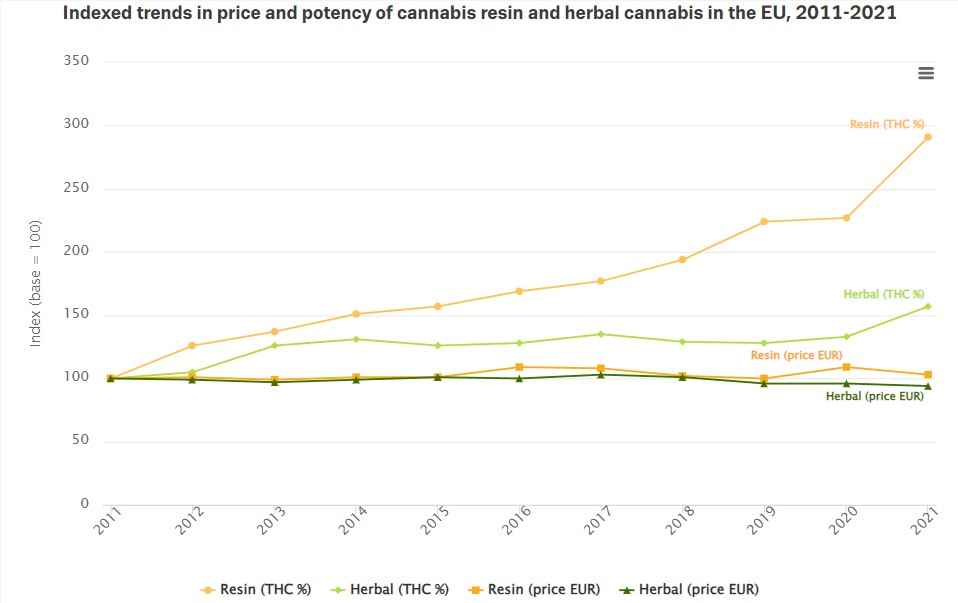
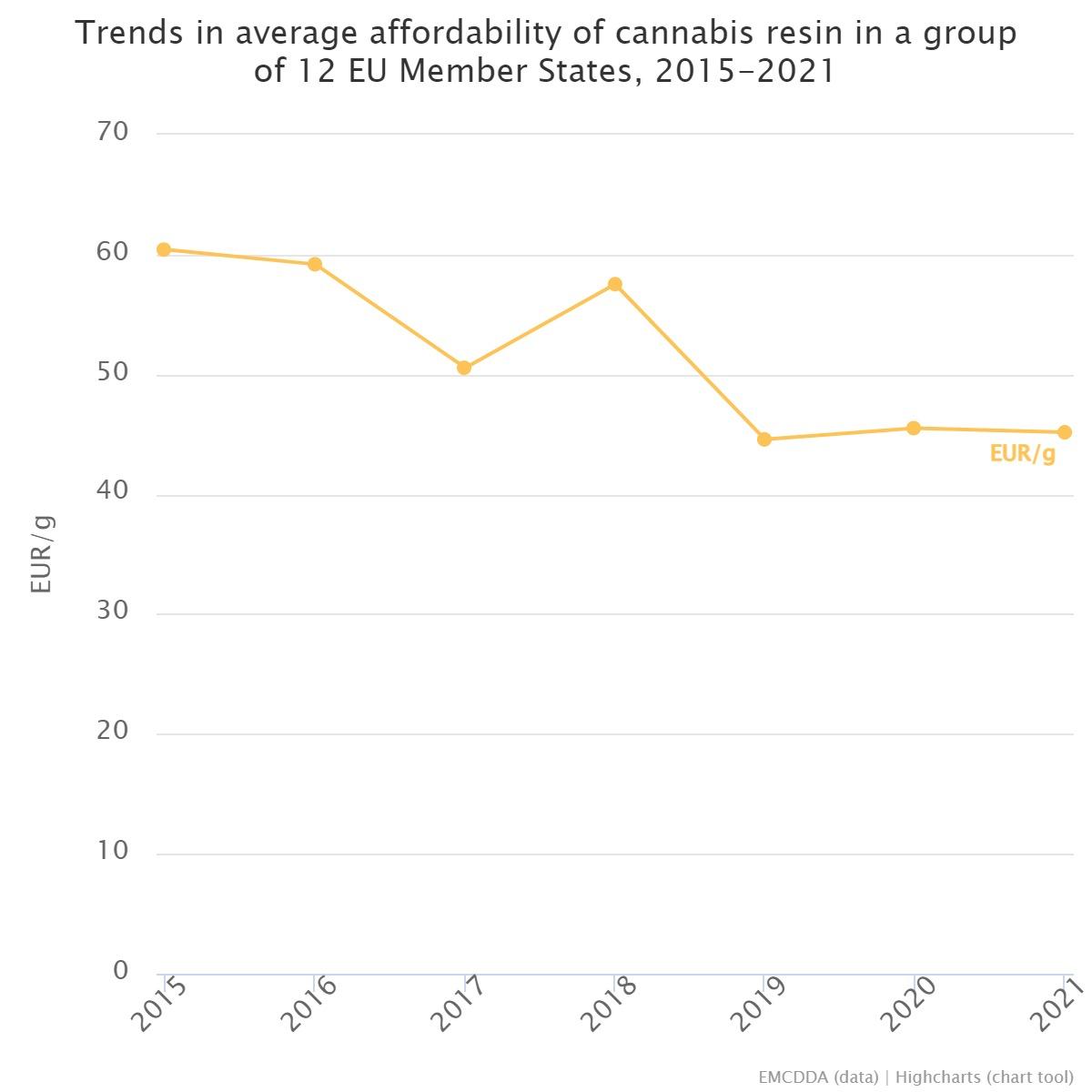
In general, Europe is a promising and profitable market for HELD CBD. According to the EMCDDA (2023b), the European Union saw an annual turnover of €1.2 billion in the illicit cannabis market in 2017. Since then, drug prices have increased dramatically, but the average affordability of these substances has improved as well (Appendix A). This information can be applied to the HHC market, and Duboust (2023) supports this, as the market is expected to reach €3.2 billion by 2025. That is why it is reasonable to comment on individual countries’ peculiarities.
In Ireland, the HHC market is on an upward trajectory, driven by a receptive consumer base. Recent surveys indicate a growing interest in new cannabinoid products, especially among students (Barrett & Bradley, 2016). The Luxembourg HHC market shows promising growth potential fueled by recent legislative changes (Chronicle.lu, 2023). As consumer confidence in cannabinoids grows, the market is expected to continue rising, providing a favorable entry point for HELD CBD.
As one of the largest markets, Germany has a significant HHC market. Growth potential is solid, thanks to an experienced consumer base seeking high-quality cannabinoid products (GVB Biopharma, 2023). Market maturity increases the long-term viability of HELD CBD, which already exists in the country’s market space (HELD, n.d.). A growing demand characterizes the HHC market in the Czech Republic.
Consumer demand for HHC in Spain varies by region, which affects the overall market size. Diverse attitudes toward cannabinoids contribute to a dynamic market with significant growth potential, but the absence of edibles limits its prospects (Burelo, 2023). The Italian HHC market is experiencing significant growth, driven by a progressive regulatory framework. The market is significant, with potential for sustained growth as consumer confidence and cannabinoid education continue to grow.
Competitive Landscape and Consumer Dynamics
To gain a foothold in the European cannabinoid market, HELD CBD should thoroughly research the competitive landscape in each target country. This information is scarce due to the novelty of the substance, but the official report is a valuable resource for analyzing the general picture. European consumers tend to contact their dealers directly by phone or in person. At the same time, social media and darknet are additional popular channels (EMCDDA, 2023b). People prefer to meet their sources in person, order home deliveries, and receive drugs without any personal contact (EMCDDA, 2023b). In addition, the European Union faces many competitors, and Appendix B highlights a few of them.
The Irish cannabinoid market is increasingly competitive, with several players vying for market share. Key competitors include established local brands and international players with diversified product portfolios. Understanding market shares is critical for HELD CBD to identify strategic entry points and potential collaborations.
Luxembourg, being in the nascent stage of cannabinoid use, offers a landscape with variable market shares. As legislative changes pave the way for market expansion, early adopters gain popularity. According to the Chronicle. Lu (2023), “Luxembourg was one of the first countries in the European Union to adopt such generic regulations.” In this regard, HELD CBD has the opportunity to position itself as a leader, given the relatively open market. In Germany, competition among established players is fierce because brands with a history of compliance and quality often dominate the market. HELD CBD’s differentiation strategy should focus on unique sales propositions and quality assurance to gain significant market share.
The Czech Republic, known for its liberal stance, has a competitive landscape shaped by both local and international players. Market shares reflect consumer preferences, and HELD CBD can leverage its innovative product offerings to capture attention and carve out a niche. In particular, brand Euphoria is strong in the country, making entry into it unreasonable.
Spain’s diverse regions create a diverse competitive landscape. Market shares fluctuate, and regional players often dominate certain areas. Italy, with its progressive regulatory environment, is home to a competitive market with an increasing number of players. Market shares are divided between brands, emphasizing quality and compliance. The HELD CBD strategy should align with Italy’s strengths, focusing on quality, education, and differentiation.
Consumer Preferences
Understanding consumer preferences and cultural factors is key to HELD CBD’s go-to-market strategy. In Ireland, where cultural attitudes towards cannabinoids are evolving, consumer education and stigma demystification are critical(Barrett & Bradley, 2016). Irish consumers often value brands that align with holistic well-being and sustainable practices.
Luxembourg’s culturally progressive environment offers openness to innovative cannabinoid products, according to the Chronicle. According to Lu (2023), consumer preferences lean toward products with clear health benefits. Thus, HELD CBD can position its HHC offerings as cutting-edge, catering to Luxembourg’s penchant for wellness solutions.
Germany, which emphasizes quality and precision, values transparent and well-regulated products. HELD CBD’s focus on quality control aligns with German consumer preferences, and marketing strategies should emphasize the company’s commitment to strict standards (GVB Biopharma, 2023). The liberal culture of the Czech Republic favors a variety of product offerings (Sensi Seeds, 2021). HELD CBD can differentiate itself by offering a myriad of HHC products designed to meet consumer demands for versatility in consumption patterns.
In Spain, regional differences in consumer attitudes require an adaptive approach (Burelo, 2023). The HELD CBD strategy should consider multiple benefits, emphasizing regional nuances to accommodate different cultural attitudes toward cannabinoids. The Italian cultural value of holistic wellness positions HHC favorably. The marketing of HELD CBD should align with Italy’s emphasis on well-being, highlighting the therapeutic potential of HHC and its contribution to a balanced lifestyle. In summary, the success of HELD CBD in each target country depends on a keen understanding of the competitive environment and consumer preferences.
Potential Barriers to Market Entry and Strategies
In seeking to enter the European market for HHC products, HELD CBD must carefully assess the potential barriers and risks associated with each target country. In Ireland, where the regulatory attitude towards cannabinoids is developing, potential obstacles include a change in the legislative framework. According to Crowley et al. (2017), “the legal status of cannabis has been extensively debated in academic and policy domains, with many jurisdictions making or considering major changes in their domestic laws and policies on this issue” (p. 2). Since such concerns affected the use and spread of cannabis, it is possible to expect similar or even more robust challenges regarding HHC. The risk lies in the uncertainty of future regulations, which require HELD CBD to remain adaptable and aware.
Luxembourg, despite its progressive stance, faces the risk of increased competition as more players enter the market, as it attracts businesses with clear regulations. Overcoming this barrier requires precise market positioning and an active approach to innovation. Germany creates obstacles to compliance and certification requirements. The risk is the potential difficulty in meeting these standards, requiring HELD CBD to take a careful approach to quality control. Furthermore, German customers are considered more demanding, which will pose additional challenges for the company. Since HHC is completely legalized in the Czech Republic to date, intense competition is the leading barrier.
Spain’s regional differences create a barrier to diverse cultural preferences and regulatory landscapes (Arana, 2019). The risk underscores the need for a region-specific approach to penetrate markets nationwide successfully. In Italy, the barrier is the potential saturation of the market due to increased competition (EMCDDA, 2023a). HELD CBD must develop strategies to differentiate itself and capture a market share effectively.
Affecting the Compliance and Certification Requirements
The regulatory frameworks in target countries significantly affect the compliance and certification requirements for HHC products. In Ireland, ongoing monitoring is critical due to changing regulations. Conformity involves meeting quality standards and ensuring product safety. Luxembourg’s regulatory openness requires compliance with new standards to maintain consumer confidence.
Germany demands strict adherence to its regulatory environment, requiring HELD CBD to maintain the highest quality and safety standards. The Czech Republic’s evolving regulations emphasize the importance of staying informed to adapt to compliance requirements. In Spain, regional differences dictate different compliance standards, requiring HELD CBD to adapt its approach to each region. Italy’s progressive regulatory stance needs strict compliance with certification requirements, emphasizing the need for transparent business practices.
Key Entry Strategies
Based on the Uppsala model, HELD CBD entry strategies should be aligned with each country’s specific challenges and opportunities. However, it is reasonable to begin by highlighting the general methods that can help the organization succeed in the European market. First, the company should open physical locations because local customers prefer purchasing the substance in person (EMCDDA, 2023b). Retail shops are needed because they will attract existing cannabis users and newcomers who want to try HHC.
Second, HELD CBD should not ignore the importance of online presence because a significant portion. However, a lower portion of cannabinoid users shop for it online (EMCDDA, 2023b). That is why the company should promote its social media platforms and improve its logistics to ensure the substance is delivered quickly and safely to clients.
The following information comments on specific entry details for the individual states. In Ireland, a gradual approach focused on consumer education and confidence-building can mitigate the risks associated with regulatory change. In Luxembourg, thanks to innovative marketing strategies, HELD CBD will become the market leader. In Germany, a strategic alliance with local distributors can help navigate the complex regulatory landscape.
The Czech Republic calls for an adaptive strategy that meets evolving norms, emphasizing flexibility and competition. In Spain, adapting marketing approaches to regional preferences and forming partnerships with local influencers can improve market penetration. Italy, with its progressive stance, requires a strategy that emphasizes the therapeutic benefits of HHC and aligns with the cultural acceptance of holistic healing. In summary, the success of HELD CBD in the European market depends on a thorough understanding of potential barriers, regulatory frameworks, and cultural nuances.
Choosing Three Countries
This section presents an objective and effective scoring system to determine which countries HELD CBD should select. For that purpose, Table 1 below is created to perform a transparent and unbiased analysis of the six markets. The countries were analyzed against the eight criteria, which were incorporated into the scoring system. Each country is assigned one of two possible marks: 0 or 1. If the analysis has identified any significant problems or inefficiencies, 0 is assigned; 1 denotes that the market is attractive and promising. Furthermore, when 0 is given, the table should include a reason for this ranking.
Table 1 – Scoring System
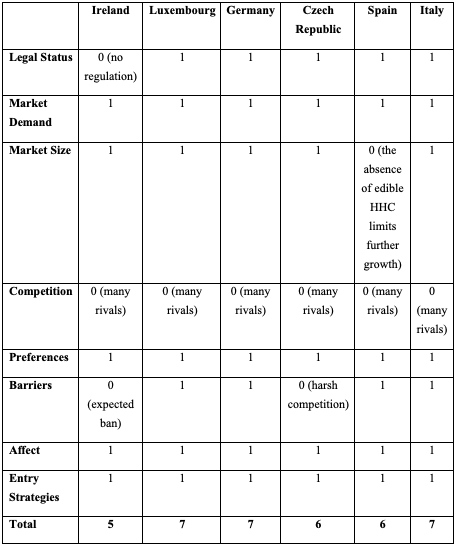
Table 1 shows that the selected countries have similar levels of development. This fact is not surprising because they all represent the same body, the European Union, which denotes that they witness similar processes and governing methods. However, the introduced approach helped assess the states, and the final row, Total, represents the obtained results. Thus, Luxembourg, Germany, and Italy can be considered optimal markets for HELD CBD’s international expansion, as each earned 7 points. One point was deducted due to the high level of competition in these nations. The Czech Republic was excluded from this list because of severe competition. The three nations received identical scores, which denotes that it is impossible to determine which market is better.
Conclusion
Even though HHC is a relatively new substance in Europe and there is scarce evidence available, the report synthesized facts, statistics, and reasonable assumptions to produce a high-quality analysis paper. The research project has analyzed six European markets and identified that HELD CBD should focus on Germany, Luxembourg, and Italy. An objective and transparent framework was used to arrive at this result. These countries stand out for their promising features and lack evident disadvantages, such as the Czech Republic, Ireland, and Spain. The organization should develop effective market entry strategies to succeed in the selected markets and overcome existing competitors.
References
Arana, X. (2019). Cannabis regulation in Europe: Country report Spain.
Barrett, P., & Bradley, C. (2016). Attitudes and perceived risk of cannabis use in Irish adolescents. Irish Journal of Medical Sciences, 185(3), 643-647.
Burelo, M. (2023). HHC or hexahydrocannabinol: Legal colocon? Cannactiva.
Canatura Wholesale. (2023). Does HHC legality have an expiration date?
Chronicle.lu. (2023). Hexahydrocannabinol (HHC) to be regulated in Luxembourg.
Crowley, D., Collins, C., Delargy, I., Laird, E. & Hout, M. C. (2017). Irish general practitioner attitudes toward decriminalization and medical use of cannabis: Results from a national survey. Harm Reduction Journal, 14(4), 1-8.
Duboust, O. (2023). Move over, CBD: HHC is the new ‘legal cannabis’ these European countries want to ban. Euronews.
European Monitoring Center for Drugs and Drug Addiction. (2023a). Hexahydrocannabional (HHC) and related substances.
European Monitoring Center for Drugs and Drug Addiction (2023b). EU drug market: Cannabis – Retail markets.
GVB Biopharma. (2023). Cannabinoid laws in Germany.
Held CBD. (n.d.). Our story.
Johanson, J., & Vahlne, J. (2009). The Uppsala internationalization process model revisited: From liability of foreignness to liability of outsidership. Journal of International Business Studies, 40, 1411-1431.
Sensi Seeds. (2021). Cannabis in the Czech Republic – Laws, uses, and history.
Sinclair, S. (2023). What is HHC? Its effects, safety, and legal status in Europe. Cannabis Health News.
Tinasti, K. (2019). Luxembourg’s cannabis legalization is EU opportunity. Brussels.
Appendix A
Market Statistics
Appendix B
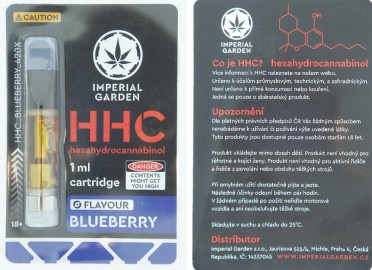
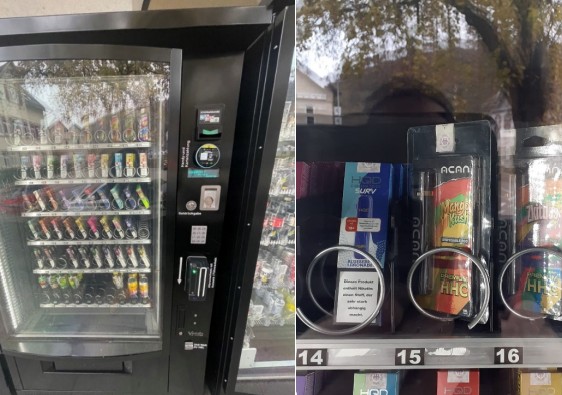
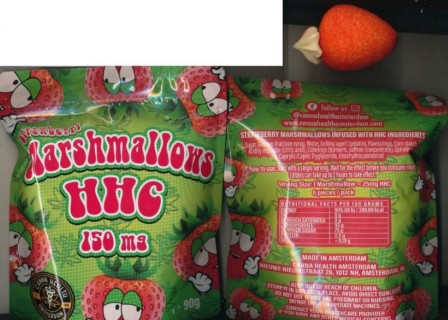
HHC Products by Competitors