
Executive Summary
This report presents international marketing research from a theoretical and empirical data perspective for Montezuma’s, a chocolate brand in the UK, seeking to expand globally into the Philippines. The company overview has been reported based on its current operations in the domestic market and the suitability of extending such paradigms into foreign markets. A 9-windows capability model was used to assess the brand’s maturity locally and its capacity to handle competitors in foreign markets. The national economic outlook has supported the decision to invest in the Philippines, the investment attractiveness as measured by Anholt’s Nation Branding, and the PESTLE forces likely to affect new investors in the region. Opportunities and risks to Montezuma’s operations have been discussed based on key dynamics, including country demographics, climate, and sociocultural outlooks.
A competitor analysis was conducted and provided in the third main section of the international marketing report. The section expands on three top players in the chocolate-making industry and their Points of Parity (POP) relative to their Points of Difference (POD), accounting for their competitive capabilities. Porter’s Five Forces was examined in relation to brand efforts to outcompete existing and rival players. The general finding was that the Philippines’ confectionery industry is open to emerging companies, particularly those that differentiate. One way to stand out from other industry players is to create unique value propositions through segmentation, targeting, and positioning, as covered in section four of the report.
The last part includes actionable recommendations for Montezuma’s marketing efforts in the Philippines, focusing on changes to product concepts, logo design, and brand positioning. Based on the findings regarding economic prospects and the room for a value proposition among youths in digital communities, it has been recommended that Montezuma’s seek an online presence by combining e-commerce with social media promotions. The company should improve its children’s products by enriching its dark chocolate options with more flavors and introducing smoothies. Influencer marketing options have been recommended to help extend Montezuma’s market beyond the Philippines and the UK.
Company Overview
Brand positioning strategies during global expansion entail robust, data-informed decision-making to ensure survival, sustainability, and growth in the new market. Multinational marketing requires that a company conduct campaigns backed by a reliable presence and commodity availability, including other related activities such as production. The general procedure is that sufficient revenue must be generated in the host country before considering moving to another region. The rationale for having well-established domestic marketing mixes is that a company will generally transfer its techniques to new prospects, implying that local success could be leveraged to further prosperity abroad.
Montezuma’s Extraordinary Chocolate is a perfect case for globalization in the Philippines, capitalizing on one of the world’s fastest-growing emerging markets. Emerging economies are the best choice for new brand establishments, mainly because organizations will need to adapt to diverse socioeconomic and macro-environmental dynamics, thereby promoting overall industry expansion in the country. This report presents the position that different sociocultural, political, and regulatory factors will define Montezuma’s operational efficiencies in the Philippines and its gross capital formation.
Company Background
Three pillars that propelled Montezuma’s to its current level were the founders’ commitment to product quality, their passion for chocolates, and a shared family love rooted in common career orientations. Hellen and Simon Montezuma discovered the hidden gem in cacao trees while on vacation in South America (Montezuma’s, 2024). Formerly lawyers, the couple settled on a cocoa plantation, tasted sumptuous chocolates, and came up with an idea that is not past its infancy. Since the brand’s founding in 2000, located in Brighton, the two former lawyers have adopted a handcrafted approach to making unique bars, unlike what most established brands offered in the market (Montezuma’s, 2024). The company was founded on a trading fair policy, under which the only raw materials used were ethically sourced cacao from plantations that treated their workers well and protected their rights. The long journey of Montezuma’s was strategically an approach for positioning the company, either through direct marketing or creative positioning through direct community charity involvement.
Children on the Edge was the first of Montezuma’s global positioning, although the company was generally known in the UK. The two founders struck a deal with a Chichester-based charity to assist children globally, especially those on the margins of structural inequality (Montezuma’s, 2024). Strategically, the brand’s commitment to come through for disadvantaged minors around the world was a philanthropic mission driven not only by empathy but also by the urge to make a difference. Two ways Montezuma’s is set to achieve it are by changing the plight of vulnerable demographics and by disrupting the existing techniques of other chocolate brands to reach customers in the most differentiated ways possible. The company’s motto currently is to build ‘Britain’s Little Chocolate Company’ (Montezuma’s, 2024). Montezuma’s identifies with the Little Angels, one of the major strengths of its marketing mix, and is to be analyzed against the sociocultural expectations in the Philippine market.
Montezuma’s rivals are not only popular because of their brand age and maturity, but also based on the new disruptions they are causing to the value offering and product quality improvements in the industry. Current top competitors are M&M’s, Cadbury, Kit Kat, Ferrero Rocher, and Galaxy. Other UK compound chocolate market leaders in 2024 are Cargill, Inc., Puratos Group, AAK Group, Barry Callebaut, and Fuji Oil Holdings (Mordor Intelligence, 2024).
The companies are not listed in any particular order, except that they have the highest market concentration and are capable of dwarfing new entrants (Mordor Intelligence, 2024). The reason a few enterprises seem more popular and dominant than others is that they operate in a sector that is generally consolidated and easy to rise above low-key players. According to the Mordor Intelligence (2024) report, the British market is currently characterized by mergers, expansions, partnerships, and acquisitions. Besides seeking new ways to increase the size and stature of their respective companies, top players in the UK compound chocolate market prioritize new product development to improve their commodity presence among consumers (IBISWorld, 2023).
An improved focus on research and development (R&D) is among the many competitive trends that Montezuma’s must take head-on as it seeks to reach global markets. The rationale is that innovative product improvements are a competitive strategy for capturing a larger market share (IBISWorld, 2023; Mordor Intelligence, 2024). Some top brands have shifted their focus to the special events market through Christmas and Valentine’s Day celebrations, changing chocolate shapes and colors to align with the prevailing consumer mood (Mordor Intelligence, 2024). A key takeaway from the competitor profile analysis is that innovation and continuous research for product improvements are the second key to staying on top of the industry and avoiding mergers and acquisitions.
Montezuma’s rivals are already making major strides in dominating the internal market, an indication that the company must redefine its current marketing mix and develop strategies to break into the Philippines’ emerging markets. Current news and trends underscore the need to overcome change inertia, especially as the biggest brands make top news with their innovative approaches to industry dominance. For instance, Barry Callebaut launched new product lines for its dairy-free chocolates in 2021, creating a new portfolio for its UK consumers (IBISWorld, 2023).
Puratos experienced significant competitive disruption in 2021 as well, introducing new Belgian chocolate products with 40% less sugar than market averages (Mordor Intelligence, 2024). Nestlé SA, another top brand alongside the other two companies already mentioned, launched a new product line of 70% dark chocolate made exclusively from cocoa beans (Mordor Intelligence, 2024). Whereas industry giants are sharpening their competitive edges, the growing prospects for new entrants and emerging brands in the Montezuma’s category are an admirable trend relevant to this international marketing report.
The entry of small players has been identified as a market driver in the UK compound chocolate sector. Emerging brands are offering fierce competition to industry giants, mainly by leading current trends in healthy products and addressing general market concerns about chronic diseases linked to sugar consumption. The IBISWorld (2023) report found that cardiovascular mortality rates in the UK have been associated with sugar consumption, a major setback for businesses accustomed to traditional compound chocolate-making procedures. The current demand for free-from-sugar and vegan chocolates has given new and emerging brands an unparalleled opportunity to prove themselves and run away with their novel definitions of health-focused products (IBISWorld, 2023).
One of the companies that has since benefited from such market advancements is NATRA. This small-scale compound chocolate maker was among the few brands to introduce no-added-sugar products (Mordor Intelligence, 2024). Meticulous efforts towards quality improvement are major steps towards aligning campaign strategies with the health and quality commitments of respective brands.
Montezuma’s Marketing Approach
Having a sneak peek at Montezuma’s company house data, especially the most recent reports on its performance, is the best way to connect the brand’s marketing mix with its success. The 24-year-old company, then operating under 6 directors, published its post-COVID financial report to the public in 2020, when its net worth stood at £1,169,236.00 (Company Check, 2024). The figure showcased a minor drop compared to the 2018 and 2019 performances, which were £2,209,761.00 and £2,118,820.00, respectively (Company Check, 2024). Montezuma’s worst year was 2021, when the company’s net worth from revenue collections dropped to £258,342.00, leading to the highest current liabilities value in the four years since 2017, at £4,702,979.00 (Company Check, 2024). The British chocolate industry is undergoing rapid growth, creating ample room for enterprises to increase revenue by meeting consumer demands.
The global demand for British chocolates has been growing at a steady rate of 3.3% annually since 1998 (ReportLinker, 2024). In the EU markets, the UK ranks fourth among regions with the most trusted bars and products, with total sales of $2.3 billion in 2021 (ReportLinker, 2024). Given the current predictions that the industry will reach over $3.5 billion in 2026, Montezuma’s domestic expansion prospects increase exponentially with projected market growth. Whereas economic changes in the recovery era had significant implications for sales outcomes and overall company performance, it is vital to understand how the in-house marketing mix contributes to the rise and fall in company revenues.
Montezuma’s ‘business-done-properly’ policy is the underlying marketing strategy that supports its 4Ps of consumer reach. Modern Retail (2023) analysts insisted that the company’s capability to create a positive impact on retail is the major reason why it has achieved growth and popularity in the UK markets. The company’s strict ethical directives in cocoa sourcing are popular in the UK, not only for health-conscious productions but also for its role in leading other brands to follow its moral principles (Modern Retail, 2023).
Having rigid, consistent marketing strategies aligned with the region’s sociocultural values positions a company to attract more loyal customers. Montezuma’s improves its current techniques by raising awareness of the need to address global challenges, such as structural inequalities and poverty, and by considering the average person as a prospective customer (Modern Retail, 2023; Montezuma’s, 2024). The company value statement and market observations show the unwavering commitment to helping underprivileged individuals have their best moments, whether through delicious chocolates or other uplifting missions around the globe.
The 4Ps of the marketing mix align well with the company’s strategies and policies for leading the industry through quality products. The dawn of the digital age and the approaches currently employed by various brands have undergone massive evolution, in that differentiation efforts must override traditional techniques (Maryam, 2021). Usually, the first P is the product, which Montezuma’s defined against its target audience, customized through handmade production, and added an ethical policy to its manufacturing (Modern Retail, 2023). However, little detail is provided about Montezuma’s pricing compared to its competitors; its other Ps in the mix, such as place and promotion, account for its success. For instance, positioning the product within the children’s consumer category and working with charities for promotion gave the company a major boost towards becoming a major player in the UK compound chocolate industry.
The strengths of Montezuma’s marketing strategies are their uniqueness and their ability to build a global reputation for the business. The company’s Child on the Edge approach is unique in that it considers philanthropy the main message the organization represents. The empathy for ending poverty and giving socioeconomically disadvantaged children a second chance resonates with the United Nations’ Sustainable Development Goals (SDGs), such as those outlined in the United Nations (2024). Goals 10 and 17 focus on reducing inequalities and partnerships to achieve global development objectives (United Nations, 2024).
Having a for-profit organization advocating for the SDGs in an educated society such as the UK gives it leverage to gain recognition from like-minded agencies and organizations. Montezuma’s partnering with any UN-affiliated organization for the SDGs would push its brand image far beyond Britain and into the world. The only weakness is that targeting children limits the company’s expansion options, as its 4Ps mix must be tailored to the specific preferences of the consumer segment. Equally significant is the company’s ability to reach international markets through the 9-windows expansion strategies.
Montezuma’s window of preparedness for internationalization is at maturity, given its magnificent marketing strategy, which could fit any sociocultural context. Since it aspires to fully globalize, its next steps in brand presentation must strengthen its global position. The company must consider itself a constituent of the Philippines’ chocolate industry, with current developments requiring appropriate market research and adaptations to the country’s political and regulatory measures.
Country Analysis
National economic outlooks, predictions, and past performance indicate the likelihood of a new brand thriving in the target market. The plan by Montezuma’s to become international will only be rewarding if they position their honest efforts in chocolate quality amidst fiscally thriving prospects with nearly similar sociocultural beliefs to those of consumers in the UK. The rationale is that the brand already relies on its unique ethical marketing policy, with a grounded strategy focused on doing everything the right way.
The implication for Montezuma’s is that money or purchasing power alone will not be enough; the research must encompass the other macroenvironmental dynamics that shape the population’s decision to buy chocolates. An important intersection point, therefore, will be the lucid connections between the Philippine culture and how it is likely to create specialized occasions for Montezuma’s to position its products. The UK equivalents are Christmas and Valentine’s Day, which, albeit global, might not be the only national celebrations in the Philippines.
The Philippines’ position as an emerging market was a strategic choice for Montezuma’s globalization plans, especially how it complements the 9 windows analysis of how the UK brand can conquer regions beyond the EU. Navigating emerging markets with multinational brands is usually a win-win situation for the corporation and the destination country. Growth-minded enterprises seek to locate in and capitalize on countries with substantial economic growth because these nations offer unique, transformative landscapes with specific investment advantages for entrepreneurs and nationals.
Among the investment characteristics that a multinational corporation (MNC) would adopt, enhancing local quality of life through philanthropy always plays a remarkable role. Connecting the theoretical possibility with Montezuma’s ongoing involvement in alleviating the poverty of needy children, the enterprise enters the Philippines with a fully strategized end-of-the-bargain for itself. The next concern should be the contributions of economic paradigms of domestic and internationalized investor regulations in building the nation into a fully developed trading giant.
The macro- and micro-level global environmental similarities between the Philippines and the UK include the roles of technology, sociocultural values, competition, economics, and international industry structures in determining investment success. Montezuma’s efforts in the new market will be derailed or promoted by the degree of internationalization of the chocolate market in the Philippines, the host country’s market potential, and psychic or geographical distance. The latter implies that the farther a target nation is from its domestic market, the more likely it is to exhibit sociocultural value disparities that shape consumer behavior. High rates of economic expansion are often associated with strong growth in household consumption, likely driven by increases in purchasing power (Biswas, 2023). Montezuma’s marketing research is essential for gathering as much knowledge as possible about overall gross capital formation and how the new region will support the brand’s vision, which began in the UK.
The Philippines, as an emerging market, has also been marketed as one of the world’s fastest-growing markets for the category. Biswas (2023) presented supporting data showing that the country grew by 7.2% in 2022 alone, marking the country’s highest year-on-year economic expansion since 1976. The country’s S&P Global indices and PMI survey outlooks for 2023 and the years that followed confirmed its ability to maintain its path toward firm economic expansion. For instance, the Philippines’ sustained remittances from employees abroad are almost matching the tourism sector, which is currently recovering amid the economic crisis of the COVID-19 pandemic (Biswas, 2023).
The growth momentum is not limited to MNCs and domestic investors already within the Philippines. Emerging markets are usually attractive to brands worldwide, particularly given their growing propensity to spend on luxury items and other non-essential goods. The following diagram (Figure 1) shows the Philippines’ current position among the world’s fastest-emerging economies.
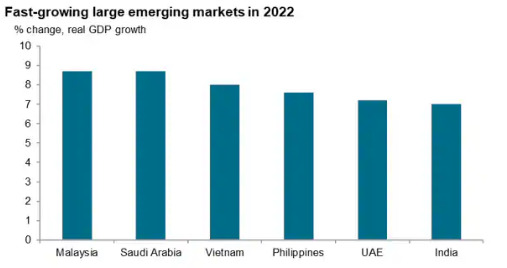
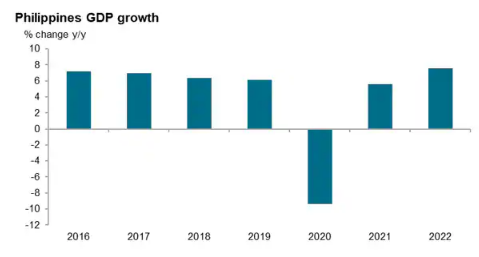
Figure 1 above shows that the Philippines has experienced more than 7% real GDP growth, with potential for further improvement. Equally important is real-time data on the peaks and lows of GDP performance, especially in the pre- and post-COVID eras, when nearly all world economies experienced major setbacks in their value chains. The roles of cultural, technological, political, and sociological structures in a young economy are to determine how quickly domestic and foreign investors position their products to compete with rivals who are equally advantaged. A political, economic, social, technological, environmental, and legal (PESTEL) model is the best tool for summarizing such dynamics. Figure 2 below summarizes year-on-year changes in internal data, showing fiscal advances and increases in gross capital formation between 2016 and 2022.
Philippines PESTEL Analysis
Political
Key political issues underpinning developmental efforts at the macroenvironmental level include tax policies, domestic and cross-border trade restrictions, and tariffs. The other indispensable factor spurring exponential performances in an emerging market such as the Philippines is political stability. Navigating Montezuma’s establishment in the country from a political perspective presents the opportunities and milestones it must overcome or adapt to in order to blend within the country’s current economic models.
Although the Philippines is a unitary state headed by a president, the country’s autonomous region, the Bangsamoro Autonomous Region in Muslim Mindanao (BARMM), creates a potentially destabilizing environment. The major hurdles against tax policy reforms in the country are corruption, controversial anti-drug campaigns, and rising cases of open nepotism. Besides, the Philippines is relatively politically stable, an active member of the UN, and currently has multiple trade partnerships with the WTO, the East Asia Summit (EAS), and the Asia-Pacific Economic Cooperation (APEC). Trade and diplomatic relations with regional world powers reassure Montezuma’s of possible interventions in case of political downturns that could expose foreign investors to massive losses.
Economic
Economic growth/decline is directly associated with the cost of living in a targeted market, a key indicator of purchasing power, and minimum wage requirements for enterprises in a region. Whereas Montezuma’s would be focused on critical indicators of business success, especially shared fiscal characteristics between the Philippines and the UK, such as interest and exchange rates, unemployment indices also determine customer availability. Economic discussions about the Philippines are among the most compelling reasons to position Montezuma’s in the market.
The country’s GDP was projected to reach $414.19 billion in the last quarter of 2023 and $439.04 billion by the end of 2025 (Rahman, 2024). Low business setup costs, alongside the availability of skilled labor, have been a key attraction for foreign entrepreneurs in the country. Most importantly, the Philippines is undergoing one of the world’s most rapid internationalizations of its markets, with the leading sectors being manufacturing, tourism, agriculture, and electronics (Rahman, 2024). Montezuma’s survival as a processing brand is almost guaranteed with the availability of skilled personnel and relatively cheap setup capital requirements.
Sociocultural
Cultural norms and expectations, national demographics, career attitudes, and health consciousness drive sociological paradigms of investment suitability in a region. It follows that levels of education determine how generally informed the population is in making lifestyle choices regarding the consumption of potentially health-related, controversial manufactured foods, such as compound chocolate. The Mordor Intelligence (2024) report showed a high rate of cardiovascular mortality linked to chocolate consumption in the UK, suggesting that Montezuma’s must tap into similar concerns in the Philippines to differentiate its products.
The Philippines offers highly trained, educated, and English-speaking personnel. The population is attracted to luxuries with little regard for health, as evidenced by the region’s many shopping malls. The demographic is constituted of fairly distributed age groups, with people who are generally optimistic, friendly, and attracted to luxury lifestyles. The growth of private education in the country signals the future availability of skilled labor, an assurance that Montezuma’s innovation efforts will remain anchored in knowledgeable workforces.
Technological
Technological factors affect an organization’s capacities to produce and promote products and services, especially the market outreach characteristics that support their foreign direct investment efforts. The Philippines is making massive progress in developing technology and innovation to match world-class standards. For instance, Rahman (2024) noted that the country’s 2023 projected expenditure on digitization enhancements was $8.1 billion.
Market forces driving the current focus on digital transformation include demand for tech services and the growing shift towards automation across all business and educational sectors. The country’s young population is driving the proliferation of the Internet of Things (IoT), laying the groundwork for existing and future brands to reach them easily via social media (MarketLine, 2023). Blending traditional learning with current automation products will continue to spur digital literacy growth among the country’s populations.
Environmental
Environmental issues likely to affect a new MNC in an emerging market are often linked to the value chain, such as supply chain intelligence systems, resource sustainability, and sociocultural factors related to ethical sourcing. Montezuma’s value model is already classified as one of the most attractive environmental forces likely to determine a brand’s growth.
The Philippines is already bulging under counter-ethical environmental challenges, including pollution, deforestation, and illegal mining (MarketLine, 2023). The rapid loss of the country’s biodiversity, in the backdrop of otherwise magnificent islands, stunning beaches, and post-modern malls, acts as a distress call to Montezuma’s. The rationale is that Montezuma’s can revolutionize the country’s ecological stewardship movement by upscaling efforts to assume moral responsibility for nature. The brand is already leveraging an underexploited marketing technique to disrupt national industrialization patterns and make a huge impact upon its arrival in the Philippines.
Legal
The legal aspects of macroenvironmental factors in PESTEL analysis are closely connected to political outcomes. The rationale is that a country experiencing broad setbacks due to bureaucratic tendencies is less likely to enforce its regulatory frameworks effectively to protect domestic and foreign investors. The Philippines is still using its 1987 constitution as the main source of business regulations (MarketLine, 2023).
The constitution defines labor relations, employee rights, and occupational health and safety mandates. Montezuma’s must comply with many unique guidelines on workers’ pay, hiring requirements, and paid holiday laws (MarketLine, 2023). Complying with the Labor Code enforced by the Philippine Department of Labor and Employment will save Montezuma’s from litigation or fines.
Anholt’s National Branding Index (NBI)
A powerful and positive national image is not only a source of pride for citizens and the political class but also a strong message to investors about a country’s reliability for business operations. Anholt Ipsos Nation Brands Index (NBI) is a critical research tool for learning the competitive identity and the particular strengths and weaknesses shaping national behaviors that project or enhance their socioeconomic styles (Ipsos, 2020). The Ipsos (2023) national ranking placed the Philippines at position 48 overall, amidst a tight race for the top spot as the most impressive country on a multi-paradigmatic scale comprising up to six dimensions.
One such dimension is a country’s exports and how they position a nation for strategic advantage over its trade partners. The Philippines’ public image of products and services produced is closely tied to its growth and competitiveness. The nation exports the majority of its products to the United States, including integrated circuits, semiconductor devices, and insulated wire (OEC, 2024). Rahman (2024) explained that the electronics industry is one of the fastest-growing sectors in the country. Trade capacity-building is essential to maintaining the region’s impressive global economic outlook.
The governance dimensions of the NBI classification categorize the suitability of political leadership systems for stability, competence, and fairness. More importantly, a country appears impressive based on its commitment to global issues affecting security and peace. The Philippines, as a member of the UN and other regional organizations in East Asia, cements its position as a sustainability-oriented nation. The culture and heritage dimensions encompass additional key criteria, including people/demographics, tourism, and investment/immigration (MarketLine, 2023).
The Filipino culture of luxury, beautiful islands, and world-class malls enhances the country’s appeal to visitors. The young, educated population is set to revolutionize luxury and holiday celebrations, given the role of social media in planning such events (Rahman, 2024). The Philippines has the power to attract foreign direct investment, given its high quality of life and promising business environment. However, the country is prone to natural disasters due to climate instability and its proximity to the coast.
Competitor Analysis
The Philippines’ global ambition to lead the chocolate industry has had a competitive impact on value addition and its trade position vis-à-vis partners from various regions worldwide. The best of the Philippines’ confectionery brands as of 2022 held more than 84% of the market share among five companies (Statista, 2024). JG Summit Holdings Inc. represented 39.1%, Mondelez International Inc. 7.9%, and Mars Inc. 6% (Statista, 2024). Perfetti Van Melle Group held 5% of the total market share, while Delfi Ltd. had 4.5% (Statista, 2024). Figure 3 below presents the competitive landscape of the Philippine confectionery market, where individual players pose major threats to new entrants.
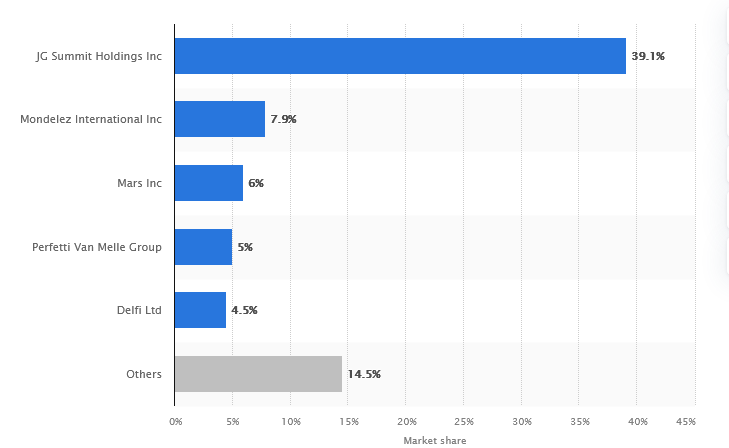
A rundown of the top chocolate brands in the country paints a different picture of the dynamics by which corporations strategize to penetrate markets and capture their respective market share, as demonstrated in Figure 3 above. Current industry leaders are Universal Robina Corporation, Commonwealth Foods Inc., and Goya. Each brand has a unique way of capturing its loyal customers, mostly through product differentiation and consistent marketing (Koppe, 2024).
For instance, Universal Robina Corporation, the region’s current manufacturing giant, has Nips and Cloud 9 as its leading candy products (Koppe, 2024). Comfoods, an enterprise in the country since 1951, targets its loyal fanbase with its Curly Tops and Flat Tops candy varieties (Koppe, 2024). Goya is redefining its consumer base through premium product positioning and presentation, and is currently the leading brand in chocolate spreads. Such developments showcase a market that is already saturated with value but still open to other innovative product presentation ideas, such as Montezuma’s ethical business policies.
A similarity among the three leading candy bar companies in the Philippine market is that each has established its unique point of parity (POP) and points of difference (POD) from which it innovates its products to achieve a distinctive positioning. Each company’s foundational approach is to develop a strategic marketing mix based on the 4Ps, from which it conducts differentiation efforts based on consumer characteristics (Rawat, 2023). The deployment of a marketing mix in an already competitive market culminates in major paradigm shifts across the outcomes of Porter’s Five Forces for the entire industry (Rawat, 2023). A more in-depth analysis of each enterprise justifies the deployment of POP and POD in saturated sectors and examines their implications for new entrants.
Universal Robina Corporation
Universal Robina Corporation (URC) makes it POP with trailblazing manufacturing techniques and world-class candy technologies. The company achieved a breakthrough in the Philippine market by leading the industry as a branded consumer foods group, including its candy business (Universal Group, 2024). The POD that supported URC’s marketing mix was to promote innovative research into developing groundbreaking products from its research excellence (Universal Group, 2024). Not long after the company took over ASEAN markets with its novel techniques for feeding consumers’ appetites, URC established worldwide distribution networks using contemporary technologies to support product placement and the promotional mix.
Combining modern and traditional channels was an extra winning approach for the company, albeit the move is rather common and can be associated with the other two competitors in the Philippines’ confectionery markets. Dedicated efforts to gaining delighted customers and eventual loyalty were URC’s most remarkable PODs, which have since shaped its brand reputation (Universal Robina, 2024). Montezuma’s must hold onto the little difference it makes with the brand positioning in the Philippines, putting more effort into making the POP an eventual POD.
Comfoods
Companies can develop unique pull effects on their customers or force their way into reaching targeted prospects, making a huge difference compared to competitors in the industry. Commonwealth Foods Inc.’s growth as a leading marketer in the Philippine confectionery chocolate industry and later in Hong Kong was hinged on management’s ability to find customers. The company’s POP and POD, combined in its growth journey, entailed aggressiveness and the willingness to put in as much effort as necessary to stand out among competitors (Lo, 2021).
In each instance when Comfoods was developing a new product line in the Philippines or Hong Kong, the first step was to launch aggressive campaigns across as many media outlets as possible (Lo, 2021). A combination of print ads and giveaways in the era before IoT and social media gave the company the characteristic POD that makes it a top brand in the respective industries today. A key lesson from Montezuma’s is that sometimes the internationalization battle can be won through campaigns and simple promotions, including discounts.
Goya
Goya Inc. achieved its remarkable POP and PODs after an acquisition by Delfi Foods. The aggregated deal would yield disruptive marketing insights and a refreshing approach to meeting consumer tastes through the most ubiquitous means possible. The company’s novel idea about creating a POP was to revamp the product range and expand its brand from 4 to 10 (Goya, 2024). The company statement highlights management’s reliance on personnel skills and capabilities to realize the dream, moving from traditional candy bars to a spreadable chocolate option for consumers (Koppe, 2024).
Another unique marketing strategy that propelled Goya Inc. to success was its focus on affordability. Generally, the company took one of the 4Ps, particularly the product, to innovatively disrupt the market and create its position as an industry leader. Even before working on the promotion and positioning, such as in the case of Comfoods, Goya Inc. pursued a revamped portfolio, which also had the strategic advantage of allowing the company to offer many products to fit all customer purchasing power levels.
Differentiation and Competitive Advantage
The relationship between differentiation and competitive advantage is that unique mixes tested and implemented by a company remain part of its brand journey and general reputation for a long time. Businesses do not have to shift from one approach to another; they only need to first establish what customers value and then innovate on it. Competitive differentiation sets the brand offers apart from entrants and established competitors.
However, the biggest success comes from having compelling visions that enable potential buyers to seamlessly share in the POP and POD creation efforts. The three enterprises listed above chose entirely distinct paths and achieved similar goals, testifying to the importance of combining the investor’s passion with value creation. The disparities in decision-making and runaway ideas create the impressive macroenvironmental dynamics against which emerging brands capitalize on consumer satisfaction and robust marketing to create a competitive multi-dimensional market, as covered by Michael Porter.
Porter’s Five Forces of the Philippines’ Confectionery Industry
A striking similarity across the world’s most remarkable chocolate industries, by trade region, is that raw material production techniques are uniform in terms of the challenges and successes of the supply chain. Harya et al. (2023) summarized the current status of the dynamic capabilities defining industry commitment to cocoa product ethical sourcing. The underlying objective was to connect capacity production factors with corporate performance variables, including the competitive landscape for new entrants and established brands (Harya et al., 2023). The findings were that exogenous latent paradigms of production and economic rejuvenation were met with sustainability concerns and conflicts of interest among suppliers, consumers, and industry buyers of the product.
Hayer et al. (2023) argue that a typical confectionery business in South America faces similar value chain competitive challenges to an enterprise in Europe, with the magnitude of the problem the only difference. Porter’s Five Forces analysis identifies rivalries, the threat of new entrants, the bargaining power of suppliers and buyers, and the threat of substitutes as the key forces.
New entrants create massive disruptions given their new capacities and the zeal to gain market share. The resulting competitive landscape affects finished product prices, raw material costs, and investment rates. According to Viswanathan et al. (2021), even the most saturated chocolate industry will still accommodate new prospects capable of causing major shifts in the value proposition.
The threat of new brands in the business sector is moderate because of relatively high entry costs for new investors, which provides brands with a stepping stone (Viswanathan et al., 2021). The only hindrances to upcoming enterprises are complex supply chains, specialized food regulations, and product diversity, which require experience. Suppliers have moderate bargaining power in the industry, primarily because of limited differentiation in raw materials. The only power of suppliers is that there are no substitutes for cocoa beans in chocolate making (Viswanathan et al., 2021). Increasing the number of farmers will significantly dilute current bargaining power.
The competitive forces shaping buyers’ bargaining power are generally moderate in the chocolate industry. The rationale is that, even though there are many consumers and a ready market for candy products, low brand-switching costs limit a company’s ability to overprice. The threat of substitute products is the most significant force, given its magnitude and its impact on industry sales strategies.
Competition from alternative commodities is very high, mainly since there are numerous non-chocolate snacks in the Philippines and other countries, such as fruits, chips, and wheat products. In response to the availability of substitutes, industry rivalry has reached an all-time high. It is characterized by competitive advertising, pricing wars, and a diversified range of flavors to appeal to consumers. Quality requirements have also improved significantly, so manufacturers must treat research and development as a full-time differentiator.
A typically saturated industry, such as the Philippines’ candy market, is set to face tough competition, characterized by diversification, multiple distribution channels, and brand-specific positioning to maximize customer reach. 6Wresearch (2024) summarized the business landscape in the Philippines for candy brands, noting that high fragmentation is a major factor in the emergence of too many high-traction companies. Supermarkets and hypermarkets are the current major channels for distributing candy products, followed by convenience stores and specialist retailers (6Wresearch, 2024). In light of the country’s NBI and the current competitive landscape in confectionery manufacturing, the implications of managing a global impression are that the Philippines has opened new export potential for its chocolate candy products. The following Figures 4 and 5 summarize the competitive landscape against the new prospective locations where top brands can export their commodities.
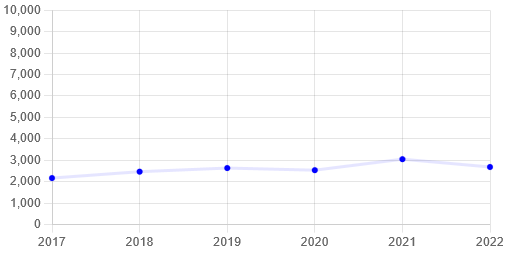
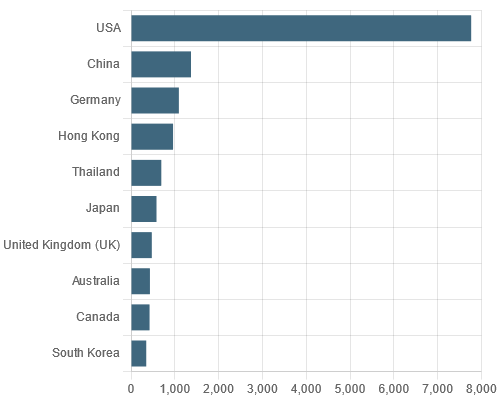
The key takeaways for Montezuma’s are the significance of POP and POD in product deployment, the role of understanding competitive landscapes in chocolate and confectionery manufacturing and marketing, and the export opportunities. At the same time, the brand is established in the new region. The basic approaches to POP should be unique and autonomous, meaning that a company will propose a story, polish it, and push it to market with the right mix of strategies to promote the 4Ps.
The successful execution of the points of parity cements a brand’s legacy, marking the beginning of the POD journey. The reputation that Montezuma’s will need to survive in the Philippines is not limited to making chocolate candies or similar products. Just as in the case of Comfoods, Montezuma’s needs events to thrust it into the limelight, which is why the charity angle is the most appropriate. An ethical policy that does everything right and assists the underprivileged in the Philippines might be the key to becoming an emerging, disruptive entrant in the industry.
Segmentation, Targeting, and Positioning
Consumption and purchasing behavior are tied to a market’s demographic mix, and the leeway for research on current and future issues/insights is likely to change within the industry. Although chocolate is consumed worldwide, rapid transformations and value additions have only contributed to a diversified segment in response to changes in customer demand (Del Prete & Samoggia, 2020). The parent plant, cocoa, and its substitutes have a significant impact on chocolate consumption outcomes that shape industry outlooks and trends in the UK, as in the Philippines.
According to Del Prete and Samoggia (2020), four main attributes are linked with purchasing habits globally: economic, socio-demographic, product, and personal preferences. Among the items listed, only one is subject to manipulation by manufacturers: the product. A company’s power over another competitor in the race to capture consumer segments lies in its ability to differentiate. Health-related concerns can be classified as personal choices, many of which also have significant impacts on overall commodity performance.
Generational change is an emerging demographic trend for most marketers of luxury and snack products, especially in food consumption. Neo (2021) reported that the Philippines’ cocoa firms and product manufacturers have shifted their focus to young consumers and health-focused commodity options. Riding the wave of a rising segment and the ability to create a new trend among adolescents and youths is one strategy that helped coin the new movement for hot chocolates (Neo, 2021). The new options do not dwarf traditional offers; rather, they exist as additional options to the initial value that single-handedly promoted the industry growth.
Given the high prospects projected for the coming years by market analysts such as Market Research.com (2024), it is vital to categorize the population by product type, price point, age group, and distribution channel. Another upcoming concept that has reliably defined international marketing from Montezuma’s perspective is the role of technology in shaping client reach, such as in the distribution channels section.
The Philippines’ market segmentation by chocolate product type comprises three major categories: dark, milk, and white. The demand for high-quality, premium chocolate is on an upward trajectory, as candy is among the luxury items in the food industry. Unrein (2024) noted that 74% of consumers worldwide prefer trying new varieties, especially those with multiple textures. Positive nutrition demands affect food and beverage choices across most segments worldwide, other factors such as the economy notwithstanding.
The major observation is that a manufacturer’s primary efforts should be in positioning the right products among relevant demographics before adjusting to other marketing techniques, such as pricing. For instance, Montezuma’s will need to specialize its flavors and textures across the three types of confectionery products most consumers in the Philippines prefer. Starting with segmentation by type sets the stage for connecting the price-point characteristics that shape buying behavior.
Price-point consumer classification is one of the most elusive techniques for promoting products, despite consolidated theories. The Philippine chocolate market can be categorized by price into economy, mid-range, and luxury. Basically, confectionery and candy are premium in the food and beverages categories, except for hot chocolate, which is currently gaining massive traction among youths (Neo, 2021). A population’s ability to buy varies across customer characteristics, product type, and location (Sepúlveda et al., 2022). That means urbanites and rural residents will have their own cost preferences, a factor worth considering by Montezuma’s marketing team in the Philippines.
Based on the PESTEL analysis, especially the economic growth projections by Rahman (2024), there is a likelihood that urban populations will outnumber those in alternative settlements in the luxury consumer sections. The most important consideration for Montezuma’s is to ensure a fair representation of product categories across purchase capability levels throughout the Philippines. Nonetheless, Montezuma will not need to be located in all regions across the country, as it will need high-income concentration zones to catapult its growth.
Health-related concerns, informed consumption, and other consumer definitions of the value of candy bars shape the age-group classification of the chocolate market in the Philippines. The current age groups, according to market research, are children, adults, and the geriatric category. Young people and adults make up the largest share of consumers patronizing brands in the region. However, given product distribution and positioning, another feature that emerges is the role of geriatrics in candy manufacturing and in its presentation on store shelves.
Very few scholars focus on the geriatric population’s consumption of chocolate. Jafarnejad, Salek, and Clark (2020) compiled empirical evidence showing that cocoa consumption among the elderly lowers blood pressure. Conversely, Mordor Intelligence (2024) linked dark chocolate in the UK with rising cardiovascular diseases. The lesson for Montezuma’s is that the precious cocoa product is medicinal when properly formulated, which implies that products for geriatrics must be sugar-free. The differentiation angle, since it is the least explored, can be an opening for Montezuma’s to further its brand reputation in the region.
Distribution channel choices can determine how far a company reaches out to ready customers regardless of their living arrangements. Although the initial plan is to position Montezuma’s in urban and high-income areas, the enterprise will need to combine as many options as possible from the currently available methods for placing chocolate products. The organization can consider supermarkets/hypermarkets, e-commerce options, and specialty/duty-free shops.
Chocolate customers in the Philippines also buy from pharmacies and drugstores, regardless of whether the purchase is for geriatrics or not. Traditional brick-and-mortar choices for candy distribution are expensive and unavoidable for Montezuma’s, given the suggestion that it will set up manufacturing plants in the new country. The implication is that Montezuma’s must strike deals with hypermarket owners on placements and positioning.
The other approach to take is to sell directly to retailers in the category. Market Research.com (2024) report showed that supermarkets and hypermarkets are currently the leading distribution channels in the Philippines. The best way to gain competitiveness as quickly as possible is to work with the most trusted and preferred selling points before moving to other, more convenient means.
Choice of Segments
Despite the availability of diverse targets for Montezuma’s, there will be a need to align its current marketing strategies in the UK, ensuring that its established presence in the Philippines extends Britain’s operations. Each category of consumer preferences and characteristics offers a unique, potentially lucrative opportunity that Montezuma’s might be tempted to pursue. However, the only effort that will count is the company’s ability to maintain differentiation by focusing on the areas that matter most. For instance, the company will need to stick with the dark chocolate options in product type segmentation. The rationale is that it is the category with the largest number of consumers worldwide at the moment, as reported by Mordor Intelligence (2024).
Another reason Montezuma’s should not lean too much toward alternatives like milk and white chocolate is the growing disparities in health-oriented consumption. Lactose-intolerant and vegetarians will most likely be fine with the dark candy choices beyond the other preferences that the brand can make available.
The recommended price point should be midrange, a preference likely to align with the current economic capacity of the target country. Biswas’ (2023) report on the Philippines as an emerging economy implies that most individuals in the country are in the middle of the socioeconomic spectrum. Also, reflecting on the multifaceted impacts of major global events that have had massive economic repercussions, such as COVID, the recovery era might not be the most strategic for luxury spending. The message for Montezuma’s is that the company must strike a balance between value and revenue for each proposition, which restricts its trial phase to the mid-range spenders. It will not be advisable for Montezuma to offer premium commodities at high prices when most prospective markets can hardly afford them.
The recommended age groups for Montezuma’s product positioning and presentation are children and the elderly. Unlike most of the other segments above, this is one area where the company will need a combination of approaches to fully achieve its growth vision and revenue flows. The reason for targeting young populations and youths is that Montezuma’s will be extending its UK charity and philanthropic movements that benefit the children behind. As explained before, the brand has an upper hand through its differentiation approaches, which allow it to model its POP without necessarily using the products.
The future direction for Montezuma’s to explore is geriatric options, a medicinal option that could entail making sugar-free dark chocolates for the elderly segment (Jafarnejad, Salek, and Clark, 2020). Jafarnejad, Salek, and Clark (2020) found that chocolate consumption for blood pressure reduction among middle-aged and elderly subjects achieved success rates of 89% to 91% in controlled studies. The implication when such studies mature in health publications is that the general population will warm to the geriatric candy uses, finding Montezuma’s already specialized in the sector.
Distribution Channel and Consumer Reviews
Despite presenting supermarkets as the best retail channels for Montezuma’s to consider for its product distribution, the recommended mix is for the company to consider e-commerce for the children or young adults age group explained above. Raaka Chocolates is a worthy competitor to Montezuma’s, one of the leading producers of 71% dark chocolate in the Philippines (Raaka, 2024). Its online presence accounts for a majority of its sales, justifying e-commerce distribution among young children and youths in two major ways.
The first is that online reviews on the platform have confirmed the unparalleled popularity of dark chocolate, as per the recommendation for the product type above. The second key takeaway is that companies are poised to gain more by leveraging digital consumer connectivity rather than traditional brick-and-mortar arrangements. For instance, Raak, which has a 4.8-star rating on its website, had most of its consumers praising its products, with many from the United States (Raak, 2024). Only digitization could enable a brand in the Philippines to interact with consumers several miles away, gathering customer feedback for future improvements.
Recommended Marketing Mix
Logo Design
Montezuma’s logo design must bring the marketing concepts in the Philippines to reality by focusing on the main strategies suitable for the globalization plan. The original company logo, attached to the cover page, is a simple ‘M’ with images embedded that showcase cacao plants. There are parts of the Montezuma’s brand that should also have received sufficient coverage and space in the logo. New additions to the collages enclosed in the company letter should include original packaging for chocolate products related to the offer available from the enterprise. Part of the changes must include eco-friendly images, either reflecting the cacao-growing fields or the logistics used to deliver the commodities to markets.
The logo background should be redesigned to use a child-friendly color, and transitions should use distinct colors to enhance its aesthetic appeal. The writings are to remain as transcribed below the parent company letter. Such improvements are intended to reflect simplicity, timelessness, and thoughtfulness in the company’s marketing journey and the main policies that drive the business value proposition model.
Brand Positioning
A clearly defined brand position will drive Montezuma’s momentum upon entering the Philippine market. The company must state what it does and who its target is in the most customer-centric way, especially the key differentiation points that compel buyers to consider the organization among other alternatives. There are two ways Montezuma’s can position itself: through a story or by pushing products/services.
The recommended approach is to position the company’s products as ethically manufactured and eco-friendly, with branding that reflects this. In that effort, Montezuma’s will position itself as an ethically based company with ecological stewardship strategies complementing its doing business right policies. The business’s differentiation from its competitors must be strictly based on the values it shares and the benefits it provides to customers and the environment at large. It has already used the positioning strategy to be an award-winning chocolate manufacturer in the UK (Montezuma’s, 2024). The expectation is that Montezuma’s will compel the Philippines’ market to join the social responsibility movements, anchoring its brand position in the region.
It will be necessary to emphasize the host country’s influence on Montezuma’s brand positioning and conceptualization. Country of origin association in marketing is a concept that has existed for decades, sometimes serving as the vehicle for pushing an emerging brand to global greatness. Looking back at the Mordor Intelligence (2024) and IBISWorld (2023) reports on the global positioning for UK chocolate and demands within and beyond the EU, Montezuma’s stands to leverage such a reputation in the Philippines.
National heritage will serve as a passive marketing tool to strengthen the brand’s position beyond the philanthropic and ethical policy strategies recommended above. According to Hong et al. (2023), a business preserves its originality by emphasizing country-of-origin ideals and ongoing marketing strategies rather than de-emphasizing globality. In other words, Montezuma’s is not entering the Philippines as a new manufacturing concept but rather on the back of a rich chocolate-making culture in the UK and an ethical brand.
Product Concept and Mix
Montezuma’s core product must be the dark chocolate option, which it can improve beyond Raak’s 71% composition to reach either 75% or 80% of purity. The company must strike a promise with new customers in the targeted market, ensuring it lives up to their expectations, regardless of the cost in terms of revenue. There are two approaches for the enterprise to leverage the most liked dark chocolate candies.
The first will be to commit to a unique segment for medical use among elderly and middle-aged individuals. In this commitment, Montezuma’s will offer a pure, sugar-free candy bar option that can help reduce blood pressure for the targeted demographics. Alternatively, the company will stick to traditional dark chocolate production, albeit with a lower sugar content to reflect its commitment to protecting public health through its product marketing. The technique behind the unique concept is for Montezuma’s to find an underexplored need within the Philippines markets and solve the consumer challenges associated with the gap.
The resulting product mix will be a domination between sugar-less, vegan, or medical-focused candies and children’s dark chocolate that must be improved to differentiate Montezuma’s from existing flavors in the market. The company should consider a chocolate spread with mixed flavors, such as strawberry and vanilla options. Montezuma’s can also consider packaging chocolate smoothies rather than the candy bars, which are already common globally. There should be bite-sized chocolates carefully branded for the children’s category, using related visuals.
The smaller-sized confectioneries can be named after a local culture-based legend about children. The idea is to have a brand that becomes nationally iconic and strictly relatable to children. The two product lines can be used to headline Montezuma’s vision to build ‘Britain’s Little Chocolate Company’ far away from the UK.
Pricing Strategies
Montezuma’s diverse product and value propositions should not be limited to a blanket pricing strategy that the company must follow from the point of entry to its establishment in the new market. The recommended technique for determining prices will be distributed across the major value proposition models, especially the children’s and the geriatric categories. For the multiflavored and improved dark chocolate offers, Montezuma’s should consider a value-based approach. At a concentration of about 80% cocoa, sugar-free, and other vegan options, the company will need to emphasize the value addition and set prices either within the market range or slightly higher. The idea behind value-focused pricing is that Montezuma’s will need to convince consumers about the uniqueness of the presented products and tap into their curiosity and needs to capitalize on purchases.
Two other categories of Montezuma’s product mix will be best suited for penetration pricing. They are the milk and white chocolate options, based on the rationale that other brands are already offering them in the Philippines. In penetration pricing, Montezuma’s will determine a relatively low price for each commodity compared to other industry rivals.
The technique will be second to its brand positioning, based on the expectations that strategic advertisements will set consumer curiosity to try the relatively affordable options. Whereas this pricing approach does not guarantee success, it will provide an alternative penetration route even as Montezuma’s works on its key attraction points. The implication is that there must be robust and reliable distribution channels that set the stage for promotional messaging and consumer targeting, especially for the younger populations recommended in the section above.
Distribution Channels
Supermarkets, retail stores, and convenience stores should be Montezuma’s first choice in the distribution of value-added chocolate commodities when it sets foot in the Philippines. One of the ways Montezuma’s can manage retail relationships with the store outlets is by assigning its sales agents to the respective locations where it seeks to position the novel products on shelves. The major strength of traditional brick-and-mortar distribution is that the company manages its customer relationships in real-time, given the eradication of intermediaries.
The only possible shortcoming with the retail options is that it will limit Montezuma’s capabilities to reach across the remote geographical areas of the market segments selected. Considering that the company will be manufacturing chocolates in the Philippines, it will be more convenient to have representative agents or sell directly to convenience store owners. Alternatively, the company can conduct wholesale activities to end-sellers who will put the products on their shelves. The second option works best with the pharmacies that might be interested in stocking candy bars for geriatrics.
An e-commerce channel should be positioned to take off immediately after the brand is introduced to the new global market. This second option will be time-consuming to build, but it will have the most promising returns once the company has managed its reputation in the Philippines by claiming a top competitive spot. A company website specific to the country and translated to the respective national dialects will need to be created to support digital product distribution options.
The target of an e-commerce platform will be to increase commodity availability to the young populations who are the leading demographic in IoT use (Rahmak, 2024). Product placement on a company website shifts operations from daytime-oriented to a 24-hour system where customers can order commodities and wait for the company’s delivery time. Digital transformations in distribution plans come with added advantages such as automation and data gathering for market research. For instance, Raak’s (2024) reviews were autonomously provided by satisfied customers. The 4.8-star rating demonstrates the diverse consumer perceptions of how satisfactory the service model met their needs, such as delivery times.
Promotional Mix
Market expansion and efficiency improvements are some of the key strengths of focusing on e-commerce rather than traditional brick-and-mortar options. One of the ways of improving campaign outreach to prospects is by embedding the e-commerce channel on the company’s social media sites. Montezuma’s has two options with the brand placement in the digital community. The first is a market influence approach that depends solely on its product differentiation efforts to create a customer journey mapping with possibilities of picking more prospective buyers from the platforms. Secondly, Montezuma’s can lead ethical and climate change campaigns on social media or join existing agencies, further developing a strong brand with a story to share with consumers.
The promotional mix for a growing company in a foreign market must entail flexibility in leveraging governance, social responsibility, and key trends to stay afloat. The other option with Montezuma’s promotional mix, especially the social media-oriented approaches, is that the company must consider influencer marketing and partnerships on business-to-business (B2B) relationships as complementary to direct product positioning. The following is a post caption on a social media influencer page to be used on Instagram to push Montezuma’s products.
“Cool this summer with Montezuma’s new vanilla smoothies. One is never enough.”
Conclusion
Montezuma’s might not be a leading brand in the UK chocolate industry, but its impressive business model and maturity stage position it best at the center of globalization and market expansion into the Philippines. The 24-year-old company’s current operations in the UK entail a philanthropic edge with the brand’s popularization efforts, a position that comes from the founder’s passion for alleviating poverty among underprivileged children. The ethically-focused sourcing and doing things right business policy has earned the company a name within the British markets, setting the stage for the extrapolation of brand ideals to prospective consumer bases overseas. The report was compiled to present the Philippines as the most suitable investment destination, mainly given the country’s current position as an emerging economy.
The political, economic, environmental, and sociocultural dynamics of business success further support the Philippines as the best choice for moving Montezuma’s from a domestic to a multinational corporation. Even though political stability is elusive in the target destination, growing partnerships with trade giants in the surrounding regional blocks will guarantee security and reliability in the regulatory and legal environments. Current possible challenges that Montezuma’s must anticipate and overcome are planned corruption, bureaucracy, and natural disaster risks, given the Philippines’ proximity to coastlines. The demographic is backed by an emerging youthful population commonly associated with IoTs and social media usage. The group will be the first in line with targeted product positioning via e-commerce marketing.
The best time to enter into a new market is when the corresponding strategic window is open. In the case of Montezuma’s, the two main questions pondered concerning the recommended globalization effort must cover the funding and equipment readiness. The first query would be on whether to commit funds to the proposed novel market entry, and the best timing between now and later. The subpart of the inquiry would be how large the new investment should be relative to the company’s risk appetite and capital readiness. That implies Montezuma’s will be seeking a decision on whether capital overheads should be committed to its current operational levels or not.
A fusion between Montezuma’s business value model, operational efficiencies, and competitive analyses showcases the brand’s suitability to grow and seek globalization through various campaigns and positioning. More importantly, the competitive dynamics of the macroenvironmental factors might shape how individual players take market share from one another. Montezuma’s success will depend on how other giants in the Philippines’ business sector improve their competitive capabilities relative to the marketing strategies currently integrated into the enterprise’s value model.
In summary, key forces determined to have major implications on the international marketing plan for Montezuma’s are increasing digital connectivity, the globalization of markets into one village, legislation factors, and national economic trends. Although competitive landscapes in the UK are nearly similar to those in the Philippines, a differentiation effort by Montezuma’s marketing teams will provide novel and refreshed ideas for meeting consumer needs with the new value propositions. Montezuma’s should view the new location as a viable target for its overseas expansion plans, given the capabilities to grow with its economy, penetrate stiff competition, and create a new and undisputed geriatrics segment for medicinal chocolate offers.
Reference List
6Wresearch. (2024) Philippines candy market (2023-2029) | growth, trends, size, segmentation, industry, share, value, analysis, revenue, outlook & COVID-19 impact.
Biswas, R. (2023) Philippines amongst world’s fastest growing emerging markets.
Company Check. (2024) Montezuma’s chocolates limited.
Del Prete, M. and Samoggia, A. (2020) ‘Chocolate consumption and purchasing behaviour review: research issues and insights for future research’, Sustainability, 12(14).
Goya. (2024) Goya Inc.
Harya, G.I., Hanani, N., Asmara, R. and Muhaimin, W., 2023. Dynamic capabilities for leading industries: proof of export commitment of chocolate products. Bulgarian Journal of Agricultural Science, 29(4).
Hong, R. et al. (2023) ‘Is brand globalness compatible with brand country-of-origin? an investigation of hybrid brand positioning strategies for emerging market brands’, International Marketing Review, 40(1), pp.49-79.
IBISWorld. (2023) Chocolate & confectionery production in the UK – market size, industry analysis, trends and forecasts (2024-2029).
Ipsos. (2020) Anholt Ipsos Nation Brands Index (NBI).
Ipsos. (2023) Nation Brands Index 2023: Japan takes the lead for the first time in NBI history.
Jafarnejad, S., Salek, M. and Clark, C.C. (2020) ‘Cocoa consumption and blood pressure in middle-aged and elderly subjects: a meta-analysis’, Current Hypertension Reports, 22, pp.1-15.
Koppe, C. (2024) A rundown of Filipino chocolate brands.
Lo, Y. (2021) Comfoods (maker of Café Puro Instant Coffee) and Reliance (importer of Sunkist oranges).
Market Research.com. (2024) Philippines confectionery market size and trend analysis by categories and segment, distribution channel, packaging formats, market share, demographics and forecast, 2021-2026.
MarketLine. (2023) Philippines in-depth PESTLE insights.
Modern Retail. (2023) Having a positive impact in retail: Montezuma’s.
Montezuma’s. (2024) Who is Montezuma’s?
Mordor Intelligence. (2024) United Kingdom compound chocolate market size & share analysis – growth trends & forecasts (2024 – 2029).
Neo, P. (2021) Put it on the tab: Philippines cocoa firm targets younger consumers with ‘healthiest hot chocolate’.
OEC. (2024) Philippines.
Raaka. (2024) Philippines 71% classic dark.
Rahman, M. (2024) PESTEL analysis of the Philippines.
Rawat, N. (2023) The key to brand success: a structured approach to positioning.
ReportLinker. (2024) The United Kingdom chocolate industry outlook 2022 – 2026.
Semrush Team. (2023) 8 best social media campaigns to inspire you in 2024.
Sepúlveda, W.S. et al. (2022) ‘Linking dark chocolate product attributes, consumer preferences, and consumer utility: impact of quality labels, cocoa content, chocolate origin, and price’, Journal of International Food & Agribusiness Marketing, 34(5), pp.518-537.
Statista. (2024) Market share of leading confectionery companies in the Philippines in 2022.
United Nations. (2024) The 17 goals.
Universal Robina. (2024) Branded Consumer Foods Group (BCFG).
Unrein, J. (2024) Consumer preferences in chocolate.
Viswanathan, S.K. et al. (2021) ‘An insight into market competitiveness of bean to bar chocolate in Coimbatore City – application of porter’s five forces model’, Biological Forum –An International Journal, 13(1), pp.495-499.