
Executive Summary
As elaborated in this study, the discovery of inefficiencies in the procurement, assembly, testing, and distribution operations of the iPhone production line was achieved through the use of the VSM assessment instrument. The evaluation emphasizes automating assembly, streamlining distribution, and combining suppliers to expedite production and reduce the strain of managing surplus inventory. Apple expects a significant increase in productivity and resource efficiency through integrating these enhancements, utilizing the OSKKK model, and bolstering its competitive edge in the rapidly evolving technology industry.
As a transnational corporation (TNC) with a global presence, Apple Inc. must manage complex supply chains and meet diverse customer needs, among other challenges. This paper clarifies the inherent inefficiencies of the iPhone, a device designed for global markets. Much work has gone into streamlining production to meet worldwide demand while maintaining quality standards. Some suggested remedies include assembly line automation, improved supply chain logistics, and advanced inventory management systems. These strategic measures seek to maintain long-term profitability while reaffirming the company’s technical leadership.
Founded in 1976 by Steve Jobs, Steve Wozniak, and Ronald Wayne, Apple Inc. has become a prominent global technology leader, recognized for its innovative products and state-of-the-art designs. When it was introduced in 2007 as one of its flagship products, the iPhone completely changed the mobile phone market. Apple, a company in the highly competitive technology industry, strategically uses an advanced global supply chain to produce and market its products.
The firm sources components, assembles gadgets, and ships completed goods to consumers worldwide through a global supply chain spanning several continents and requiring coordination with various vendors and partners (de Paula Ferreira et al., 2022). Apple has successfully navigated the market’s complexity by demonstrating adaptability and resilience, even amid obstacles such as changing customer tastes, geopolitical concerns, and fluctuating demand. This has allowed Apple to maintain its position as a leader in the technology sector.
‘Current State’ Value Stream Map
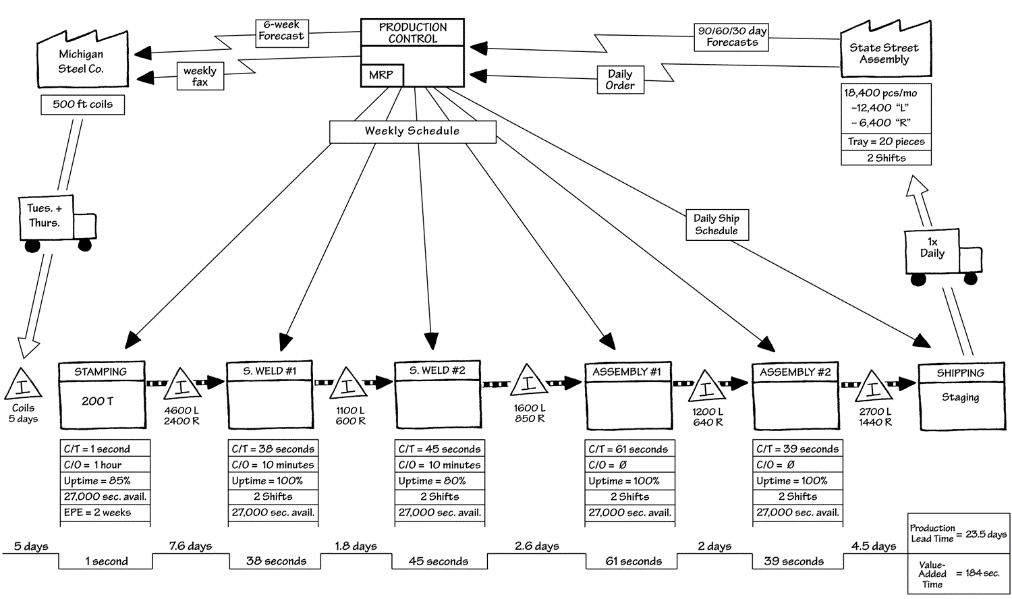
As shown in Figure 1, this research conducts a value stream mapping (VSM) analysis of Apple Inc.’s iPhone supply chain to identify inefficiencies and propose solutions. As a cutting-edge global technology leader, Apple faces complex challenges, such as fulfilling large iPhone orders, which require a stable, adaptable supply chain. This study uses VSM to illustrate the manufacturing process that may require improvement, offering options like eliminating waste-producing steps and bottlenecks (Zahraee et al., 2020). It helps businesses implement tactical plans that comply with Apple rules and uphold the excellent quality of all Apple products. By doing this, the company lowers expenses, boosts production, and maintains a high standard for all its goods.
Key Components
This paper thoroughly analyzes the essential elements of the iPhone’s manufacturing and delivery networks, emphasizing supplier relationships, production procedures, and associated logistics. These constituent elements provide Apple’s supply chain with its essential beauty, which is continuously adjusted to meet the demands of the worldwide consumer market. Regarding supplier relationships, Apple sources its primary components—such as CPUs, screens, and casings—from vendors worldwide.
Lead times are usually extended due to geopolitical developments and vulnerabilities that may create logistical challenges. These elongated timeframes are primarily due to supplier management, which takes into account the number of suppliers (Klimecka-Tatar, 2021). Effective variance management is essential for proper planning of these problems to avoid unintended supply chain interruptions. For well-coordinated and pleasant manufacturing, strict procedures must be implemented to prevent shortages and defects in suppliers’ products.
The iPhone is assembled through a global supply chain, with components—such as motherboards and screens—supplied by various nations. The previously described method creates incredibly complex and disjointed car convoys, leading to delays caused by unnecessarily long wait times and excess inventory at every manufacturing level (Byrne et al., 2021). Enhancing these procedures lowers the costs of managing and shipping large amounts of bulk inventory while increasing handling throughput.
Finally, the logistics are made more difficult because the iPhone’s distribution involves many warehouses and delivery locations. Due to global demand variations, a flexible, responsive distribution strategy is required. As a result, organizing the product to be available when needed at the appropriate location is essential, reducing the likelihood of overstock and stock-outs (Horsthofer-Rauch et al., 2022). By focusing on these crucial areas for improvement, Apple can improve its supply chain network’s responsiveness and efficiency, enabling it to sustain product demand as quickly as possible.
Metrics
Lead Time
The overall lead time, which includes the day raw materials are acquired and the day items are delivered to clients, will be one of the key performance indicators. The average lead time is about 60 days, or over two months (Morgan & Liker, 2020). This has a multifaceted effect on Apple’s ability to meet the ever-expanding market needs over this time frame, as well as on the degree of consumer satisfaction it achieves (Achmadi et al., 2023). The initiative’s primary goal is to make a noticeable difference in the production cycle time. Reducing lead time might improve sustainability and agility in today’s volatile IT industry.
Inventory Levels
One significant aspect of Apple’s inventory management strategy is its high inventory levels. These goods can be safely kept in stock as a backup and used to mitigate production delays and demand uncertainties (Noto & Cosenz, 2021). Measures should be developed to minimize inventory without disrupting the supply chain’s overall responsiveness.
Cycle Time
Throughout the production cycle, modules are manufactured at varying rates, creating a bottleneck that poses serious challenges for testing and final assembly. These impediments might cause lead time delays in addition to total production hindrances (Jamil et al., 2010). If a high-efficiency, quick-moving manufacturing operation is to be realized, the cycle time process—which is considered a crucial step—must be thoroughly handled. These updating initiatives are essential to meeting customer requests and staying competitive in the fiercely competitive worldwide market.
‘Future State’ Value Stream Map
Proposed Changes
Supplier Consolidation
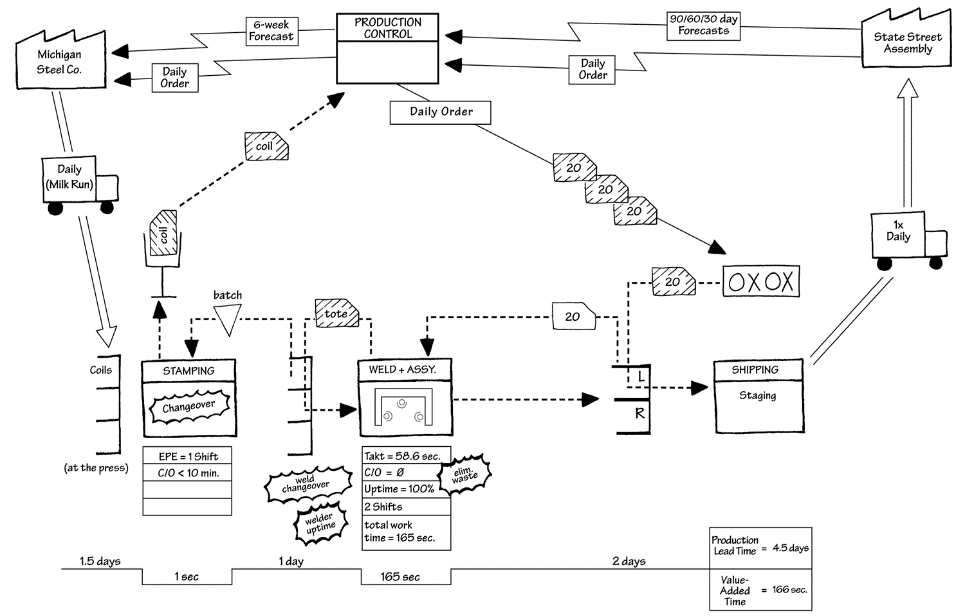
Figure 2 illustrates one of the most significant changes anticipated by the company’s proposed strategy: reducing the number of suppliers. According to Mudgal et al. (2020), it now occurs anytime the variety of sources results in significantly longer delivery times and shifts quality management efforts. The monitoring and administration of numerous relationships and contracts may be simplified by consolidating suppliers into a small number of competent and honorable parties that meet Apple’s Terms, which align with well-established standards of quality and reliability (Setiawan et al., 2021). In the future, consumers will likely see more predictable lead times and lower prices due to this consolidation, which will raise the caliber of the finished goods.
Process Improvement
The actual manufacturing process is another area that has to be changed. To significantly reduce production costs and human error across the entire manufacturing line, automated assembly methods are being planned. This will boost factory efficiency. Furthermore, as machinery maintenance is based on predictive principles, it may be one of the most essential activities in reducing unplanned downtime and maintaining production lines operating as effectively as possible (Bader et al., 2020). The production rate and the quality of the final goods will eventually be affected by integrating these technological breakthroughs into the manufacturing process.
Enhanced Distribution Network
Consequently, it is advised that more distribution centers be built around the leading marketplaces to help overcome any challenges that may arise during the distribution phase. This tactical adjustment reduces transportation costs while shortening the delivery cycle significantly (Mubarik et al., 2021). This technological conglomerate may respond more rapidly to localized market shifts and demand fluctuations by efficiently coordinating and optimizing the placement of its distribution hubs (Jiménez et al., 2019). This reduces the carbon footprint of long-distance transportation while increasing consumer satisfaction.
Expected Outcomes
Reduced Lead Time
The lead time will be shortened from 60 to 45 days, the most significant anticipated outcome. One may compare the advantages of a smaller supplier base and increased production process automation to the nearly 25% reduction in lead time. According to Samad et al. (2023), Apple may simplify its supply chain by prioritizing certain suppliers and fostering greater cooperation. As a result, the procurement procedures are now more predictable and stable. The firm can boost distribution speed using new manufacturing techniques and cutting-edge technology.
Lower Inventory Levels
With more intelligent processes and distribution facilities strategically situated closer to vital market segments, Apple can hold down its inventory levels. Cutting lead time and boosting the precision of production and distribution can be achieved through just-in-time inventory methods, drastically reducing the expenses associated with extensive inventory (Arey et al., 2021). This change helps in lowering the financial burden.
Improved Cycle Time
Cycle time is expected to be reduced by 30% through system automation and innovative approaches to improve production techniques. Due to this rapid transportation, production plants will run more quickly and have shorter lead times (Bugvia et al., 2021). Automation is a highly efficient means to eliminate human error and accelerate production. At the same time, process optimization is a highly effective technique for removing bottlenecks that can slow down our manufacturing.
Implementation
Application of the OSKKK Methodology
Apple Inc. has deliberately incorporated the OSKKK technique into its manufacturing and distribution operations to improve its lean management methods. The five critical stages of an all-encompassing strategy are essential for coordinating a smooth operational transition and attaining the targeted quality requirements (see Figure 1) (Klimecka-Tatar, 2021). The first stage, which we will refer to as “Observe,” involves collecting as much detailed information as possible on the current manufacturing and distribution system (Kathem et al., 2023; Alieva & von Haartman, 2020). Apple identifies inefficiencies and bottlenecks that impede operational efficiency through this approach, providing the company with crucial insights into workflow dynamics.

Observe Phase
The first stage, appropriately named “Observe,” involves Apple collecting and examining much information about its production and delivery systems. Apple aims to deeply understand workflow dynamics by methodically analyzing every aspect of operations and pinpointing inefficiencies and bottlenecks that impede peak performance (Kathem et al., 2023; Alieva & von Haartman, 2020). This thorough observation lets clients make well-informed decisions and provides a clear path for future optimization efforts. Through a rigorous process of observation and analysis, Apple lays the foundation for strategic interventions to improve efficiency, streamline operations, and ultimately strengthen its competitive advantage in the technology industry.
Standardization of Procedures
Following the observation stage, Apple proceeds to the critical “Standardize” step, during which standard operating procedures (SOPs) are painstakingly crafted based on the significant insights from Value Stream Mapping (VSM). This strategic initiative is critical because it ensures that activities are carried out methodically throughout the production and distribution domains, fostering a culture of consistency and superior operational performance (Bugvia et al., 2021). By instituting rigorously defined procedures, Apple strengthens the core of its operational framework, enabling the company to expand operations easily and respond quickly to constantly changing market dynamics and growing needs.
Continuous Improvement (Kaizen)
Within Apple’s implementation approach, the “Kaizen” phase is a fundamental pillar representing a culture firmly anchored in unrelenting innovation and continual improvement. By carefully planning and holding frequent employee engagement sessions, Apple aggressively cultivates a culture of proactive involvement among its workforce. According to Khan et al. (2020), these brainstorming and collaboration sessions function as dynamic platforms that facilitate the identification and implementation of incremental changes across various operational procedures. Apple’s commitment to continuous improvement is demonstrated by fostering an environment where learning and adaptability are valued, and by empowering employees to lead initiatives that achieve unprecedented operational excellence and efficiency gains.
Significant Change (Kaikaku)
In the critical “Kaikaku” stage, Apple boldly launches transformative projects to overhaul its distribution and production processes completely. To usher in a new era of operational excellence, this strategic initiative includes the enthusiastic embrace of cutting-edge technology and the innovative reworking of supply chain dynamics (Bugvia et al., 2021). Apple has demonstrated its persistent commitment to innovation and agility in managing the constantly changing market landscape by taking bold risks and embracing dramatic breakthroughs. With these bold initiatives, Apple hopes to establish new sustainability and excellence standards in the industry and significantly improve cycle time, cost-effectiveness, and product quality.
Product Refinement (Kansei)
At the final “Kansei” stage, Apple undergoes a rigorous process to improve the usability and visual appeal of its products, building strong relationships with customers. During this critical stage, Apple carefully considers each component of the product design and material choices to ensure it appeals to the audience on an emotional level. Apple fosters enduring brand loyalty among its diverse customer base by aligning product qualities with evolving consumer preferences and market trends. This strategy helps to solidify Apple’s brand identity. In the constantly changing world of technological innovation and customer needs, Apple’s competitive advantage is built on its strategic focus on product refinement.
Conclusion
Apple Inc.’s path from its founding in 1976 to its current position as one of the world’s leading technological companies is evidence of its unwavering dedication to innovation and quality. An important turning point in the mobile phone business was the 2007 release of the iPhone, which cemented Apple’s dominance in the very competitive technological space. Even in a challenging environment marked by shifting consumer tastes, unstable geopolitical conditions, and variable demand, Apple has shown remarkable resilience and adaptability. By strategically leveraging its sophisticated global supply chain, Apple has effectively sourced components, streamlined production processes, and delivered high-quality goods to consumers worldwide.
The study illuminates the subtleties of Apple’s supply chain management, highlighting opportunities for improvement and outlining strategic plans to boost productivity and responsiveness. The study uses Value Stream Mapping (VSM) to identify supply chain inefficiencies and provides information on potential improvements, such as process standardization, supplier consolidation, and production process automation. The suggested modifications aim to preserve Apple’s exceptional product quality standards while streamlining processes, reducing lead times, and lowering inventory levels.
Apple’s production and distribution activities demonstrate its dedication to operational excellence and continuous improvement through the implementation of the OSKKK approach. Apple creates an atmosphere that fosters innovation and efficiency improvements by standardizing operations, promoting Kaizen (continuous improvement), and keeping a close eye on things. Furthermore, ambitious initiatives such as Kaikaku (significant change) and Kansei (product improvement) strengthen Apple’s leadership in the sector and set new benchmarks for consumer happiness and sustainability.
Therefore, the study offers significant insights into Apple’s supply chain dynamics and provides tactical recommendations to maximize effectiveness and enhance competitiveness. With a commitment to innovation, a continuous improvement culture, and cutting-edge technologies, Apple is well-positioned to sustain its leadership in the rapidly changing technology sector, meeting customer needs and spearheading industry innovation for many years.
References
Achmadi, F., Harsanto, B., & Yunani, A. (2023). Improvement of Assembly Manufacturing Process through Value Stream Mapping and Ranked Positional Weight: An Empirical Evidence from the Defense Industry. Processes, 11(5).
Alieva, J., & von Haartman, R. (2020). Digital MudA-The new form of waste by Industry 4.0. OCSM, 13(3), 269-278.
Arey, D., Le, C. H., & Gao, J. (2021). Lean industry 4.0: A digital value stream approach to process improvement. Procedia Manufacturing, 54, 19-24.
Bader, B. H., Badar, M. A., Rodchua, S., & McLeod, A. (2020). A study of the balancing of lean thinking and stakeholder salience in decision-making. The TQM Journal, 32(3), 441-460.
Bugvia, S. A., Hameeda, K., Jamila, M. F., Irfana, A., Murtazaa, S., Qaisera, M., & Bilala, M. (2021). Performance improvement through value stream mapping–A manufacturing case study. Jurnal Kejuruteraan, 33(4), 1007-1018.
Byrne, B., McDermott, O., & Noonan, J. (2021). Applying lean six sigma methodology to a pharmaceutical manufacturing facility: A case study. Processes, 9(3).
de Paula Ferreira, W., Armellini, F., de Santa-Eulalia, L. A., & Thomasset-Laperrière, V. (2022). Extending the lean value stream mapping to the context of Industry 4.0: An agent-based technology approach. Journal of Manufacturing Systems, 63, 1-14.
Gładysz, B., Buczacki, A., & Haskins, C. (2020). Lean management approach to reduce waste in HoReCa food services. Resources, 9(12).
Horsthofer-Rauch, J., Schumann, M., Milde, M., Vernim, S., & Reinhart, G. (2022). Digitalized value stream mapping: review and outlook. Procedia CIRP, 112, 244-249.
Jamil, N., Gholami, H., Mat Saman, M. Z., Streimikiene, D., Sharif, S., & Zakuan, N. (2020). DMAIC-based approach to sustainable value stream mapping: towards a sustainable manufacturing system. Economic research-Ekonomskaistraživanja, 33(1), 331-360.
Jiménez, G., Santos, G., Sá, J. C., Ricardo, S., Pulido, J. D. M., Pizarro, A., & Hernández, H. G. (2019). Improvement of Productivity and Quality in the Value Chain through Lean Manufacturing – a case study. Procedia Manufacturing, 41, 882–889.
Kathem, A. S., Al-Kindi, L. A., & Al-Baldawi, Z. (2023). Adopting value stream mapping as a lean tool to improve production performance. Engineering and Technology Journal, 41(06), 793-806.
Khan, M. A., Shaikh, S. A., Lakho, T. H., & Mughal, U. K. (2020). Potential of lean tool of value stream mapping (VSM) in manufacturing industries. In Proceedings of the International Conference on Industrial Engineering and Operations Management (Vol. 59, pp. 3064-3074).
Klimecka-Tatar, D. (2021). Analysis and improvement of business processes management-based on value stream mapping (VSM) in manufacturing companies. Polish Journal of Management Studies, 23(2).
Morgan, J., & Liker, J. K. (2020). The Toyota product development system: integrating people, process, and technology. Productivity press.
Mubarik, M. S., Naghavi, N., Mubarik, M., Kusi-Sarpong, S., Khan, S. A., Zaman, S. I., & Kazmi, S. H. A. (2021). Resilience and cleaner production in industry 4.0: Role of supply chain mapping and visibility. Journal of cleaner production, 292.
Mudgal, D., Pagone, E., & Salonitis, K. (2020). Approach to value stream mapping for make-to-order manufacturing. Procedia Cirp, 93, 826-831.
Noto, G., & Cosenz, F. (2021). Introducing a strategic perspective in lean thinking applications through system dynamics modelling: The dynamic value stream map. Business Process Management Journal, 27(1), 306-327.
Samad, M. A., Abdullah, J., & Rifat, M. A. H. (2023). Reduction of manufacturing lead time by value stream mapping of a selected RMG factory in Bangladesh. Asian Journal of Engineering and Applied Technology, 12(1), 10-17.
Setiawan, I., Tumanggor, O. S. P., & Purba, H. H. (2021). Value Stream Mapping: Literature review and implications for service industry. Jurnal Sistem Teknik Industri, 23(2), 155-166.
Zahraee, S. M., Tolooie, A., Abrishami, S. J., Shiwakoti, N., & Stasinopoulos, P. (2020). Lean manufacturing analysis of a Heater industry based on value stream mapping and computer simulation. Procedia Manufacturing, 51, 1379-1386.